
Side dressing plants with compost is one of the simplest yet most effective ways to give your garden an extra boost. By providing a nutrient-rich dose of compost right where your plants need it, you can watch your fruits and veggies grow bigger and stronger in no time. But what’s the best type of compost for side dressing? How often should you apply it? And what are some common mistakes to avoid?
In this comprehensive guide, we’ll walk you through everything you need to know about side dressing plants with compost. From choosing the right type of compost to troubleshooting common issues, we’ve got you covered. By the end of this article, you’ll be equipped with the knowledge and confidence to take your gardening skills to the next level. So, let’s dive in and discover the benefits of using compost as a side dressing for your plants!
Understanding Side Dressing and Its Benefits
Now that you know what side dressing is, let’s dive deeper into understanding its benefits for your plants and how compost can boost their growth.
What is Side Dressing?
When it comes to giving your plants an extra boost of nutrients, you might have come across the term “side dressing.” But what exactly is side dressing, and why is it important for plant nutrition? In simple terms, side dressing refers to the process of applying a nutrient-rich material – such as compost – directly around the base of your plants, away from their main growth area. This technique allows you to provide your plants with an additional dose of essential nutrients without disturbing their roots or altering their soil structure.
The primary purpose of side dressing is to replenish depleted soil nutrients and stimulate plant growth. By applying a nutrient-rich material like compost around the base of your plants, you’re essentially creating a “feeding zone” that helps to promote healthy root development and overall plant vigor. This is especially useful for container gardens or areas with poor soil quality. In fact, studies have shown that side dressing can increase crop yields by up to 20% in certain situations. With a little practice, you can master the art of side dressing and give your plants the nutrient boost they deserve!
Benefits of Side Dressing with Compost
When you side dress plants with compost, you’re not just giving them a nutrient boost – you’re also improving the overall health of your soil. Compost is rich in beneficial microorganisms that help break down organic matter and make essential nutrients available to your plants. As these microbes get to work, they also start to build a diverse ecosystem within your soil, creating a thriving environment for beneficial bacteria, fungi, and other organisms.
This process has numerous benefits for your crops. By feeding your plants with compost, you can expect to see increased yields, improved fruit quality, and enhanced resistance to pests and diseases. For example, studies have shown that using compost as a side dressing can increase tomato yields by up to 25%. Compost also helps to retain moisture in the soil, reducing the need for frequent watering and minimizing the risk of overwatering.
To get the most out of side dressing with compost, make sure to use a balanced blend that includes a mix of ‘green’ (nitrogen-rich) and ‘brown’ (carbon-rich) materials. This will provide your plants with a steady supply of nutrients throughout the growing season.
Common Misconceptions About Side Dressing
One of the most common misconceptions about side dressing is that it’s only necessary for established plants. However, this couldn’t be further from the truth. Many gardeners assume that young seedlings don’t require additional nutrients and can thrive on their own, but the reality is that side dressing benefits even newly planted seeds.
In fact, side dressing can be especially beneficial for young plants as it provides them with a boost of essential nutrients right from the start. This can help them establish a strong root system and promote healthy growth from the beginning. By incorporating compost into your planting mix or applying it directly to the soil around your seedlings, you can give them a head start on developing the resilience they need to overcome any potential challenges.
Moreover, side dressing is not just limited to nutrient-dense soils; it’s also beneficial for plants growing in poor-quality soils.
Choosing the Right Compost for Side Dressing
When it comes to side dressing plants, choosing the right compost can make all the difference. We’ll walk you through selecting a high-quality compost that meets your specific needs.
Types of Compost Suitable for Side Dressing
When it comes to side dressing plants with compost, you have several options when it comes to choosing the right type of compost. Two popular types that work well for this purpose are worm casting and finished compost.
Worm casting, also known as vermicompost, is a nutrient-rich compost made from the waste of red wiggler worms. It’s an excellent choice for side dressing because it has a high concentration of nitrogen, phosphorus, and potassium – the essential macronutrients that plants need to grow. Worm casting also contains beneficial microorganisms that help to improve soil structure and fertility.
Finished compost, on the other hand, is a more general-purpose compost made from a variety of organic materials such as food scraps, leaves, and grass clippings. It’s often used as a mulch or top dressing for plants, but it can also be used for side dressing if you’re looking for a less concentrated form of nutrient release.
In terms of application rates, worm casting is generally applied at a rate of 1/4 to 1/2 inch per 10 square feet, while finished compost is often applied at a rate of 2-3 inches deep.
Factors to Consider When Selecting a Compost
When selecting a compost for side dressing, there are several key factors to consider. The first and most critical factor is the nutrient content of the compost. A good quality compost should have a balanced N-P-K ratio (nitrogen-phosphorus-potassium) that meets the nutritional needs of your plants. Ideally, look for a compost with a nitrogen level between 2-5% and phosphorus level between 1-3%. This will ensure that your plants receive the necessary nutrients for healthy growth.
Another crucial factor is the pH level of the compost. Most vegetables prefer a slightly acidic to neutral soil pH, ranging from 6.0-7.0. If you’re using a high-pH compost, it may not provide the best results for acid-loving plants like tomatoes or blueberries. On the other hand, if your compost is too acidic (pH below 6), it can burn roots and cause more harm than good.
Lastly, consider the organic matter content of the compost. A higher percentage of organic matter indicates a more stable and balanced compost. Aim for at least 30-40% organic matter to ensure that your plants receive a steady supply of nutrients throughout the growing season.
Preparing Your Own Compost at Home
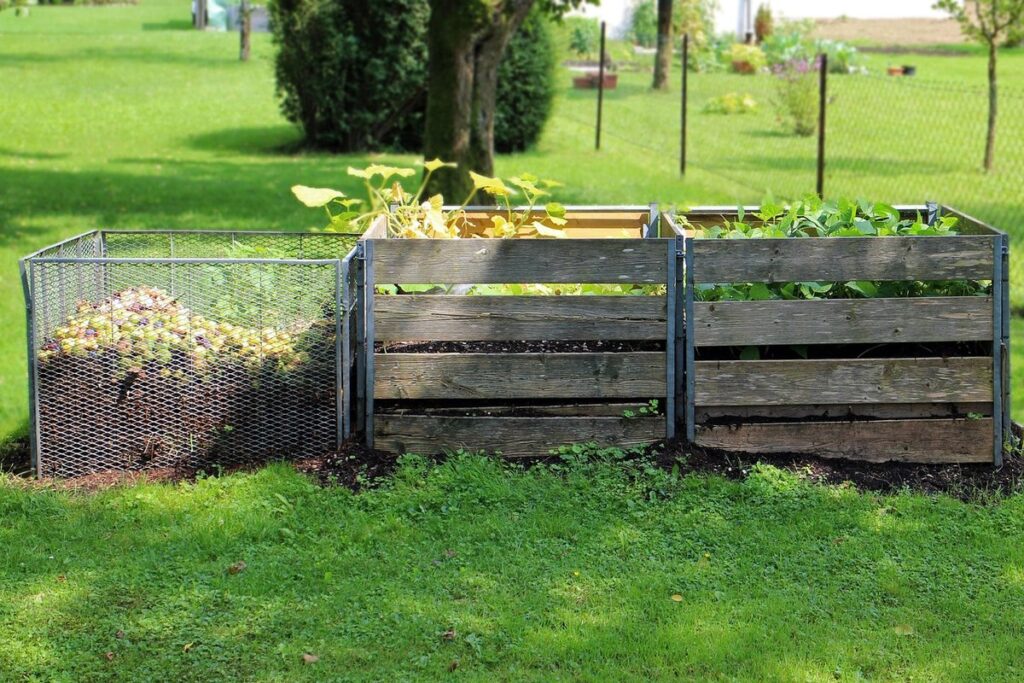
Preparing your own compost at home is a simple and cost-effective way to provide your plants with a nutrient-rich dressing. To get started, you’ll need a designated area for composting, such as a bin or pile in a corner of your yard. Add kitchen scraps like fruit and vegetable peels, tea bags, and coffee grounds, but avoid meat, dairy, and oily foods that can attract pests.
You’ll also want to include yard waste like leaves, grass clippings, and branches, making sure they’re broken down into smaller pieces first. Aim for a mix of 2/3 “brown” materials (like dried leaves or shredded newspaper) and 1/3 “green” materials (like kitchen scraps or fresh grass). As you add new materials, turn the pile regularly to speed up decomposition.
After about six weeks, your compost should be ready to use. It should be dark, crumbly, and have an earthy smell. If it’s too wet or dry, adjust the balance of brown and green materials accordingly. To incorporate this homemade compost into side dressing, mix it well with other compost or use it as a standalone nutrient-rich fertilizer for your plants.
How to Side Dress with Compost: A Step-by-Step Guide
Now that you’ve prepared your compost, it’s time to learn how to side dress your plants effectively. In the following steps, we’ll guide you through the process of delivering a nutrient-rich boost to your garden.
Preparing the Plant for Side Dressing
Before you can side dress your plants with compost, it’s essential to prepare the plant for this nutrient boost. This step is often overlooked, but it’s crucial to get the most out of your compost application.
First, clear the area around the plant of any weeds or debris. Weeds compete with your plants for water and nutrients, so removing them will give your plants a better chance to thrive. Use a tool like a hoe or a weeding fork to gently remove any weeds without damaging the surrounding soil or roots.
Next, inspect the plant itself for any signs of pests or diseases. Side dressing can actually exacerbate these issues if not done carefully, so it’s essential to address them before applying compost. Look for any visible symptoms and take action promptly to prevent the issue from spreading.
Finally, water your plant thoroughly before side dressing to ensure the soil is moist but not waterlogged. This will help the compost penetrate deeper into the soil and provide nutrients to the roots. Now you’re ready to apply the compost and give your plants a nutrient boost!
Applying the Compost
When applying compost to your plants as a side dressing, timing and application rates are crucial. It’s best to apply the compost when the soil is moist but not waterlogged. Start by mixing 1-2 inches of compost into the top 6-8 inches of soil around the base of the plant. You can also use a thin layer (about 1/4 inch) as a mulch or top dressing, making sure to keep it from touching the stem.
If you’re dealing with established plants, apply the compost in spring and summer when plants are actively growing. For newly planted seedlings or young transplants, hold off on side dressing until they’ve developed at least two sets of leaves. This helps prevent over-fertilization, which can cause more harm than good. As a rule of thumb, avoid applying compost during periods of drought or extreme heat. Always water the plant thoroughly after application to help settle the compost and prevent any immediate nutrient burn on sensitive roots.
Monitoring Plant Response to Side Dressing
After side dressing your plants with compost, it’s essential to monitor their response to determine if they’re receiving the necessary nutrients. Observe your plants closely for signs of nutrient deficiencies, such as yellowing leaves, stunted growth, or reduced fruit production.
To identify potential issues early on, inspect your plants regularly, paying attention to changes in leaf color, texture, and overall health. For example, if you notice yellowing leaves with green veins, it may indicate a nitrogen deficiency. On the other hand, if leaves are pale green or have a bronzy tint, it could be a sign of iron deficiency.
Keep track of your observations by taking notes on plant growth, weather conditions, and any changes in soil moisture levels. This will help you pinpoint potential causes of nutrient deficiencies and make informed decisions about future side dressing applications. By closely monitoring your plants’ response to compost side dressing, you’ll be better equipped to adjust your fertilization strategy and ensure optimal plant health.
Troubleshooting Common Issues with Compost Side Dressing
Don’t worry if your compost side dressing isn’t yielding the results you expected – we’ve got solutions to common problems right here. Let’s tackle those pesky issues together.
Inadequate Nutrient Uptake
One of the most critical aspects of side dressing plants with compost is ensuring that they can effectively take up the nutrients being provided. Unfortunately, inadequate nutrient uptake is a common issue that can lead to yellowing leaves and stunted growth. This can be due to various factors such as the soil’s pH level being too high or low for optimal nutrient availability, insufficient water supply causing root dehydration, or even pests and diseases affecting the roots’ ability to absorb nutrients.
To troubleshoot inadequate nutrient uptake, inspect your plants closely for signs of nutrient deficiencies. Check for yellowing leaves, stunted growth, or weakened stems. Next, assess your soil’s pH level and adjust it accordingly if necessary. Ensure that your plants are receiving adequate water supply, but avoid overwatering which can cause root rot.
If you suspect that pests or diseases are at play, take immediate action to control the issue before it worsens. Use neem oil or insecticidal soap to manage pest infestations, and apply fungicides to combat fungal infections. Keep in mind that these measures may require repeated applications for optimal results.
Over-Application of Compost
When you’re enthusiastic about using compost side dressing for your plants, it’s easy to get carried away and apply too much of a good thing. However, over-applying compost can have some serious consequences that might harm your plants and the environment.
Firstly, excessive compost application can lead to nutrient imbalances in the soil. While compost is rich in nutrients like nitrogen, phosphorus, and potassium, applying too much of it can cause an overload of these micronutrients. This can disrupt the natural balance of your soil’s ecosystem, leading to an overabundance of certain nutrients that might even harm your plants.
For instance, if you apply excessive amounts of compost high in nitrogen, it can lead to an overgrowth of weeds and a decrease in oxygen levels in the soil. On the other hand, applying too much phosphorus-rich compost can promote fungal growth and even contaminate water sources.
To avoid these issues, be sure to follow the recommended application rates for your specific plants and soil type. Start with small amounts (about 1/4 cup per plant) and gradually increase as needed based on plant response. Monitor your soil’s pH levels regularly and balance out excess nutrients by adding other amendments or using a fertilizer specifically designed to correct imbalances.
Interactions with Other Fertilizers or Soil Amendments
When working with compost side dressing, it’s essential to consider potential interactions with other fertilizers or soil amendments. This is particularly crucial when using multiple products simultaneously, as their combinations can impact the effectiveness of the compost and potentially harm your plants.
Some common examples of fertilizer-soil amendment interactions include:
* Compost paired with synthetic fertilizers: Combining compost side dressing with synthetic fertilizers like ammonium nitrate or urea can be beneficial in small amounts. However, overusing these products may lead to nutrient imbalances and reduced microbial activity.
* Using compost with manure teas or fish emulsion: These liquid amendments can enhance the nutritional value of your compost, but be cautious not to overdo it. Too much nitrogen from these sources can overwhelm plant roots.
To navigate potential interactions safely:
* Always follow product instructions and recommended application rates for each fertilizer or amendment.
* Test small areas before applying multiple products together to monitor their combined effects on your soil.
* Keep in mind that natural amendments like compost tend to work more slowly than synthetic fertilizers, so patience is key.
Case Studies: Successful Implementations of Compost Side Dressing
Let’s take a closer look at how other gardeners have successfully used compost side dressing to boost yields and improve plant health. Real-world case studies offer valuable insights into best practices.
Example 1: Small-Scale Farm Application
Here’s a real-world example of using compost side dressing on a small-scale farm. Meet Sarah, who runs a 5-acre farm in upstate New York, where she grows a variety of fruits and vegetables for her local community-supported agriculture (CSA) program. Sarah has been experimenting with compost side dressing as a way to improve soil health and reduce waste.
She begins by setting aside a portion of her compost pile that is rich in nutrients but may be too mature to use as a top-dressing. This “compost tea” is brewed in a specialized bin, which allows the beneficial microorganisms to break down into a liquid solution. The resulting brew is then applied directly to the soil around each plant, where it provides a boost of nutrients and helps to regulate pH levels.
One of the key benefits that Sarah has noticed since implementing this practice is an increase in crop yields. By using compost side dressing, she’s able to reduce her reliance on synthetic fertilizers while still achieving high-quality produce. Additionally, the method allows her to repurpose waste material that might otherwise end up in a landfill.
Example 2: Large-Scale Agricultural Setting
In Example 2, we’ll explore the benefits of compost side dressing on a large scale agricultural setting. A case study conducted at a 500-acre farm in California demonstrated significant improvements in soil health and crop yields after implementing compost side dressing.
The farm’s soil was previously depleted due to intensive farming practices, resulting in low fertility and reduced water retention capacity. By incorporating compost side dressing into their fertilization routine, the farmers noticed a substantial increase in soil organic matter content. This, in turn, led to improved nutrient cycling, enhanced microbial activity, and better water infiltration.
As a result of these improvements, crop yields increased by an average of 25% across various fields. The data also revealed that the use of compost side dressing reduced synthetic fertilizer applications by 30%, resulting in significant cost savings for the farm. This example illustrates the potential benefits of compost side dressing on a large scale and highlights its importance as a sustainable alternative to conventional fertilizers.
Best Practices for Long-Term Success with Compost Side Dressing
To achieve long-term success with compost side dressing, focus on consistency and timing to get the most out of this valuable technique. This section shares key strategies for sustained results.
Scheduling Regular Compost Applications
When it comes to maintaining optimal plant nutrition through compost side dressing, scheduling regular applications is crucial. To ensure your plants receive the nutrients they need throughout their growing season, consider implementing a routine application schedule.
Start by assessing your local climate and plant growth patterns. In areas with distinct wet and dry seasons, apply compost more frequently during periods of rapid growth or when plants are under stress due to drought or extreme temperatures. For example, in regions with mild winters, you can apply compost every 4-6 weeks from spring through fall.
Here’s a suggested schedule:
* Apply compost at planting time to provide an initial boost
* Follow up with applications 1-2 months after transplanting and again 30 days later
* In areas with distinct wet and dry seasons, adjust the frequency based on local climate patterns
Remember to apply the correct amount of compost for your specific plants’ needs. A general rule of thumb is to mix 2-4 inches of compost into the top 6-8 inches of soil. Monitor plant growth and adjust your application schedule accordingly. By sticking to a regular routine, you’ll be able to provide your plants with the optimal nutrition they need to thrive throughout their growing season.
Monitoring Soil pH and Nutrient Levels
Monitoring soil pH and nutrient levels is crucial for optimal plant growth. When you side dress with compost, it’s essential to ensure that your soil is receiving the right balance of nutrients. Compost can alter the soil pH, making it more alkaline or acidic, which can impact nutrient availability.
To monitor soil pH and nutrient levels, use a soil testing kit or send a sample to a laboratory for analysis. This will provide you with an accurate reading of your soil’s pH level and nutrient content. Based on the results, adjust your side dressing application accordingly.
For example, if your test reveals that your soil is too acidic (low pH), add lime to raise the pH before applying compost. Conversely, if your soil is alkaline (high pH), reduce or omit adding any additional lime.
By monitoring and adjusting these factors, you’ll create an optimal environment for your plants to thrive. Aim to maintain a slightly acidic to neutral soil pH between 6.0-7.0, which allows most plants to access essential nutrients.
Integrating Compost Side Dressing into a Sustainable Farming Practice
Composting is often considered a crucial step in reducing waste and promoting ecosystem services on farms. However, taking it to the next level by incorporating compost side dressing into your sustainable farming practice can have numerous benefits for the soil and overall ecosystem.
One of the primary advantages of using compost side dressing is its ability to reduce waste generated from crop residue and other organic materials. By utilizing these materials in a beneficial manner, you’re not only decreasing the amount of waste sent to landfills but also minimizing the need for synthetic fertilizers that can pollute soil and waterways.
To integrate compost side dressing into your sustainable farming practice, start by implementing a regular composting program on-farm. This involves collecting organic materials such as food scraps, leaves, and grass clippings, and allowing them to decompose in a designated area. Once the compost is matured, you can apply it directly to plant roots through side dressing.
This approach promotes ecosystem services like soil carbon sequestration, improved soil structure, and enhanced biodiversity – ultimately leading to healthier plants and more resilient ecosystems.
Frequently Asked Questions
What are some common mistakes to avoid when side dressing plants with compost?
Don’t overdo it! Applying too much compost can burn your plant’s roots, leading to stunted growth or even plant death. Start with a small amount (about 1-2 tablespoons) and gradually increase as needed. Also, be mindful of the type of compost you’re using – ensure it’s free from contaminants like weed seeds or pests.
Can I use homemade compost as a side dressing?
Yes! Homemade compost can be an excellent choice for side dressing, especially if you’ve created it specifically for your garden. Just make sure to allow it to mature properly (at least 6-8 weeks) and test its pH level before applying. This will help ensure the best results for your plants.
How often should I reapply compost as a side dressing?
The frequency of reapplication depends on factors like soil type, plant growth stage, and climate. As a general rule, you can reapply every 2-4 weeks during the growing season (spring-fall). Monitor your plant’s response and adjust accordingly – if leaves start to slow down or nutrient deficiencies appear, it may be time for another application.
What happens if my plants don’t show an immediate reaction after side dressing with compost?
Be patient! Side dressing works gradually, feeding your plants over a period. It might take 2-4 weeks (or longer) to notice significant improvements in growth and productivity. Keep an eye on your plant’s overall health, including leaf color, size, and nutrient uptake – if you’re concerned about a lack of response, reassess your compost application method or consult with a gardening expert.
Can I mix compost side dressing with other fertilizers or soil amendments?
Yes, but do it thoughtfully! Combining multiple products can sometimes lead to nutrient imbalances. When mixing, follow these guidelines: (1) Use low-nitrogen, high-phosphorus formulas (like fish emulsion) for growth promotion; (2) Combine compost with slow-release fertilizers or natural pest control agents; and (3) Monitor your plant’s response closely – adjust the application rates as needed to avoid over-fertilization.