
Are you looking to add some visual interest to your garden or indoor spaces? Variegated shrubs are the perfect solution, offering unique beauty and benefits that can enhance any outdoor or interior design. These stunning plants boast leaves with striking patterns of color, adding a touch of elegance and sophistication to any setting.
But what exactly is a variegated shrub, and how do you choose the right one for your space? In this article, we’ll explore everything you need to know about incorporating these beautiful plants into your design. From selecting the perfect variety to growing and maintaining them, we’ll cover it all. By the end of this guide, you’ll be equipped with the knowledge to create stunning displays that bring visual appeal and benefits to both your garden and indoor spaces.
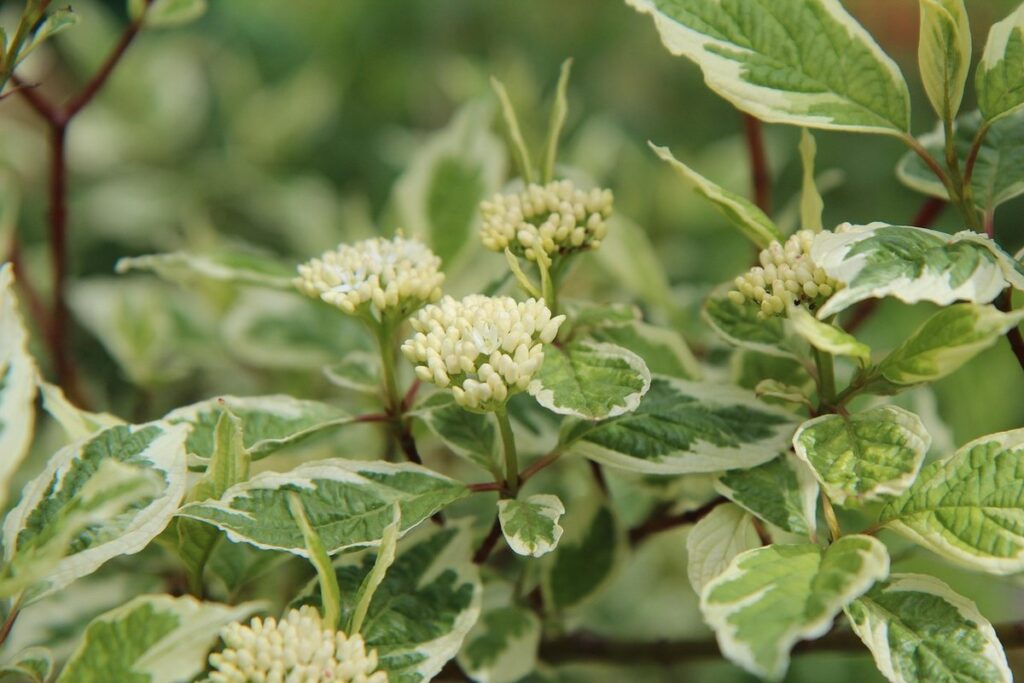
Understanding Variegation in Shrubs
Variegation can add incredible visual interest to a shrub, but what exactly is it and how does it occur? Let’s dive into the science behind variegated leaves.
What is Variegation?
Variegation is a fascinating phenomenon that adds an extra layer of beauty to shrubs with variegated leaves. At its core, variegation refers to the presence of contrasting colors or patterns on plant leaves. This can manifest as stripes, spots, swirls, or other unique designs, depending on the specific characteristics of the shrub.
In shrubs, variegation serves a dual purpose: it provides visual interest and adds diversity to gardens. Imagine strolling through a lush garden filled with shrubs featuring vibrant white or yellow veins against emerald green leaves – it’s an instant conversation starter! The added dimension of color not only enhances the overall aesthetic but also draws attention to specific shrub species.
When selecting shrubs for your garden, pay attention to variegation. Consider how the contrasting colors will interact with other plants and hardscapes in your design. For instance, a boldly variegated shrub can create a stunning focal point in a more subtle garden bed. By thoughtfully incorporating these striking visuals into your landscaping plan, you can elevate your outdoor space to the next level of beauty and sophistication.
Types of Variegation Patterns
When you gaze upon shrubs with variegated leaves, you might notice an array of striking patterns. These patterns can be broadly categorized into four main types: mottling, veining, edge coloration, and marbling.
Mottling is one of the most common forms of variegation, where patches or spots of different colors are scattered across the leaf. For instance, the ‘Golden Flair’ Coral Bells shrub features mottled leaves with shades of golden yellow and green. To achieve a similar look in your garden, try combining mottled-leaved plants like Heuchera with solid-colored perennials.
Veining, on the other hand, is characterized by prominent or colored veins that run through the leaf. The ‘Variegata’ Maple shrub boasts striking white-veined leaves that add a pop of color to any landscape. If you’re looking to create a focal point in your garden, consider using plants with pronounced veining like the Japanese Maple.
Edge coloration is another type of variegation where the leaf’s edges feature contrasting colors. The ‘Sunset’ Gardenia shrub boasts leaves with pink-tinged edges that create a beautiful gradient effect. To replicate this look, try pairing edge-colored plants like Coleus with solid-colored foliage.
Lastly, marbling refers to a swirling or mottled pattern that resembles marble. This type of variegation can add incredible visual interest to your garden. The ‘Marmoratum’ Oakleaf Hydrangea shrub features marbled leaves that change color throughout the seasons. To incorporate marbled-leaved plants into your garden, try combining them with foliage like ferns or hostas.
Benefits of Variegated Shrubs
Variegated shrubs add an extra layer of visual interest to your garden, making them a fantastic choice for any landscape design. One of the primary benefits of variegated shrubs is their ability to create contrast and add depth to your outdoor space. By combining different leaf colors or patterns, these shrubs can create a stunning visual effect that draws the eye and creates a sense of movement.
Another significant advantage of variegated shrubs is their versatility in terms of plant placement. Since they come in so many different varieties, you can choose one that complements your existing garden decor, whether it’s a bold, statement-making shrub for a focal point or a more subtle, understated choice for a background planting. Many variegated shrubs are also low-maintenance, requiring less pruning and care than their solid-colored counterparts.
Incorporating variegated shrubs into your garden design can have a number of benefits beyond aesthetics. For example, they can help to create a sense of layering in the landscape, with taller shrubs providing a backdrop for shorter ones.
Choosing the Right Variegated Shrubs for Your Garden
When selecting variegated shrubs, consider factors such as climate, soil type, and desired growth habits to ensure a successful addition to your garden. This section will guide you in making informed choices.
Considerations for Selection
When selecting variegated shrubs for your garden, it’s essential to consider several key factors that will ensure they thrive and meet your expectations. First and foremost, think about the climate you live in. Different regions have varying temperature ranges, humidity levels, and sun exposure, which can impact how well a particular shrub grows. For instance, some variegated shrubs like the Variegated Boxwood (Buxus sempervirens ‘Suffruticosa’) are more tolerant of cooler temperatures and are ideal for temperate climates.
Next, consider the type of soil in your garden. Some shrubs prefer well-draining acidic soils, while others thrive in alkaline or heavy clay soils. For example, the Variegated Japanese Yew (Taxus cuspidata ‘Flore Pleno’) prefers a slightly acidic to neutral soil pH. Make sure you choose a shrub that suits your soil type.
Maintenance requirements are another crucial consideration. Some variegated shrubs require regular pruning to maintain their shape and promote new growth, while others are more low-maintenance. Think about how much time you can dedicate to caring for your shrubs. Finally, consider the desired growth habits of your shrub. Do you want a compact shrub that stays small or one that grows larger over time?
Popular Varieties of Variegated Shrubs
When it comes to incorporating variegated shrubs into your garden design, there are several popular varieties to consider. Heuchera is a standout option, with its stunning maple-like leaves offering a range of colors and patterns. These adaptable plants thrive in partial shade and come in a variety of sizes, making them perfect for containers or borders.
Another beloved variety is Coral Bells (Heucherella), which boasts delicate white or pink blooms on top of its vibrant foliage. This low-maintenance shrub prefers well-drained soil and can handle temperatures as low as -20°F (-29°C). Consider pairing Heuchera with plants like hostas or ferns for a lush, textured look.
Last but not least, Dusty Miller offers silver-leafed elegance to any garden bed. Its broad, velvety leaves create a beautiful contrast against other foliage types and can tolerate some drought. For maximum impact, plant multiple shrubs together for a dramatic display of variegated beauty.
How to Incorporate Variegated Shrubs into Your Garden Design
When it comes to incorporating variegated shrubs into your garden design, the possibilities are endless. To get started, consider the overall aesthetic you want to achieve and how a variegated shrub can contribute to it. For example, if you’re aiming for a bold, tropical look, pair a brightly colored variegated shrub like _Hedychium_ ‘Nicely Nicely’ with vibrant foliage plants.
To create visual interest, mix different textures and shapes among your variegated shrubs. For instance, combine the striking leaves of a _Gardenia jasminoides_ ‘Variegata’ with the delicate flowers of a _Rosa_ species. You can also use variegated shrubs as a backdrop for other plants or to create a natural hedge.
Remember to choose variegated shrubs that thrive in your local climate and provide the right growing conditions. This will ensure they remain healthy and continue to display their beautiful, unique foliage. By incorporating these elements, you’ll be able to create a stunning, one-of-a-kind garden design that showcases the beauty of variegated shrubs.
Designing with Variegated Shrubs: Tips and Tricks
Now that you’ve selected your variegated shrub, let’s dive into designing a stunning landscape with it, incorporating tips for complementary color choices.
Combining Variegated Shrubs with Other Plants
When it comes to designing with variegated shrubs, one of the most exciting aspects is combining them with other plants to create visually striking combinations. This is where the magic happens, and you can add texture, color, and interest to your garden or indoor space.
For a dramatic look, pair variegated shrubs like Heuchera or Coral Bells with bold foliage plants like coleus or elephant ear. The contrasting colors and patterns will create a stunning visual effect. Alternatively, combine variegated shrubs with flowering plants like hydrangeas or roses to add pops of color and create a beautiful bloom.
Consider the scale and texture of your other plants when combining them with variegated shrubs. For example, pairing a small variegated shrub with delicate ferns or grasses will create a whimsical and airy feel, while a large variegated shrub paired with bold, statement-making plants like succulents or bromeliads will add drama to your space.
Remember, the key is to balance contrasting elements to create harmony in your design. Experiment with different combinations to find what works best for you and your unique gardening style.
Creating a Focal Point with Variegated Shrubs
When it comes to designing with variegated shrubs, using them as focal points can elevate your garden’s visual appeal and create a stunning statement. A focal point is an element that draws the eye and anchors the viewer’s attention, making it an essential consideration in any garden design.
To use variegated shrubs effectively, consider their unique characteristics. For instance, ‘Aureum’ varieties like Golden Elder or Golden Privet display vibrant yellow leaves with a subtle pattern of green veins, providing a striking contrast against darker foliage. Place these shrubs near seating areas or walkways to create a visual anchor that draws the eye and adds depth to your garden.
Another option is to group variegated shrubs together to create a bold, statement-making focal point. This can be achieved by selecting complementary shades of leaves with varying patterns, such as ‘Argenteo-Variegata’ Japanese Pittosporum with its silvery-green foliage or ‘Gold Flame’ Spirea’s golden-bronze variegation.
Remember, when choosing a focal point with variegated shrubs, balance their visual impact by surrounding them with more subdued elements to avoid overwhelming the senses. With careful placement and selection, your garden will benefit from an added layer of interest and personality.
Maintenance Tips for Variegated Shrubs
To keep your variegated shrubs looking their best, regular maintenance is crucial. Start by inspecting your plants regularly for signs of pests or diseases, and take action promptly to prevent infestations from spreading.
Watering habits should be adjusted based on the specific needs of each plant species. For example, the Japanese maple prefers moist soil, while the variegated holly requires well-draining soil to prevent root rot. Aim to water your shrubs when the top inch of soil feels dry to the touch, and avoid overwatering, which can lead to fungal diseases.
Fertilizing is another important aspect of maintenance. Feed your variegated shrubs with a balanced fertilizer during the growing season (spring-fall) to promote healthy growth and vibrant coloration. Prune your plants annually to maintain their shape and encourage new growth, making sure to remove any dead or damaged branches.
Finally, provide adequate sunlight and protection from extreme weather conditions. Most variegated shrubs thrive in partial shade to full sun, but be mindful of scorching sun or harsh winds that can damage the leaves. By following these maintenance tips, you’ll be able to enjoy your beautiful variegated shrubs for years to come.
Growing and Caring for Variegated Shrubs
To keep your variegated shrubs thriving, you’ll need to learn a few essential care tips, from watering to pruning, to ensure they maintain their stunning beauty. Let’s dive into the specifics of growing and caring for these gorgeous plants!
Soil Requirements for Variegated Shrubs
When it comes to providing the right environment for your variegated shrubs to thrive, soil quality and pH play a crucial role. Variegated shrubs are generally adaptable but still require well-draining soil to prevent waterlogged conditions that can lead to root rot. The ideal soil should have good aeration, which allows roots to breathe and absorb nutrients efficiently.
The pH level of the soil is also important, as variegated shrubs tend to prefer slightly acidic conditions. A pH range between 6.0 and 7.0 is suitable for most varieties, but some might require more acidic or alkaline environments. Research the specific needs of your plant variety to determine its optimal pH range.
To achieve the right balance, consider incorporating organic matter like compost or well-rotted manure into the soil. This will not only improve drainage and aeration but also provide essential nutrients for healthy growth. Be cautious when using fertilizers, as they can alter the pH level of the soil over time. Regularly test your soil to ensure it remains within the optimal range for your variegated shrub.
Watering and Fertilization Needs
When it comes to watering and fertilizing variegated shrubs, it’s essential to strike the right balance. Overwatering can be detrimental to these beautiful plants, leading to root rot and other problems that can be challenging to recover from. To avoid this, check the soil moisture by sticking your finger into the soil up to the first knuckle. If the soil feels dry, it’s time to water.
Water your variegated shrubs when the top inch of soil feels dry to the touch. This will help prevent overwatering and ensure that the roots have a chance to breathe. As for fertilization, regular feeding is crucial to maintain the vibrant colors and overall health of these stunning shrubs. Use a balanced fertilizer during the growing season (spring-fall) and a slow-release fertilizer in the winter months.
Aim to feed your variegated shrub with a 10-10-10 NPK fertilizer once a month, diluting it to half the recommended strength to prevent burning the roots. For example, if you’re using a fertilizer that requires one tablespoon per gallon of water, use half a tablespoon instead. This will provide your plant with the necessary nutrients without overloading it.
Pruning and Training Variegated Shrubs
Pruning and training variegated shrubs requires careful consideration to maintain their unique leaf patterns. When pruning, it’s essential to remove only what is necessary to maintain the desired shape and size, as excessive cutting can lead to a loss of variegation.
For shrubs like Dipteryx odorata or Forsythia ‘Variegata’, which tend to grow quite large, regular pruning will be necessary. However, for smaller shrubs like Hebe x franciscana or Abelia grandiflora, pruning may only be required once a year, during their dormant season.
When training variegated shrubs, start by selecting a few main branches and gently guiding them to the desired direction using soft ties or wires. This will encourage the plant to grow in the preferred shape while preserving its natural beauty.
To avoid damaging the leaves, prune using sharp, sterile tools, making clean cuts just above a leaf node. Also, be mindful of the variegation pattern when pruning – it’s best to remove any branches that are blocking the display of these unique markings.
Health Benefits of Variegated Shrubs
Not only do variegated shrubs bring visual interest to your garden, but they also offer numerous health benefits when used in a therapeutic setting. Let’s explore these advantages together.
Air Purification Properties
Variegated shrubs have an often-overlooked benefit that can significantly enhance our living spaces: air purification. Like all plants, these shrubs absorb carbon dioxide and release oxygen through photosynthesis, a process that’s not only beneficial for human health but also vital for maintaining clean indoor and outdoor air quality.
In fact, studies have shown that a small group of variegated shrubs can remove up to 87% of airborne pollutants in just one week. This is especially significant in urban areas where pollution levels are high due to the concentration of vehicles and industrial activities.
To maximize your variegated shrub’s air purification properties, place them near windows or doors to allow for optimal airflow and sunlight exposure. Make sure to also water and fertilize them regularly to maintain their health and promote robust growth.
In addition to their aesthetic appeal, incorporating variegated shrubs into your indoor and outdoor spaces can have a lasting impact on the environment and public health. Not only do they add visual interest and beauty to our surroundings but they also contribute to creating cleaner air for everyone.
Stress Relief and Mental Health
Gardening with variegated shrubs has been shown to have a profound impact on both physical and mental health. Studies have consistently demonstrated that being surrounded by nature can significantly reduce stress levels and promote mental well-being. When it comes to incorporating variegated shrubs into your garden, the benefits go beyond aesthetics – they can also play a crucial role in reducing anxiety and improving mood.
One of the primary ways in which variegated shrubs provide mental health benefits is through their visual appeal. The unique combination of colors on each leaf creates a visually stimulating effect that can be calming and soothing to the mind. Imagine strolling through your garden, taking in the vibrant hues of a variegated rose or the delicate patterns on a variegated azalea – this sensory experience can help quiet the mind and reduce stress.
To maximize the mental health benefits of your variegated shrubs, try incorporating them into areas where you spend most of your time, such as near windows, patios, or walkways.
Potential Allergenic Effects
Some shrubs with variegated leaves may cause allergic reactions in sensitive individuals. These plants contain sap that can irritate skin and mucous membranes, triggering symptoms like redness, itching, and swelling. The allergenic effects are typically more pronounced when the sap comes into contact with broken skin.
When handling variegated shrubs, it’s essential to take precautions to minimize exposure. Wear protective gloves and eyewear to prevent sap from entering your eyes or skin. If you accidentally come into contact with the sap, wash the affected area immediately with soap and water. Some people may also experience respiratory issues when working around these plants.
Not all variegated shrubs are created equal in terms of allergenic potential. For example, English holly (Ilex aquifolium) is known to be particularly irritating, while some cultivars of rose bushes have lower sap content and cause fewer problems. Research the specific plant you’re working with to understand its potential for causing allergic reactions.
If you experience any symptoms after handling a variegated shrub, seek medical attention immediately.
DIY Projects Using Variegated Shrubs
Take your creativity to the next level by learning how to incorporate variegated shrubs into unique DIY projects that add a personal touch to any space. We’ll explore some inspiring ideas.
Crafting Decorative Arrangements
When it comes to adding a unique touch to your home decor, consider using variegated shrubs in decorative arrangements. These plants are perfect for creating one-of-a-kind centerpieces, wreaths, and other craft projects.
To get started, gather a few variegated shrub branches with interesting textures and colors. You can choose from various varieties like the Lavender Twist Redbud or the Crape Myrtle. Trim the stems to desired lengths and prepare them for arrangement.
For a stunning centerpiece, group 3-5 branches together in a vase or container. Add some greenery like ferns or lemon leaves to fill gaps and create depth. You can also incorporate candles, pebbles, or other decorative elements to enhance the look.
To take your project to the next level, experiment with different shapes and textures by combining variegated shrubs with other plants. For example, pair smooth-leaved branches with chunky succulents for a contrasting effect. Don’t be afraid to get creative and add personal touches like ribbons or ornaments to make your arrangement truly unique.
Remember, the key to creating beautiful decorative arrangements is to balance textures, colors, and shapes. With variegated shrubs as your starting point, you’ll have endless possibilities to create stunning displays that reflect your personal style.
Preserving Variegated Branches
When it comes to preserving variegated branches, the goal is to capture their unique beauty and bring them into your home year-round. To achieve this, you’ll need a few simple materials: scissors or pruning shears, a wire stem or floral pick, and a drying medium like silica gel or borax.
Start by cutting off fresh branches from your variegated shrub in the late morning or early evening when the sap flow is slower. Choose stems with interesting colors, shapes, or textures to add variety to your dried arrangement. Gently remove lower leaves, leaving only the top two sets of leaves on each stem. This will help prevent moisture loss and promote even drying.
Next, prepare a drying station by lining a container with paper towels or a cloth. Fill the container about 1/3 full with silica gel or borax, depending on your preference. Place the prepared branches in the drying medium, making sure they’re not touching each other. Seal the container to maintain humidity and let it sit for 2-4 weeks, shaking the container every few days to facilitate air circulation.
Once dried, use floral wire or a pick to attach the stems to a decorative base or arrangement. You can also add some decorative elements like pinecones, ribbons, or other materials to create a unique display. By following these steps, you’ll be able to preserve the beauty of your variegated branches and enjoy their loveliness throughout the year.
Conclusion: The Beauty and Versatility of Variegated Shrubs
As we conclude our guide on beautiful shrubs with variegated leaves, it’s clear that these plants bring a touch of elegance and sophistication to any garden or landscape. With their unique, multi-colored foliage, they add visual interest and depth to outdoor spaces without requiring much maintenance. Whether you’re looking to create a statement focal point or simply add some understated charm, variegated shrubs are an excellent choice.
They can thrive in a variety of conditions, from full sun to partial shade, making them versatile options for gardens with different exposures. With proper care and pruning, they can even be shaped to fit unique architectural features or complement existing plantings. By incorporating variegated shrubs into your garden design, you’ll create a stunning and low-fuss display that will add beauty and personality to your outdoor space for years to come.
Frequently Asked Questions
Can I grow variegated shrubs indoors if my space doesn’t get direct sunlight?
Yes, many variegated shrubs can thrive in indoor conditions with bright, indirect light. Choose a variety that’s known to do well in low-light conditions and adjust your care routine accordingly.
How often should I water and fertilize my newly planted variegated shrub?
Watering and fertilization needs will depend on the specific variety of your variegated shrub. Research the recommended care for your plant, but as a general rule, start with regular watering and fertilize sparingly during the first growing season.
Can I combine different types of variegation patterns in one garden design?
Yes, combining various types of variegation can create stunning visual interest in your garden. Consider mixing bold patterns with subtle ones to achieve a balanced look.
Are there any specific considerations for pruning and training variegated shrubs?
Yes, when pruning or training variegated shrubs, aim to maintain the natural shape and color pattern of the leaves. Cut branches at an angle and avoid heavy pruning, which can cause stress to the plant and potentially lead to loss of variegation.
How do I preserve a beautiful branch from my variegated shrub for decorative purposes?
You can preserve a branch by air-drying it or using a professional preservation service. For DIY projects, try air-drying the branch in a cool, dry place with good airflow, and seal it once completely dry to prevent moisture damage.