
As the last wisps of winter fade away, our gardens are finally starting to show some much-needed color. Spring-blooming shrubs are one of the first signs of new life, and they’re a game-changer for any landscape. Not only do they provide vibrant flowers that brighten up your outdoor space, but they also offer structure and texture throughout the season.
Choosing the right spring-blooming shrub can be overwhelming, especially with so many varieties to choose from. And let’s not forget about proper care – overwatering or under-watering can make all the difference in their performance. That’s why we’ve put together this comprehensive guide to help you discover the best spring-blooming shrubs, learn how to choose and care for them, and troubleshoot common issues.
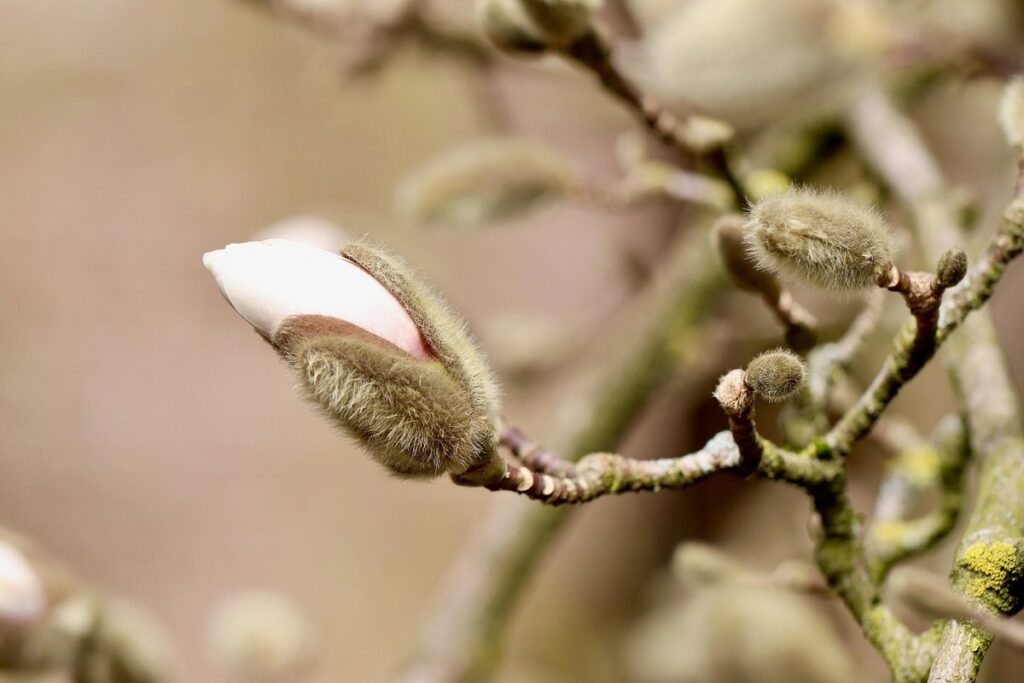
Introduction to Spring-Blooming Shrubs
As we welcome spring, it’s a great time to explore shrubs that burst into vibrant bloom, adding color and beauty to your garden. This section focuses on the best varieties for stunning spring flowers.
Understanding the Importance of Spring Blooms
Spring-blooming shrubs bring a burst of color and vibrancy to gardens and landscapes during one of the quietest times of the year. As winter’s chill begins to fade, these shrubs awaken from their dormant state, producing an array of beautiful blooms that attract pollinators and delight gardeners.
One of the primary reasons spring-blooming shrubs are so valuable is their role in attracting pollinators like bees, butterflies, and hummingbirds. These essential creatures rely on flowers for nectar, a crucial source of energy to fuel their migrations and reproductive cycles. By incorporating spring-blooming shrubs into your garden, you can provide a vital food source for these beneficial insects.
Additionally, spring-blooming shrubs add a much-needed splash of color during the typically drab early-spring period. They burst forth with vibrant blooms, often in shades of pink, purple, and yellow, which help to soften the harsh lines of winter’s skeletal trees and shrubs. By choosing a mix of early- and late-blooming varieties, you can enjoy a prolonged display of color that extends into spring’s warmer months.
Choosing the Right Shrubs for Your Climate
Choosing the right shrub for your climate is crucial for ensuring it thrives and provides beautiful blooms. When selecting spring-blooming shrubs, consider the hardiness zone of your area. Check your local USDA Hardiness Zone map to determine which zones correspond to your region. For example, if you live in a temperate climate with mild winters, look for shrubs that thrive in zones 5-7.
Another factor to consider is soil type and sunlight requirements. Different shrubs have unique needs when it comes to moisture levels and sun exposure. Some shrubs prefer well-draining soils, while others can tolerate wet conditions. Ensure the shrub you choose matches your soil’s pH level and drainage characteristics. Also, take note of how much sunlight your garden receives – some shrubs require full sun, while others prefer partial shade.
To make an informed decision, research the specific needs of popular spring-blooming shrubs like lilacs (Syringa spp.), flowering quince (Chaenomeles spp.), and azaleas (Rhododendron spp.). Look for shrubs that fit within your climate’s tolerances to ensure optimal growth and blooming.
Top 10 Spring-Blooming Shrub Species
As you plan your garden, discover our top picks for stunning spring-blooming shrubs that will add vibrant color and beauty to your outdoor space. From compact options to larger varieties, we’ve got you covered!
1. Rhododendrons: A Classic Choice
When it comes to classic spring-blooming shrubs, rhododendrons are a timeless choice. These stunning flowering plants offer an array of characteristics that make them a popular pick among gardeners. There are over 1,000 species of rhododendrons, but some of the most common varieties include the PJM Rhododendron and the Roseum Elegans.
These shrubs typically bloom in late spring to early summer, producing vibrant flowers in shades of pink, purple, white, and red. The PJM Rhododendron is a low-maintenance option that tolerates heat and humidity well, while the Roseum Elegans prefers cooler temperatures and acidic soil.
To care for your rhododendrons, make sure to plant them in well-draining acidic soil with full sun to partial shade. Water regularly, but avoid overwatering, which can lead to root rot. Mulch around the base of the plant to retain moisture and suppress weeds. With proper care, rhododendrons can thrive for decades, providing beautiful spring blooms year after year.
2. Azaleas: Vibrant Blooms in a Range of Colors
When it comes to vibrant spring blooms, azaleas are a standout choice. These stunning shrubs offer a range of colors that can add depth and beauty to any garden. There are several species of azalea, each with its unique features, growth habits, and flower colors.
The Rhododendron genus, which includes azaleas, boasts over 800 varieties worldwide. In terms of flower color, azaleas come in an array of hues from soft pastels to bold brights. You can find white, pink, yellow, orange, red, and purple azalea blooms, with some species even displaying bi-colored or tri-colored flowers.
Azaleas are relatively low-maintenance shrubs that prefer well-drained acidic soil and partial shade. They typically grow between 2-10 feet tall, making them an excellent choice for smaller gardens or borders. To ensure your azaleas thrive, choose a location with morning sun and afternoon shade to prevent scorching.
When selecting an azalea variety, consider the specific growing conditions in your garden. For example, if you live in an area with high temperatures, look for heat-tolerant azalea species like R. luteum or R. canescens.
3. Weigela: Drought-Tolerant and Beautiful
Weigela is a stunning option for gardeners seeking drought-tolerant and beautiful shrubs. These deciduous flowering shrubs produce vibrant trumpet-shaped blooms in shades of pink, red, white, and yellow, typically from late spring to early summer. Weigela’s adaptable nature makes it perfect for zones 4-8, thriving in well-draining soil with full sun to partial shade conditions.
When selecting a Weigela variety, consider factors such as growth habit, bloom time, and foliage characteristics. For instance, ‘Florida Sunshine’ is an excellent choice for gardeners seeking vibrant yellow blooms, while ‘Red Prince’ offers deeper red flowers with dark green leaves. To ensure optimal growth and blooming performance, provide your Weigela with regular watering during its first year of establishment.
Prune your Weigela in late winter or early spring to promote new growth and encourage blooming. Remove any dead or damaged branches, and trim back overgrown sections to maintain a balanced shape. With proper care, Weigela shrubs can grow up to 8-10 feet tall and wide, making them an ideal addition to hedges, borders, or containers.
Shrubs for Specific Garden Styles
Whether you’re going for a rustic, country vibe or a sleek, modern look, we’ve got shrub recommendations to complement your unique garden style perfectly. From classic cottage gardens to minimalist landscapes, discover our top picks.
Tropical and Exotic Gardens: Hibiscus and Bougainvillea
When it comes to creating tropical and exotic gardens that burst with spring flowers, two shrubs stand out from the rest: hibiscus and bougainvillea. These vibrant blooms are perfect for warm climates, where temperatures rarely drop below 50°F (10°C). In fact, they thrive in conditions between 64°F (18°C) and 90°F (32°C), making them ideal for subtropical environments.
Hibiscus shrubs, with their large, showy flowers, come in a variety of colors, including pink, orange, yellow, and red. They can grow up to 15 feet tall and wide, providing a stunning backdrop for any garden. Bougainvillea, on the other hand, boasts delicate, papery bracts that add a touch of whimsy to your garden. This thorny shrub can reach heights of up to 30 feet, but with regular pruning, it can be kept compact.
To get the most out of these tropical beauties, remember to plant them in well-draining soil and full sun. Water regularly, but avoid overwatering, which can lead to root rot. With proper care, hibiscus and bougainvillea will produce an abundance of spring flowers that will attract pollinators and add a pop of color to your garden.
Formal Gardens: Camellias and Gardenias
In formal gardens, shrubs like camellias and gardenias take center stage with their elegant appearance. These flowering shrubs are perfect for adding a touch of sophistication to your outdoor space.
Camellias, for instance, boast large, showy flowers that bloom from fall to spring in shades of pink, red, and white. With over 3,000 species to choose from, you’re spoiled for choice when it comes to selecting the right camellia variety for your garden. Consider planting a camellia tree or shrub near a patio or seating area where its blooms can be fully appreciated.
Gardenias, on the other hand, are known for their fragrant white flowers that bloom in late spring and early summer. These evergreen shrubs prefer well-drained soil and partial shade, making them an excellent choice for gardeners who want low-maintenance plants. When planting gardenias, make sure to provide enough space between each plant – about 6-8 feet apart.
To incorporate camellias and gardenias into your formal garden design, consider grouping similar species together or mixing them with other flowering shrubs like azaleas and rhododendrons.
Maintenance and Care for Spring-Blooming Shrubs
To keep your spring-blooming shrubs looking their best, it’s essential to provide regular maintenance and care during this growth period. This includes pruning, watering, and fertilizing for optimal results.
Watering and Fertilization Strategies
Water is essential for shrub growth, but overwatering can lead to root rot and kill your plant. To water spring-blooming shrubs effectively, check the soil moisture by sticking your finger into it up to about 2-3 inches deep. If the soil feels dry, it’s time to water. Water thoroughly until you see water seeping from the drainage holes in the pot.
As for fertilization, use a balanced fertilizer (10-10-10 NPK) during the growing season to promote healthy growth and blooming. However, avoid overfertilizing as this can cause excessive foliage growth at the expense of blooms. Instead, opt for an acidic fertilizer (pH 5.5-6.0) in areas with alkaline soil. Fertilize your shrubs every 2-3 months from early spring to late summer.
Some additional tips include:
• Water in the morning or evening when possible to minimize evaporation and prevent scorching.
• Mulch around the base of the plant to retain moisture, suppress weeds, and regulate soil temperature.
• Avoid fertilizing newly planted shrubs for at least a year as this can cause unnecessary stress.
Pruning Techniques for Maximum Bloom Potential
Pruning is an essential part of maintaining shrubs with spring flowers. When done correctly, it can encourage maximum bloom potential and promote healthy growth. Different shrub species require specific pruning techniques and schedules to optimize flower production.
For example, azaleas and rhododendrons should be pruned immediately after blooming, as cutting back the spent flowers will stimulate next year’s blooms. On the other hand, hydrangeas benefit from late winter or early spring pruning, which helps control their size and encourages more blooms.
To determine the best pruning schedule for your shrubs, consider their growth habits and bloom cycles. Some shrubs, like forsythia and lilac, require minimal pruning to maintain their natural shape. Others, such as weigela and spirea, benefit from regular shaping and pruning to promote a full, bushy habit.
When pruning, always remove any dead, diseased, or damaged branches first. Then, cut back overgrown stems to about one-third of their length. Make clean cuts just above a bud or a lateral branch, using sharp, sterile pruning tools to minimize damage and prevent the spread of disease. By pruning your shrubs at the right time and in the right way, you’ll be rewarded with an abundance of colorful blooms come springtime.
Troubleshooting Common Issues
We’ve all experienced problems with our shrubs, and it’s frustrating when blooms don’t materialize. Let’s dive into common issues and their solutions to get your spring-flowering shrubs thriving again!
Pests and Diseases: Identification and Control
As you enjoy the vibrant blooms of your spring-flowering shrubs, it’s essential to keep an eye out for common pests and diseases that can compromise their health. One of the most notorious culprits is spider mites, which feed on plant sap, causing yellowing leaves and distorted growth. Regularly inspect your shrubs for fine webbing or tiny moving dots – if you spot either, treat with neem oil or insecticidal soap.
Root rot, caused by overwatering, is another problem that can be devastating. To prevent it, ensure good drainage in the soil and avoid watering during periods of drought. Also, watch out for signs like wilting, yellowing leaves, and soft, mushy stems – if you notice any, adjust your watering schedule immediately.
Fungal diseases like powdery mildew and rust can also affect spring-blooming shrubs. To manage these, use fungicides containing sulfur or copper according to the product’s instructions. Prune infected areas carefully, disinfecting your tools between cuts, to prevent spreading the disease further.
By monitoring for pests and diseases regularly and taking prompt action when issues arise, you’ll be able to maintain the beauty and health of your spring-flowering shrubs, ensuring a stunning display of blooms year after year.
Soil-Related Problems: Correction Methods
When it comes to shrubs with spring flowers, soil-related problems can be a major issue. Poor soil quality, inadequate drainage, and nutrient deficiencies can all impact the health and blooming potential of these beautiful plants.
One common problem is soil compaction, which can prevent roots from growing deep into the soil, starving the plant of essential nutrients. To correct this, dig in some organic matter like compost or well-rotted manure to improve drainage and aeration. You can also try aerating the soil with a fork to loosen compacted areas.
Another issue is nutrient deficiencies, which can manifest as yellowing leaves or stunted growth. A soil test will help you identify any nutrient gaps, but in general, shrubs benefit from regular applications of balanced fertilizer. Be sure to follow the manufacturer’s instructions and avoid over-fertilizing, which can damage the plant’s roots.
For example, the popular Weigela ‘Monet’ is prone to root bound conditions if its soil isn’t regularly refreshed with new compost. By doing so, you’ll be providing your shrub with a healthy environment for growth and blooming.
Conclusion and Next Steps
Now that you’ve discovered the perfect shrubs for your garden, let’s review what you’ve learned and explore how to care for them throughout their blooming seasons.
Recap of Key Takeaways
When it comes to choosing the perfect shrubs for spring flowers, there are several key takeaways to keep in mind. First and foremost, consider the climate and hardiness zone where you live. This will ensure that the shrub is well-suited for the local weather conditions.
Additionally, think about the level of care your chosen shrub requires. Some shrubs are low-maintenance and can thrive with minimal watering and pruning, while others need more attention. It’s essential to choose a shrub that fits your lifestyle and maintenance schedule.
In our guide, we highlighted several beautiful shrubs that bloom in the spring, including the Lilac, Weigela, and Rhododendron. These plants are not only stunning but also relatively easy to care for. By incorporating these key takeaways into your decision-making process, you can create a stunning display of blooming beauty in your garden. Remember to choose shrubs that match your climate, maintenance level, and desired level of care.
Encouragement to Explore Further Resources
As you’ve discovered the world of shrubs with spring flowers, we’re confident that you’ll want to learn more about these stunning plants. There’s a wealth of knowledge and resources available online, in books, and at local nurseries and gardening clubs. If you’re eager to dive deeper into the world of blooming shrubs, here are some suggestions for further exploration.
Start by checking out reputable websites such as the Royal Horticultural Society (RHS) or the National Gardening Association (NGA), which offer a wealth of information on specific shrub varieties, growing tips, and care advice. You can also explore online plant forums and social media groups to connect with fellow gardening enthusiasts and get real-time advice on your particular questions.
For in-depth knowledge, consider consulting a comprehensive guide like the “Shrub Bible” or “The New Sunset Western Garden Book”. These books are packed with detailed information on shrub species, planting techniques, and troubleshooting tips. Additionally, don’t be afraid to visit local nurseries and gardening clubs to ask questions and get hands-on advice from experienced growers. By exploring these resources, you’ll become an expert in your own right, able to choose the perfect blooming shrubs for your garden.
Frequently Asked Questions
Can I plant spring-blooming shrubs at any time of the year?
While spring is an ideal time to plant new shrubs, you can also plant in fall or early winter, depending on your climate and the specific variety. However, it’s essential to choose a time when the weather is cool and rainfall is consistent, which helps reduce transplant shock. Research the specific needs of the shrub species you’re planting.
How do I protect my spring-blooming shrubs from extreme weather conditions?
Spring-blooming shrubs can be sensitive to heatwaves, droughts, or frost. To protect them, ensure they receive sufficient watering and mulch around the base to retain moisture. For warmer climates, consider providing shade for your plants during peak sun hours. In areas prone to frost, wrap plants with burlap or bring potted shrubs indoors.
What are some common mistakes people make when choosing spring-blooming shrubs?
Some common errors include selecting shrubs that don’t thrive in their specific climate zone and ignoring the mature size of the plant, leading to overcrowding. It’s also essential to consider the color palette and texture contrast you want to achieve in your garden.
How often should I fertilize my spring-blooming shrubs?
The frequency of fertilization depends on the type of fertilizer used and the specific needs of your plants. As a general rule, apply a balanced, slow-release fertilizer in early spring and again after blooming has ended, when new growth begins. Avoid over-fertilizing, as this can lead to weak growth.
Can I propagate my own spring-blooming shrubs through cuttings or division?
Yes, many spring-blooming shrub species can be propagated through softwood cuttings in the spring or summer months. Research specific techniques for your chosen variety, and ensure you take healthy, disease-free material. Division is also an effective method, especially for older plants that have outgrown their containers.