
Are you looking to add some color and vibrancy to your garden? Pink shrubs are a fantastic choice, offering stunning blooms that can add year-round interest to your outdoor space. Not only do they provide a beautiful pop of color, but they also require relatively low maintenance compared to other flowering plants. However, with so many varieties to choose from, it can be overwhelming to select the right one for your garden. This is where expert advice comes in handy! In this article, we’ll take you through the best pink shrubs for your garden, provide tips on how to care for them, and share design ideas to create a stunning landscape that’s tailored to your climate and soil type. Whether you’re a seasoned gardener or just starting out, our expert advice will help you choose the perfect pink shrub for your outdoor space.
Choosing the Right Pink-Shrub Variety
When selecting a pink-flowering shrub, you’ll want to consider factors like growth habits, flowering times, and climate adaptability to ensure it thrives in your garden. This section will walk you through key considerations for making an informed decision.
Understanding Different Types of Pink Shrub Flowers
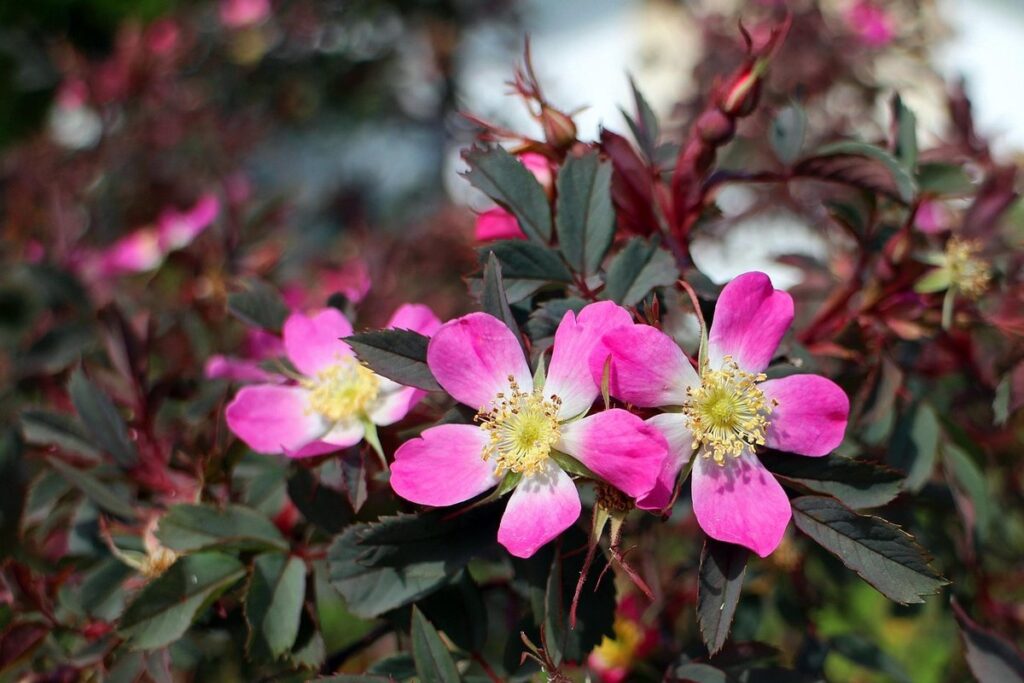
When it comes to choosing the perfect pink-shrub variety for your garden, understanding the different types of pink flowers is crucial. Pink shrub flowers come in a wide range of shades, from soft pastel hues to vibrant hot pinks.
On one end of the spectrum, light pastel shades like pale pink, blush, and mauve add a delicate touch to any landscape. These soft pink blooms are often found in shrubs like Weigela, Rhododendron, and Azalea. For example, the Weigela ‘Monet’ features pale pink flowers with golden centers, creating a stunning contrast that’s perfect for adding visual interest to your garden.
On the other end of the spectrum, vibrant hot pinks are sure to make a statement. These bold blooms can be found in shrubs like Hibiscus, Rose, and Camellia. For instance, the Camellia ‘Pink Perfection’ boasts large, showy flowers with a deep pink color that’s perfect for adding a pop of color to your garden.
When selecting a pink-shrub variety, consider the overall style and tone you want to achieve in your landscape. Do you prefer delicate pastels or bold hot pinks? By understanding the different types of pink flowers found in shrubs, you’ll be able to make an informed decision that suits your taste and garden design.
Selecting a Pink Shrub Based on Climate and Soil Type
When selecting a pink shrub, it’s essential to consider its climate and soil type preferences. Different regions have unique conditions that can impact a plant’s growth and maintenance needs.
For warm climates with mild winters, choose shrubs like the Rose of Sharon or the Camellia sasanqua. These varieties thrive in temperatures above 60°F (15°C) and are relatively low-maintenance. In contrast, cooler climates require shrubs adapted to frost and chilly conditions. The Weigela florida and the Kerria japonica are excellent choices for these regions.
Soil type also plays a significant role in pink shrub growth. For acidic soils, consider varieties like the Rhododendron or the Azalea. These plants prefer a pH range between 5.5 and 6.5. On the other hand, alkaline soils are suitable for shrubs like the Hibiscus syriacus or the Lavatera.
When selecting a pink shrub, research its specific climate and soil requirements to ensure it thrives in your garden. This will save you time and effort in the long run by preventing potential problems with plant health and survival.
Care and Maintenance Tips for Pink Shrubs
To keep your pink shrubs looking their best, you’ll want to follow some essential care and maintenance tips to ensure they thrive in your garden year-round. With these simple steps, you’re on your way to stunning blooms!
Watering and Fertilization Requirements for Pink Shrubs
When it comes to watering and fertilizing pink shrubs, getting it right is crucial for promoting healthy growth and encouraging those beautiful blooms. Over-watering can be detrimental, so make sure to check the soil moisture by inserting a finger into the soil up to the first knuckle. If the soil feels dry, it’s time to water your shrub.
Water your pink shrubs thoroughly during their active growing season (spring-fall) and reduce watering in winter months when they’re dormant. Also, consider using drip irrigation or soaker hoses to deliver water directly to the roots, reducing evaporation and runoff.
As for fertilization, a balanced fertilizer with equal parts nitrogen, phosphorus, and potassium will promote healthy growth and blooming. Feed your pink shrubs during the growing season (spring-fall) with a slow-release fertilizer that provides nutrients over an extended period. For example, apply a 10-10-10 NPK fertilizer in early spring and again after summer pruning.
Don’t forget to fertilize the soil, not just the leaves! Use a compost or well-balanced fertilizer to promote root development and encourage new growth.
Common Pests and Diseases Affecting Pink Shrubs
Pink shrubs are not immune to pests and diseases that can damage their leaves, flowers, and overall health. Some common issues you may encounter include aphids, whiteflies, and spider mites, which can be controlled with insecticidal soap or neem oil. Scale insects, on the other hand, require a more targeted approach, often involving systemic pesticides.
Diseases like powdery mildew, root rot, and leaf spot can also affect pink shrubs. To prevent these issues, ensure your plant receives sufficient air circulation and maintain a consistent watering schedule to avoid overwatering. Fungal diseases thrive in humid environments, so consider using a fungicide if you notice any signs of infection.
Regular inspections are crucial for early detection. Check the undersides of leaves and stems for pests and inspect for discoloration or unusual growth patterns that could indicate disease. If you catch issues promptly, you can often prevent them from spreading with targeted treatments. For severe cases, consider pruning infected areas to contain the problem and promote healthy regrowth.
Design Ideas for Incorporating Pink Shrubs in Your Garden
Adding a pop of color and charm, pink shrubs can be incorporated into your garden design through creative placement and pairing with complementary flowers. Let’s explore some inspiring ideas for you to try!
Pairing Pink Shrubs with Companion Plants
When it comes to designing a garden featuring pink shrubs, pairing them with complementary plants can elevate their beauty and create a stunning visual effect. To achieve this, consider combining pink shrubs with perennials that share similar growing conditions or bloom at different times to provide year-round interest.
For example, pair vibrant pink azaleas with low-maintenance hostas, which provide foliage contrast and interest during the spring and summer months when the azaleas are dormant. Alternatively, combine pastel pink roses with delicate coral bells (Heuchera) for a romantic, whimsical look.
When selecting companion plants, consider factors such as light requirements, watering needs, and mature plant size to ensure harmonious coexistence. Annuals like petunias or snapdragons can add a pop of color to your garden when planted alongside pink shrubs, while grasses like pampas or blue oat provide textural contrast.
By carefully choosing companion plants that complement the beauty of pink shrubs, you’ll create a visually appealing and dynamic garden design.
Using Pink Shrubs in Hedges and Borders
When it comes to creating beautiful hedges and borders in your garden, pink shrubs are an excellent choice. Not only do they add a pop of color, but their compact growth habit makes them perfect for defining spaces and adding texture. To use pink shrubs effectively in hedges and borders, consider the following tips:
* Choose a variety that is suitable for hedging or border work, such as Viburnum x burkwoodii ‘Buckland’ or Weigela florida ‘Aurora’. These plants have a compact growth habit and produce plenty of flowers.
* Plant pink shrubs in a staggered pattern to create a natural, informal look. This is particularly effective when using smaller varieties like Rosemary or Lavender.
* Consider layering different heights and textures within your border to add depth and visual interest. For example, plant tall shrubs like Hydrangea paniculata ‘Phantom’ in the background and shorter varieties like Camellia sasanqua ‘Setrag’ towards the front.
By following these tips, you can create stunning hedges and borders that showcase the beauty of pink shrubs all season long.
Benefits of Incorporating Pink Shrubs into Your Landscape Design
Adding pink shrubs to your landscape design not only boosts curb appeal but also provides numerous benefits for you and the environment, including wildlife support.
Attracting Pollinators with Pink-Shrub Varieties
When it comes to creating a thriving garden ecosystem, attracting pollinators is crucial. These beneficial insects play a vital role in plant reproduction, and without them, many plants would be unable to produce seeds. Pink shrubs can be an excellent addition to your garden, not only for their vibrant blooms but also for their ability to attract pollinators.
Pink-flowering shrubs like Rose Mallow (Hibiscus syriacus) and Weigela are magnets for bees, butterflies, and hummingbirds. These shrubs produce nectar-rich flowers that provide a valuable source of energy for these insects. By incorporating pink shrubs into your garden design, you can create a pollinator-friendly environment that’s teeming with life.
To maximize the pollinating potential of your pink shrubs, choose varieties that are rich in nectar and pollen. Consider planting a mix of early-blooming shrubs like Rhododendron and Camellia to attract pollinators when they’re most active. By creating a welcoming environment for these beneficial insects, you’ll be rewarded with a vibrant and diverse garden ecosystem that’s full of life and beauty.
Using Pink Shrubs for Year-Round Interest
One of the greatest benefits of incorporating pink shrubs into your landscape design is their ability to provide year-round interest. While the vibrant blooms are certainly a delight, many pink shrubs also offer attractive foliage, bark, and structure that can add visual appeal even when they’re not in flower.
For example, the ‘Pink Perfume’ rose bush boasts delicate pink flowers in the spring and summer, but its glossy, dark green leaves remain a striking feature throughout the growing season. Meanwhile, the Coral Bark Maple’s stunning coral-red stems provide a pop of color against the winter snows, long after the last petals have fallen.
To maximize your shrub’s visual interest, consider incorporating a mix of deciduous and evergreen varieties into your design. This will ensure that there is always something to enjoy, regardless of the season. For instance, pair a flowering pink shrub like ‘Pink Beauty’ with a conical-shaped evergreen like ‘Little Gem’ to create a dynamic year-round display.
Troubleshooting Common Issues with Pink Shrubs
Don’t worry if your pink shrub isn’t performing as expected – we’ve got you covered! This section tackles common issues and offers practical solutions to get your plants thriving again.
Identifying the Causes of No Blooms or Poor Growth
When pink shrubs fail to bloom or grow well, it can be frustrating and disappointing. But identifying the causes is often easier than you think. Start by inspecting your plant’s growing conditions. Make sure it’s receiving enough sunlight – most pink shrubs need at least 6 hours of direct sun per day. Also, check if the soil pH is within the recommended range for your specific variety.
If the soil is too alkaline or acidic, it can affect nutrient availability and cause poor growth. A simple pH test kit can help you determine the current pH level. If necessary, adjust the soil pH by adding sulfur to lower it or lime to raise it.
Another common issue is inadequate watering. Pink shrubs typically prefer well-drained soil and may suffer from root rot if waterlogged. Check the soil moisture regularly and avoid overwatering, which can be detrimental to plant health. Regular fertilization can also promote healthy growth and encourage blooming. Use a balanced fertilizer in spring or fall according to the manufacturer’s instructions.
Monitor your pink shrub for signs of pests or diseases that might affect its ability to bloom or grow well. Regularly inspect leaves, stems, and flowers for any abnormalities and take prompt action if you notice anything unusual.
Resolving Problems with Shrub Size or Shape
When it comes to pruning pink shrubs, the primary goal is to control their size and shape while maintaining their beauty. Regular pruning can help keep your shrub in check, preventing it from becoming too leggy or overgrown.
To start, identify the type of pruning needed for your specific shrub species. Some pink shrubs, like rose bushes, require more frequent pruning to maintain a compact shape, while others, such as weigela, may only need occasional pruning to control their size. Prune your shrub in late winter or early spring when new growth begins, removing any dead, diseased, or damaged branches.
For shaping purposes, focus on cutting back the longest stems to encourage bushy growth and prevent legginess. Cut just above a node (where a leaf meets the stem), as this will help promote healthy new growth. Use clean, sharp pruning tools to avoid spreading diseases and make precise cuts.
When controlling size, prune about one-third of the shrub’s branches each year, working from the bottom up to maintain balance and prevent water stress. By incorporating regular pruning into your maintenance routine, you’ll be able to enjoy a vibrant, well-shaped pink shrub for years to come.
Conclusion: Adding Beauty and Value with Pink Shrubs
In conclusion, incorporating pink-flowering shrubs into your garden design can add a pop of color and vibrancy that’s hard to resist. Not only do these lovely plants bring beauty to any outdoor space, but they also offer numerous benefits for the environment and local wildlife. For instance, many pink-flowering shrubs are drought-tolerant or require minimal maintenance, making them perfect for busy homeowners who want to enjoy a stunning garden without breaking the bank. To maximize their value, consider combining pink shrubs with complementary plants that share similar growing conditions and color palettes. This thoughtful approach will result in a cohesive and breathtakingly beautiful landscape that showcases your personal style.
Frequently Asked Questions
What’s the best way to protect pink shrubs from extreme weather conditions?
While most pink shrub varieties are relatively hardy, they can still be sensitive to intense heatwaves, frost, or heavy rainfall. To ensure their survival, consider using protective mulch around the base of your plants and pruning them back slightly before winter to prevent damage.
Can I grow pink shrubs in containers if I have limited garden space?
Yes! Many pink shrub varieties can thrive in pots, making them an excellent choice for compact gardens or balconies. Just ensure the container is at least 12-18 inches deep to provide enough room for root growth and choose a well-draining potting mix to prevent waterlogged soil.
How do I troubleshoot if my pink shrubs aren’t blooming as expected?
If your pink shrubs are failing to bloom, check their watering and fertilization schedules. Make sure they’re receiving the right amount of sunlight (most need at least 6 hours of direct sun) and that their soil pH is within the optimal range for their specific variety.
Can I mix different types of pink shrubs with other flowering plants in my garden?
Absolutely! Pink shrubs pair beautifully with a wide range of companion plants, such as lavender, rosemary, or coneflowers. When selecting companion plants, consider their growth habits and flowering times to create a cohesive and visually appealing landscape.
How often should I prune pink shrubs for optimal blooming and maintenance?
Prune your pink shrubs in late winter or early spring to encourage new growth and promote more blooms. Remove any dead or damaged branches, then shape the plant as desired. After that, only prune them lightly during the growing season to maintain their natural form and prevent over-pruning, which can reduce blooming.