
Are you looking to add a pop of color and attract some wildlife to your garden? Look no further than shrubs with vibrant orange berries! These stunning plants are perfect for adding a splash of autumnal warmth to your landscape, and their juicy fruits will be a hit with birds and other wildlife. But before you start shopping, you’ll want to know how to choose the right shrub for your space, as well as how to care for it so that it thrives. In this article, we’ll take a closer look at some of the best shrubs with orange berries, from compact varieties perfect for small gardens to larger shrubs that make a statement in any landscape design. We’ll also share tips on how to use these plants effectively and what to expect when growing them in your garden.
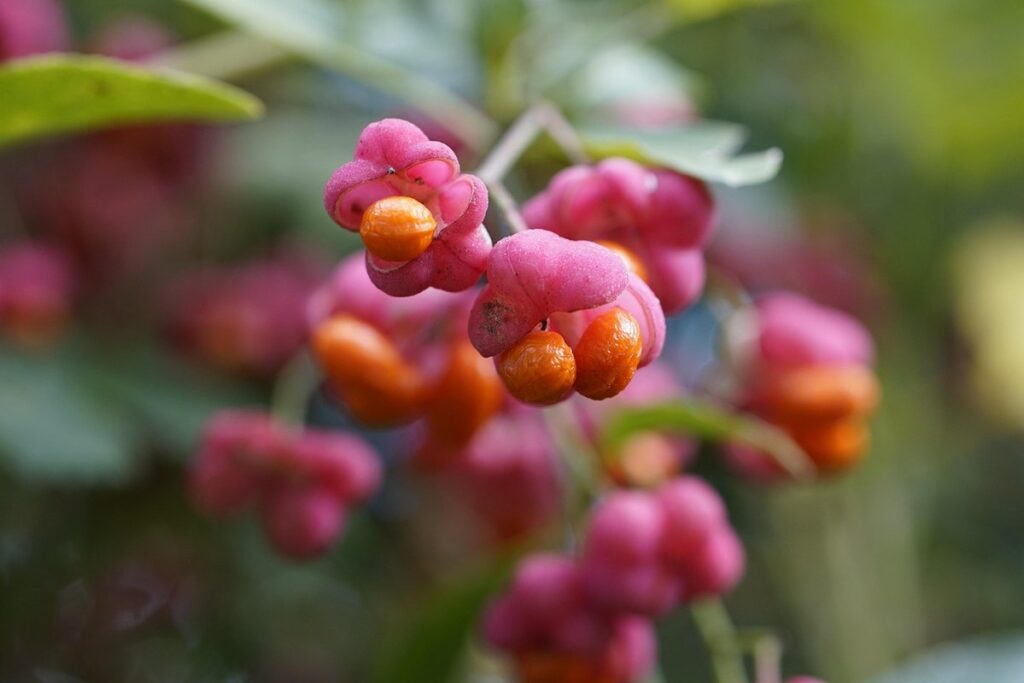
Choosing the Right Shrub
Now that you’ve learned which shrubs produce stunning orange berries, it’s time to choose the perfect one for your garden. Here’s how to pick a shrub that thrives in your climate and conditions.
Factors to Consider Before Selecting a Shrub
When selecting a shrub that produces orange berries, it’s essential to consider several key factors. The climate and soil type of your region will significantly impact the growth and health of your chosen shrub. For instance, if you live in an area with hot summers and cold winters, you’ll want to choose a shrub that can tolerate extreme temperatures. Similarly, if your soil is alkaline or acidic, you’ll need to select a shrub that thrives in those conditions.
Maintenance needs are also crucial to consider. Some orange-berry producing shrubs require regular pruning, while others may be more low-maintenance. Think about the amount of time and effort you’re willing to dedicate to your shrub’s upkeep. Consider factors such as watering needs, fertilization requirements, and pest or disease resistance. For example, if you live in an area prone to droughts, choose a shrub that is tolerant of dry conditions. By carefully evaluating these factors, you can select the perfect orange-berry producing shrub for your garden.
Popular Types of Shrubs with Orange Berries
When it comes to shrubs with orange berries, several popular varieties stand out for their vibrant colors and low-maintenance care. Pyracantha is a top choice, boasting bright orange-red berries that persist into winter. This dense, thorny shrub thrives in well-drained soil and full sun, making it an ideal specimen for coastal gardens or hedges.
Another option is Photinia, which produces clusters of small, orange berries against dark green foliage. With over 50 species to choose from, Photinia offers a range of growth habits and sizes, allowing you to tailor your selection to specific garden needs. Be aware that some varieties can be invasive in certain regions; always check local regulations before planting.
Lastly, Callicarpa is a lesser-known but highly rewarding choice for orange berry enthusiasts. This tropical shrub produces stunning purple berries on bright green stems during the fall season. As it prefers partial shade and moist, well-drained soil, Callicarpa makes an excellent addition to woodland gardens or shaded areas.
Identification and Care
To properly care for your shrub, you’ll first need to identify its specific needs based on the type of orange berry shrub you have. This requires attention to factors like soil and sunlight requirements.
Recognizing Orange-Berry Producing Shrubs
When it comes to identifying shrubs that produce orange berries, it’s essential to know what to look for. Start by examining the overall shape and size of the leaves. Shrubs with orange berries typically have dark green, glossy leaves that are usually oval or lance-shaped. The leaf margins may be entire or toothed, but they’re often relatively small compared to other shrub species.
Next, focus on the fruit itself. Orange berries are usually small, spherical, and often clustered together in a panicle or raceme. They may have a waxy or powdery coating, which can make them appear more vibrant. Some common characteristics of orange berries include being relatively small (about 1-2 cm in diameter), having a smooth or slightly bumpy surface, and being attached to a stalk that’s at least as long as the berry itself.
To accurately identify shrubs with orange berries, it’s crucial to observe these botanical features up close. This is especially important if you’re considering adding one of these shrubs to your garden or landscape. By taking the time to carefully examine their leaves and fruit, you can ensure that you’re providing the right growing conditions for a healthy and thriving plant.
Watering and Fertilization Needs
When it comes to caring for shrubs that produce vibrant orange berries, understanding their watering and fertilization needs is crucial. These plants generally prefer well-drained soil and moderate watering schedules.
Some shrubs with orange berries thrive in dry conditions and require less frequent watering. For instance, the Pyracantha shrub can tolerate some drought but will perform best when watered regularly during its first year of growth. In contrast, shrubs like the Orange Marmalade Holly prefer moist soil and consistent hydration to produce an abundance of orange berries.
In terms of fertilization, shrubs with orange berries typically benefit from a balanced fertilizer during the growing season. A 10-10-10 NPK ratio is suitable for most orange-berry producing shrubs. However, some species like the Ilex ‘Nellie R. Stevens’ may require more acidic soil and iron-based fertilizers to promote optimal berry growth.
Keep in mind that over-fertilization can be detrimental to these plants. A general rule of thumb is to fertilize your shrub once a year during its dormant season, typically from late winter to early spring. This will provide the necessary nutrients for healthy growth without promoting excessive foliage development at the expense of fruiting.
Pest and Disease Management
Managing pests and diseases is a crucial part of keeping your orange-berry shrubs healthy, so let’s dive into some effective strategies for prevention and treatment.
Common Pests Affecting Orange-Berries
Orange berries are a magnet for pests like aphids and spider mites. These tiny insects can quickly multiply and cause significant damage to your shrub’s leaves, stems, and, of course, its prized orange berries. Aphids, in particular, secrete a sticky substance called honeydew that attracts other pests and promotes the growth of sooty mold.
Prevention is key when it comes to managing pest populations on your orange berry shrubs. Keep an eye out for any signs of infestation, such as curled or distorted leaves, white powdery patches, or actual insects. Regularly inspect your plants during their active growing seasons and take action at the first sign of trouble.
To control aphid and spider mite populations, use a strong jet of water to blast them off the plant. You can also apply neem oil or insecticidal soap as a foliar spray, following the product’s instructions carefully. For severe infestations, consider using systemic pesticides that are specifically labeled for your type of shrub.
Some natural methods can be just as effective in keeping these pests at bay. Encourage beneficial insects like ladybugs and lacewings by planting companion plants like dill or fennel near your orange berry shrubs. Keep your soil healthy with regular fertilization, adequate watering, and a balanced pH level – this will make it difficult for pests to take hold.
Keep in mind that integrated pest management (IPM) is often the most effective approach. Combine different control methods, such as using physical barriers or introducing beneficial insects, to create a multi-faceted strategy against these common pests.
Diseases That Can Impact Orange Berries
Orange-berry producing shrubs can be susceptible to various diseases that can impact their health and productivity. Two common diseases affecting these shrubs are powdery mildew and root rot.
Powdery mildew is a fungal disease characterized by a white, powdery coating on the leaves of infected plants. It thrives in warm, humid environments with poor air circulation. To control powdery mildew, ensure good air circulation around your shrub by pruning nearby vegetation or installing a fan to circulate air. Remove any infected foliage and treat the plant with fungicides.
Root rot is another common disease affecting orange-berry producing shrubs, caused by overwatering or waterlogged soil. Symptoms include yellowing leaves, wilting, and blackened roots. To prevent root rot, avoid watering your shrub during periods of heavy rainfall and ensure that the soil drains well to prevent waterlogging. If you suspect your shrub is suffering from root rot, remove infected roots and repot the plant in fresh, well-draining soil.
Regular monitoring of your shrub’s health can help identify potential disease issues early on, allowing for prompt action to prevent further damage.
Ornamental Uses and Landscaping Ideas
When selecting shrubs for your outdoor space, considering their ornamental uses can greatly enhance its beauty. This section explores how to incorporate orange berry shrubs into your landscaping design.
Using Shrubs with Orange Berries in Landscape Design
When it comes to incorporating shrubs with orange berries into your landscape design, there are countless creative ways to do so. For instance, you can use these plants to create a stunning border around your garden beds. Simply plant a row of shrubs with orange berries on one side of the bed, and watch as they spill over onto the surrounding grass or other foliage. This not only adds a pop of color but also attracts beneficial wildlife like birds and butterflies.
Another idea is to use these shrubs as a hedge. Plant multiple rows of shrubs with orange berries, spaced evenly apart, to create a lush and vibrant barrier that blocks out unwanted views while drawing in visitors. Plus, the orange berries will add an extra layer of interest to your garden’s overall aesthetic. For smaller spaces or patios, consider using containers to grow these plants. Not only does this allow for flexibility in terms of placement, but it also showcases the beauty of the shrubs with orange berries up close.
When choosing which shrub with orange berries to incorporate into your design, remember that different varieties offer varying levels of berry production and foliage color. For instance, some shrubs produce more abundant berries while others have striking golden or copper-toned leaves. Consider these factors when selecting the perfect plants for your unique space.
Mixing with Other Plants for a Vibrant Display
When it comes to showcasing the vibrant beauty of orange berries on shrubs, mixing them with other plants can elevate the display into a stunning work of art. This technique is perfect for gardeners who want to add depth and visual interest to their landscaping.
Start by choosing companion plants that complement the orange berries in terms of color, texture, or growth habit. For instance, pair orange-berry producing shrubs like Itea virginica (Virginia sweetspire) with perennials like Black-eyed Susan (Rudbeckia hirta), which boasts bright yellow petals and a similar mid-summer bloom time.
Alternatively, combine shrubs like Calycanthus floridus (Carolina allspice) with plants that offer contrasting foliage textures, such as ornamental grasses or hostas. This will create a visually appealing tapestry of shapes, colors, and growth habits.
When selecting companion plants, consider the mature size of each plant to ensure they won’t overcrowd one another. Also, factor in their bloom times to ensure a continuous display of flowers and berries throughout the growing season.
Wildlife Attraction and Habitat Creation
When it comes to wildlife attraction, shrubs with orange berries are a haven for birds and other creatures that crave their sweet, juicy fruit. Learn how to create a welcoming habitat for these visitors in your own yard.
How Shrubs with Orange Berries Support Local Ecosystems
When it comes to supporting local ecosystems, shrubs with orange berries play a vital role. These shrubs are a haven for birds and small mammals, providing them with a rich source of food during the winter months when other resources may be scarce.
For instance, the bright orange berries of the Pyracantha or the Viburnum opulus are a favorite among robins and blue jays. The birds feed on these berries, helping to fuel their migration patterns and ensuring they have the energy reserves needed for the long journey ahead. Similarly, small mammals such as mice and squirrels also rely on shrubs with orange berries as a primary food source.
To support these ecosystems, responsible gardening practices are essential. This includes selecting native shrub species that thrive in your local climate, avoiding invasive species, and preserving natural habitats by not removing plants or animals from their environment unless absolutely necessary.
Designing a Shrub Garden That Supports Biodiversity
When designing a shrub garden that supports biodiversity, it’s essential to create a diverse and thriving ecosystem. By incorporating a mix of shrubs with orange berries, you can provide food and shelter for various wildlife species. To achieve this, consider the following principles:
Choose a variety of shrubs that bloom at different times to ensure a constant supply of nectar-rich flowers for pollinators like bees and butterflies. For instance, pair the autumn-flowering Viburnum x bodnantense with the spring-blooming Rhododendron luteum for a prolonged flowering period.
In terms of garden layout, create a layered structure by incorporating a mix of tall and low-growing shrubs. This will mimic natural habitats and provide sheltered spots for animals to hide from predators. For example, place a dense stand of the compact Cornus sericea alongside the towering Pyracantha coccinea.
Remember, it’s not just about the plants themselves; consider incorporating other features like water sources, logs, or rock piles to create a more welcoming environment for wildlife. By following these guidelines, you can transform your shrub garden into a thriving oasis that supports local biodiversity and provides endless enjoyment.
Frequently Asked Questions
How do I know if the shrub I’ve chosen will thrive in my specific climate?
When selecting a shrub with orange berries, it’s essential to consider your local climate and microclimate. Check the plant tag or consult with a nursery professional to ensure you’re choosing a variety that can tolerate your area’s temperature fluctuations.
Can I grow multiple types of shrubs with orange berries together?
Yes! Mixing different species of shrubs with orange berries can create a vibrant display of colors and textures. Just remember to choose plants with similar soil and sunlight requirements, and consider their mature sizes when planting them together.
What are some common pests that affect orange berry-producing shrubs?
Some common pests that target shrubs with orange berries include aphids, spider mites, and scale insects. Regularly inspect your plants for signs of infestation, and use organic or integrated pest management (IPM) methods to control any issues before they become severe.
How often should I fertilize my orange berry-producing shrub?
Fertilizing your shrubs with orange berries can promote healthy growth and fruiting. Feed them with a balanced fertilizer in the spring, following the manufacturer’s instructions for application rates and timing. For acid-loving plants like azaleas or rhododendrons, use an acidic fertilizer to maintain optimal soil pH.
Can I grow shrubs with orange berries in containers?
Yes! Many types of shrubs with orange berries can thrive in large containers, provided they receive sufficient sunlight (at least 4-6 hours direct sun) and have well-draining potting mix. Choose a container that’s at least 12-18 inches deep to accommodate the shrub’s root system.