
Are you tired of the same old green foliage in your garden? Well, we’ve got some exciting news for you! Introducing shrubs with colorful foliage, the perfect way to add some vibrancy and personality to your outdoor space. Not only do these stunning plants bring a pop of color to your garden design, but they’re also low maintenance and can thrive in various conditions. Whether you’re looking for flowering beauties or drought-tolerant stunners, we’ve got you covered. In this article, we’ll explore the top shrubs with colorful foliage, from compact designs perfect for small gardens to larger varieties that make a statement. We’ll cover how to choose and care for these gorgeous plants, ensuring they remain a beautiful addition to your garden all year round. Get ready to breathe new life into your outdoor space!
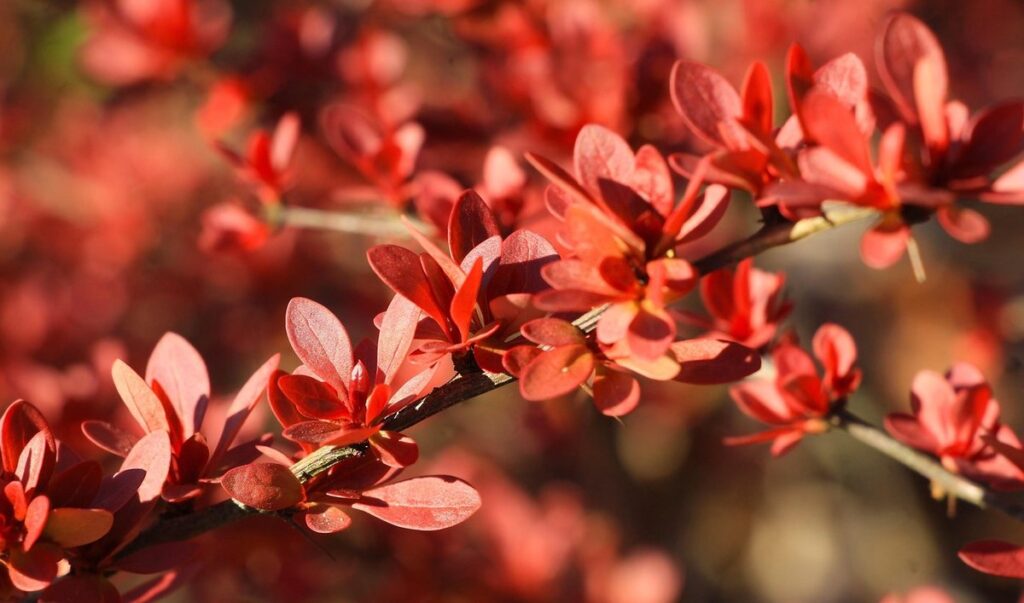
The Importance of Colored Foliage in Gardening
When designing a garden, colorful foliage can add an extra layer of beauty and interest to your outdoor space. In this section, we’ll explore why it’s such a vital element of gardening.
Benefits of Colorful Foliage
Colorful foliage can elevate your garden’s visual appeal, drawing the eye to its vibrant hues and textures. Not only does it add a splash of color, but it also attracts pollinators like bees and butterflies, which are essential for a healthy garden ecosystem. For instance, shrubs with golden or copper-colored leaves, such as the Golden Barberry (Berberis thunbergii) or Copper Beauty (Weigela florida ‘Copper Beauty’), can attract these beneficial insects.
But colorful foliage provides more than just visual interest – it also offers year-round appeal. Unlike perennials that may fade after blooming, shrubs with vibrant leaves stay looking their best throughout the growing season. Consider incorporating shrubs like the Red-Tip Photinia (Photinia fraseri) or the Purple Fountain Beech (Fagus sylvatica ‘Purple Fountain’), which maintain their foliage color even in the winter months.
To incorporate colorful foliage into your garden, choose a mix of plants with varying leaf colors and textures to create visual interest. Consider the mature size of each shrub and leave enough space for it to grow, as well as its sun and soil requirements to ensure optimal growth and color retention. By thoughtfully selecting and placing colorful foliage shrubs, you can add depth, vibrancy, and year-round appeal to your garden.
Types of Plants with Attractive Foliage
When it comes to adding vibrant accents to your garden, there are many types of plants with attractive foliage that can add visual interest and depth. Let’s start by exploring the different categories of plants with colored foliage.
One of the most striking examples is flowering shrubs, which display an explosion of color throughout their blooms. Consider shrubs like Camellia sasanqua, whose deep pink flowers are surrounded by glossy green leaves. Another example is Viburnum, which boasts a mix of white and pink flowers against its dark green foliage.
Non-flowering shrubs also offer a wealth of options for gardeners seeking colorful foliage. Take, for instance, the Purple Smoke Bush (Cotinus cog Ryus) with its striking, deep purple leaves that provide a stunning contrast to more muted foliage. For those who prefer something even bolder, consider the ‘Red Tip’ Photinia, whose bright red new growth is sure to make a statement.
Trees can also add an element of drama and color to your garden landscape. For example, the Red Maple (Acer rubrum) boasts vibrant red leaves that turn golden in the fall, while the Sweetgum Tree (Liquidambar styraciflua) displays bright yellow and orange foliage throughout its canopy.
Best Shrubs for Colorful Foliage
If you’re looking to add some vibrancy to your garden, these top picks for shrubs with colorful foliage are sure to impress. From bright pinks to deep purples, we’ve got you covered!
Top Picks: Vibrant Flowering Shrubs
If you’re looking for flowering shrubs that add a pop of color to your garden, we’ve got just the ticket. One of our top picks is the stunning Hydrangea, known for its vibrant blue and pink blooms. These gorgeous flowers are perfect for adding a focal point to your garden, and their large, showy petals make them a favorite among gardeners.
Another contender is the Azalea, which boasts delicate, funnel-shaped flowers in shades of pink, purple, and white. With over 10 species to choose from, you’re sure to find one that fits your color scheme and climate needs. And for those who love a good showstopper, the Rhododendron is a must-have, with its massive clusters of pink, purple, and red blooms that light up even the dullest garden.
When choosing a flowering shrub, remember to consider factors like sunlight, soil type, and maintenance requirements. With these top picks, you’ll be well on your way to creating a vibrant and colorful garden that’s the envy of all your neighbors!
Drought-Tolerant Options with Colored Foliage
When designing a garden with drought-tolerant shrubs featuring vibrant foliage, consider options like Lavender, Rosemary, and Boxwood. These plants not only conserve water but also add a pop of color to your outdoor space.
Lavender stands out for its silvery-gray leaves and ability to thrive in dry conditions. This low-maintenance shrub requires minimal watering and pruning, making it perfect for gardeners who want to reduce their upkeep responsibilities. Use it as a border or hedge to create a stunning visual effect in your yard.
Rosemary is another drought-tolerant option with attractive foliage. Its needle-like leaves have a beautiful blue-gray hue that adds depth and texture to your garden design. This herbaceous shrub can be pruned regularly to maintain its shape, promoting healthy growth and encouraging new leaf production.
Boxwood also deserves attention for its vibrant green or variegated foliage. It’s more adaptable to different environments compared to the other two options but still requires moderate watering and pruning. Use it as a statement piece in your garden by shaping it into intricate topiaries or hedges.
To incorporate these drought-tolerant shrubs with colorful foliage, choose varieties that fit your climate and soil conditions. Plant them in well-draining areas to prevent waterlogged roots, which can lead to root rot and other issues. By doing so, you’ll enjoy a low-maintenance garden filled with vibrant colors without excessive watering needs.
Non-Flowering Shrubs with Stunning Color
While many people focus on flowering shrubs, non-flowering varieties can bring just as much vibrancy to your garden with their stunning colored foliage. From deep reds to vibrant yellows, we’ll explore some of our favorites!
Evergreen Shrubs for Year-Round Interest
When it comes to adding year-round interest and structure to your garden, evergreen shrubs are an excellent choice. These plants offer a vibrant display of color even during the coldest winter months, making them perfect for creating a beautiful and dynamic outdoor space.
Take Holly (Ilex spp.), for example. With over 400 varieties to choose from, Holly offers a range of colorful foliage options in shades of green, gold, and purple. Its glossy leaves provide year-round interest, while its bright red berries add a pop of color during the winter months.
Another option is Arborvitae (Thuja occidentalis), which boasts dense, scale-like foliage that retains its vibrant green color throughout the seasons. Japanese Privet (Ligustrum japonicum) is also worth considering, with its dark green leaves and white or pink flowers in the summer.
To incorporate these evergreen shrubs into your garden design, consider planting them near entryways, along walkways, or as a hedge to create a stunning backdrop for other foliage plants. By selecting a mix of shapes, sizes, and colors, you can add depth and visual interest to your outdoor space while providing year-round structure and beauty.
Deciduous Shrubs with Fall Foliage
Deciduous shrubs are often overlooked when it comes to fall foliage, but they truly deserve some attention. One of the most striking options is the Burning Bush (Euonymus alatus), which turns a brilliant red color in autumn. Imagine adding this vibrant hue to your garden landscape for just a few short weeks each year.
Another great option is the Redbud shrub (Cercis canadensis). While it’s often thought of as a tree, there are several compact varieties that make excellent deciduous shrubs with fall interest. The leaves turn a beautiful golden yellow and sometimes even display a hint of pink or red.
For those looking for something a bit more exotic, consider Smokebush (Cotinus coggygria). Its delicate foliage turns a smoky purple color in the fall, adding depth and interest to any garden bed. To maximize their potential, choose shrubs with good air circulation to promote healthy growth and encourage optimal fall color display. By incorporating these deciduous shrubs into your garden design, you’ll add an extra layer of visual appeal without sacrificing year-round foliage interest.
Maintenance Tips for Colored Foliage Plants
To keep your colorful foliage shrubs looking their best, it’s essential to establish a regular maintenance routine that includes tasks such as pruning and fertilizing. By following these simple tips, you’ll be rewarded with vibrant colors year-round.
Watering and Soil Requirements
Watering colored foliage shrubs can be a delicate process. Overwatering is one of the most common mistakes gardeners make, which can lead to root rot and kill the plant. To avoid this, check the soil moisture by inserting your finger into the soil up to the first knuckle. If it feels dry, it’s time for watering.
The frequency of watering depends on factors like climate, soil type, and age of the plant. Typically, shrubs with colorful foliage require more frequent watering during hot summer months when the soil tends to dry out faster. A good rule of thumb is to water them once or twice a week, depending on your local weather conditions.
Choosing the right potting mix for your colored foliage shrub is also crucial. A well-draining mix will prevent waterlogged soil and root rot. You can also add organic matter like compost or perlite to improve drainage and fertility of the soil. For instance, adding 10% of perlite to a regular potting mix can make a significant difference in preventing waterlogged conditions.
Avoid watering during peak sun hours when the plant is most vulnerable to scorching. Water your shrubs early in the morning or evening for better results. Also, ensure that the soil isn’t too acidic or alkaline as it can affect the color and overall health of the foliage.
Pruning Techniques for Maximum Color Impact
When it comes to maintaining shrubs with colorful foliage, pruning is an essential technique to maximize their vibrancy. However, timing and technique are crucial to avoid damaging the plant’s natural beauty.
For deciduous shrubs like burning bushes (Euonymus alatus) and smoke bushes (Cotinus coggygria), prune them in late winter or early spring before new growth begins. This allows for a clean cut and encourages vigorous growth throughout the growing season. Use sharp, sterile pruning tools to make precise cuts, and remove any dead or damaged branches.
For evergreen shrubs like boxwood (Buxus sempervirens) and holly (Ilex spp.), prune in late spring or early summer after they’ve finished flowering. This helps maintain shape and encourages new growth. Be mindful of the plant’s natural form and avoid over-pruning, which can lead to stress and disease.
Timing is everything when it comes to pruning colored foliage plants. Prune too early, and you risk removing last season’s colors; prune too late, and new growth may be delayed. By understanding your shrub’s specific needs and pruning at the right time, you’ll enjoy maximum color impact all season long.
Designing a Colored Foliage Garden
When planning a colorful foliage garden, choosing the right shrubs is just the first step – it’s also crucial to consider the overall design and layout of your space. Consider how to arrange plants for maximum visual impact.
Creating a Cohesive Look
When designing a garden that showcases multiple shrubs with colorful foliage, it’s essential to create a cohesive look that balances different textures, colors, and growth habits. Start by selecting a unifying theme, such as a specific color palette or plant shape, to tie the various shrubs together.
Consider the mature size of each shrub and how they’ll interact with one another in terms of scale and texture. For instance, pair compact shrubs like ‘Red Tip’ Photinia with larger varieties like Burgundy Glow Barberry for visual interest and diversity.
To maintain harmony within your garden design, balance warm and cool colors by placing complementary foliage next to each other. This can be achieved by grouping warm-toned shrubs like burning bush (Euonymus alatus) with cool-toned ones like blue-leafed Smokebush (Cotinus cog Ryb).
Incorporating Colored Foliage into Existing Landscapes
Incorporating colored foliage plants into existing landscapes can be both challenging and rewarding. To successfully integrate these vibrant shrubs, consider their mature size and scale when choosing a location. A good rule of thumb is to leave at least 1-2 feet between the new plant and other nearby foliage to allow for proper growth.
When selecting a location within your garden, take into account the colored foliage’s color intensity and how it will interact with surrounding plants. For example, if you have a bold, bright-colored shrub, position it near neutral-toned perennials or grasses to create a visually appealing contrast.
Additionally, consider the plant’s growth habits, such as whether it prefers full sun or partial shade, and ensure its needs are met in the chosen location. This will not only promote healthy growth but also prevent potential damage to your garden’s overall aesthetic.
Some creative ways to incorporate colored foliage plants into existing landscapes include using them as a focal point near a patio or pathway, adding them to a mixed shrub border, or even massing them behind other plants for added visual interest.
Conclusion: Adding Vibrancy with Colorful Foliage Shrubs
In conclusion, incorporating colorful foliage shrubs into your garden is an easy way to add vibrancy and visual interest. By choosing a mix of plants with different colors and textures, you can create a dynamic and engaging landscape that’s sure to catch the eye. For example, pairing a bright pink coleus with a deep purple lantana creates a stunning contrast that adds depth and dimension to your garden beds.
Remember, the key is to have fun and experiment with different combinations of plants to find what works best for you. Don’t be afraid to try new things and make mistakes – they can often lead to unexpected and exciting results!
Frequently Asked Questions
Can I grow shrubs with colorful foliage in containers?
Yes, many varieties of colored foliage shrubs can thrive in containers as long as they receive sufficient sunlight and have well-draining soil. Choose a container that’s at least 12-18 inches deep to accommodate the shrub’s root system, and make sure it has good drainage holes.
How do I maintain the color intensity of my colored foliage shrubs?
To keep the colors vibrant, provide your shrubs with regular watering, fertilization, and pruning as needed. Avoid extreme temperatures and ensure they receive sufficient sunlight for their specific needs. Mulching around the base can also help retain moisture and regulate soil temperature.
Are there any colored foliage shrubs that are suitable for small gardens?
Yes, compact shrubs like the ‘Golden Nugget’ Dwarf Golden Barberry (Berberis thunbergii) or the ‘Little Spire’ Weigela (Weigela florida ‘Little Spire’) can add a pop of color to smaller spaces without overwhelming them. Choose varieties that have a natural spread of around 2-3 feet.
Can I use colored foliage shrubs in combination with other garden elements, such as flowers or grasses?
Colored foliage shrubs pair well with many other garden elements, like vibrant flowers or ornamental grasses. When designing your garden, consider the color palette and texture you want to achieve. For example, combine a golden-leaved shrub with purple flowers for a harmonious contrast.
What’s the best time of year to plant colored foliage shrubs?
The ideal planting time depends on your climate and region. Generally, spring and fall are considered the best seasons for planting shrubs with colorful foliage. Avoid extreme weather conditions like intense heat or cold snaps when transplanting.