
Are you looking to add a pop of color and vibrancy to your garden? Look no further than shrubs with stunning blue berries! These gorgeous plants not only bring a touch of elegance to any landscape, but they also offer numerous benefits for your health and well-being. From the beauty of their vibrant blooms to the deliciousness of their edible berries, there’s so much to love about these incredible shrubs.
In this article, we’ll delve into everything you need to know about cultivating shrubs with blue berries in your garden. We’ll cover topics such as selecting the perfect variety for your climate and soil type, providing optimal growing conditions, and sharing expert tips on propagation and care. Plus, we’ll explore the potential health benefits of consuming these delicious berries and provide inspiration for incorporating them into your cooking and decorating endeavors. Whether you’re a seasoned gardener or just starting out, get ready to learn how to grow and enjoy these gorgeous plants in your own space!
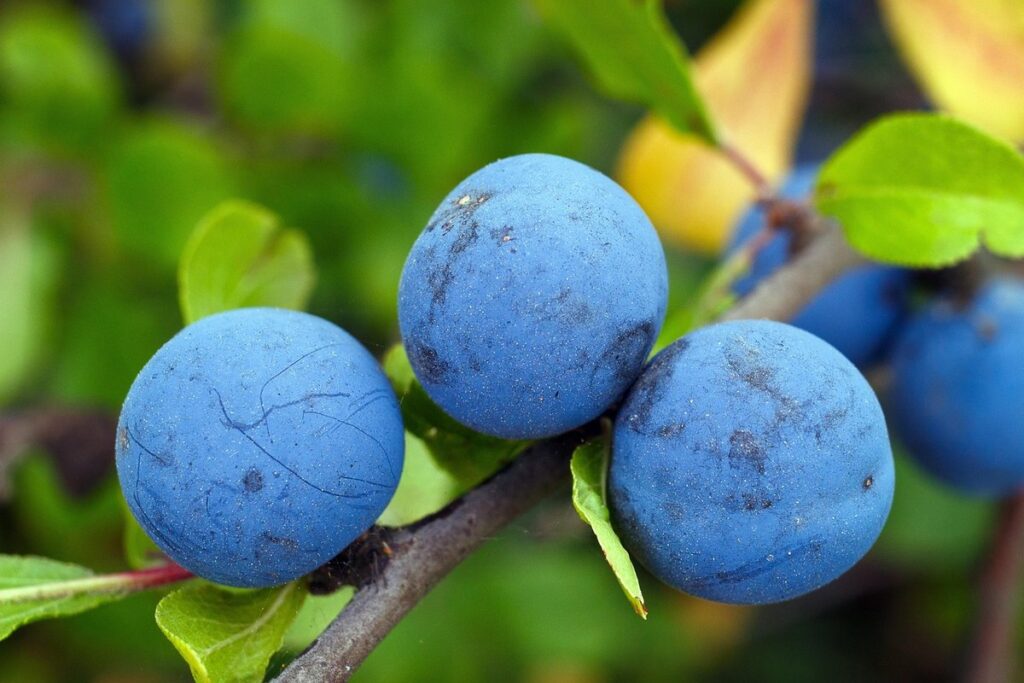
Choosing the Right Shrubs
Now that you’ve picked out a few blue berry shrub varieties, it’s time to choose which one will thrive best in your garden. Let’s walk through some key factors to consider when making this decision.
Factors to Consider When Selecting Blue-Berried Shrubs
When selecting blue-berried shrubs for your garden, there are several key factors to consider. First and foremost, think about your climate and the hardiness zone you’re in. Different shrubs have varying levels of cold tolerance, so it’s essential to choose ones that will thrive in your specific region. For instance, if you live in a temperate climate with mild winters, you may be able to grow shrubs like Blueberry Shrub (Corylus maxima) or Bilberry (Vaccinium myrtillus). However, if you live in an area with harsher winters, consider shrubs like the American Cranberrybush (Viburnum trilobatum), which can tolerate colder temperatures.
Next, consider your soil type. Blue-berried shrubs prefer well-draining acidic or neutral soils, so avoid areas with heavy clay or alkaline soils. You should also think about the amount of space you have available for your shrub to grow. Some blue-berried shrubs, like the Highbush Cranberry (Viburnum opulus), can grow quite large, while others, like the Alpine Currant (Ribes alpinum), remain smaller and more compact. By taking these factors into account, you’ll be able to choose a blue-berried shrub that will not only thrive but also add beauty to your garden.
Popular Blue-Berried Shrubs for Small Gardens
If you’re looking to add some vibrant blue berries to your small garden, there are several popular shrub species that are perfect for smaller spaces. One of the most versatile options is the Dwarf Russian Olive (Elaeagnifolia), which grows up to 6 feet tall and wide. It’s a low-maintenance shrub that requires minimal pruning and care, making it ideal for busy gardeners.
Another great option is the Blue Muffin Honeysuckle Bush (Lonicera) , which produces clusters of bright blue berries from late spring through fall. This shrub grows up to 4 feet tall and wide, making it a perfect choice for small gardens or containers. To ensure optimal growth and berry production, make sure to provide your Blue Muffin with full sun and well-draining soil.
If you’re looking for something even more compact, consider the Little Ruby Blueberry Shrub (Vaccinium corymbosum). This shrub grows up to 2 feet tall and wide, making it a great option for small gardens or container gardens. Keep in mind that it requires acidic soil and consistent moisture to produce a good crop of blue berries.
Remember to plant your shrubs in well-draining soil and provide them with the necessary care requirements mentioned above. With proper care, these shrubs will thrive and provide you with a bountiful harvest of delicious blue berries.
Identification and Care
To properly care for shrubs with blue berries, you’ll first need to identify your specific plant species. Knowing its unique needs will help ensure it thrives in your garden.
Recognizing Different Types of Blue Berries
When it comes to blue-berried shrubs, there’s no one-size-fits-all solution. Different species have distinct characteristics that set them apart from one another. To help you identify the type of blue berry-producing shrub you’re dealing with, let’s take a closer look at some common varieties.
The Blueberry (Vaccinium corymbosum) is perhaps the most well-known blue-berried shrub. Its bright blue berries are not only visually stunning but also a favorite among birds and other wildlife. Distinguishing features include dark green leaves with serrated edges and clusters of small white flowers in the spring.
The Blue Chokeberry (Aronia arbutifolia) is another popular choice, known for its vibrant purple-blue berries that ripen in late summer. To identify it, look for oval-shaped leaves with a smooth texture and clusters of small white flowers in the spring.
The Highbush Cranberry (Viburnum trilobatum) produces bright red berries, but some varieties have a more blue-ish hue. Its key characteristics include trifoliate leaves with three pointed lobes and clusters of small white flowers in the spring.
To distinguish between these shrubs, examine their leaves, flowers, and fruit closely. Take note of their growth habits, too – some are compact and ideal for smaller gardens, while others can grow quite large. By paying attention to these details, you’ll be able to identify your blue-berried shrub with confidence.
Tips for Proper Pruning and Maintenance
When it comes to keeping your blue berry shrubs healthy and thriving, proper pruning, watering, and fertilizing are essential. Pruning not only helps maintain the shape of the shrub but also promotes new growth and encourages fruiting.
To prune your blue berry shrubs effectively:
* Remove any dead or damaged branches in late winter or early spring to prevent disease from spreading
* Cut back overgrown branches by one-third to encourage new growth
* Thin out dense areas to improve air circulation and allow sunlight to reach inner foliage
Watering is another crucial aspect of maintaining your blue berry shrubs. They require consistent moisture, especially during their first year after planting. Water them regularly, but avoid overwatering, which can lead to root rot.
As for fertilizing, a balanced fertilizer applied in early spring will provide the necessary nutrients for optimal growth and fruit production.
Growing Conditions and Climate Considerations
To grow shrubs that produce stunning blue berries, you need to understand their specific climate requirements and ensure your garden provides the right conditions for them to thrive.
How Temperature and Humidity Affect Blue Berries
When it comes to growing shrubs that produce blue berries, temperature and humidity levels play a crucial role in determining their productivity. Blue berry production is highly sensitive to temperature fluctuations, with optimal temperatures ranging between 60°F (15°C) and 80°F (27°C). Temperatures above 90°F (32°C) can lead to heat stress, causing the shrubs to drop their berries before they’re fully ripe.
On the other hand, consistently cool temperatures below 50°F (10°C) can inhibit berry growth altogether. This is why it’s essential to choose a location for your blue berry shrub that receives full sun to partial shade and has well-draining soil to prevent waterlogged conditions.
Humidity levels also impact blue berry production, with most shrubs thriving in areas with moderate humidity between 40% and 60%. Prolonged periods of high humidity can lead to fungal diseases, which can devastate your blue berry crop. To mitigate this risk, ensure good air circulation around your plants by pruning regularly and keeping the surrounding area clean.
By being mindful of these temperature and humidity requirements, you can create an ideal growing environment for your blue berry shrub, ensuring a bountiful harvest every year.
Soil Requirements and Nutrient Management
When it comes to growing shrubs that produce blue berries, the soil type and nutrient balance play a crucial role in their health and productivity. Most shrubs that produce blue berries prefer well-draining acidic soils with a pH between 4.5 and 6.5. If your soil is too alkaline, you may need to add sulfur or peat moss to lower the pH.
To maintain proper nutrient balance, it’s essential to conduct regular soil tests. This will help you identify any deficiencies in nutrients such as nitrogen, phosphorus, and potassium. Based on the test results, you can apply fertilizers that are specifically formulated for your shrubs’ needs. For example, if your shrub is showing signs of nutrient deficiency, a balanced fertilizer with a 10-10-10 NPK ratio (nitrogen-phosphorus-potassium) may be sufficient.
Some key nutrients to keep an eye on include:
• Nitrogen: promotes leaf growth and health
• Phosphorus: essential for root development and fruit production
• Potassium: helps regulate water balance and stress tolerance
By maintaining a balanced nutrient profile, you can promote healthy growth, increase fruit production, and prevent diseases that often result from nutrient deficiencies.
Health Benefits and Wildlife Attraction
Not only will these shrubs bring a pop of blue color to your garden, but they’ll also attract beneficial wildlife and provide you with some amazing health benefits. Let’s dive into what makes them so special.
Medicinal Uses for Blue Berries in Traditional Medicine
Blue berries have been a treasured ingredient in traditional medicine for centuries. Indigenous communities around the world have long utilized these small fruits to create remedies for various ailments. In some cultures, blue berries are believed to possess antiviral and antibacterial properties, making them effective against infections.
In traditional Chinese medicine, blue berries are used to treat digestive issues and alleviate symptoms of constipation. Similarly, in Ayurvedic practices, they’re valued for their ability to detoxify the body. Modern studies have also validated some of these claims, with research suggesting that blue berries contain antioxidants that may reduce inflammation and improve cardiovascular health.
To harness the medicinal potential of blue berries, simply dry them or freeze them whole. You can then steep dried blue berries in hot water to create a tea that’s rich in flavonoids and anthocyanins. Blue berry syrup is another popular way to consume these beneficial compounds. When preparing your own remedies, be sure to use organic blue berries to minimize exposure to pesticides.
The versatility of blue berries has led them to become an integral part of traditional medicine. As more research continues to shed light on their health benefits, it’s likely that we’ll see a resurgence in the incorporation of these valuable fruits into our modern healthcare practices.
Supporting Local Ecosystems through Bird-Friendly Shrubs
When it comes to creating a haven for local bird populations, blue-berried shrubs play a vital role. These shrubs not only provide a source of food but also serve as crucial stopovers and breeding grounds for various species. For instance, the American Robin relies heavily on the berries produced by shrubs like Blueberry (Vaccinium corymbosum) to fuel its migration.
In addition to supporting bird populations, blue-berried shrubs contribute significantly to local biodiversity. By incorporating a mix of native and non-invasive plant species, gardeners can create thriving ecosystems that attract a wide range of wildlife, including pollinators, beneficial insects, and even small mammals. To maximize the impact of your blue-berried shrubs, consider selecting varieties that are native to your region or have similar growing requirements.
When choosing bird-friendly shrubs, remember to prioritize species with berries that are rich in nutrients and offer a prolonged ripening period, allowing birds to enjoy them throughout the seasons. Some excellent options include Blue Chaste Tree (Castanea crenata) and Elderberry (Sambucus spp.). By carefully selecting blue-berried shrubs for your garden or landscape, you can create a haven that benefits both local bird populations and the ecosystem as a whole.
Propagation and Troubleshooting
If you’re struggling to get your blueberry shrub to thrive, don’t worry – we’ve got you covered with tips on propagation and common issues.
Methods for Propagating Blue Berries through Seeds and Cuttings
Propagating blue-berried shrubs through seeds and cuttings can be a rewarding experience for gardeners. However, it requires attention to detail and the right techniques. When propagating from seed, start by collecting fresh seeds from mature plants, as they will have higher viability rates. Sow them in a well-draining mix, about 1-2 inches deep, and keep the soil consistently moist but not waterlogged.
For cuttings, you’ll want to choose healthy stems with at least two nodes, as these will be more likely to root successfully. Cut just above a node using a sharp, sterile tool, and dip the cut end in rooting hormone powder or liquid to promote root growth. Place the cutting in a propagation tray filled with moistened mix, and provide bright indirect light.
When it comes to propagating blue-berried shrubs from cuttings, different species may have slightly varying requirements. Some popular varieties include ‘Blueberry Bush’ (Ceratiola ericoides), ‘Blue Muffin’ (Morus nigra), and ‘Big Apple’ (Vaccinium corymbosum). Research the specific needs of your chosen variety to ensure optimal results.
Keep in mind that cuttings may take longer to establish than seed-grown plants, but with proper care and patience, you can successfully propagate blue-berried shrubs using this method.
Common Issues and Solutions for Troubled Shrubs
When growing blue-berried shrubs, it’s not uncommon to encounter common issues that can affect their health and productivity. Some of these problems may stem from pests, diseases, or environmental factors. Let’s tackle a few of the most frequent issues you might face with your blue-berried shrubs.
Pests like aphids, spider mites, and scale insects are known to attack blue-berried shrubs, causing damage to leaves and reducing berry production. To manage infestations, use neem oil or insecticidal soap according to the product’s instructions. Regularly inspect your plants for any signs of pests and take action at the first sign.
Diseases such as root rot, leaf spot, and powdery mildew can also afflict blue-berried shrubs. Fungal diseases often thrive in wet conditions, so ensure good air circulation around your plants and avoid overwatering. If you suspect a fungal infection, treat it with fungicides containing copper or sulfur.
Keep an eye out for signs of nutrient deficiencies, as these can impact berry production and overall plant health. Regularly test the soil to determine if any adjustments are needed.
Frequently Asked Questions
Can I grow blue-berried shrubs in containers if I have limited garden space?
Yes, many blue-berried shrub varieties can thrive in containers as long as they receive the right amount of sunlight and are provided with well-draining soil. Make sure to choose a container that is at least 12-18 inches deep to accommodate the shrub’s root system.
How often should I prune my blue-berried shrubs for optimal berry production?
Prune your blue-berried shrubs annually in late winter or early spring, removing any dead or damaged branches. This will promote new growth and encourage fruiting. For most varieties, pruning every 2-3 years is sufficient to maintain shape and size.
What’s the best way to propagate blue-berries from cuttings?
To propagate blue-berries from cuttings, take 4-6 inch stem sections with at least two sets of leaves in late spring or early summer. Dip the cut ends into a rooting hormone powder or liquid and plant them in a well-draining mix. Keep the soil consistently moist but not waterlogged until roots develop.
Can I eat blue berries straight from the shrub, or do they need to be cooked first?
Yes, most types of blue-berries are edible raw, although some may have a slightly bitter taste. However, cooking can enhance their flavor and nutritional value. Simply wash the berries gently and enjoy them as is, or use them in baked goods, jams, or smoothies.
How long does it take for blue-berried shrubs to start producing fruit?
The time it takes for blue-berried shrubs to produce fruit depends on factors like climate, soil quality, and variety. Generally, you can expect berries to appear within 1-3 years after planting a mature shrub or propagated cutting. Younger plants may take longer to produce fruit.