
If you’re anything like me, you’re always on the lookout for ways to add some excitement to your cooking routine. But let’s face it: short season spicy peppers can be a bit of a challenge. These flavorful little gems are in high demand, but their limited availability means that gardeners and cooks often have to think creatively about how to make the most of them.
In this article, we’ll explore the world of short season spicy peppers, from selecting the perfect varieties for your climate and growing conditions to planning ahead and making the most of their brief growing season. We’ll also dive into some delicious recipe ideas that showcase these peppers’ unique flavor and heat. Whether you’re a seasoned gardener or just starting out, this guide will help you grow and cook with short season spicy peppers like a pro!
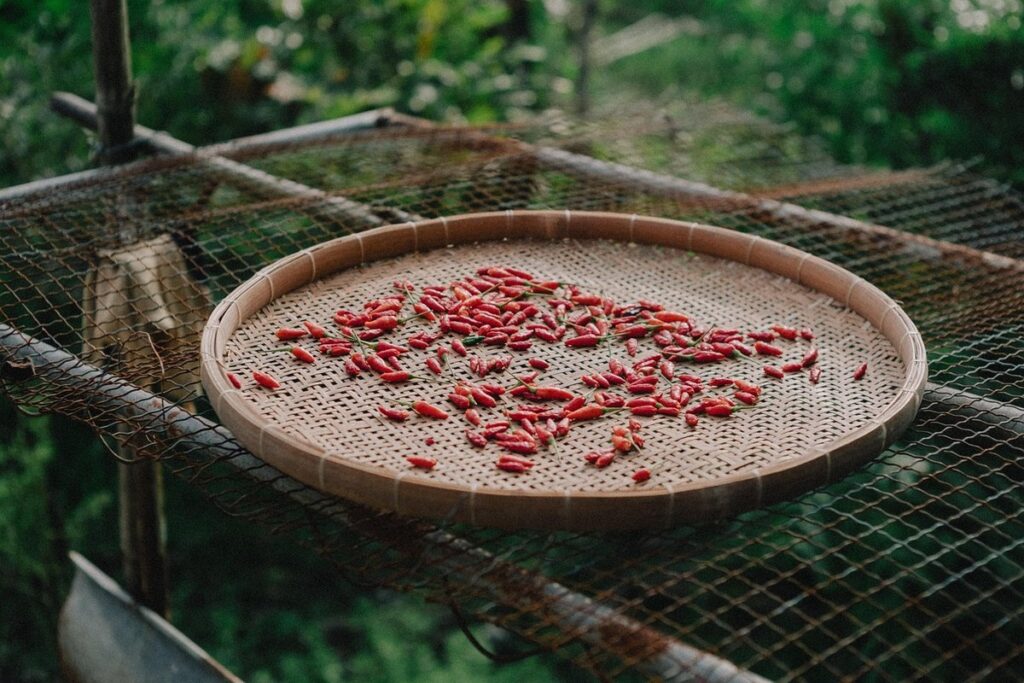
Understanding the Challenges of Short Season Spicy Peppers
Growing short season spicy peppers can be a thrilling experience, but it’s not without its challenges. Let’s dive into some of the common obstacles you may face when cultivating these hot and delicious peppers.
Defining the Problem
Short season spicy peppers are a type of pepper that has a limited availability period, typically lasting only a few months. This can be frustrating for gardeners who struggle to get their crops to mature before the frost sets in, farmers who face challenges in meeting demand due to the pepper’s short lifespan, and consumers who find themselves searching high and low for these peppers during their brief season.
The impact of short season peppers is not limited to just one group. Recipes that rely heavily on these peppers can be affected by their availability, forcing cooks to get creative with substitutions or adjustments. Cooking techniques also come into play as the unique flavor profiles of short season peppers are often tied to specific preparation methods. As a result, when these peppers are out of season, dishes may lack the depth and heat they’re known for.
To make the most of your time with short season peppers, consider preserving them through freezing or pickling to enjoy them year-round. You can also explore alternative spicy pepper varieties that have longer growing seasons to minimize your reliance on these fleeting peppers.
Identifying Peak Seasons for Popular Varieties
When it comes to short season spicy peppers, timing is everything. Knowing when these peppers are at their peak flavor and availability can make all the difference in your cooking. Let’s take a closer look at some popular varieties and their optimal harvest seasons.
Habaneros, for example, typically thrive from May to July, with June being the sweet spot. This tropical pepper loves warm weather, so it’s no surprise that its peak season coincides with the summer months. During this time, habaneros are not only more flavorful but also abundant in most markets. If you’re a fan of spicy dishes like jerk chicken or Caribbean-inspired stews, June is the perfect month to stock up on these fiery gems.
Similarly, jalapeños reach their peak flavor from August to October, with September being the prime time for harvesting these versatile peppers. Anaheim peppers, on the other hand, prefer milder temperatures and typically thrive from July to September, with August being the optimal month for these sweet and slightly smoky peppers. By planning your harvest around these peak seasons, you’ll be able to enjoy the best flavors and textures of each variety.
The Importance of Crop Planning and Rotation
Crop planning and rotation are crucial for extending the season of short season spicy peppers. These techniques can help you enjoy a continuous supply of your favorite varieties, even when they’re typically out of season.
Succession planting is one such strategy that involves planting multiple crops in close succession to ensure a steady harvest. For example, if you plant a packet of 50 seeds every two weeks from March to May, you’ll have a consistent flow of peppers throughout the summer months. This approach also allows you to make the most of favorable weather conditions and reduces the risk of crop failure.
Another effective method is overwintering, where you harvest mature plants in the fall and replant them indoors during winter. This not only extends the season but also gives you a head start on the next growing cycle. You can even propagate your favorite pepper varieties through cuttings or division to maintain their unique characteristics. By adopting these strategies, you’ll be able to enjoy short season spicy peppers all year round.
Spicy Pepper Varieties Perfect for Short Seasons
As you continue on your journey to grow and enjoy spicy peppers, let’s explore some fantastic varieties that thrive in short seasons. From sweet Hungarian hot wax to fiery Thai chilies, we’ve got you covered.
Top 5 Peppers for Short Season Gardens
When growing spicy peppers in short seasons, it’s essential to choose varieties that thrive in cooler temperatures and shorter daylight hours. Here are five top performers that can add excitement to your garden:
Thai chilies are a great choice for short seasons due to their high heat level (40,000-60,000 SHU) and compact growth habit, making them ideal for containers or small spaces. Their flavor profile is intense and slightly sweet, adding depth to dishes without overpowering other ingredients.
Korean chili peppers, also known as gochugaru, are another excellent option for short seasons. They have a medium heat level (10,000-30,000 SHU) and a unique smoky flavor that pairs well with Asian-inspired cuisine. With proper care, Korean chili peppers can grow up to 2 feet tall.
Bird’s Eye chilies are a popular choice among spicy food enthusiasts, offering a intense, fruity flavor and moderate heat level (50,000-100,000 SHU). These small, compact peppers thrive in cooler temperatures and require minimal support as they mature.
Specialty Peppers for Unique Flavors
When it comes to adding depth and excitement to your dishes, look no further than specialty peppers with unique flavors. These lesser-known varieties can be a game-changer for short season spicy pepper enthusiasts.
Peppers like the ‘Aji Amarillo’ from Peru boast a vibrant yellow color and offer an intense citrus flavor that pairs perfectly with seafood or poultry. Meanwhile, the ‘Guajillo’ from Mexico adds a fruity twist to traditional Mexican dishes, with its rich, slightly sweet flavor and delicate crunch.
The ‘Shishito’ pepper from Japan is another standout, with its slender appearance and mild heat level making it perfect for grilling or roasting. To bring out their unique flavors, try pairing specialty peppers with ingredients like garlic, ginger, and fresh herbs in marinades or stir-fries.
Incorporating these peppers into your cooking repertoire can breathe new life into old favorites and inspire creativity in the kitchen. Experiment with different combinations to find your perfect match – you might be surprised at the depth of flavor that specialty peppers bring!
Growing Short Season Spicy Peppers: Tips and Tricks
If you’re struggling to coax your short season spicy peppers into production, don’t worry – we’ve got some expert advice to share on how to make them thrive. Here are our top tips for success.
Soil Preparation and Fertilization
Preparing the soil for short season spicy peppers is crucial for their growth and productivity. These peppers thrive in well-draining, fertile soils with a pH between 6.0 and 7.0. Before planting, test your soil to determine its pH level and nutrient content. If it’s too acidic or alkaline, add lime to raise the pH or sulfur to lower it.
Composting is another essential step in preparing the soil. Add aged compost to the soil to provide essential nutrients and improve its structure. Aim for a mix of 2-3 inches of compost for every foot of garden bed. You can also use well-rotted manure or worm castings as alternatives.
When it comes to fertilizing, short season peppers require more frequent feeding than other pepper varieties. Use a balanced fertilizer with a 10-10-10 NPK ratio and follow the manufacturer’s instructions for application rates. Alternatively, you can side-dress with a high-phosphorus fertilizer (such as bone meal or rock phosphate) to promote fruiting.
By taking these steps, you’ll be providing your short season spicy peppers with the best possible start in life. Remember, healthy plants are more resilient and better equipped to withstand temperature fluctuations, pests, and diseases – all of which can impact your pepper crop.
Pest and Disease Management Strategies
When growing short season spicy peppers, it’s not uncommon to encounter common pests and diseases that can significantly impact yields. Two of the most prevalent issues are aphids and powdery mildew. Aphids feed on plant sap, causing curled or distorted leaves, while powdery mildew appears as a white, powdery coating on leaves.
To manage aphid infestations, use neem oil or insecticidal soap to control populations. For more severe cases, introduce natural predators like ladybugs or lacewings into your garden. When it comes to powdery mildew, maintain good air circulation by pruning nearby plants and using overhead irrigation instead of soaker hoses.
Additionally, consider implementing integrated pest management (IPM) techniques. Monitor your crop regularly for signs of pests or diseases, and use organic controls whenever possible. For example, introduce beneficial microbes into the soil to promote a healthy ecosystem. By adopting these strategies, you can minimize chemical usage and cultivate a thriving, balanced garden environment that promotes robust growth and optimal yields.
Using Short Season Spicy Peppers in Cooking and Recipes
When it comes to cooking with short season spicy peppers, you’re likely wondering how to incorporate their bold flavors into your favorite dishes without overpowering them. Let’s explore some tips and recipes that will elevate your meals.
Incorporating Peppers into Main Dishes
When it comes to adding short season spicy peppers to main courses, the possibilities are endless. You can start by incorporating them into stir-fries, where their crunchy texture and bold flavor can add depth to dishes like beef and broccoli or chicken and vegetable stir-fries.
For a curry-based dish, try using a combination of red and green short season peppers for added heat and color. Simply sauté the onions, ginger, and garlic, then add your choice of spices, including cumin, coriander, and turmeric. Add diced protein like chicken or beef, along with the peppers and enough liquid to create a rich sauce.
In braises, short season spicy peppers can be added to the pot in the last 20 minutes of cooking, allowing their flavors to meld into the dish without overpowering it. This is particularly well-suited for slow-cooked stews and roasts featuring tougher cuts of meat like brisket or short ribs.
Some other ideas for incorporating short season peppers include:
• Adding sliced red bell peppers to a hearty beef stew
• Using green chilies in place of jalapeños in a chili recipe
• Sautéing chopped yellow or orange peppers with onions and garlic as a topping for burgers
Spicy Pepper Sauces and Preserves
One of the greatest joys of working with short season spicy peppers is experimenting with homemade spicy pepper sauces and preserves. Not only do these condiments add a burst of flavor to any dish, but they’re also incredibly convenient. Imagine being able to whip up a batch of hot sauce in just 10 minutes or create a jar of pickled peppers that will last you all winter long.
When it comes to making your own spicy pepper sauces and preserves, the possibilities are endless. You can experiment with different types of short season peppers, such as jalapeños, Anaheim peppers, or Thai chilies, to create unique flavor profiles. Try combining them with ingredients like garlic, ginger, or citrus for added depth.
To make a simple hot sauce, puree your chosen peppers with some vinegar and spices in a blender or food processor. Strain the mixture through a fine-mesh sieve to remove any solids and transfer it to a clean glass bottle. For pickled peppers, slice your peppers thinly and soak them in a brine made from vinegar, sugar, salt, and spices.
When choosing which type of hot sauce or pickle recipe to try, consider what you’ll be using it for most often. A mild, sweet hot sauce is perfect for everyday use, while a spicy, smoky sauce is great for adding heat to specific dishes like tacos or grilled meats.
Conclusion
As you’ve now learned how to select, grow, and use short season spicy peppers, let’s wrap up with a recap of key takeaways. What matters most will be emphasized here.
Recap of Key Takeaways
As you’ve reached the end of this guide, take a moment to reflect on what you’ve learned about short season spicy peppers. Whether you’re an experienced gardener or just starting out, we hope you feel inspired to experiment with these versatile and flavorful crops.
Let’s recap some key takeaways from our discussion: when it comes to crop planning, remember that short season varieties thrive in areas with a relatively short growing season, typically 60-90 days. This means choosing pepper varieties like ‘Thai Hot’ or ‘Cayenne’ for your garden, which mature within this timeframe.
When selecting varieties, consider factors like climate and soil type. Don’t be afraid to mix and match different types of peppers in your garden – it’s a great way to add diversity and interest to your harvest. For growing tips, remember that short season peppers require consistent moisture, full sun, and well-draining soil. And when it comes to culinary uses, think beyond the usual bell pepper recipes – short season spicy peppers can add depth and heat to everything from stir-fries to sauces.
Don’t be shy about experimenting with these incredible crops in your kitchen and garden!
Future Outlook: Embracing Short Season Spicy Peppers
Embracing short season spicy peppers is not only a great way to add some excitement to your gardening and cooking routine, but it also presents a wealth of opportunities for innovation. As we’ve explored throughout this guide, these peppers bring a unique flavor profile that’s hard to find in other varieties.
By incorporating short season spicy peppers into your garden and recipes, you’ll be opening yourself up to new possibilities. For one, you can experiment with different growing techniques to optimize their flavor and heat levels. For example, trying container gardening or hydroponics can help ensure consistent yields and minimize the risk of pests and diseases.
In the kitchen, short season spicy peppers are begging to be used in creative ways. Consider developing your own signature sauce recipes using these peppers as a base. You could also try incorporating them into traditional dishes, like adding diced jalapeños to tacos or using them as a topping for grilled meats. The possibilities are endless, and by embracing the unique qualities of short season spicy peppers, you’ll be well on your way to becoming a master gardener and chef.
Frequently Asked Questions
How can I store my short season spicy peppers to keep them fresh for as long as possible?
To prolong the shelf life of your short season spicy peppers, you should store them in a cool, dry place, away from direct sunlight and moisture. For longer-term storage, consider refrigerating or freezing them. You can also preserve them by pickling, roasting, or making sauces and relishes.
What are some common pests that target short season spicy pepper plants?
Common pests that target short season spicy pepper plants include aphids, whiteflies, and spider mites. Regularly inspect your plants for signs of infestation and use organic pest control methods whenever possible, such as introducing beneficial insects or using neem oil.
Can I grow short season spicy peppers in containers or do they require a lot of space?
Short season spicy peppers can thrive in containers, making them an ideal choice for small gardens or urban spaces. Choose a container with good drainage and use a well-draining potting mix to ensure healthy growth. Be mindful of the pepper plant’s mature size when selecting a container.
How do I know which short season spicy pepper variety is best suited for my region?
Selecting the right variety for your climate and growing conditions is crucial for successful growth. Research popular varieties in your area, such as Anaheim or Thai chilies, and choose ones that are disease-resistant and adapted to your local temperature fluctuations.
Can I grow multiple types of short season spicy peppers together without cross-pollination issues?
While many short season spicy pepper varieties self-pollinate, some may require isolation to prevent cross-pollination. To avoid potential issues, plant different varieties far apart or use row covers to separate them. Be aware that some cross-pollination can occur with open-pollinated or heirloom varieties.