
Raised garden beds can be a gardener’s paradise, but they also come with their own set of challenges. One common issue many gardeners face is soil erosion and poor drainage, which can lead to wasted time, effort, and resources. But what if you could enjoy the benefits of raised gardening without these drawbacks? The answer lies in sheet metal lining for raised garden beds. By installing a durable and effective liner, you can say goodbye to soil loss and hello to better water management. In this article, we’ll explore the advantages of sheet metal lining for your raised garden bed, including how to choose the right material and install it effectively, so you can enjoy long-lasting results and a thriving garden.
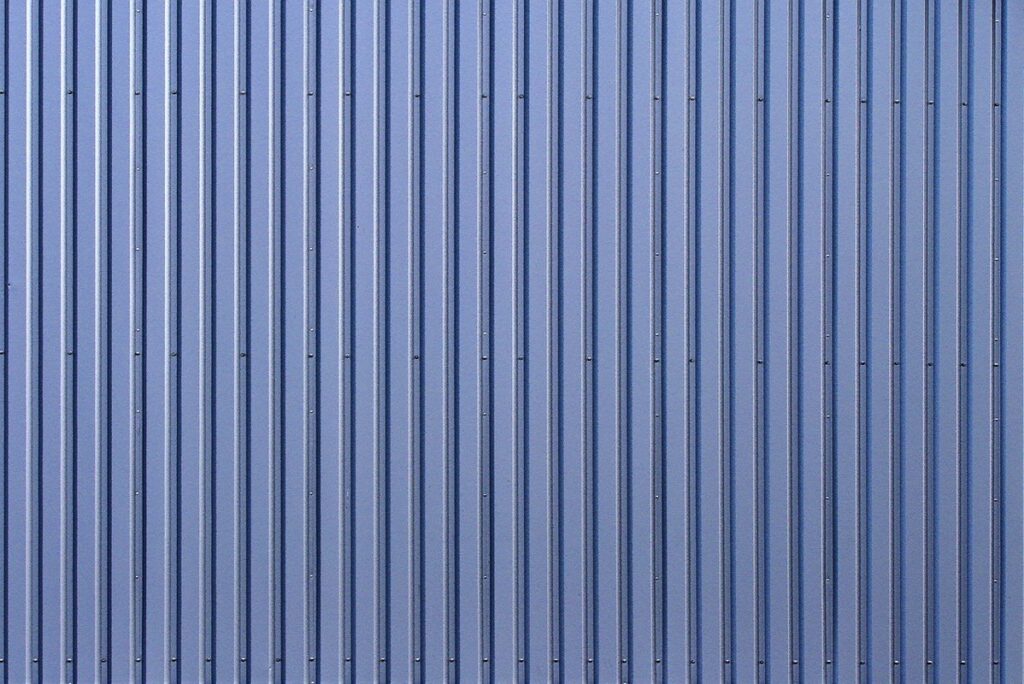
Introduction to Sheet Metal Lining
Let’s get started by exploring what sheet metal lining is and how it can benefit your raised garden bed, starting with its basic principles.
What is Sheet Metal Lining?
Sheet metal lining is a versatile and effective solution used to line raised garden beds. At its core, it’s essentially a durable, moisture-resistant material designed to contain soil while preventing water from seeping into the surrounding area. This purpose is especially crucial for gardeners with limited space or those who want to minimize watering schedules.
In gardening, sheet metal lining acts as a barrier between the raised bed and the surrounding surface. It keeps soil in place and prevents erosion, ensuring that nutrients remain within the bed. Moreover, it helps retain moisture, allowing plants to absorb water more efficiently. This benefit is particularly useful for plants requiring consistent moisture levels, such as those grown in arid climates.
When choosing sheet metal lining for raised garden beds, consider using materials with a smooth surface finish. This characteristic reduces soil adhesion and makes cleaning easier. Additionally, ensure the material’s thickness can withstand varying temperatures and weather conditions. A minimum of 0.5 mm thickness is recommended to prevent damage or deformation over time.
Importance of Proper Liner Material
Choosing the right liner material is crucial when it comes to sheet metal lining for raised garden beds. Not only does it determine the durability and lifespan of your bed, but also its ability to prevent weeds from growing through and keep moisture locked in.
You see, different materials have varying levels of permeability and thermal conductivity, which can affect the health of your plants and soil structure. For instance, using a material that is too porous may lead to overwatering and root rot, while one that is too impermeable may prevent air and water from reaching the roots.
Consider using galvanized steel or aluminum liners for their exceptional strength-to-weight ratio and resistance to corrosion. These materials are also easy to clean and maintain, making them a practical choice for gardeners who want to minimize their upkeep time.
When selecting a liner material, think about the climate you live in, the types of plants you grow, and your maintenance routine. By choosing the right material, you can create a healthy and thriving environment for your raised garden bed that will provide years of enjoyment and yields.
Benefits of Using Sheet Metal Lining
Sheet metal lining offers numerous benefits that can enhance your raised garden bed’s performance, from improved water retention to increased durability. Let’s explore these advantages in more detail.
Reduced Soil Erosion
One of the most significant benefits of using sheet metal lining in raised garden beds is its ability to reduce soil erosion. When you line your raised bed with a durable material like sheet metal, it creates a barrier that prevents topsoil from washing away with rainwater or irrigation. This is especially important for raised beds, which can be prone to erosion due to their elevated design and often poor drainage.
As water flows through the soil, it can carry away essential nutrients, leaving your plants malnourished. Sheet metal lining helps prevent this by directing excess water into a designated drain or collecting system, rather than allowing it to flow freely through the soil. This not only reduces erosion but also ensures that the valuable nutrients in the soil remain intact.
By incorporating sheet metal lining into your raised bed design, you can significantly reduce soil erosion and prevent nutrient loss. Consider using a material with a smooth finish to minimize water resistance and ensure effective drainage. With proper installation, sheet metal lining can be an effective solution for gardeners looking to preserve their topsoil and maintain healthy plant growth.
Improved Drainage
One of the most significant advantages of using sheet metal lining in raised garden beds is its ability to improve drainage and prevent waterlogged soil conditions. This is particularly beneficial for gardeners who live in areas with heavy rainfall or where the soil tends to retain water. By installing a sheet metal liner, excess moisture can easily flow out of the bed, reducing the risk of root rot and other diseases that thrive in soggy conditions.
The design of sheet metal lining allows it to withstand the pressure of rainwater and gravity, directing it away from the roots and towards the bottom of the bed. This feature is especially useful for gardens with poor soil drainage or those situated on slopes where water tends to collect. With a well-designed sheet metal liner, you can say goodbye to waterlogged soil conditions and hello to healthier, more robust plants.
When choosing a sheet metal liner, make sure it’s designed specifically for raised garden beds and has a smooth, rounded edge to prevent soil erosion. Regularly inspect the liner for signs of damage or wear, replacing it as needed to maintain optimal drainage performance.
Long-Lasting Solution
When it comes to choosing the right material for your raised garden bed, durability is a top priority. One of the most significant benefits of using sheet metal lining is its long-lasting solution that can withstand harsh weather conditions and heavy use. Unlike other materials, such as wood or plastic, which may rot, crack, or degrade over time, sheet metal lining remains intact and continues to provide excellent performance for years to come.
This is particularly important in areas prone to high winds, heavy rainfall, or extreme temperatures. Sheet metal lining can withstand these conditions without compromising its structure or functionality, ensuring your garden bed remains safe and secure. In fact, many sheet metal-lined raised beds have been known to last for 10-20 years or more with minimal maintenance.
One of the key reasons sheet metal lining is so durable is because it’s resistant to pests, mold, and mildew. This means you won’t need to worry about costly repairs or replacements due to damage caused by these common issues. By investing in a high-quality sheet metal liner, you can enjoy a long-term solution that not only saves you money but also reduces your environmental impact.
Common Challenges with Traditional Liner Materials
When it comes to raised garden beds, traditional liner materials can sometimes fall short of our expectations. Let’s explore some common challenges that come with using them.
Breakdown of Organic Liners
Organic liners are often touted as an eco-friendly alternative to traditional liner materials. However, they may not be as durable as you think. Over time, organic liners can break down due to exposure to moisture, extreme temperatures, and microorganisms in the soil.
For example, biodegradable liners made from plant-based materials like cornstarch or sugarcane may decompose rapidly when exposed to water or high humidity. This compromises their effectiveness as a liner, allowing weeds to grow through and roots to penetrate the material.
Even natural fibers like cotton or jute can degrade over time due to repeated wetting and drying cycles. As these liners break down, they can release chemicals into the soil, which may not be safe for your plants or the environment.
In raised garden beds, it’s essential to consider a liner that will maintain its integrity over the long term. Sheet metal lining offers a more durable solution, providing a solid barrier against weeds and roots while withstanding various environmental conditions.
Inadequate Water Management
When it comes to traditional liner materials, one of the major challenges is their inability to manage water effectively. This can lead to a range of issues for gardeners, from root rot and nutrient deficiencies to algae growth and an increased risk of pests and diseases.
For example, many plastic liners are prone to cracking and leaking over time, allowing water to seep into the soil and cause problems for your plants. Even worse, some liners may not allow for adequate drainage, causing waterlogged soil conditions that can be devastating for roots.
Root rot is one of the most common issues associated with inadequate water management in raised garden beds. When the soil remains waterlogged for too long, it creates an ideal environment for fungal growth to occur. This can quickly spread through the bed, killing off even the healthiest plants and leaving you with a costly cleanup.
In contrast, sheet metal lining offers a more effective solution to these problems by allowing for superior drainage and preventing water from pooling in the soil. By incorporating this type of liner into your raised garden beds, you can enjoy healthier plants, reduced maintenance, and a more bountiful harvest.
Cost-Effectiveness Concerns
When it comes to choosing a liner material for raised garden beds, one of the main concerns is cost-effectiveness. Many people assume that sheet metal lining is more expensive than other options like plastic liners or wooden boards. However, this isn’t always the case.
In fact, sheet metal lining can be just as affordable, if not more so, depending on the size and material you choose. For example, a 4×8 foot sheet of metal costs around $20-$30, which is comparable to the cost of a plastic liner or wooden board for the same size bed. Additionally, sheet metal lining lasts much longer than other materials, typically lasting for 10-15 years with proper maintenance.
This extended lifespan means that while you may pay more upfront, you’ll actually save money in the long run by not having to constantly replace your liner material. Furthermore, sheet metal can be recycled at the end of its life cycle, making it a more sustainable option than some other materials. By considering these factors, you can make an informed decision about whether sheet metal lining is the most cost-effective choice for your raised garden bed.
Installation and Maintenance Considerations
To successfully incorporate sheet metal lining into your raised garden bed, consider these key installation and maintenance factors to ensure a thriving gardening experience. Proper setup and upkeep will make all the difference.
Step-by-Step Installation Guide
To ensure a successful installation, follow these steps to install sheet metal lining in your raised garden bed.
Before you begin, make sure you have all the necessary materials, including the sheet metal liner, screws, and a drill. Measure your raised bed carefully, taking note of any obstructions or irregularities. Cut the sheet metal liner to size using a tin snip or a circular saw, leaving about 1 inch of extra material around the edges.
Next, apply a thin layer of waterproof adhesive to the bottom and sides of the liner, ensuring it adheres properly to the raised bed’s frame. Secure the liner in place with screws, spacing them evenly apart (typically every 6-8 inches). Make sure not to overtighten the screws, which can cause the metal to buckle or warp.
As you work, keep in mind that sheet metal liners are typically installed on the inside of the raised bed, rather than the outside. This helps protect the liner from damage and ensures a secure fit. Once the liner is securely in place, you’re ready to start planting and enjoying the benefits of your newly lined garden bed!
Tips for Proper Maintenance
To keep your sheet metal-lined raised garden bed in optimal condition, regular maintenance is essential. Start by cleaning the lining at least once a season to remove dirt and debris that can accumulate. Use a soft-bristled brush or a gentle scrubber to avoid scratching the surface. For tougher stains, mix baking soda and water to create a paste, apply it to the area, and let it sit for 15-20 minutes before rinsing with water.
Regular inspection is also crucial in identifying any damage or wear and tear on the sheet metal lining. Check for signs of rust, corrosion, or holes that can compromise the integrity of the lining. If you notice any issues, address them promptly to prevent further damage. In some cases, minor repairs may be possible using a patch kit or by re-bending damaged sections.
For more extensive damage or wear and tear, consider replacing the sheet metal lining entirely. This is particularly recommended if the damage affects a large area or compromises the structural integrity of the raised bed.
Choosing the Right Sheet Metal Lining Material
When it comes to sheet metal lining for your raised garden bed, selecting the right material is crucial. Let’s explore some key factors to consider in choosing the perfect lining.
Factors Influencing Liner Choice
When selecting a sheet metal liner material for your raised garden bed, several key factors come into play. First and foremost is durability – you’ll want a material that can withstand the elements and last for many growing seasons. Copper and stainless steel liners are excellent choices in this regard, as they resist corrosion and won’t break down over time.
Another crucial consideration is cost. While sheet metal liners may seem like an investment upfront, they often pay for themselves in the long run by reducing maintenance needs and extending the life of your raised bed. For example, a copper liner can be more expensive than a galvanized steel one, but its durability makes up for the initial cost.
You should also think about ease of installation – a material that’s easy to work with will save you time and hassle in the long run. Some sheet metal liners are designed with a specific profile or texture that makes them simple to install, while others may require more effort and expertise. Consider your own DIY skills and preferences when making this decision.
Ultimately, the right liner material for your raised bed depends on your specific needs and priorities. By weighing these factors carefully, you can make an informed choice and enjoy a healthy, thriving garden for years to come.
Common Types of Sheet Metal Lining Materials
When it comes to choosing the right sheet metal lining material for your raised garden bed, you’ll want to consider a few popular options that offer unique characteristics. One of the most common types is galvanized steel, which provides excellent durability and corrosion resistance. This makes it an ideal choice for areas with high rainfall or exposure to saltwater.
Another popular option is aluminum sheet metal lining, which offers improved resistance to rust and is often lighter in weight than traditional materials. This can be beneficial for raised beds with limited structural support. You may also come across stainless steel sheet metal lining, which provides exceptional durability and resistance to corrosion, but at a slightly higher cost.
Additionally, some gardeners opt for PVC-coated steel sheet metal lining, which offers easy cleaning and maintenance. This is particularly useful in raised beds with poor drainage or high levels of organic matter. When selecting the right material, consider factors like climate, soil type, and desired lifespan to ensure your chosen material will withstand the conditions. By weighing these options, you can make an informed decision and enjoy the benefits of sheet metal lining for years to come.
Considerations for Specific Garden Conditions
When choosing a sheet metal lining material for your raised garden bed, it’s essential to consider the specific conditions of your garden. For instance, if you live in an area with high humidity, you’ll want to opt for a rust-resistant material like galvanized steel or aluminum. These materials will not only withstand moisture but also maintain their structural integrity.
If your garden is exposed to extreme temperatures, look for materials that can tolerate both scorching heat and freezing cold. Some sheet metal linings are designed with built-in insulation properties, which can help regulate soil temperature and prevent temperature fluctuations from affecting plant growth.
Another critical factor is drainage. If you have a heavy clay or sandy soil, consider using a perforated sheet metal lining to ensure proper water circulation and prevent waterlogging. This will promote healthy root growth and prevent erosion.
Ultimately, selecting the right sheet metal lining material requires careful consideration of your garden’s unique conditions. By choosing a material that can withstand its specific demands, you’ll be able to create an optimal growing environment for your plants.
DIY vs. Professional Installation
When it comes to sheet metal lining for your raised garden bed, you’re probably wondering whether to tackle the installation yourself or hire a pro. We’ll weigh the pros and cons of each approach next.
DIY Benefits and Drawbacks
When considering sheet metal lining for your raised garden bed, you may be wondering whether to tackle the installation yourself or hire a professional. A DIY approach can indeed offer several benefits and drawbacks that are worth examining.
On one hand, taking on a do-it-yourself (DIY) project can be incredibly cost-effective. By purchasing the necessary materials and doing the work yourself, you can save anywhere from 30% to 50% of what it would cost to hire a professional installer. Additionally, this DIY endeavor allows for complete control over the process, ensuring that every detail meets your standards.
However, it’s essential to consider the time commitment involved in a DIY installation. Depending on the size and complexity of your project, you may need to dedicate several days or even weeks to completing the job. This might not be feasible if you have an existing garden bed in place, requiring careful planning and coordination to avoid disrupting your garden’s growth.
Moreover, some homeowners might lack the necessary skills or experience to execute a seamless DIY installation. Without proper knowledge of sheet metal installation, water management, and drainage, you risk compromising the integrity of your raised bed and potentially causing damage to surrounding structures.
Hiring a Professional Installer
Hiring a professional installer is often the best option when it comes to sheet metal lining for raised garden beds. This is especially true if you’re short on time or lack experience with DIY projects involving complex materials like sheet metal.
A professional installer will bring a level of expertise and quality control that’s hard to match, ensuring your raised bed is properly lined and ready for use in no time. Not only do they have the necessary skills to get the job done efficiently, but they also typically come with warranties on their work – giving you peace of mind knowing any future issues will be taken care of.
Think about it: a professional installer has likely worked with sheet metal before and knows exactly how to handle its unique characteristics. They’ll know just how to bend, cut, and shape the material to fit your specific needs, resulting in a clean, even finish that won’t compromise the structural integrity of your raised bed.
Moreover, hiring a pro means you can avoid any potential risks associated with DIY sheet metal installation – from injuries due to sharp edges or exposure to toxic materials, to the possibility of costly mistakes and wasted time. By bringing in an expert, you’ll save yourself the stress and hassle that comes with tackling such a project on your own.
Conclusion: Sheet Metal Lining for Raised Garden Beds
Now that we’ve explored the benefits of sheet metal lining, let’s summarize the key takeaways and provide some final thoughts on its effectiveness in raised garden beds.
Recap of Key Points
In conclusion, sheet metal lining has proven to be an excellent choice for raised garden beds. This alternative to traditional materials offers numerous benefits and advantages that can enhance your gardening experience. Let’s recap the key points discussed throughout this article.
One of the primary advantages of sheet metal lining is its durability and longevity. Unlike wood or plastic, which may warp, rot, or crack over time, sheet metal can withstand various weather conditions and heavy use without compromising its structure. This makes it an ideal choice for gardeners who want a low-maintenance solution.
Another significant benefit of sheet metal lining is its ability to prevent soil erosion and retain moisture. The smooth surface of the metal prevents soil from washing away, ensuring that your plants receive consistent water supply. Additionally, metal lining can help regulate soil temperature, keeping it cooler in summer and warmer in winter.
By incorporating sheet metal lining into your raised garden bed, you’ll not only save time and effort but also enjoy a healthier and more productive garden.
Final Thoughts and Recommendations
If you’re considering sheet metal lining for your raised garden beds, here are my final thoughts and recommendations to keep in mind.
Firstly, I want to emphasize the importance of proper installation. Make sure to choose a liner that fits snugly around your bed frame and consider adding a drainage system to prevent waterlogged soil. A well-executed liner can make all the difference in extending the life of your garden bed.
When selecting sheet metal for lining, opt for durable materials like galvanized steel or aluminum. These will withstand harsh weather conditions and minimize corrosion risks. Consider also the thickness of the material – a heavier gauge is generally more suitable for raised beds.
Lastly, don’t forget to inspect your liner regularly for signs of damage or wear. Regular checks can help prevent costly repairs down the line. With proper care and attention, sheet metal lining can be a long-lasting solution for maintaining healthy soil conditions in your garden beds.
Frequently Asked Questions
Can I use sheet metal lining with other gardening methods, such as keyhole gardens or vertical gardens?
Yes, you can use sheet metal lining with various gardening methods to enhance their performance and efficiency. However, it’s essential to consider the specific requirements of each method and choose a liner that suits your needs. For example, if you’re using a keyhole garden design, you may prefer a liner with a built-in drainage system.
How do I maintain my sheet metal lining over time to ensure its longevity?
Regular maintenance is crucial to extend the life of your sheet metal lining. Clean the liner regularly to prevent debris buildup and inspect for any damage or wear and tear. Consider applying a protective coating to the liner to further protect it from corrosion and weathering.
Can I use recycled materials for my sheet metal lining, such as aluminum or steel sheets?
Yes, using recycled materials is an eco-friendly option that can also save you money. However, ensure that the material you choose meets your gardening needs and is durable enough to withstand environmental conditions. You may need to adjust the installation process slightly depending on the specific type of material.
How do I prevent sheet metal lining from becoming too hot in direct sunlight, potentially harming plants?
To mitigate this issue, consider installing a shade cloth or trellis above your raised bed to filter out intense sunlight and reduce heat buildup. You can also choose a liner with built-in UV protection or apply a reflective coating to the underside of the liner.
What are some common mistakes I should avoid when installing sheet metal lining in my raised garden beds?
Some common pitfalls include failing to measure correctly, cutting corners on material quality, or neglecting proper drainage. To ensure a successful installation, take your time, follow manufacturer instructions, and consider consulting with a professional if you’re unsure about any aspect of the process.