
Peppers are one of the most versatile ingredients in any kitchen, with their vibrant colors and diverse uses adding flavor and excitement to dishes from around the world. But have you ever stopped to think about the amazing shapes that peppers come in? From the slender, cylindrical bell peppers to the curved, glossy poblano chilies, each variety has its own unique form that’s as fascinating as it is functional.
In this article, we’ll take a closer look at the various shapes of peppers and explore how they’re used in different cultures and cuisines. We’ll delve into the world of sweet peppers, hot peppers, and everything in between, highlighting their uses from snacking to cooking to adding flavor to sauces and salsas. By the end of this article, you’ll be equipped with a newfound appreciation for the incredible diversity of pepper shapes and how they can elevate your cooking to new heights!
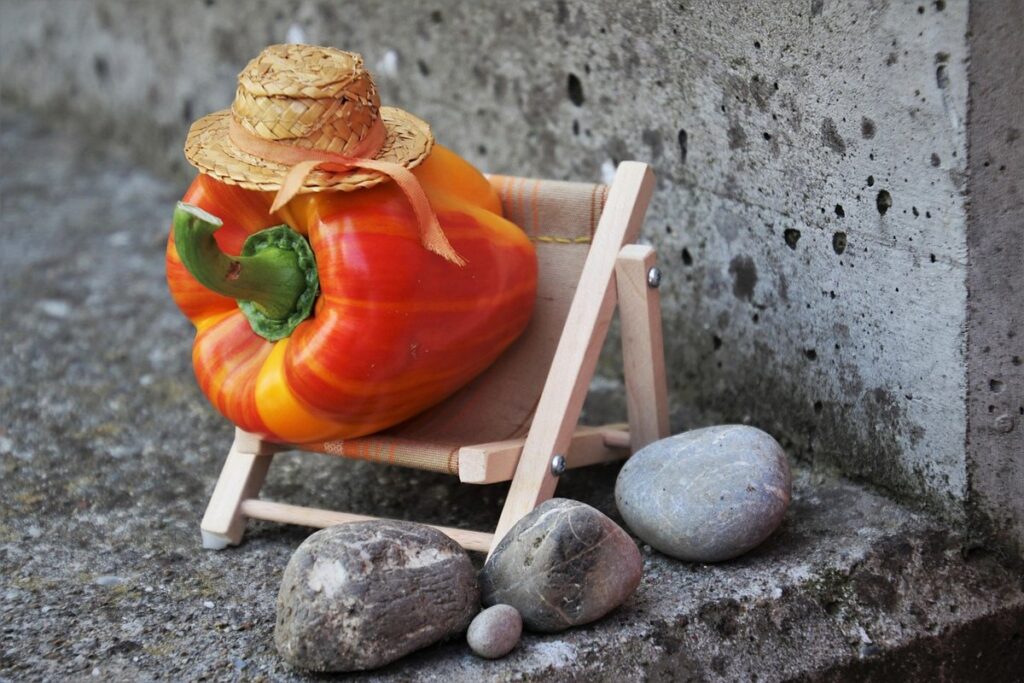
Introduction to Pepper Diversity
Let’s start our exploration of pepper diversity by taking a closer look at the fascinating array of shapes found in nature, from bell-shaped sweet peppers to elongated hot peppers. You’ll be amazed at the incredible variety!
What Makes Peppers Diverse?
Peppers come in an astonishing array of shapes and sizes, and their diversity is largely due to the influence of various factors. Climate, for instance, plays a significant role in shaping pepper diversity. Different climates can lead to variations in temperature, humidity, and sunlight exposure, which in turn affect pepper growth patterns. This can result in unique shape profiles, such as the long, slender peppers grown in cooler climates.
Soil type is another crucial factor that contributes to pepper diversity. The nutrient content, pH level, and water-holding capacity of soil all impact how peppers develop. For example, sweet bell peppers tend to thrive in well-drained soils with a slightly acidic pH, while hot peppers prefer more alkaline conditions. Cultivation practices also come into play, as factors like pruning, training, and harvesting techniques can significantly affect pepper shape.
This diversity is not limited to just one or two varieties; it extends across the entire spectrum of peppers. By understanding these underlying factors, you can experiment with different cultivation methods to grow unique shapes and sizes that suit your taste preferences and climate conditions.
Brief History of Pepper Cultivation
Peppers have been cultivated for thousands of years, with evidence of their existence dating back to around 6,000 BC in South America. The ancient civilizations of the Incas and Aztecs revered peppers as a sacred plant, not only for their flavor but also for their medicinal properties. As trade routes expanded, pepper cultivation spread throughout the world, with European colonizers introducing new varieties to Africa, Asia, and the Americas.
Today, pepper diversity is a result of centuries of selective breeding by farmers in various regions. For instance, the sweet bell peppers commonly found in supermarkets are believed to have originated from the small, hot peppers brought back from the New World by Spanish conquistadors. Similarly, the sweet, juicy Anaheim peppers popular in Mexican cuisine were first cultivated in the southwestern United States.
The history of pepper cultivation is a testament to human ingenuity and adaptability. As we explore the fascinating world of pepper shapes, it’s essential to appreciate the rich cultural heritage behind these diverse varieties.
Common Shapes of Peppers
Let’s take a closer look at some of the most common shapes you’ll find among peppers, from sweet bell peppers to hot chili peppers. We’ll explore the unique characteristics that set each one apart.
Bell Peppers: A Classic Shape
Bell peppers are one of the most recognizable and versatile shapes of peppers. Their unique characteristics make them a favorite among chefs and home cooks alike. One of the key features of bell peppers is their symmetrical, block-like shape, which makes them easy to slice and dice for various recipes.
In cooking, bell peppers are incredibly versatile. They can be roasted, grilled, sautéed, or raw in salads. Their sweet, slightly bitter flavor pairs well with a variety of ingredients, from meats to vegetables to cheeses. Whether you’re making fajitas, stuffed peppers, or just adding some color to your plate, bell peppers are an excellent choice.
Nutritionally, bell peppers are also a powerhouse. They’re low in calories and rich in vitamin C, vitamin B6, and antioxidants. One cup of sliced bell pepper provides about 100% of the daily recommended intake of vitamin C. They’re also high in fiber, making them a great addition to your diet for digestive health.
Incorporating more bell peppers into your meals can be as simple as adding sliced peppers to your favorite stir-fry or snacking on raw peppers with hummus.
Sweet Pepper Varieties: Long and Thin
When it comes to sweet pepper varieties that come in long and thin shapes, you’ll find several options perfect for snacking, cooking, or adding a pop of color to your dishes. The Cubanelle pepper is one such variety that’s popular among home cooks and professional chefs alike. With its slender shape, pointed tip, and slightly curved body, the Cubanelle is ideal for stuffing, grilling, or using in sauces.
Another long and thin sweet pepper variety is the Pimento pepper. Native to the Mediterranean region, these peppers are prized for their mild flavor, tender texture, and versatility in cooking. They’re often used as a stuffing material, but they also pair well with meats, cheeses, and breads. If you’re looking for a slightly sweeter option, consider the Sweet Cherry Pepper, which is essentially a miniature version of the Cubanelle.
These long and thin sweet peppers are perfect for adding visual interest to salads, skewers, or other dishes where presentation matters. When shopping for these varieties, look for firm skin, vibrant color, and an absence of soft spots. Store them in a cool, dry place to maintain their freshness and flavor, and use them within a few days for optimal taste.
Unconventional Shapes of Peppers
You might be surprised by some of the unusual shapes peppers come in, from adorable ‘mouse-shaped’ sweet peppers to quirky ‘banana’ bell peppers. Let’s take a look at these creative pepper varieties!
Horn-Shaped Peppers
Horn-shaped peppers are one of the most visually striking varieties you’ll find. Their distinctive horn-like protrusions set them apart from other pepper types. These unusual growths can range from small, button-like appendages to longer, more pointed horns. Horn-shaped peppers come in a variety of colors, including red, orange, yellow, and even purple.
Their unique shape is not only aesthetically pleasing but also makes for an interesting addition to any dish. They add a pop of color and can be used as a garnish or incorporated into salads, stir-fries, and other recipes. In terms of flavor, horn-shaped peppers are often described as sweet with a hint of bitterness, similar to their bell pepper counterparts.
When using horn-shaped peppers, consider pairing them with bold flavors like grilled meats or spicy sauces. Their delicate sweetness can help balance out the heat. When selecting horn-shaped peppers for cooking, look for ones that are firm and have no signs of wilting. This will ensure they retain their texture and flavor throughout preparation and serving.
Blocky Shapes: The “Box” Pepper
Blocky shapes are one of the most recognizable pepper varieties, characterized by their square or rectangular appearance. This unique shape makes them visually appealing and functional in various cooking applications. In terms of texture, blocky peppers tend to be dense and crisp, with a sweet flavor profile that’s ideal for snacking and adding crunch to dishes.
One of the most significant advantages of blocky peppers is their ease of use. Due to their symmetrical shape, they can be easily sliced into uniform pieces or diced without waste. This makes them an excellent choice for salads, stir-fries, and other preparations where visual appeal is essential. For instance, you could slice a blocky pepper into thin rounds and use it as a garnish for a crudité platter.
From a health perspective, blocky peppers are rich in vitamin C and antioxidants, making them a nutritious addition to your meals. Their dense texture also implies a higher fiber content compared to other pepper varieties. When selecting blocky peppers, look for firm, glossy skin with no signs of soft spots or discoloration. Store them in the refrigerator to maintain their crunchiness.
Rare and Exotic Pepper Shapes
Let’s explore some of the most unique pepper shapes you’ve never seen before, from the slender cylindrical Thai dragon peppers to the adorable cube-shaped Chinese Szechuan mini peppers.
Dragon’s Breath Peppers
Dragon’s Breath peppers are a true marvel in the world of hot peppers. Hailing from Africa, specifically South Africa, these fiery gems have been gaining popularity among spice enthusiasts and chili pepper aficionados alike. With an average Scoville heat unit (SHU) rating of 2.48 million, Dragon’s Breath is one of the hottest peppers known to man.
But it’s not just about the heat; the flavor profile of Dragon’s Breath peppers is surprisingly complex and nuanced. They have a slightly sweet, fruity taste with hints of smokiness, making them an intriguing addition to various dishes. When using Dragon’s Breath peppers, it’s essential to note that their intense heat can be overpowering, so start with small amounts and adjust to taste.
In terms of uses, Dragon’s Breath peppers are perfect for adding a bold kick to sauces, marinades, and hot sauces. They’re also great for making spicy stir-fries or as a topping for pizzas and other savory dishes. When handling these extreme peppers, be sure to wear gloves to avoid skin irritation. With their intense heat and unique flavor profile, Dragon’s Breath peppers are a must-try for anyone looking to level up their spice game.
Padrón Peppers: A Spanish Classic
Padrón peppers are a staple in Spanish cuisine and have gained popularity worldwide for their unique shape and flavor profile. Originating from the Basque region of Spain, these peppers have been cultivated for centuries, with records dating back to the 17th century.
Their small, thin shape makes them perfect for grilling or sautéing, bringing out their sweet, slightly smoky flavor. The ripeness of Padrón peppers greatly affects their Scoville heat unit rating; while some can be quite mild, others pack a surprising punch.
In Spanish cuisine, Padrón peppers are often served as a tapas dish, typically grilled and seasoned with olive oil and salt. They’re also used in stews, sauces, and salads for added flavor and texture. When selecting Padrón peppers at the market, look for those that are firm but not hard, as this will ensure optimal flavor.
To incorporate Padrón peppers into your cooking, simply brush them with olive oil and grill over medium heat until charred and tender. This versatile pepper pairs well with a variety of ingredients, from seafood to meats, making it an excellent addition to any meal.
Shapes of Peppers for Specific Cuisines
Let’s explore how different pepper shapes lend themselves perfectly to various cuisines around the world, from sweet bell peppers to crunchy jalapeños. Whether you’re cooking Italian or Mexican, pepper shape plays a crucial role in the dish.
Asian Pepper Varieties
In Asian cuisine, peppers come in a wide range of shapes and sizes that add unique flavors and textures to dishes. One of the most distinctive pepper varieties is the “bird’s eye” chili, also known as Thai chilies or bird’s eye chilies. These small, pointed peppers pack a punch with their intense heat level, typically ranging from 50,000 to 100,000 Scoville Heat Units (SHU). They’re commonly used in Southeast Asian dishes like stir-fries and curries.
Szechuan peppercorns are another crucial component of Chinese cooking. These small, dark brown or grayish-black pods contain a unique numbing agent called hydroxy-alpha-sanshool that sets them apart from other peppers. Ground Szechuan peppercorns add depth and heat to dishes like Kung Pao chicken and mapo tofu.
When using these pepper varieties in your cooking, remember to handle them carefully due to their intense heat. Start with small amounts and adjust to taste, as the flavors can quickly overpower a dish. To get the most out of Szechuan peppercorns, grind or crush them just before use, as this releases the numbing agent’s full effect.
Mediterranean Pepper Shapes
In Mediterranean cuisine, peppers come in a variety of shapes that are as vibrant as they are delicious. When it comes to Greek dishes, you’ll often find bell-shaped peppers known as “paprika” being used in traditional recipes like moussaka and stuffed peppers. These sweet, crunchy peppers add a pop of color and flavor to any dish.
Italian cuisine also makes use of bell-shaped peppers, but they’re often smaller than their Greek counterparts. These tiny papriks are commonly used in antipasto platters and as a topping for pizza. When selecting peppers for Italian dishes, look for ones with a slightly sweeter flavor profile and firmer texture.
In Spanish cuisine, you’ll find long, thin peppers known as “pimientos” being used to add smoky depth to tapas and paella. To prepare pimientos, simply slice off the top and remove seeds and membranes before roasting or sautéing them with olive oil and garlic.
Growing and Maintaining Different Pepper Shapes
Now that you’ve learned about unique pepper shapes, it’s time to discover how to grow and care for these varieties in your own garden. This next step will cover all you need to know.
Tips for Planting Seeds
When planting seeds for different pepper varieties, understanding the specific needs of each plant is crucial. Soil quality and climate conditions play a significant role in determining which peppers will thrive. For example, sweet bell peppers prefer well-draining soil with a pH between 6.0 and 7.0, while hot peppers like jalapeños can tolerate more acidic soils.
Before planting seeds, make sure the soil is loose and free of debris. For pepper varieties that require a long growing season, such as Anaheim or Poblano peppers, start seeds indoors 8-10 weeks before transplanting outside. This allows them to get a head start on the growing season.
Some additional tips for planting pepper seeds include:
* Sowing seeds 1/4 inch deep and 2-3 inches apart in rows that are 18-24 inches apart.
* Providing adequate sunlight, with at least 6 hours of direct sunlight per day.
* Maintaining consistent moisture levels, but avoiding overwatering which can lead to fungal diseases.
By considering these factors, you’ll be well on your way to successfully planting and growing a variety of pepper shapes. Remember that every type of pepper has unique requirements, so be sure to research the specific needs of each variety.
Common Pests and Diseases Affecting Peppers
Peppers are one of the most diverse and resilient vegetables out there, but even they’re not immune to pests and diseases. As a pepper enthusiast, it’s essential to be aware of the common threats that can affect your plants and know how to prevent or control them.
Hornworms, for instance, are a significant problem in many gardens. These large green caterpillars feed on leaves and fruits, causing extensive damage if left unchecked. To manage hornworms, inspect your plants regularly, removing any visible signs of infestation. Hand-picking is an effective method, but be sure to dispose of the pests properly.
Other common pests include aphids, whiteflies, and spider mites, which can weaken plants and spread diseases like powdery mildew and root rot. Regularly inspect your plants for signs of these pests and treat them promptly with neem oil or insecticidal soap. Prevention is key: keep your garden clean, remove weeds that harbor pests, and ensure good air circulation to prevent moisture buildup.
To further protect your peppers, practice crop rotation and maintain a balanced ecosystem in your garden. By staying vigilant and proactive, you can enjoy healthy, thriving pepper plants of all shapes and sizes.
Frequently Asked Questions
How do I choose the right pepper shape for my recipe?
Choosing the right pepper shape depends on personal preference, cooking method, and desired flavor profile. Consider the dish’s texture and presentation requirements. For example, sliced bell peppers add crunch to salads, while chopped hot peppers add a burst of heat to salsas.
Can I grow multiple pepper shapes in one garden?
Yes, you can grow multiple pepper shapes in one garden by selecting varieties with different maturity dates, growth habits, and space requirements. This diversity will not only increase your yield but also extend the harvest season, allowing for continuous pepper harvesting throughout the growing season.
How do I store peppers to maintain their flavor and texture?
To maintain peppers’ flavor and texture, store them in a cool, dry place away from direct sunlight. For longer storage, you can freeze or roast peppers to preserve their nutrients and flavor. This will help you enjoy your harvest throughout the year and minimize spoilage.
Can I use pepper shapes as decorative elements in cooking?
Absolutely! Pepper shapes can add visual appeal to dishes, making them perfect for presentation-oriented recipes. Use sliced bell peppers as a garnish, or arrange chopped hot peppers on top of salads or tacos to create an eye-catching display.
How do I identify and control common pests affecting pepper plants?
Common pests like aphids, whiteflies, and hornworms can devastate pepper crops. To identify these pests, look for visible signs of infestation, such as distorted leaves or actual insects on the plant. Use organic pest control methods whenever possible, like introducing beneficial insects or using neem oil to minimize harm to your plants.