
The shamrock flower plant has been a symbol of Irish heritage for centuries, its three-leafed charm captivating hearts and minds. But there’s more to this beloved plant than just its cultural significance. Did you know that shamrocks have been used in traditional medicine for their healing properties? Or that they come in various types, each with its unique characteristics and uses? Whether you’re looking to add a touch of Irish magic to your garden or explore the many benefits of these plants, this article has got you covered. We’ll delve into the history of shamrocks, cover their different types, and provide expert tips on how to care for them. From medicinal properties to decorative uses, we’ll explore it all – so grab a cup of tea and join us as we celebrate the wonders of the shamrock flower plant!
What is a Shamrock Flower Plant?
If you’re wondering what makes shamrock flower plants so special, let’s start by understanding what they are and where they come from in their native Ireland.
Definition and Origins
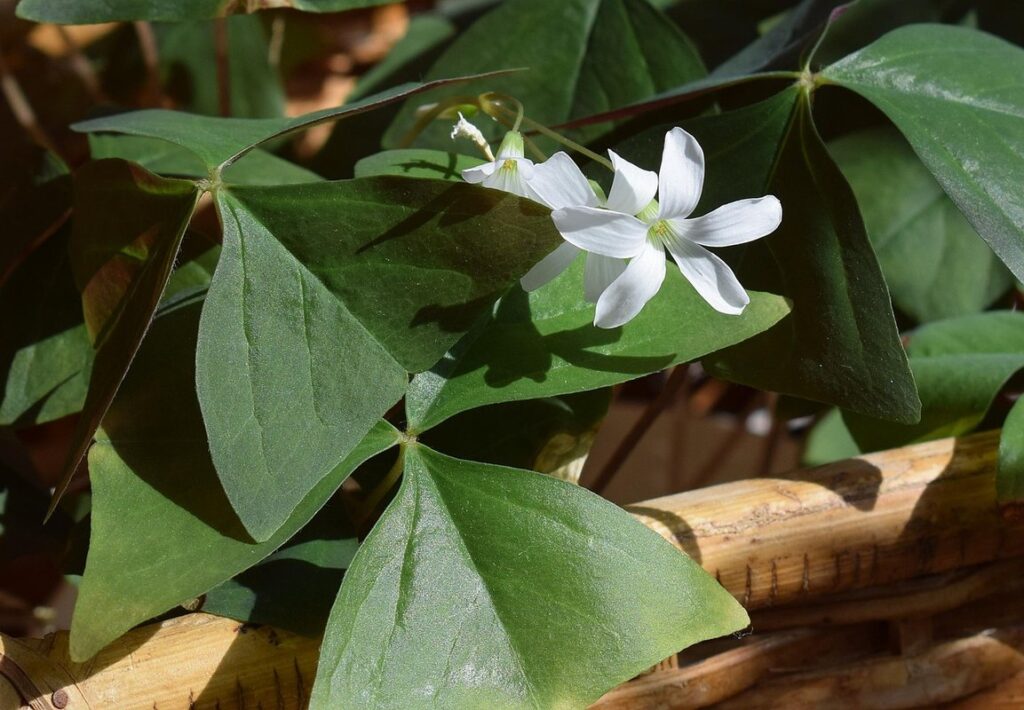
At its core, the shamrock flower plant is a perennial native to Europe and Asia, with the scientific name Oxalis stricta or wood sorrel. One of the most distinctive features of this plant is its unique three-leafed shape, which has contributed significantly to its popularity and cultural significance.
The shamrock’s trifoliate leaves have been a source of fascination for centuries, particularly in Ireland where it’s said to have been used by Saint Patrick as a symbol of Christianity. According to legend, the three leaves represented the Holy Trinity – the Father, the Son, and the Holy Spirit. This association has led to the shamrock being an enduring emblem of Irish heritage.
It’s worth noting that while the shamrock is often associated with Ireland, it can be found growing in a range of environments across Europe and Asia. Its adaptability and hardiness have made it a popular choice for gardeners and nature enthusiasts alike, who appreciate its delicate beauty and low-maintenance requirements.
Types of Shamrock Plants
Shamrock plants are not limited to a single species, but rather encompass several types that offer unique characteristics and growing conditions. One of the most common varieties is Oxalis deppei, also known as the False Shamrock or Love Plant, which boasts delicate, three-lobed leaves and vibrant purple flowers.
Another popular type is the Irish Shamrock (Oxalis acetosella), a perennial plant native to Europe that features heart-shaped leaves with yellow flowers. In contrast, the Common Wood Sorrel (Oxalis stricta) has triangular leaves with white or pinkish flowers and prefers well-drained soil in woodland environments.
When selecting a shamrock plant for your garden, consider factors like light exposure, temperature, and watering needs. For instance, Oxalis deppei requires bright indirect light and moderate watering, while the Irish Shamrock tolerates partial shade and moist soil. By understanding the specific requirements of each type, you can create a thriving environment for your chosen shamrock plant to flourish.
Some species, such as the Butterfly Shamrock (Oxalis triangularis), have adapted to withstand extreme conditions, making them ideal for indoor containers or challenging outdoor spaces. Researching and choosing a suitable variety will ensure a beautiful addition to your garden or home decor.
History and Cultural Significance
The shamrock has been a revered symbol for centuries, with its rich history deeply intertwined with Irish culture and tradition. Let’s explore how this lovely flower came to hold such significance.
Irish Heritage
For centuries, the shamrock has been an integral part of Irish heritage and mythology. Its connection to St. Patrick’s Day is perhaps one of the most well-known associations. According to legend, Saint Patrick used the shamrock to explain the concept of the Holy Trinity to the pagan Irish in the 5th century. The three-leafed plant was said to represent the Father, the Son, and the Holy Spirit.
To this day, the shamrock remains a symbol of Ireland’s rich cultural heritage. On St. Patrick’s Day, it’s common for people to wear shamrocks as pins or emblems to celebrate their Irish roots. The tradition has also led to the widespread use of shamrock-themed decorations and accessories. For those looking to tap into this cultural significance, growing your own shamrock plant can be a meaningful way to connect with Ireland’s heritage.
When choosing a shamrock variety for planting, consider those with three leaves or more. This will help you replicate the iconic symbol associated with St. Patrick. With proper care and conditions, your shamrock plant should thrive and provide a lasting connection to Irish culture.
Symbolism and Meaning
In Ireland, the shamrock is more than just a three-leafed plant; it’s a symbol of good fortune and prosperity. For centuries, it has been associated with Saint Patrick, Ireland’s patron saint, who used the shamrock to explain the concept of the Holy Trinity to pagans. The shamrock’s unique shape and symbolism have made it a powerful emblem in Irish culture.
As a symbol of faith, the shamrock is often worn on St. Patrick’s Day, March 17th, as a reminder of Ireland’s rich heritage. In many homes, a sprig of shamrock is displayed proudly as a good luck charm. It’s not uncommon to see people carrying small potted shamrocks or wearing shamrock-shaped accessories as a symbol of their Irish pride.
To incorporate the symbolism of the shamrock into your life, consider growing your own shamrock plant indoors or outdoors. Not only will it bring you good fortune, but it’ll also serve as a beautiful reminder of Ireland’s rich history and culture. Simply plant the seeds in well-draining soil, water regularly, and enjoy the benefits of this beloved flower.
Growing and Caring for Shamrock Plants
To keep your shamrock plant thriving, it requires regular watering, proper lighting, and occasional pruning to maintain its lush, green foliage. With a little care, you can enjoy this charming plant all year round.
Planting Conditions
When planting shamrock plants, it’s essential to provide them with the right conditions for optimal growth. Shamrocks prefer well-draining soil that is rich in organic matter, such as peat moss or compost. Avoid using regular potting soil, as it can retain too much water and cause root rot.
In terms of sunlight, shamrocks require bright, indirect light but not direct sunlight, which can scorch their leaves. East- or west-facing windows are ideal for shamrock plants. If you’re growing outdoors, choose a location with partial shade to prevent the leaves from becoming scorched.
Watering needs should be moderate, allowing the soil to dry slightly between waterings. Overwatering is common when it comes to shamrocks, so check the soil moisture by inserting your finger into the soil up to the first knuckle. If the soil feels dry, it’s time to water. Water thoroughly until you see water coming out of the drainage holes.
It’s also crucial to maintain a consistent temperature between 65°F and 75°F (18°C and 24°C), which is ideal for shamrock growth.
Propagation Methods
Propagating shamrock plants is an exciting process that allows you to multiply these beautiful and symbolic flowers. Shamrocks can be propagated through division, seed germination, and leaf cuttings, each method having its own advantages and requirements.
Division is the most common method of propagating shamrocks, where a mature plant is divided into smaller sections, each with its roots intact. This method is ideal for sharing plants or multiplying them quickly. To divide a shamrock plant, carefully remove it from its pot, gently tease apart the roots using a blunt instrument, and then separate the sections. Make sure each section has at least one set of leaves to ensure it can photosynthesize.
Seed germination requires more patience as it takes about 6-12 weeks for seeds to sprout. Sow shamrock seeds on top of well-draining seed starting mix, keeping them moist but not waterlogged. Leaf cuttings are another method where a healthy leaf is removed from the plant and rooted in a potting medium. This method works best with young leaves that have a node (where the leaf meets the stem).
It’s essential to note that shamrocks can be sensitive to over-watering, so make sure your propagation medium isn’t too moist. Provide bright, indirect light for the new plants as they establish themselves.
Health Benefits and Uses
Beyond its lovely appearance, the shamrock flower plant has several health benefits and uses that you can easily incorporate into your daily life to improve well-being. Let’s explore these advantages together!
Medicinal Properties
Shamrock plants have been used for centuries in traditional medicine to treat various ailments. In Irish folklore, it’s believed that shamrocks can cure everything from snake bites to boils. While some of these claims may seem far-fetched, modern research has confirmed the plant’s potential medicinal properties.
One of the most significant benefits of shamrock plants is their ability to promote digestive health. The leaves contain compounds like tannins and flavonoids, which have been shown to reduce inflammation and improve gut function. In fact, a study published in the Journal of Ethnopharmacology found that an extract from shamrock plants was effective in treating irritable bowel syndrome (IBS) symptoms.
Shamrocks are also rich in antioxidants, which can help protect against cell damage and reduce oxidative stress. This makes them a valuable addition to any natural remedy for stress relief or anti-aging treatments. To harness the medicinal properties of your shamrock plant, simply steep the leaves in hot water to create a soothing tea, or add them to your favorite smoothie recipe.
Some traditional remedies using shamrocks include:
* Using the flowers as a poultice for skin irritations
* Making a tea from the leaves to treat fever and respiratory issues
* Adding the plant’s extract to creams and ointments for wound healing
Culinary and Decorative Uses
In addition to its medicinal properties and symbolic significance, the shamrock flower plant is also valued for its culinary and decorative uses. In cooking, shamrock leaves can be used as a flavorful and nutritious ingredient in various dishes. They have a slightly bitter taste, similar to spinach or kale, making them an excellent addition to salads, smoothies, and sautés.
To use shamrock leaves in cooking, simply harvest the young leaves from the plant and wash them thoroughly. Chop or tear the leaves into desired sizes and add them to your recipe. You can also preserve the leaves by freezing or dehydrating them for later use.
As a decorative element, shamrock flowers are highly prized for their three-lobed leaves, which are often used in floral arrangements and wreaths. To incorporate shamrock plants into your garden design, consider planting them alongside other low-maintenance perennials that attract pollinators. Indoors, you can place potted shamrock plants on a sunny windowsill or use the leaves as a creative garnish for your home decor.
Common Problems and Pests
When growing shamrock flower plants, it’s not uncommon for gardeners to encounter common problems and pests that can harm their beloved plants. Here are some potential issues you should watch out for.
Pest Control and Prevention
Shamrock plants are prone to attracting pests that can cause damage and discoloration. One of the most common pests affecting shamrock plants is slugs and snails, which feed on the leaves and flowers. To prevent infestations, ensure good air circulation around the plant by keeping it away from walls and other plants.
Regularly inspect your shamrock plant for signs of pest activity, such as holes in leaves or a sticky substance on the leaves. If you notice any damage, use a solution of 1 tablespoon of neem oil mixed with 2 tablespoons of water to repel slugs and snails. Alternatively, you can also use copper tape around the pot’s rim to deter these pests.
Preventing pest infestations requires attention to soil quality and moisture levels. Avoid overwatering your shamrock plant as it makes the leaves susceptible to fungal diseases that attract pests. Instead, water sparingly and ensure good drainage by using a well-draining potting mix.
Diseases and Troubleshooting
Diseases and Troubleshooting for Shamrock Plants
Shamrock plants are generally resistant to pests and diseases, but they can still be susceptible to certain issues if not properly cared for. One of the most common problems faced by shamrock plant owners is root rot caused by overwatering. This occurs when the soil remains waterlogged for too long, leading to the roots suffocating and eventually rotting away.
To identify root rot, check for yellowing leaves, soft stems, and a foul odor coming from the pot. If you suspect your shamrock plant has root rot, stop watering immediately and repot it in fresh, well-draining soil. Remove any affected roots with sterile scissors to prevent the spread of disease.
Another issue that may arise is leaf spot, which is caused by fungal infections brought on by excess moisture. To treat leaf spot, remove any infected leaves and increase air circulation around the plant. You can also apply a fungicide specifically designed for indoor plants to help combat the infection.
Regularly inspecting your shamrock plant and taking prompt action when problems arise will help prevent serious issues from developing.
Conclusion and Final Tips
As you’ve learned more about the beautiful shamrock flower plant, it’s time to put your newfound knowledge into action with some final tips for success. Now, let’s wrap up this journey together!
Recap of Key Points
As you’ve learned throughout this article, shamrock flower plants are truly special. They’re not only a symbol of good luck and Irish heritage but also offer numerous benefits for indoor gardens and households. To recap, let’s revisit the key points:
Shamrock flowers thrive in low-light conditions, making them perfect for rooms with limited natural light. With proper care, they can bloom continuously throughout the year. Their unique ability to purify the air by removing toxins like formaldehyde and benzene makes them an excellent choice for indoor spaces.
When choosing a shamrock flower plant, look for ones with vibrant green leaves and delicate white flowers. Water them sparingly, allowing the soil to dry slightly between waterings. Fertilize them regularly during the growing season, and prune old or damaged leaves to maintain their shape.
Some of the unique characteristics we’ve discussed include their ability to grow on a variety of surfaces, including rocks, trees, and even glass. Shamrock flowers also have medicinal properties, with some studies suggesting they may help alleviate anxiety and stress.
By incorporating these tips into your gardening routine, you can enjoy the many benefits that shamrock flower plants have to offer.
Additional Resources and Next Steps
If you’ve fallen in love with the charming shamrock flower plant, there’s plenty more to explore. For growers who want to dive deeper into the world of Oxalis, here are some valuable resources and next steps to consider:
* The Royal Horticultural Society (RHS) offers a wealth of information on growing Oxalis, including specific advice on lighting, watering, and soil requirements.
* Online plant communities like Reddit’s r/plantcare and PlantSnap can connect you with fellow shamrock enthusiasts who share their experiences and tips for success.
* If you’re interested in learning more about the history and cultural significance of the shamrock, consider visiting the National Museum of Ireland or checking out books on Irish folklore and mythology.
For those looking to expand their plant collection, Oxalis is relatively easy to propagate. You can use division, leaf cuttings, or even seed to multiply your favorite shamrocks. Be sure to research the specific needs for each method to ensure success.
Frequently Asked Questions
Can I grow shamrock plants indoors if I don’t have a garden?
Yes, shamrock plants can thrive indoors with the right conditions. Provide them with bright, indirect light and maintain a consistent temperature between 60-75°F (15-24°C). Keep the soil moist but not waterlogged to prevent root rot.
Are all types of shamrocks edible?
Not all shamrocks are safe for consumption. While some species like Oxalis stricta have edible leaves and flowers, others may cause adverse reactions or be toxic. Always research the specific type you’re growing before using it in cooking or medicine.
How do I propagate shamrock plants to share with friends and family?
Shamrock plants can be propagated through division or seed. For division, carefully separate established roots into smaller sections, making sure each has some growth nodes. Plant these divisions in well-draining soil and keep them moist until they establish themselves. You can also collect seeds from mature flowers and sow them in a controlled environment.
Can I use shamrock plants for medicinal purposes without proper knowledge?
No, it’s essential to consult with a medical professional before using any plant for medicinal purposes, especially if you’re new to herbalism. Shamrocks have been used historically for various health benefits, but their effects can vary depending on the individual and specific condition being treated.
Are shamrock plants sensitive to pests or diseases?
Like many plants, shamrock plants are susceptible to pests like aphids, slugs, and snails. Regularly inspect your plants for signs of infestation, and use organic pest control methods whenever possible. Disease prevention is also crucial; ensure good air circulation, maintain proper watering habits, and remove any infected leaves or stems promptly.