
Growing your own shallots can be a delightful experience, but it requires some knowledge and care to ensure a successful harvest. Many gardeners struggle with the process, but don’t worry, we’ve got you covered. Our comprehensive guide is here to walk you through every step of planting and caring for your shallot crop. We’ll start by discussing the various types of shallots available, so you can choose the right one for your needs. Then, we’ll dive into soil preparation and planting techniques, including how to plant shallots in a way that promotes healthy growth and prevents common problems. Throughout this article, we’ll share expert tips on caring for your shallot crop, from watering and fertilizing to pest management and harvesting.
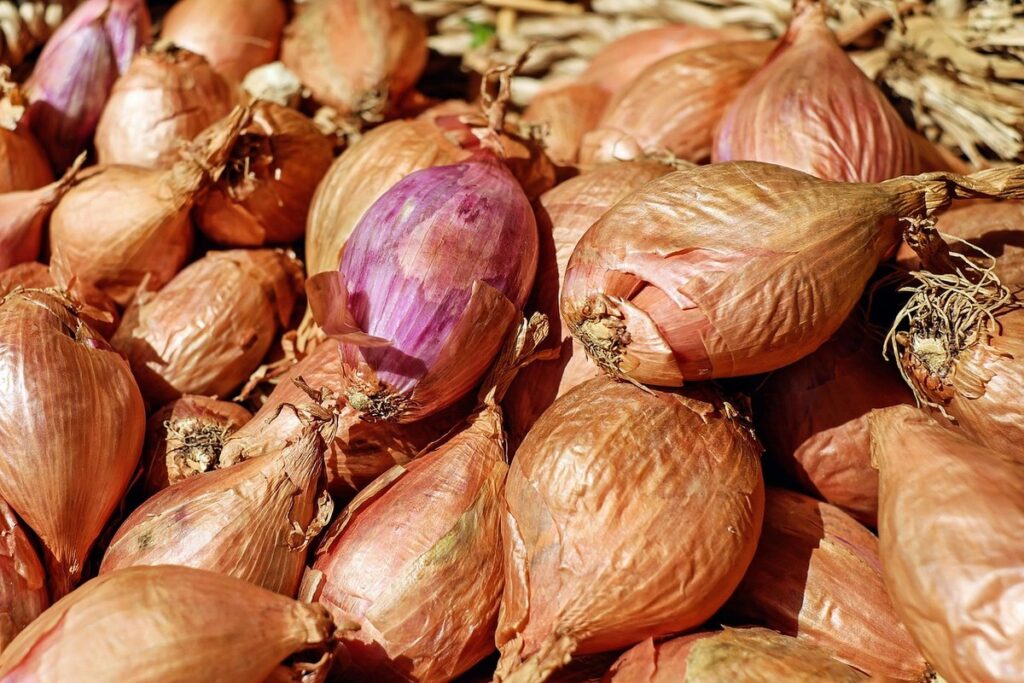
Choosing the Right Variety
When it comes to growing shallots, selecting the right variety can make all the difference in terms of flavor and ease of cultivation. Let’s explore the key factors to consider when choosing a shallot variety.
Understanding Shallot Types
When it comes to shallots, you’ll find that there are several types to choose from, each with its own unique characteristics and uses. Bunching shallots, for instance, are perfect for adding a punch of flavor to salads and sauces. They’re typically harvested before they reach maturity, leaving the bulb intact but separating the individual cloves.
On the other hand, storage shallots are ideal for cooking and storing throughout the year. These varieties are larger and more robust than bunching shallots, with a stronger flavor that’s perfect for roasted vegetables, soups, and stews.
Specialty varieties like ‘French Red’ and ‘Roulette’ offer a range of flavors and textures to experiment with in your kitchen. Some specialty varieties are bred specifically for their unique characteristics, such as the ‘Beltsville Bunching’ shallot, which has a sweeter flavor than traditional bunching shallots.
When selecting a variety, consider factors like climate, soil type, and intended use. For example, if you’re planning to store your harvest, choose a storage shallot with a robust flavor and high water content. By choosing the right variety for your needs, you’ll be well on your way to enjoying a bountiful harvest of delicious shallots.
Selecting High-Quality Shallot Bulbs
When selecting high-quality shallot bulbs for planting, it’s essential to choose ones that are healthy and disease-free. Start by inspecting the packaging, looking for firm bulbs that are not crushed or damaged during shipping. Avoid bags with tears or holes, as this can lead to moisture entering the bag and promoting mold growth.
Next, examine each bulb individually. Check for any visible signs of mold, rot, or soft spots, which can be a sign of fungal diseases. Firm shallot bulbs should have a smooth, even surface and feel heavy for their size. If you notice any irregularities or odors, it’s best to err on the side of caution and choose another bulb.
When purchasing from a nursery or garden center, ask about the origin and storage conditions of the shallots. Bulbs that are stored in a cool, dry place will generally be in better condition than those exposed to heat, humidity, or direct sunlight. By taking these simple steps, you’ll increase your chances of growing healthy, productive shallot plants with minimal disease issues.
Preparing the Soil and Climate
Before you start planting, it’s essential to prepare your soil and climate for shallots. This step will ensure your bulbs develop strong roots and healthy growth throughout their growing season.
Creating a Suitable Growing Environment
When it comes to growing shallots, understanding the specific requirements for soil type, pH, temperature, and sunlight is crucial. Shallots prefer well-draining, fertile soils with a slightly acidic to neutral pH (around 6.0-7.0). Sandy loams or clay loams are ideal, as they retain moisture but also allow for good drainage.
To prepare the soil for planting, add organic matter like compost or manure to improve fertility and structure. Mix in about 2-3 inches of compost into the top 8-10 inches of soil. This will help shallots absorb essential nutrients and water efficiently.
Temperature-wise, shallots thrive in temperatures between 60°F (15°C) and 80°F (27°C). Avoid planting in areas with standing water or where water tends to collect. In terms of sunlight, choose a location that receives full sun to partial shade. Aim for at least six hours of direct sunlight per day.
Before planting, test your soil pH and adjust it if necessary. This will ensure shallots grow healthy and robustly.
Managing Soil Moisture and Fertility
Maintaining optimal soil moisture levels is crucial for healthy shallot growth. Over-watering can lead to root rot and other problems, while under-watering stunts growth. To achieve the right balance, check the soil daily by inserting your finger into it up to the first knuckle. If the soil feels dry at this point, it’s time to water.
Shallots prefer well-draining, fertile soil with a pH between 6.0 and 7.0. Add compost or well-rotted manure to improve soil fertility and structure. You can also use a balanced fertilizer according to the manufacturer’s instructions. Avoid over-fertilizing, as this can damage your shallot bulbs.
To maintain soil health, consider incorporating cover crops like clover or rye into your rotation. These crops help retain moisture, suppress weeds, and add nutrients to the soil. Also, avoid tilling the soil too deeply, as this can damage roots and disrupt soil microorganisms. Instead, use a shallow tiller or mulch to maintain a healthy soil ecosystem. By paying attention to these details, you’ll be well on your way to growing robust, flavorful shallots.
Planting Shallots: Techniques and Timing
When it comes to planting shallots, timing is everything. Let’s dive into the techniques and considerations you need to get right for a successful harvest every time.
When to Plant Shallots
When it comes to planting shallots, timing is everything. The ideal time for planting shallots depends on your location and climate zone. In regions with mild winters, such as USDA zones 7-10, spring is a great time to plant shallots. This allows the bulbs to mature before the heat of summer sets in.
In areas with harsher winters, fall is the better option. Planting in the fall gives shallot bulbs a head start on the growing season, allowing them to establish themselves before winter dormancy. For instance, if you live in USDA zone 4, plant shallots in late August or early September for a spring harvest.
It’s also essential to consider local weather patterns. In regions with hot summers, it’s best to plant shallots in the cooler months to avoid heat stress. Conversely, in areas with short growing seasons, planting in the spring may be necessary to ensure a bountiful harvest. Be sure to check your local climate conditions and plan accordingly for optimal results.
Sowing Shallots Correctly
When sowing shallot bulbs, it’s essential to get the depth and spacing just right. This will give your shallots a strong start and set them up for a healthy, thriving harvest.
First, choose a spot with well-draining soil that’s rich in organic matter. Shallots prefer a slightly acidic pH between 6.0 and 7.0. Dig a shallow trench, about 2-3 times the depth of the shallot bulb. Place the bulb in the trench, making sure the base is facing upwards.
The general rule for spacing shallots is to plant them 4-6 inches apart. This allows for good air circulation and prevents fungal diseases from taking hold. If you’re planting multiple rows, leave about a foot or so between each row. Once the bulbs are in place, cover them with soil, firming it gently as you go.
By following these simple steps, you’ll be well on your way to growing delicious, disease-free shallots that will add flavor and texture to your cooking all year round.
Caring for Your Shallot Crop
Now that you’ve successfully grown your shallots, it’s time to learn how to care for them properly so they continue to thrive and produce. This is where things can get a bit tricky if not done correctly.
Watering and Mulching Strategies
When it comes to watering and mulching shallots, getting it right can make all the difference in their growth and flavor. As a general rule of thumb, water your shallot plants when the top 1-2 inches of soil feels dry to the touch. However, be cautious not to overwater, as this can lead to root rot and other issues.
Aim to provide about 1 inch of water per week, either from rainfall or irrigation. If you’re using a drip irrigation system, make sure to distribute the water evenly around each plant. For those with traditional sprinklers, try to avoid overhead watering, which can encourage fungal growth.
When it comes to mulching, there are several materials you can use. Organic options like straw, bark chips, or leaves help retain moisture and suppress weeds. A 2-3 inch layer of mulch is ideal, but be sure not to cover the base of the plants. You can also repurpose household items like newspaper clippings or cardboard scraps as a budget-friendly alternative.
Common Pests and Diseases and How to Manage Them
Shallots are susceptible to several common pests and diseases that can significantly impact their yield. One of the most insidious threats is nematodes, microscopic worms that feed on the plant’s roots and can cause stunted growth and reduced yields. To manage nematode infestations, consider using crop rotation techniques or planting resistant varieties.
Leaf blight, a fungal disease caused by Botrytis, can also affect shallots, causing yellowing leaves and black spots. This can be managed through good air circulation, removing infected leaves, and applying fungicides as a last resort. Integrated pest management (IPM) is key to keeping your shallot crop healthy.
For organic control methods, try introducing beneficial insects like nematode-attacking Steinernema species or using neem oil to deter pests. Crop rotation can also help break the disease cycle by providing a clean slate for your next planting season. Regular monitoring and swift action are essential in preventing pest and disease outbreaks from getting out of hand.
To further minimize risks, keep your soil well-drained, maintain optimal watering levels, and ensure good sanitation practices around your crop.
Harvesting and Storing Shallots
Now that you’ve nurtured your shallot crop, it’s time to bring home the harvest! This section will walk you through the best ways to harvest and store shallots for a long-lasting flavor boost.
Identifying Ready-to-Harvest Shallots
As you approach harvest time, it’s essential to identify when your shallots are ready for picking. This is often a straightforward process, but it requires attention to detail and a bit of experience.
To determine if your shallots are mature, look for the following characteristics: size, color, and texture. Shallots typically reach their full size by late summer or early fall, about 4-6 months after planting. A mature shallot bulb should be around 1-2 inches in diameter, with a firm, unyielding skin that’s not easily pierced.
Check the color of the neck and base of the bulb. As they ripen, shallots turn from green to a rich brown or tan color. Avoid harvesting when the tops are still green, as this indicates immature growth. Gently dig around the shallot with your fingers, taking care not to damage the bulbs. If they come out easily, it’s likely that they’re ready for harvest.
Be mindful of over-maturity, as this can lead to poor storage quality and flavor loss. Use your best judgment based on these indicators, and you’ll be harvesting perfectly ripe shallots in no time!
Tips for Proper Storage and Handling
Proper storage and handling of harvested shallots are crucial to maintaining their quality and shelf life. Once you’ve completed harvesting, it’s essential to cool the shallots as soon as possible to prevent moisture from accumulating and causing rot. You can spread them out in a single layer on a tray or basket, allowing for good air circulation around each bulb.
Next, cure the shallots by leaving them in a warm, dry place with good ventilation for 7-10 days. This step helps to toughen up the skin of the shallots and prevent moisture from entering during storage. After curing, transfer the shallots to breathable bags or mesh sacks, making sure they’re not touching each other.
When storing, keep the bags in a cool, dark place with consistent temperatures between 32°F and 50°F (0°C and 10°C). Avoid storing shallots near potatoes, as the moisture from the potatoes can cause the shallots to rot. Regularly check on the stored shallots for any signs of mold or decay, and remove any affected bulbs promptly to prevent spoilage. By following these steps, you’ll be able to enjoy your harvested shallots for a longer period while maintaining their quality.
Troubleshooting Common Issues
We’ve all been there – a shallot crop that just won’t thrive. This section will walk you through common issues and their simple solutions to get your plants back on track.
Overcoming Poor Growth or Low Yield
If you’re noticing poor growth or low yield from your shallots, there are several potential causes to investigate. Soil quality is a critical factor; if the soil lacks nutrients or has poor drainage, it can stunt growth and reduce yields. Inspect your shallot bed for signs of nutrient deficiencies, such as yellowing leaves or weak stems. Test your soil pH levels and adjust accordingly, as shallots prefer a slightly acidic to neutral environment.
Another common issue is pest infestation. Keep an eye out for aphids, slugs, and snails, which can cause significant damage if left unchecked. Use organic or chemical controls as needed to maintain a healthy population of beneficial insects that prey on these pests. If you’ve taken steps to prevent pests and your shallots are still struggling, consider factors like watering schedules and spacing between plants.
For example, overwatering can lead to root rot and kill entire beds of shallots, while inadequate water can cause them to bolt prematurely. To avoid this issue, check the soil regularly for moisture levels, and adjust your irrigation schedule accordingly. If you’re experiencing low yield, consider thinning out weaker or more spindly plants to direct resources towards healthier growth.
Extending Shallot Season with Succession Planting
To make the most of your shallot crop and enjoy a longer harvest period, consider implementing succession planting. This technique involves staggering seedlings so that they mature at different times, ensuring a continuous supply of fresh shallots.
Start by planning multiple plantings 2-3 weeks apart. Sow seeds thinly in rows, spacing them about an inch apart. As new shoots emerge, thin them out to around 6 inches between each plant. This allows the remaining shallot bulbs to grow larger and more evenly sized.
You can have a total of three or four batches per growing season, depending on your climate and region. Keep in mind that cooler temperatures during germination will help prevent seeds from sprouting unevenly. Make sure to rotate your crops annually, as shallots prefer well-drained soil with a slightly acidic pH.
Frequently Asked Questions
Can I plant shallots from the store-bought onions?
No, it’s not recommended to plant onions or garlic that are commonly found in supermarkets as they may be treated with chemicals or bred for storage rather than garden production.
How do I handle pests like aphids and thrips on my shallot crop?
To manage aphids and thrips, use neem oil or insecticidal soap at the first sign of infestation. Regularly inspect your plants, and maintain good hygiene by removing weeds that can harbor these pests.
Should I plant shallots in a container or directly in the ground?
Shallots prefer well-draining soil and full sun, making containers an excellent option if your yard has poor drainage or limited space. Use a large pot (at least 6-8 inches deep) with good soil quality to promote healthy growth.
Can I grow shallots year-round in warm climates?
While shallots can tolerate warmer temperatures, they still require a period of cool weather to induce dormancy and subsequent bulb formation. In regions with mild winters, plant shallots in the fall for a spring harvest or use succession planting to extend the growing season.
How do I store harvested shallots to maintain their flavor and quality?
To keep your stored shallots fresh, tie them together in small bunches and hang them upside down in a cool, dry place with good air circulation. This will help prevent moisture from accumulating between the bulbs.