
Are you tired of scorching summer days spent lounging in direct sunlight? Do you dream of a serene oasis where you can escape the heat and connect with nature? Shady garden designs offer more than just relief from the sun’s rays – they provide seclusion, intimacy, and a chance to live sustainably. By harnessing the power of shade, you can create a haven that not only reduces heat gain but also requires less maintenance and care for your plants.
In this article, we’ll delve into the world of shady garden designs, exploring the benefits of creating a shaded oasis in your own backyard. From expert tips on plant selection to innovative design ideas, we’ll cover everything you need to know to bring the serenity of shade right to your doorstep. Whether you’re a seasoned gardener or just starting out, our guide will show you how to create a beautiful and functional space that’s perfect for relaxation, entertainment, or simply enjoying the great outdoors.
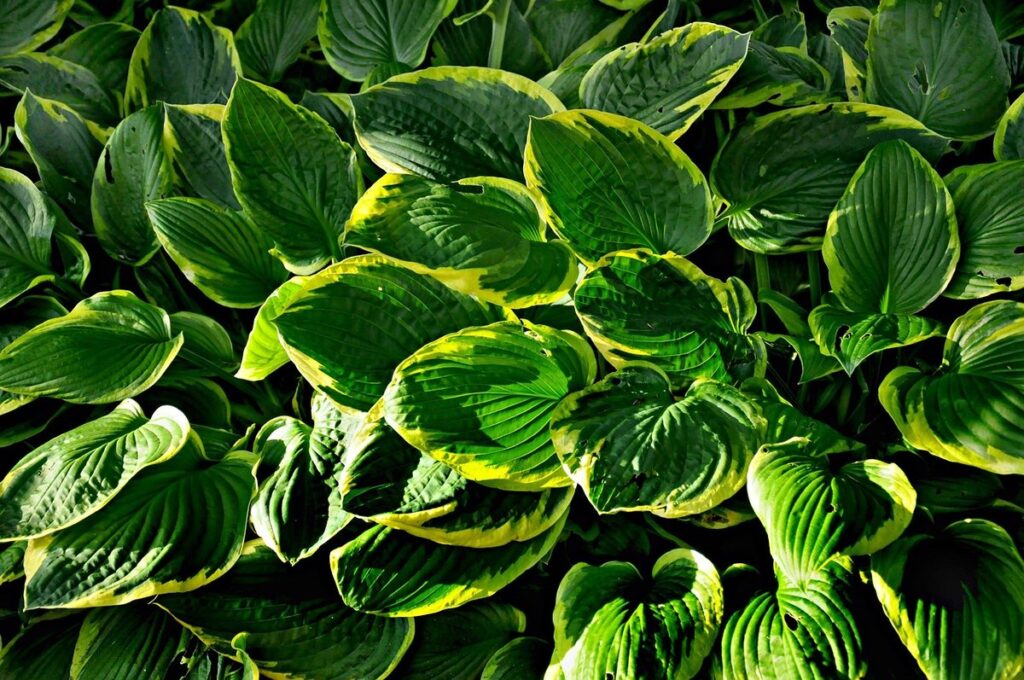
Understanding the Benefits of Shady Gardens
Shady gardens aren’t just for plants that prefer shade, they can also add depth and ambiance to your outdoor space. Let’s explore the benefits of creating a beautiful shady garden.
Creating a Sense of Seclusion and Intimacy
When designed thoughtfully, shady gardens can provide a serene escape from the world outside. To create a sense of seclusion and intimacy in your own shaded oasis, consider incorporating elements that block or obscure view from neighboring properties or public spaces.
Use dense plantings of foliage such as tall ferns, shrubs, or flowering trees to create a natural barrier between you and the outside world. These can be strategically placed around seating areas, walkways, or other focal points in your garden. For example, a row of Japanese maples or a stand of bamboo can effectively screen out unwanted views while adding beauty and texture to your space.
In addition to physical barriers, consider using lighting design to create pools of warm glow that draw the eye inward. This can be achieved with string lights, lanterns, or even solar-powered lights that cast a soft, ambient light on paths, water features, or other focal points in your garden. By carefully selecting plants and incorporating thoughtful lighting design, you can create a peaceful retreat that feels worlds away from the hustle and bustle of daily life.
Reducing Heat and Energy Consumption
By incorporating strategically designed shady areas into your outdoor space, you can not only create a beautiful and inviting atmosphere but also contribute to a more sustainable lifestyle. One of the most significant benefits of shaded gardens is their ability to reduce heat gain in buildings, which can lower cooling costs and decrease the strain on air conditioning units.
According to studies, well-designed shady areas can reduce urban heat island effects by up to 10%. This is especially important for cities with high population densities where temperatures can skyrocket during the summer months. By incorporating strategically placed trees, shrubs, or other foliage into your garden design, you can create a cooler and more comfortable outdoor space that also benefits the environment.
In addition to reducing heat gain, shaded gardens can also provide valuable insulation against cold temperatures in the winter. This is because vegetation acts as a natural barrier against wind and cold air, keeping your home warmer for longer. By carefully selecting plants and designing your garden with shading in mind, you can enjoy a more sustainable outdoor space that benefits both your wallet and the planet.
Designing for Wildlife Habitat and Biodiversity
Incorporating native plants and trees into your shady garden design is essential for promoting biodiversity and ecological balance. By providing shelter and food for local wildlife, you’re creating a haven for the creatures that live in and around your home. Start by selecting plant species that are native to your region, as they’ll require less maintenance and support from fertilizers or pesticides. For example, consider adding shrubs like dogwood or hawthorn, which provide berries and shelter for birds and small mammals.
In addition to plants, strategically place trees to create a canopy that filters sunlight and provides shade for wildlife. Deciduous trees like oak or maple are great options, as they offer seasonal interest with changing foliage. When selecting native trees, consider factors like mature size, growth rate, and root depth to ensure they’ll thrive in your garden.
To further enhance biodiversity, incorporate features like rock piles, logs, or brush heaps that provide shelter for small animals. By designing a shady garden that celebrates local wildlife, you’re not only creating a beautiful outdoor space but also contributing to the health of your ecosystem.
Choosing the Right Plants for Your Shady Garden
When it comes to creating a lush and vibrant shady garden, selecting the right plants is crucial. Let’s explore some top picks that thrive in low-light conditions.
Selecting Shade-Tolerant Perennials and Trees
When selecting shade-tolerant perennials and trees for your garden, it’s essential to consider the specific climate you’re in. In cooler climates, plants like ferns, hostas, and astilbe thrive in partial to full shade. These plants are perfect for adding a pop of color and texture to your shady garden.
In warmer climates, however, plants with deeper root systems that can access moisture deep within the soil are more suitable. Some excellent options include elephant ear, canna, and bird of paradise. When choosing perennials, also consider their mature size and growth habits to ensure they won’t overcrowd each other or compete for resources.
For trees, look for species like maple, oak, and cherry that tolerate shade well and provide a canopy of dappled light. Consider the ultimate spread of these trees and leave enough space for them to grow without interfering with surrounding plants. By selecting the right plants for your climate and shady conditions, you can create a thriving garden that brings depth and ambiance to your outdoor space.
Incorporating Ground Covers and Vines for Texture and Interest
When designing a shady garden, it’s easy to get caught up in choosing plants that thrive in sunlight. However, there are many beautiful ground covers and vines that excel in low-light conditions, adding depth, texture, and visual interest to the space. Consider incorporating these versatile options into your design.
Start by selecting ground covers with varying leaf sizes and textures, such as creeping thyme or sweet woodruff. These plants will spread quickly to cover bare spots, creating a lush appearance even in areas with limited sunlight. For added visual interest, try layering different types of vines, like English ivy or clematis, which can be trained to climb up walls or trellises.
Some practical tips for incorporating ground covers and vines include:
• Plant them densely to create a seamless transition between plants
• Mix different heights and textures to add depth to the space
• Use vines to create vertical interest by training them to grow up walls or pergolas
• Choose varieties that require minimal maintenance, such as low-watering or low-pruning requirements
Considering Seasonal Color and Floral Displays
When designing a shady garden, it’s easy to focus solely on foliage and forget about adding pops of color. However, seasonal color and floral displays can add immense depth and ambiance to your outdoor space, even in shaded conditions. To achieve this, look for plants that thrive in shade and produce vibrant flowers or foliage throughout the year.
Some excellent options include Hellebores, which bloom in late winter and early spring, providing a much-needed splash of color during the coldest months. Hydrangeas are another great choice, with their large, showy blooms appearing in shades of pink, blue, and white from mid-summer to fall. Consider adding some low-maintenance perennials like Coral Bells or Astilbe to your garden, which produce vibrant flowers in shades of red, pink, and white throughout the growing season.
Remember to choose plants that fit your climate and soil type for optimal results. With a little planning, you can create a shady garden that’s full of color and life, even on the gloomiest of days.
Designing Shady Garden Spaces: Tips and Tricks
Now that you’ve chosen your shade-loving plants, let’s dive into designing a functional and beautiful shady garden space. This section will cover expert tips for creating a stunning oasis in even the shadiest of areas.
Maximizing Natural Light while Maintaining Shade
Balancing natural light with shade requirements can be a delicate task when designing shady garden spaces. However, by incorporating layered planting and selective pruning techniques, you can achieve the perfect balance between illumination and dappled shade.
When planning your shaded garden, consider layering different plant species to create a dynamic display of textures, colors, and growth habits. Begin with tall trees or shrubs that provide structural support and cast partial shade, then fill in gaps with smaller plants and groundcovers that thrive in low-light conditions. This layered approach not only creates visual interest but also ensures that your garden remains shaded while still allowing some sunlight to filter through.
Selective pruning is another essential technique for maintaining shade while maximizing natural light. By strategically pruning branches and foliage, you can control the amount of shade cast by plants and redirect light onto desired areas. Regular maintenance is key to achieving this balance – prune regularly to maintain the shape and density of your plants, ensuring they continue to thrive in their shaded environment.
Creating Multi-Functional Outdoor Rooms
Designing shady areas that serve multiple purposes is a great way to get more out of your outdoor space. Not only do multi-functional rooms provide added functionality, but they can also help create the illusion of a larger area by dividing up the space in creative ways.
Consider transforming a shaded corner into an outdoor living room, complete with plush seating and a cozy coffee table. This could be the perfect spot for family movie nights or intimate gatherings with friends. Alternatively, you could repurpose a shaded section as a children’s play area, equipped with a mini-playhouse, swings, and other kid-friendly activities.
If you’re short on space, consider converting a shaded nook into a home office or workspace. This is perfect for freelancers or remote workers who need a quiet, private spot to focus. When designing your multi-functional shady garden room, be sure to incorporate features like built-in storage, lighting, and electrical outlets to create a comfortable and functional space that meets all your needs.
To maximize the potential of your shaded outdoor space, don’t forget to choose furniture and decor that’s both durable and weather-resistant. This will ensure that your multi-functional room stays looking great even in harsh weather conditions.
Incorporating Water Features and Lighting for Ambiance
When designing a shady garden space, it’s essential to consider the subtle yet significant impact of water features and strategic lighting on ambiance. A well-placed water feature can transport you to a serene oasis, creating a sense of tranquility and calmness.
For instance, a small fountain or bubbling brook can be an excellent addition to a shaded area, providing a soothing background noise that masks any city sounds. Not only do water features create visual interest, but they also help to mask any lack of sunlight, making the space feel cozier.
Strategic lighting is equally important in setting the mood for your shady garden. Consider using warm-toned LED lights or lanterns to create pools of soft light amidst foliage. This will not only highlight architectural details and plant textures but also make the space feel more inviting and intimate. Experiment with placing lights at varying heights, such as above a seating area or beneath a trellis, to create a sense of depth and dimensionality.
When combining water features and lighting, the result is an ambiance that’s nothing short of magical.
Shady Garden Maintenance: Tips and Best Practices
To keep your shady garden looking its best, it’s essential to understand the unique maintenance needs of these areas, including pruning and watering techniques.
Mulching and Composting for Soil Health
When it comes to maintaining a healthy and thriving shady garden, one often-overlooked aspect is soil health. Mulching and composting are two essential practices that play a vital role in creating an environment conducive to plant growth.
Mulching helps retain moisture in the soil, suppress weeds, and regulate soil temperature. Organic mulch materials like wood chips or bark can be spread 2-3 inches thick around plants, while keeping it a few inches away from stems to prevent rot. Composting breaks down organic matter into a nutrient-rich fertilizer that promotes healthy root growth.
To start composting, begin with a mix of “green” (nitrogen-rich) and “brown” (carbon-rich) materials. Add kitchen scraps, grass clippings, and leaves to your compost pile, and periodically turn the mixture to aerate it. As you mulch and compost regularly, observe how your shady garden transforms – plants become healthier, more vibrant, and less susceptible to pests and diseases.
Pruning and Training Plants for Optimal Growth
When it comes to maintaining a shady garden, pruning and training plants is crucial for optimal growth, maximum shade provision, and aesthetic appeal. Pruning not only helps control the size of plants but also encourages new growth, promoting lush foliage and vibrant blooms.
To prune effectively, focus on removing dead or diseased branches, cutting back overgrown stems, and shaping plants to maintain a balanced structure. For example, consider pruning your hydrangeas in late winter or early spring to encourage blooming. When it comes to training plants, use techniques like staking, trellising, or caging to provide support for climbing species.
Additionally, train vining plants like ivy or Clematis to cascade over walls or cover unsightly areas, creating a lush canopy effect. Make sure to prune regularly throughout the growing season to maintain healthy growth and promote maximum shade provision. By doing so, you’ll not only enhance your garden’s visual appeal but also create a thriving ecosystem that benefits from optimal plant growth.
To avoid over-pruning, keep an eye on your plants’ response to pruning and adjust your technique accordingly.
Managing Pests and Diseases in Shady Gardens
When it comes to maintaining a shady garden, managing pests and diseases is crucial to keep your plants healthy and thriving. Shady conditions can create an ideal environment for certain pests and diseases to thrive, such as fungal infections like powdery mildew and leaf spot.
Common pests in shady gardens include slugs and snails, which feed on leaves and stems at night. To control these pests, consider using physical barriers or copper tape around plant stems, which they don’t like to cross over. You can also use beer traps or crush eggshells to deter them.
Regularly inspect your plants for signs of disease, such as yellowing leaves or black spots. Remove any affected areas and improve air circulation by pruning nearby plants. To prevent fungal diseases, avoid overhead watering and instead use soaker hoses or water at soil level.
Some shade-loving plants like impatiens and coleus are more susceptible to pests and diseases than others. Consider grouping them together to create a ‘plant hospital’ where you can easily monitor and treat any issues that arise. By staying vigilant and taking proactive measures, you can keep your shady garden healthy and pest-free.
Incorporating Hardscapes and Outdoor Features into Your Shady Garden Design
When designing a shady garden, don’t forget to incorporate functional outdoor features that complement your lush foliage. From patios to walkways, these hardscapes can add depth and ambiance to your space.
Patio and Pathway Ideas for Shaded Areas
When it comes to shady garden designs, patios and pathways can be more than just functional features – they can also add depth and ambiance to your outdoor space. Consider incorporating patios with built-in seating areas, fire pits, or water features to create inviting gathering spaces that are perfect for relaxing on a warm afternoon.
For walkways, use materials like bluestone, gravel, or brick to create a visually appealing path that complements the surrounding foliage. You can also incorporate string lights or lanterns to add warmth and ambiance to your patio or pathway at night. To enhance functionality, consider adding built-in planters or trellises along your walkways, which not only provide structural support but also add visual interest.
When designing patios and pathways in shaded areas, be mindful of the overall aesthetic you want to achieve. For example, a modern design might feature clean lines and minimalist materials, while a more rustic look could incorporate natural stone or reclaimed wood.
Water Feature Options for Shady Gardens
Incorporating water features into your shady garden design can add an extra layer of ambiance and tranquility. One popular option is a small pond, which can be as compact as 2×3 feet and still provide the soothing sounds of gently moving water. These ponds are perfect for shady areas because they don’t require direct sunlight to function properly.
Another option is to install a rain garden, which collects and filters rainwater runoff from your roof or other hard surfaces. This not only helps with stormwater management but also creates a beautiful feature in your yard that can be designed to attract birds and butterflies. Consider incorporating plants like cattails or water lilies into your design for added visual interest.
If you’re short on space, a small fountain or bubbling rock can still provide the soothing sounds of moving water without taking up too much room. These types of features are perfect for small shady gardens or as an accent piece in a larger design.
Outdoor Lighting Strategies for Ambiance and Safety
When designing your shady garden, it’s easy to overlook the importance of thoughtful outdoor lighting. However, this crucial element can elevate the ambiance and functionality of your outdoor space while also ensuring safety and security.
To create a warm and inviting atmosphere, consider using layered lighting that combines different types of light sources. For instance, you could use spotlights or floodlights for task-oriented areas like pathways and patios, while string lights or fairy lights add warmth and ambiance to seating areas or gardens.
In addition to aesthetic considerations, outdoor lighting also plays a critical role in safety. By illuminating walkways and stairs, you can reduce the risk of accidents and create a more secure environment for family members and guests. When selecting light fixtures, choose ones that are weather-resistant and suitable for outdoor use.
When planning your outdoor lighting scheme, consider factors such as the direction of sunlight, tree coverage, and garden layout to ensure an efficient and effective design. This will not only enhance the ambiance but also provide a functional and safe space for relaxation and entertainment.
Conclusion: Bringing Your Shady Garden Vision to Life
Now that you’ve been inspired by these creative shady garden designs, it’s time to start planning your own project and bringing your vision to life.
Recap of Key Design Considerations and Plant Selection
As we conclude our journey through the world of shady garden designs, let’s take a moment to recap the essential design considerations and plant selection that will bring your vision to life. When it comes to designing a thriving shady garden, remember to prioritize layered lighting, which can be achieved through a combination of natural light filtering through leaves and strategic placement of lamps or lanterns.
When selecting plants, focus on those that thrive in shade conditions, such as ferns, hostas, and astilbe. Consider the mature size of each plant and leave enough space for growth to avoid overcrowding. Don’t forget to incorporate a mix of textures and heights to add depth and visual interest.
Some popular options for shady plants include coral bells, bleeding heart, and impatiens. When choosing trees or shrubs, consider factors like soil type, moisture levels, and sun exposure to ensure they’ll thrive in your specific climate. By incorporating these design principles and plant recommendations into your project, you’ll be well on your way to creating a lush, inviting shady garden that’s perfect for relaxing and enjoying the beauty of nature.
Final Tips for Maintenance, Upkeep, and Enjoyment
As you bring your shady garden vision to life, it’s essential to remember that maintenance is key to its longevity and continued enjoyment. A well-designed shady garden requires regular upkeep to ensure the health of your plants, prevent pests and diseases, and maintain its aesthetic appeal.
To start, create a routine for watering and fertilizing your plants, taking into account their specific needs and preferences. Mulching around plant bases will also help retain moisture and suppress weeds. Prune overgrown branches and deadhead flowers to keep the space looking tidy and encourage new growth.
Additionally, monitor your garden’s microclimate by keeping an eye on temperature fluctuations and humidity levels. This will allow you to adjust your maintenance routine accordingly and make necessary adjustments to create a thriving environment for your plants. By following these simple tips, you’ll be able to enjoy your shady garden for years to come.
Frequently Asked Questions
Can I create a shady garden on a sloping lot?
Yes, creating a shady garden on a sloping lot can be challenging, but with the right design and planning, it’s definitely possible. Consider terracing or level areas to create separate zones for planting, seating, and other features. This will not only improve accessibility but also enhance the overall aesthetic of your shaded oasis.
How do I balance shade and sunlight in my garden?
To strike a balance between shade and sunlight, choose plants that thrive in partial shade or dappled light conditions. Consider grouping plants with similar light requirements together to create a harmonious and visually appealing landscape. You can also incorporate movable screens or trellises to adjust the amount of sunlight entering your shaded area.
What are some tips for incorporating wildlife-friendly features into my shady garden?
Incorporating wildlife-friendly features into your shady garden is easy and rewarding! Consider adding a birdhouse, bat box, or insect hotel to provide habitat for beneficial creatures. Plant native flowers, shrubs, and trees that attract pollinators and other wildlife. Remember to maintain a diverse range of plants and structures to support a thriving ecosystem.
Can I use artificial shade elements in my garden design?
Yes, artificial shade elements can be an excellent addition to your shady garden! Consider using pergolas, gazebos, or arbors with built-in shading devices like umbrellas or canopies. You can also incorporate trellises covered with vines or climbing plants for a more natural and rustic look.
How often should I maintain my shady garden?
Regular maintenance is essential to keep your shady garden healthy and thriving. Aim to water and fertilize plants regularly, but avoid overwatering which can lead to fungal diseases and pest issues. Prune plants seasonally to maintain shape, promote growth, and encourage blooming. Set aside time each week for quick tasks like weeding and mulching to keep your shaded oasis looking its best.