
Are you tired of struggling with a dull, patchy lawn that refuses to thrive in your shaded yard? You’re not alone! Many homeowners face this exact challenge, and it’s not just about aesthetics – a lush lawn can also increase your property value. The good news is that creating a beautiful shade-tolerant lawn is definitely achievable with the right approach. In this comprehensive guide, we’ll walk you through the essential steps to create and maintain a thriving lawn in shaded areas. We’ll cover everything from selecting the perfect grass type to implementing effective care techniques and maintenance schedules tailored specifically for your shaded yard. Whether you’re a seasoned gardener or just starting out, our expert advice will help you achieve a stunning shade-tolerant lawn that brings joy to your outdoor space.
Understanding Shade and Its Impact on Lawns
Understanding shade can be tricky, but it’s essential to grasp its impact on your lawn before choosing the perfect shade-tolerant grass variety for your outdoor space. Let’s break down what you need to know about shade and its effects.
What is Considered Shade?
When it comes to understanding shade and its impact on lawns, it’s essential to know what constitutes shade. Simply put, shade is a reduction in direct sunlight that reaches the lawn due to obstacles like trees, buildings, or other structures. The types of trees that create shade vary depending on their size, foliage density, and growth habits.
For example, deciduous trees like oak, maple, and elm are notorious for creating deep shade during summer months when their leaves are fully grown. Evergreen trees like pine, spruce, and fir also provide year-round shade due to their dense foliage. Even shrubs and hedges can create significant shade if planted densely enough.
As a result of reduced sunlight, lawn growth slows down, leading to thinning or discoloration. This is why it’s crucial for homeowners with shaded lawns to choose the right grass species that can tolerate shade conditions. By understanding the types of trees that create shade and how it affects lawn growth, you can take steps towards creating a beautiful and thriving shade-tolerant lawn.
Measuring Shade: Calculating Sunlight Intensity
When it comes to creating a beautiful shade-tolerant lawn, understanding sunlight intensity is crucial. But how do you measure it? You can start by evaluating the tree density in your yard. A general rule of thumb is that if the canopy of trees covers more than 30% of your lawn, it’s considered densely shaded. To get an accurate assessment, calculate the leaf area index (LAI) by multiplying the number of leaves per unit area by the leaf size.
Another effective method for measuring sunlight intensity is using a light meter. This handy tool measures the amount of photosynthetically active radiation (PAR) that reaches your lawn. You can purchase a portable light meter or download an app on your smartphone to measure PAR levels. Aim to take readings at different times of day and in various locations throughout your yard.
When assessing sunlight intensity, consider factors like tree species, age, and density. Some trees cast dappled shade, while others create deep shadows. By understanding the unique characteristics of the shade in your yard, you can choose the right grass species for optimal growth and health.
Choosing the Right Grass Type for Shade
When it comes to selecting a shade-tolerant grass type, choosing one that thrives in low-light conditions can be overwhelming. Let’s explore some popular options together.
Selecting Shade-Tolerant Grass Species
When selecting shade-tolerant grass species for your lawn, there are numerous options to consider. Some popular choices include Perennial Ryegrass, Fine Fescue, and Tall Fescue. Each of these types has its own set of advantages and disadvantages.
Perennial Ryegrass is a fast-growing option that can thrive in partial shade conditions, but it requires more frequent mowing and fertilization compared to other species. On the other hand, Fine Fescue is known for its ability to tolerate deep shade and has a lower maintenance requirement, making it an excellent choice for areas with minimal sunlight.
Tall Fescue is another versatile option that can handle both full sun and partial shade conditions. It’s also relatively drought-tolerant and requires less mowing than Perennial Ryegrass. When choosing the right shade-tolerant grass species, consider your local climate, soil type, and maintenance needs.
In areas with mild winters, Fine Fescue is often a top choice due to its ability to withstand cold temperatures and maintain color throughout the year. However, in regions with harsh winters, Perennial Ryegrass may be a better option as it can survive light frosts and recover quickly. By understanding your specific conditions and selecting the right shade-tolerant grass species, you can create a lush, beautiful lawn even in areas with limited sunlight.
Factors to Consider When Selecting Grass Type
When selecting a shade-tolerant grass type for your lawn, there are several additional factors to consider beyond just sun tolerance. One critical consideration is drainage. If your yard tends to collect water, you’ll want a grass that can handle excess moisture without becoming waterlogged. Look for species like fine fescue or creeping red fescue, which have deep roots and can withstand saturated soil conditions.
Another important factor is humidity. In areas with high humidity, grasses with compact growth habits tend to perform better than those with loose, spreading habits. This is because they’re less prone to diseases that thrive in humid environments. Consider species like tall fescue or St. Augustinegrass for their ability to handle high humidity.
Finally, don’t underestimate the impact of sunbeam patterns on your lawn’s health. Even if your yard receives partial shade, certain areas may receive intense sunlight due to trees or other obstructions. Choose a grass that can adapt to these shifting light conditions, such as Bermudagrass or buffalograss, which can tolerate variable sun exposure.
When evaluating your lawn’s microclimate, consider the specific needs of each area and choose a grass type that suits those conditions. By taking into account drainage, humidity, and sunbeam patterns, you’ll be better equipped to select a shade-tolerant grass that thrives in even the most challenging environments.
Lawn Care Techniques for Shade-Tolerant Lawns
When it comes to maintaining a beautiful shade-tolerant lawn, proper care techniques are crucial. This section will walk you through the essential lawn care methods tailored specifically for your shaded outdoor space.
Mowing and Edging in the Shade
Mowing and edging lawns in shaded areas can be challenging due to the reduced sunlight. However, with the right techniques, you can maintain a healthy and attractive lawn even in these conditions. When it comes to mowing, keep your mower blade at a higher height than usual. For most shade-tolerant grass types, aim for 2.5-3 inches to prevent scalping.
When edging, use a string trimmer with a curved or angled head, which allows for easier maneuverability in tight spaces. Keep the edge clean by regularly trimming back overhanging branches and weeds that can encroach on your lawn’s edges. To add definition, create a 1-2 inch border of bare soil around the perimeter of your lawn.
In shaded areas with dense tree cover, consider using an edger with adjustable handle length to allow for better reach and control. Regularly maintain your tools by keeping them clean and well-oiled to ensure smooth operation. By incorporating these tips into your lawn care routine, you’ll be able to achieve a beautifully maintained lawn even in the most shaded areas of your property.
Fertilization and Weed Control Strategies
Fertilizing and controlling weeds are crucial aspects of maintaining a healthy shade-tolerant lawn. In shaded areas, nutrient deficiencies often occur due to reduced sunlight, which can lead to weak grass growth. To address this, use a fertilizer that’s specifically formulated for shade conditions. Look for products containing iron, magnesium, and sulfur, as these micronutrients are essential for healthy grass development.
When it comes to weed control, invasive species like English ivy and creeping thistle can quickly take over shaded areas. Use targeted herbicides or manually remove weeds by hand-pulling them when the soil is moist. To prevent weed growth in the long term, consider implementing a mulching strategy using organic materials like wood chips or bark.
Be mindful of the specific shade-tolerant grass type you’re growing and adjust your fertilization and weed control strategies accordingly. For instance, fine fescue varieties prefer less fertilizer than tall fescue types. Regularly inspecting your lawn for signs of nutrient deficiencies and invasive weeds will help you stay on top of maintenance tasks. This proactive approach will ensure your shade-tolerant lawn remains healthy, lush, and beautiful throughout the growing season.
Enhancing Lawns with Shade: Tips for a Beautiful Finish
When it comes to creating a beautiful lawn in shaded areas, selecting the right grass type is just the beginning. Here are some expert tips to take your shade-tolerant lawn to the next level.
Mulching and Landscaping to Create Visual Interest
Mulching and landscaping are two effective ways to create visual interest in shaded areas. Mulch not only helps retain moisture but also suppresses weeds that can compete with your shade-tolerant lawn for resources. When choosing a mulch, consider using organic materials like wood chips or bark that will break down over time, reducing the need for frequent replenishment.
Landscaping techniques, such as layering different heights of plants and incorporating visual interest with hardscapes like patios or walkways, can create depth and texture in shaded areas. Consider adding a statement piece, like a large shrub or tree, to draw the eye towards the center of the space. Another idea is to use colorful planters filled with flowers or greenery to add pops of color and visual interest.
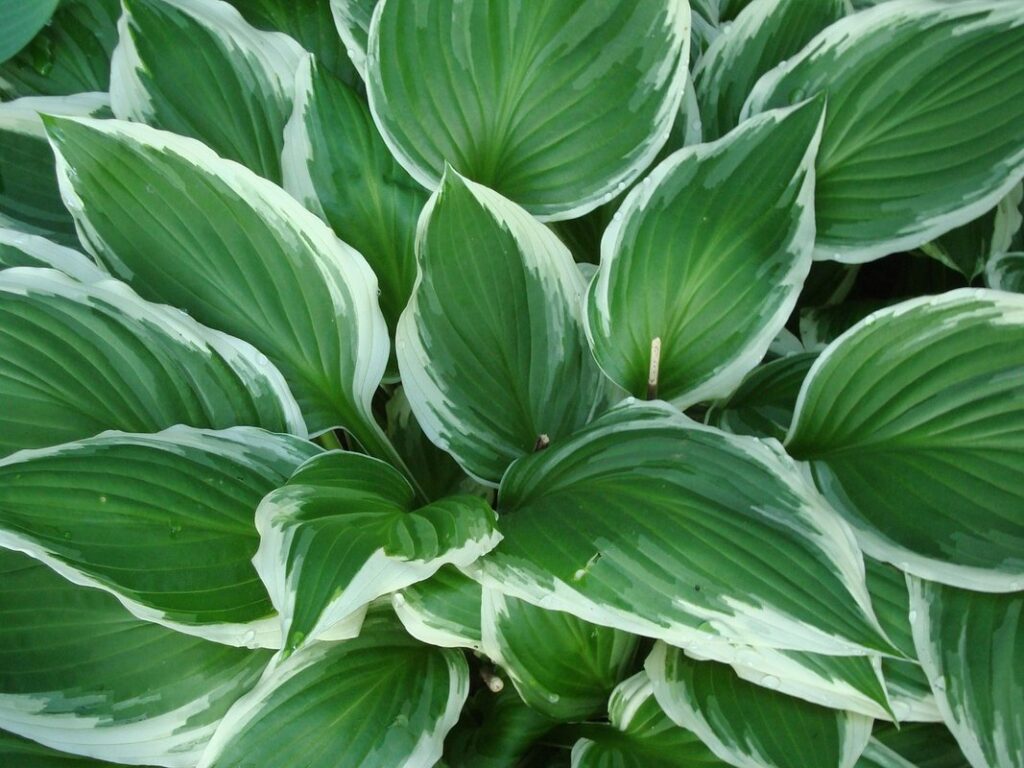
When selecting plants for your landscape design, choose shade-tolerant species that will thrive in low-light conditions. For example, hostas are a great choice for shaded areas as they produce beautiful blooms and attractive foliage. By incorporating mulch and creative landscaping techniques, you can create a visually appealing space that complements your shade-tolerant lawn.
Incorporating Companion Plants and Groundcovers
When it comes to creating a stunning shade-tolerant lawn, companion plants and groundcovers can be a game-changer. These understated heroes not only add visual interest but also help to alleviate the challenges of shady conditions. Let’s explore some ways to incorporate these dynamic duo into your landscape design.
Native species like creeping thyme, vinca minor, and pachysandra are perfect for shade-tolerant lawns. Not only do they thrive in low-light conditions, but they’re also adapted to local climates, making them a great choice for reducing maintenance needs. Ornamental options like hostas, ferns, and impatiens can add pops of color and texture to your lawn.
When selecting companion plants, consider the mature size and growth habits of each plant to ensure they won’t compete with your grass or overpower the space. Also, think about their light requirements – while some shade-tolerant plants love partial shade, others prefer deep shade. By choosing the right combination of plants for your specific conditions, you can create a lush, thriving landscape that’s perfect for enjoying even on cloudy days.
To get started, choose 2-3 companion plants or groundcovers and plant them around existing garden beds, walkways, or even directly into your lawn. For example, try planting creeping thyme in between pavers to create a fragrant pathway, or intersperse hostas with shade-tolerant grasses like fescue or ryegrass. With a little planning and creativity, you can turn your shade-tolerant lawn into an inviting oasis that’s perfect for relaxation and enjoyment.
Maintenance and Upkeep for Shade-Tolerant Lawns
To keep your shade-tolerant lawn thriving, it’s essential to establish a regular maintenance routine that suits its specific needs. This includes tasks like mowing, watering, and fertilizing.
Regular Maintenance Schedules
Developing a regular maintenance schedule is crucial for maintaining a healthy and thriving shade-tolerant lawn. The frequency of mowing, watering, and fertilizing will depend on factors such as climate, soil type, and grass growth rates.
For example, if you live in a region with high temperatures and humidity, you may need to water your lawn more frequently, especially during the hot summer months. Conversely, areas with cooler temperatures and moderate rainfall may require less frequent watering.
To create an effective maintenance schedule for your shade-tolerant lawn:
* Mow your lawn at a height of 2-3 inches to promote healthy growth and prevent weed invasion
* Water deeply but infrequently to encourage deep root growth and make your lawn more drought-resistant
* Fertilize your lawn every 6-8 weeks with a balanced fertilizer, taking care not to over-fertilize which can damage the grass
* Aerate your lawn annually to improve air, water, and nutrient circulation
Troubleshooting Common Issues in Shaded Areas
When it comes to maintaining a shade-tolerant lawn, one of the most common issues that homeowners face is uneven growth. This can be caused by inadequate sunlight, poor soil quality, or an imbalance of nutrients. To address this issue, start by assessing your lawn’s pH level and adjusting it if necessary. You may also want to consider incorporating organic matter such as compost or manure into your soil to improve its structure and fertility.
Another common problem in shaded areas is pest infestations. Lawn pests like moles, voles, and slugs thrive in moist environments with limited sunlight. To prevent these pests from taking over, use physical barriers around plants to deter them from digging tunnels under your lawn. You can also try using natural deterrents such as castor oil or predator urine to repel them.
To tackle uneven growth, aerate your lawn at least once a year to improve air circulation and reduce soil compaction. This will help to promote healthy root development and prevent waterlogging in shaded areas. By taking these steps, you can create an environment that’s conducive to lush and even growth in your shade-tolerant lawn.
Conclusion: Achieving a Thriving Shade Tolerant Lawn
As you’ve learned how to choose the right grass type and care for your shade-tolerant lawn, it’s time to recap the key takeaways and apply them to achieve a thriving, lush landscape. Let’s summarize what we’ve covered so far and create a plan for success.
Recap of Key Takeaways
To recap, let’s revisit the key considerations for creating and maintaining a thriving shade-tolerant lawn. It all starts with choosing the right grass type, such as fine fescue, tall fescue, or perennial ryegrass, which are specifically bred to tolerate low light conditions.
When selecting plants for your shade garden, consider adding flowering perennials like astilbe and hostas, which not only provide beauty but also help to filter sunlight. Mulching is another crucial step in maintaining a healthy shade-tolerant lawn, as it retains moisture, suppresses weeds, and regulates soil temperature.
Remember to maintain regular mowing schedules, although slightly taller grass blades are recommended for shade lawns to allow deeper root growth. Regular watering and fertilization also play critical roles in supporting the health of your shade-tolerant lawn.
By keeping these key considerations in mind, you’ll be well on your way to enjoying a lush, vibrant, and thriving shade garden that brings joy and serenity to your outdoor space.
Final Tips for Long-Term Success
To ensure your shade-tolerant lawn continues to thrive for years to come, it’s essential to implement regular maintenance habits. One key aspect is watering. While shade tolerant lawns require less water than their sun-loving counterparts, they still need adequate hydration, especially during periods of drought or high temperatures. Aim to provide about 1-2 inches of water per week, either through rainfall or irrigation.
Another crucial factor is mowing and pruning. Maintain your mower at a higher height setting (around 3-4 inches) to promote deep root growth and prevent excessive stress on the grass. Regularly prune any overgrown plants or shrubs that may be competing with your lawn for resources.
Additionally, consider implementing a fertilization schedule tailored to your specific climate and grass type. This will help maintain optimal nutrient levels and support ongoing health. By incorporating these habits into your regular routine, you’ll be well on your way to cultivating a vibrant, long-lasting shade-tolerant lawn that brings beauty and joy to your outdoor space for years to come.
Frequently Asked Questions
How often should I mow my shade-tolerant lawn, considering its lower sunlight exposure?
Mowing frequency for shade-tolerant lawns can be less frequent than sun-loving grass types. Typically, you can mow your shade-tolerant lawn every 7-10 days during the growing season, depending on rainfall and growth rates. This will help maintain a healthy appearance without stressing the grass.
Can I use the same fertilization schedule for my shade-tolerant lawn as I would for a sun-exposed area?
No, it’s essential to adjust your fertilization strategy for shade-tolerant lawns. Since these areas receive less sunlight, they require fewer nutrients. Use a balanced fertilizer (e.g., 10-10-10 NPK) applied in early spring and again after the summer solstice. Avoid over-fertilizing, as this can lead to weak growth.
How do I know if my shade-tolerant grass species is getting enough sunlight?
While it’s challenging to measure sunlight directly in shaded areas, observe your lawn’s response to different times of day. If your grass seems healthy and robust during the morning or late afternoon when indirect sunlight filters through, you’re likely on the right track.
What are some common mistakes to avoid when establishing a new shade-tolerant lawn?
Be cautious not to over-seed or over-fertilize during establishment. This can lead to weak growth, weed infestations, and poor long-term performance. Also, choose a high-quality grass species suitable for your specific climate zone.
Can I still incorporate companion plants and groundcovers in shaded areas with limited sunlight?
Yes! While some shade-tolerant plants may require more maintenance, they can add beauty and visual interest to your shaded yard. Incorporate flowering perennials or groundcovers like ferns, hostas, or vinca minor, which thrive in low-light conditions.