
If you’re like many gardeners, you’re constantly on the lookout for ways to add some excitement to your shade garden. One simple yet effective solution is to incorporate perennials with variegated leaves into your design. These plants offer a unique blend of textures and colors that can add year-round interest to even the most shaded areas of your yard. Not only do they provide a beautiful contrast to solid-colored foliage, but they also often thrive in conditions where other plants might struggle. In this article, we’ll explore some of the best shade perennials with variegated leaves to consider for your garden, and share tips on how to incorporate them into a visually stunning design that will keep you engaged all season long.
Understanding Variegated Leaves
When it comes to creating a visually appealing shade garden, understanding variegated leaves is crucial. Let’s break down what makes these unique leaves so interesting and how they add character to your garden.
What are Variegated Leaves?
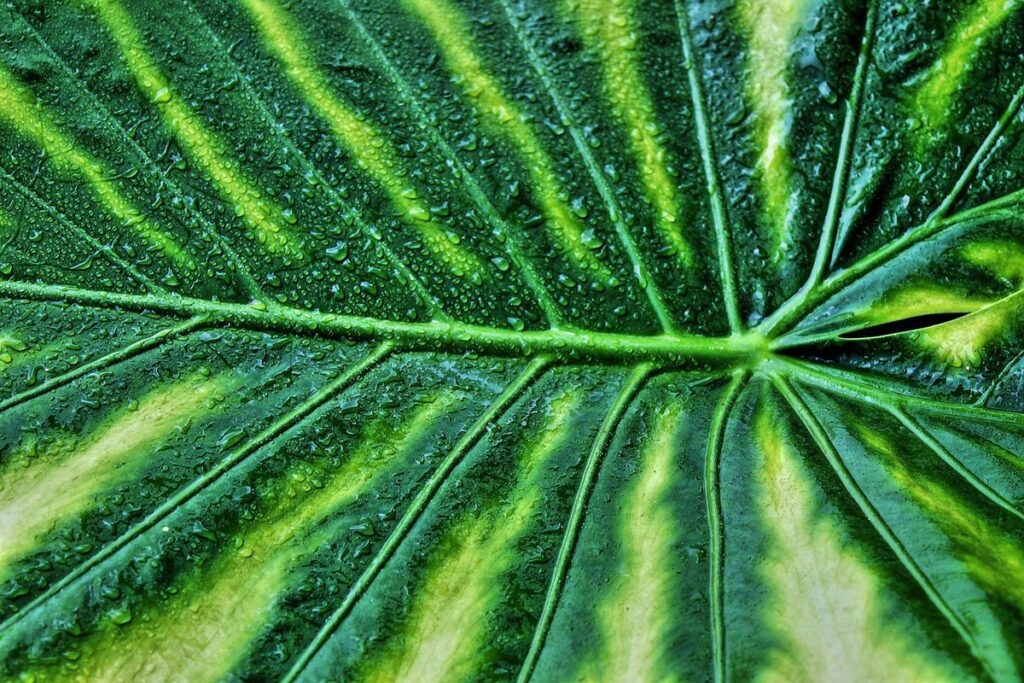
When it comes to adding visual interest to your shade garden, variegated leaves are an excellent choice. But what exactly are they? Simply put, variegated leaves are leaves with unique patterns of coloration that distinguish them from solid-colored leaves. These patterns can take many forms, including stripes, spots, swirls, and even marbling.
One of the most fascinating things about variegated leaves is their varying degrees of color intensity and pattern complexity. Some may feature bold, bright colors, while others are more subtle and nuanced. For example, the leaves of the Heuchera plant boast striking patterns in shades of silver, gold, and burgundy, while those of the Coleus plant display vibrant, swirling designs.
Variegated leaves offer a range of benefits for gardeners. Not only do they add visual interest to your landscape, but they also help to create a sense of depth and dimensionality. Plus, many variegated plants are more resistant to pests and diseases than their solid-colored counterparts. By incorporating variegated leaves into your shade perennial garden, you can create a stunning, one-of-a-kind display that’s sure to impress!
Benefits of Variegated Leaves in Gardening
Adding plants with variegated leaves to your shade garden can bring numerous benefits that elevate its visual appeal and functionality. One of the primary advantages is that they add visual interest year-round, even during periods when other plants may be dormant or flowering less frequently. The unique patterns on variegated leaves create a visually striking effect, breaking up the monotony of solid-colored foliage.
Using plants with variegated leaves also provides an opportunity to incorporate texture contrast into your garden design. By combining smooth-leaved varieties with those having more textured leaves, you can achieve a visually appealing mix of shapes and patterns. For example, pairing Heuchera’s maple-like leaves with the silver-misted foliage of Ajuga reptans creates a dynamic duo that adds depth and visual interest to your shade garden.
This diversity in leaf texture and pattern also makes it easier to create a visually engaging design without relying on colorful blooms, which may not be as prominent or consistent throughout the growing season. By selecting plants with variegated leaves, you can enjoy year-round visual appeal without having to constantly replace flowering perennials that go out of bloom.
Selecting Shade Perennials
When choosing shade perennials with variegated leaves, it’s essential to consider factors such as foliage color and pattern variation to add visual interest to your garden. You’ll want to pick plants that complement each other in style.
Choosing Plants for Deep Shade (Less than 2 Hours Direct Sun)
When choosing plants for deep shade areas of your garden, it’s essential to select perennials that can thrive in conditions with less than 2 hours of direct sunlight. These plants not only tolerate low light but also add stunning visual interest with their variegated foliage.
Some excellent options include Astilbe, which produces delicate white or pink flowers and has attractive, fern-like foliage. Hellebores are another great choice, with their evergreen leaves showcasing beautiful variegation patterns. Bleeding Heart (Dicentra spectabilis) is also a popular pick for deep shade areas, boasting heart-shaped flowers and attractively mottled leaves.
To ensure success in your deep shade garden, remember to choose plants that fit your specific climate zone and soil type. Be sure to plant them in well-draining soil and provide adequate moisture levels. By selecting the right variegated perennials for your deep shade areas, you can create a visually striking and low-maintenance garden that adds drama and interest to even the most challenging spots.
Plants for Partial Shade (2-4 Hours Direct Sun)
When it comes to adding visual interest to your garden with variegated leaves, partial shade perennials are an excellent choice. These plants can thrive in conditions receiving 2-4 hours of direct sun and still provide stunning foliage throughout the seasons.
Some popular options for partial shade include Heuchera ‘Palace Purple’, which boasts deep purple veins on maple-like leaves; Heucherella ‘Sweet Tea’, with its delicate, variegated leaves that add a touch of whimsy to any garden bed; and Astilbe ‘Deutschland’, featuring airy plumes and beautiful white variegation.
These plants not only bring visual interest but also provide year-round beauty. In spring, they burst forth with vibrant new growth, while summer months showcase their mature foliage. As fall approaches, the leaves often transition to rich autumn colors, adding a pop of color to your garden. To incorporate these perennials into your shade garden, simply plant them in well-draining soil and provide regular watering. With proper care, they’ll thrive for years to come, providing a beautiful display of variegated foliage with minimal maintenance.
Care and Maintenance
To keep your shade perennials thriving, you’ll want to learn how to properly care for them, including watering, pruning, and fertilizing. Regular maintenance will ensure their continued beauty and health.
Watering Requirements
When it comes to caring for shade perennials with variegated leaves, watering is one of the most crucial aspects. Since these plants prefer well-draining soil and can be prone to root rot if the soil is too moist, it’s essential to understand their specific watering requirements.
In shady conditions, most variegated perennials require consistent moisture, but this doesn’t mean they need a lot of water. In fact, overwatering is one of the most common mistakes gardeners make when caring for these plants. A general rule of thumb is to provide about 1-2 inches of water per week during hot summer months. This can be achieved through rainfall or supplemental irrigation.
To avoid overwatering, check the soil moisture by inserting your finger into the soil up to the first knuckle. If the soil feels dry, it’s time to water. Also, consider using a drip irrigation system, which delivers water directly to the roots while reducing evaporation and runoff.
Fertilization Needs
When it comes to fertilizing shade perennials with variegated leaves, you’ll want to provide them with the right nutrients at the right time for optimal growth. Most of these plants require a balanced fertilizer that’s rich in nitrogen, phosphorus, and potassium (N-P-K). However, some may have specific needs based on their leaf coloration or growth habits.
For example, if your plant has yellow or white variegation, it may be more susceptible to iron deficiency. In this case, you can use a fertilizer that’s high in chelated iron or apply an iron supplement specifically designed for plants with yellow leaves. Be cautious not to over-fertilize, as this can cause damage to the roots and harm your plant.
As a general rule of thumb, fertilize your shade perennials in early spring when new growth begins, and again in mid-summer after they’ve finished blooming. You can also side-dress with a high-phosphorus fertilizer during the growing season to promote healthy root development and flowering.
Design Ideas and Tips
Now that you have a stunning selection of shade perennials with variegated leaves, let’s dive into creative ways to showcase their beauty in your garden design. Here are some inspiring ideas and expert tips to enhance your landscape.
Companion Planting with Variegated Leaves
When it comes to creating visually stunning shade gardens with variegated leaves, companion planting is an excellent way to add depth and interest. By pairing plants with variegated leaves alongside solid-colored foliage, you can create a beautiful contrast that draws the eye.
For example, combine Heuchera ‘Palace Purple’ – with its deep purple veins on silver-gray leaves – with bold green-leaved hostas like ‘Blue Mouse Ears’. This unexpected combination creates a striking visual effect and adds movement to your shade garden. Another option is to pair plants with intricate patterns, such as Phlox subulata ‘Purple Haze’, with solid-colored foliage like boxwood or holly.
Consider using variegated-leaved plants as a focal point in your garden. For instance, position a striking Heuchera variety like ‘Terra Cotta’ near the entrance of your shade garden to make a statement. When choosing companion plants for your variegated-leaved perennials, remember that they don’t have to be from the same plant family or growing requirements – just ensure they complement each other in terms of texture and color.
Incorporating Texture and Form
When working with shade perennials featuring variegated leaves, one effective way to add visual interest is by incorporating plants with different textures and forms. This can be achieved through a mix of foliage shapes, sizes, and growth habits.
For instance, combine tall, upright varieties like the variegated Astilbe or the Japanese Anemone with shorter, more compact options such as the Variegated Hellebores or Heuchera. The contrasting heights create visual layers, drawing attention throughout your garden.
Another way to add texture is through foliage shape and size. Pair broad-leaved plants like the variegated Hostas or Geraniums with smaller, lance-shaped leaves found in varieties like the Coral Bells (Heuchera). This combination creates a visually appealing contrast that adds depth to your shade garden.
Consider adding some structural interest by incorporating shrubs or small trees with interesting bark textures. The smooth trunk of a variegated Dogwood or the exfoliating bark of a Japanese Maple can add an extra layer of visual interest to your design.
Common Pests and Diseases
As you enjoy the beauty of your shade perennials, beware that pests and diseases can quickly ruin their appeal. We’ll take a look at some common issues to watch out for.
Identifying Potential Problems
When growing perennials with variegated leaves in shady conditions, it’s essential to be aware of potential problems that can arise. One of the most common issues is pests and diseases, which can quickly spread and damage your plants.
Aphids, whiteflies, and spider mites are common pests that thrive in shaded areas. These tiny insects feed on plant sap, causing curled or distorted leaves. To prevent infestations, inspect your plants regularly for signs of these pests, such as sticky honeydew droplets or webs on the foliage. Use neem oil or insecticidal soap to control outbreaks.
Fungal diseases like powdery mildew and leaf spot can also affect shade perennials with variegated leaves. These diseases thrive in humid environments and often develop when plants are waterlogged. To prevent fungal growth, ensure good air circulation around your plants, avoid overwatering, and remove any diseased leaves.
Some specific shade perennials with variegated leaves may be more susceptible to certain pests or diseases. For example, Hellebores can be vulnerable to powdery mildew, while Heucheras are often targeted by slugs. Research the specific needs of your plants to take preventative measures and address potential issues early on.
To maintain healthy perennials with variegated leaves in shady conditions, implement a few simple practices: inspect your plants regularly, keep them well-watered but not waterlogged, provide good air circulation, and use organic pest control methods when necessary. By staying vigilant and taking proactive steps, you can enjoy the beauty of these stunning shade perennials without worrying about potential problems.
Expert Tips for Success
To ensure your shade perennial garden really pops, take a look at our expert tips on how to choose and combine these stunning plants effectively.
Troubleshooting Variegation Loss
If you’ve been enjoying the unique beauty of variegated shade perennials in your garden, only to notice that their striking patterns are starting to fade or disappear altogether, you’re not alone. Variegation loss can be a frustrating issue for many gardeners. But don’t worry – we’ve got some expert tips to help you troubleshoot the problem and get your variegated friends back on track.
First things first: let’s talk about the possible causes of variegation loss. In most cases, it’s not due to any inherent weakness in the plant itself, but rather a result of external factors such as disease, nutrient deficiencies, or environmental stressors. For instance, if your plants are suffering from root rot or leaf spot diseases, it can cause the variegation to fade or disappear altogether.
Nutrient deficiencies can also play a role. If your soil lacks essential micronutrients like iron or manganese, it can affect the production of pigments responsible for the variegated patterns. To address this issue, make sure you’re providing your plants with a balanced fertilizer that includes these key nutrients.
Environmental factors can also contribute to variegation loss. For example, if your plants are exposed to too much direct sunlight or extreme temperatures, it can cause the leaves to lose their coloration. Similarly, if your soil is consistently waterlogged or drought-stricken, it can lead to nutrient deficiencies and further exacerbate the problem.
So what can you do? Start by inspecting your plants for signs of disease or pests, and take corrective action as needed. Next, have your soil tested to determine its pH level and nutrient content. Based on the results, make any necessary adjustments to your fertilization routine. Finally, ensure that your plants are receiving the right amount of light – ideally dappled shade with some morning sun.
By following these expert tips, you should be able to identify and address the underlying causes of variegation loss in your shade perennials, restoring their unique beauty and visual interest to your garden.
Frequently Asked Questions
Can I use variegated perennials in a container garden, or are they best suited for in-ground planting?
Variegated perennials can thrive in containers as long as the potting mix is well-draining and the container provides sufficient depth for root growth. Choose containers with good drainage holes to prevent waterlogged soil, which can lead to root rot.
How do I know if a variegated perennial will perform well in my specific shade conditions?
When selecting a variegated perennial, research its specific growing requirements and ensure it’s suitable for your local climate and shade conditions. Consider factors like direct sunlight hours, soil type, and moisture levels to ensure the plant receives optimal care.
Can I combine multiple variegated perennials with different patterns to create a unique landscape design?
Combining different variegated perennials can add visual interest to your garden. Just be mindful of contrast and harmony: pair complementary patterns for a visually appealing effect, but avoid overwhelming the space with too many competing colors.
Are there any specific care or maintenance tasks I should prioritize when growing variegated perennials?
Yes. Regular watering is crucial, as overwatering can cause leaf scorch and lead to the loss of variegation. Additionally, provide regular fertilization during the growing season to promote healthy growth and maintain color intensity.
How do I propagate variegated perennials to share with friends or expand my own garden?
Variegated perennials can be propagated through division, layering, or taking stem cuttings. Research specific propagation techniques for your chosen plant species, and take care to preserve the unique leaf patterns during the process.