
Shade gardens can be just as vibrant and beautiful as their sun-kissed counterparts, but they often get overlooked. This is where our ultimate shade garden plants list comes in – your go-to guide for creating a thriving oasis that’s perfect for those tricky shady spots.
As any gardener knows, choosing the right plants for your space can make all the difference between a lackluster landscape and a stunning haven. That’s why we’ve put together this comprehensive list of low-maintenance options, flowering shrubs, and native plants specifically designed to thrive in shade conditions. Whether you’re looking to add some color, texture, or depth to your garden, our expert guide will show you how to choose the right plants for your space and design a shade garden that’s truly unforgettable. With so many beautiful options at your fingertips, it’s time to turn your shady areas into a lush haven.
Choosing the Right Shade Tolerant Plants
When selecting plants for your shade garden, choosing the right varieties can make all the difference. This section will help you identify which plants thrive in shady conditions.
Selecting Plants Based on Sunlight Levels
When it comes to selecting plants for your shade garden, understanding the amount of sunlight they’ll receive is crucial. Most people are familiar with the concept of full sun, but what about partial shade and deep shade? Knowing the different levels of sunlight will help you choose the right plants for your specific garden.
To determine the sunlight level in your garden, start by observing the area at different times of day. Note how many hours of direct sunlight it receives during peak sun hours (usually between 10am and 4pm). If the area receives more than 6 hours of direct sunlight, it’s considered full sun. Partial shade areas receive between 2-6 hours of direct sunlight, while deep shade areas receive less than 2 hours.
Keep in mind that even if your garden is considered a “shade” garden, it may still receive some indirect sunlight. Look for plants that thrive in partial shade or deep shade conditions, and consider factors like soil type and moisture levels when making your selection. By taking these factors into account, you can create a beautiful and thriving shade garden that’s tailored to its unique sunlight conditions.
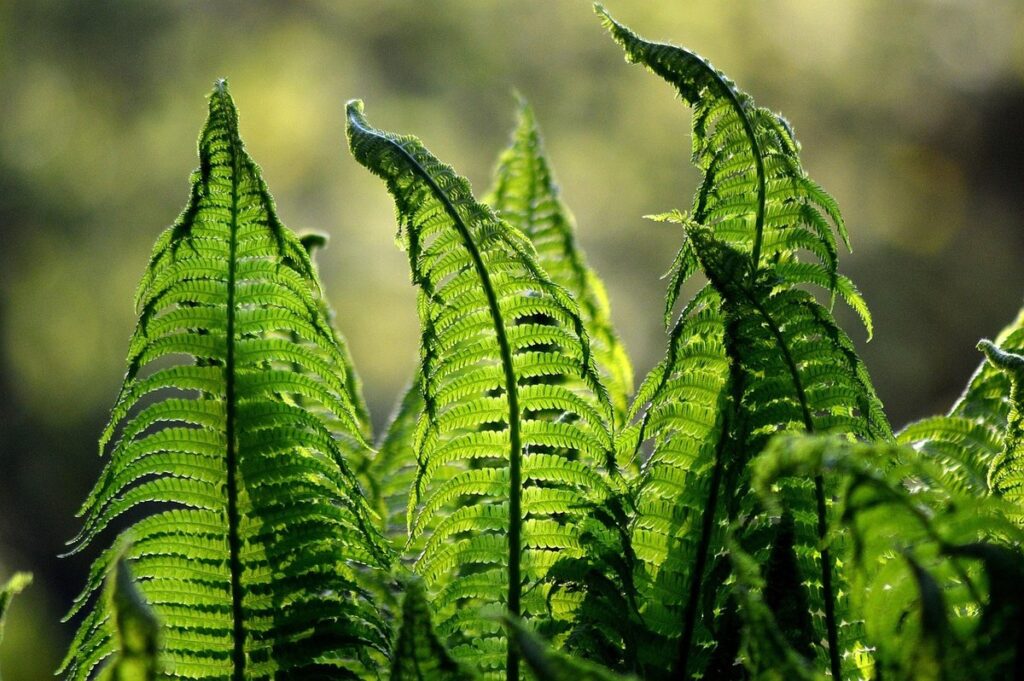
Some examples of plants that do well in full sun include succulents and hostas, while those that prefer partial shade include impatiens and coleus. Conversely, deep shade areas are ideal for plants like ferns and lady’s mantle.
Considerations for Plant Size and Growth Habit
When selecting plants for your shade garden, it’s essential to consider their mature size and growth habit. A plant that looks compact and adorable when small can quickly outgrow its space as it matures. Take into account the expected spread of a plant at maturity – some will form neat, rounded mounds, while others will sprawl or trail.
Consider whether you want plants with spreading habits, such as perennials like Bleeding Heart (Dicentra spectabilis) that spread through underground stolons, or clumping plants like Hostas which tend to remain contained. If your shade garden is small, opt for compact shrubs and perennials that will top out at around 2-3 feet tall.
If you have more space available, select plants with a vigorous growth habit that can be pruned back regularly to maintain a desired shape or size. For example, a large Hydrangea (Hydrangea spp.) can be trimmed back after flowering to keep it bushy and prevent it from becoming leggy.
Choose plants that fit the space you have available, rather than trying to prune them into shape. This will save you time and effort in the long run and ensure your shade garden looks its best all season round.
Low-Maintenance Shade Garden Plants
When it comes to low-maintenance shade garden plants, you want options that require minimal care and attention, allowing you to enjoy your outdoor space without stress. Here are some top picks for effortless blooms in shaded areas.
Drought-Tolerant Options for Busy Gardeners
When it comes to low-maintenance shade garden plants, many of us focus on those that require minimal care and watering. However, what about drought-tolerant options that can thrive in dry conditions without sacrificing the beauty of our gardens? For busy gardeners or those living in areas with water restrictions, these plants are a game-changer.
Some of the most drought-tolerant shade plants include succulents like Aloe vera and Sedum, which store water in their leaves and stems. These plants can survive with minimal watering, making them perfect for hot summer months when rainfall is scarce. Other options include Hellebores (Christmas Roses), which bloom in late winter and early spring, and Heuchera (Coral Bells), which come in a variety of colors and require infrequent watering.
To incorporate these plants into your shade garden, start by selecting ones that fit your climate and soil type. Make sure to water them thoroughly after planting and then reduce watering frequency over time. Mulching around the base of the plants can also help retain moisture and suppress weeds, further reducing maintenance needs.
Evergreen Shrubs and Perennials for Year-Round Interest
When it comes to creating a stunning and low-maintenance shade garden, incorporating evergreen shrubs and perennials is essential for year-round interest. These plants not only provide a lush backdrop but also offer attractive foliage, flowers, or berries that add color and texture to the space.
Consider the lovely ‘Gold Rush’ spirea (Spiraea x bumalda), which boasts bright yellow leaves throughout the growing season. Alternatively, the ‘Blue Muffin’ shrub rose (Rosa x hybrid tea) produces clusters of vibrant blue flowers in the summer months, followed by attractive red hips in autumn.
For a more dramatic effect, add some perennials like the ‘Black Beauty’ daylily (Hemerocallis ‘Black Beauty’) or the ‘Royal Purple’ Salvia (Salvia x sylvestris), which offer stunning foliage and vibrant flowers. These plants thrive in shade conditions and require minimal maintenance, making them perfect for busy gardeners.
To incorporate these evergreen shrubs and perennials into your shade garden design, consider their mature size, growth habits, and sunlight requirements to ensure a harmonious blend of textures and colors. By selecting a mix of these low-maintenance plants, you’ll create a thriving and visually appealing space that provides interest year-round.
Flowering Shade Garden Plants
As you look for vibrant additions to your shade garden, let’s explore some stunning flowering plants that thrive in dappled light. We’ll cover some of our top picks for colorful blooms.
Spring-Blooming Bulbs and Perennials
Spring-blooming bulbs and perennials are some of the most exciting additions to a shade garden, as they burst forth with vibrant color after a long winter. To create a dynamic display, consider incorporating early-, mid- and late-season bloomers into your landscape.
For early spring blooms (February to April), try planting Hellebores, also known as Christmas Roses, which produce nodding, bell-shaped flowers in shades of white, pink, and purple. Another option is Winter Jasmine (Jasminum nudiflorum), a fragrant climber that blooms with yellow flowers on bare stems.
Mid-spring bloomers (April to June) include beautiful Tulips, Daffodils, and Hyacinths. These classic bulbs are easy to plant and provide a stunning splash of color when the weather starts to warm up. Consider massing them for a dramatic effect or planting in drifts for a softer appearance.
For late spring blooms (June to August), look to perennials like Coral Bells (Heuchera) with its maple-like leaves and airy, bell-shaped flowers, or Bleeding Heart (Dicentra spectabilis) with its heart-shaped flowers dangling from arching stems.
Summer- and Fall-Blooming Options for Extended Color
While many shade garden plants bloom in spring, there are plenty of options that will extend the flowering season into summer and fall. These plants not only provide a pop of color but also attract pollinators like butterflies and hummingbirds to your garden.
For summer-blooming options, consider adding plants like Helenium (also known as Sneezeweed), which produces bright yellow or orange daisy-like flowers from mid-summer to fall. Liatris, with its spiky purple flowers, is another excellent choice that attracts pollinators and adds a vertical element to your shade garden. You can also try adding Black-eyed Susans (Rudbeckia hirta) for their bright yellow petals with dark centers.
For fall-blooming plants, consider asters, which come in a range of colors from pink to purple to white. These daisy-like flowers bloom in late summer and early fall, providing a beautiful display of color just when other blooming has slowed down. Chrysanthemums (mums) are another excellent option for fall-blooming flowers that can add a burst of color to your shade garden.
Remember to choose plants suitable for your climate and growing conditions, and don’t forget to provide adequate care, such as watering and fertilizing, to ensure these plants thrive in your shade garden. By incorporating summer- and fall-blooming plants into your design, you’ll enjoy an extended flowering season that will keep your shade garden looking vibrant all year round.
Native Shade Plants for Regional Gardens
When planning a shade garden, it’s essential to choose plants that thrive in your local climate and soil conditions. Let’s explore some amazing native options perfect for regional gardens across the country.
Understanding the Importance of Native Plants
When it comes to creating a thriving shade garden, choosing native plants is a game-changer. These incredible plants have been growing wild in our region for centuries, and they’re perfectly adapted to the local climate conditions. By selecting native shade plants, you’ll be reducing your maintenance requirements significantly.
Native plants require less watering, pruning, and fertilizing compared to non-native species. They’ve already developed strategies to thrive in our specific environment, so they need fewer resources to survive. This means less time and money spent on upkeep, allowing you to focus on enjoying your garden rather than constantly tending to it.
For example, consider the Eastern Columbine (Aquilegia canadensis) or the Wild Geranium (Geranium maculatum), both of which are native to our region’s shade gardens. They’re not only low-maintenance but also attract pollinators and add color to your garden without needing much care. By choosing native plants, you’ll be creating a harmonious ecosystem that requires minimal intervention from you.
Examples of Native Shade-Tolerant Plants by Region
When selecting native shade-tolerant plants for your regional garden, it’s essential to choose species that thrive in your specific climate and soil conditions. Here are some region-specific examples of native shade plants that can bring unique beauty and biodiversity to your outdoor space.
In the Northeast, consider planting Eastern Hemlock (Tsuga canadensis) or American Holly (Ilex opaca), which can tolerate a range of soils and moisture levels. These evergreen trees provide year-round interest and attract birds and wildlife to your garden.
In the Southeast, native plants like Sassafras (Sassafras albidum) and Southern Wild Ginger (Asarum canadensis) excel in shaded conditions. They require minimal maintenance and can thrive in poor soils, making them perfect for woodland gardens.
On the West Coast, consider planting Western Sword Fern (Polystichum munitum) or California Bay Laurel (Umbellularia californica), which prefer moist, shaded environments. These plants are ideal for adding texture and depth to your shade garden.
In the Midwest, native plants like Wild Indigo (Baptisia tinctoria) and American Ginseng (Panax quinquefolius) thrive in shaded conditions with well-draining soil.
Designing a Thriving Shade Garden
Now that we’ve covered some of the best shade garden plants, let’s talk about how to create a beautiful and thriving shade garden that brings you joy all year round. We’ll share expert tips on designing your ideal outdoor space.
Planning for Water Efficiency and Accessibility
When designing your shade garden, it’s essential to consider water efficiency and accessibility from the get-go. This not only reduces maintenance needs but also creates a more sustainable and enjoyable outdoor space.
Start by selecting plants that are native to your region or have similar growing conditions. These plants will naturally require less water and care than non-native species. For example, astilbe, hostas, and hellebores are all low-maintenance options for shade gardens.
Incorporate a mix of evergreen and deciduous plants to ensure year-round interest and foliage. Evergreens like boxwood and topiary provide structure and texture while also serving as a natural barrier against wind and erosion. Incorporating pathways made from materials like gravel, brick, or decomposed granite can improve accessibility and reduce maintenance needs.
Remember to consider your local climate and soil type when selecting plants for your shade garden. Plant drought-tolerant species in areas where rainfall is scarce, and mulch around plants to retain moisture and suppress weeds.
Incorporating Hardscapes and Lighting for Aesthetic Appeal
When it comes to creating an inviting and functional shade garden, incorporating hardscapes and lighting can make all the difference. Hardscapes such as patios, walkways, and retaining walls not only add visual interest but also define different areas within the garden, making it easier to navigate and enjoy.
Lighting is another essential element that can elevate your shade garden’s aesthetic appeal. Soft, warm lighting can highlight key features like water features or sculptures, while pathway lights can create a sense of drama and guide visitors through the space. Consider using solar-powered lights for a low-maintenance option.
To maximize your hardscapes’ potential, remember to choose materials that complement your shade garden’s natural surroundings. For example, if you have a lot of native plants with rich earth tones, consider using stone or brick accents in similar hues. This will create a seamless transition between the built-in features and the surrounding landscape.
By thoughtfully incorporating hardscapes and lighting into your shade garden design, you can create an inviting oasis that’s both functional and beautiful.
Maintenance Tips for Your Shade Garden
Now that you’ve chosen the perfect shade garden plants, let’s talk about how to keep them thriving with our top maintenance tips. We’ll cover essential care and tricks to ensure your garden stays healthy all season long.
Watering Strategies for Optimal Plant Health
When it comes to maintaining your shade garden, watering is one of the most crucial aspects. Overwatering and underwatering can be detrimental to plant health, so it’s essential to get it right. A general rule of thumb is to water your plants when the top 1-2 inches of soil feels dry to the touch.
To avoid overwatering, observe your plants’ behavior. If they’re droopy or wilted during hot weather, it may be a sign that they need more frequent watering. On the other hand, if you notice excess moisture on the leaves or water pooling around the base of the plant, it’s likely that you’re overwatering.
Consider using organic mulch to retain soil moisture and regulate temperature fluctuations. Compost can also help improve soil structure and fertility, making your plants more resilient to drought conditions. Aim to apply 2-3 inches of mulch or compost around the base of each plant, keeping it a few inches away from the stem to prevent rot.
Monitor your plants’ responses and adjust your watering schedule accordingly. With time and practice, you’ll develop a sense of when and how much to water for optimal results.
Fertilization and Pruning Techniques for Healthy Growth
When it comes to maintaining a healthy and thriving shade garden, proper fertilization and pruning techniques are essential. A balanced fertilizer specifically formulated for shade plants should be applied in the early growing season, typically in spring. This will provide necessary nutrients for optimal growth.
Some examples of effective fertilizers include Miracle-Gro Shake ‘n Feed All Purpose Plant Food or Espoma Organic Bloom! Tone Fertilizer. When applying fertilizer, be sure to follow the recommended guidelines on the package label to avoid over-fertilizing, which can damage your plants.
Pruning is also a crucial maintenance task for shade gardens. Prune your plants in late winter or early spring to remove any dead, diseased, or damaged branches. This will promote healthy growth and encourage blooming. For example, prune flowering shrubs like azaleas and rhododendrons after they finish blooming.
When pruning, use clean, sharp tools to prevent spreading diseases. Remove no more than one-third of the plant’s foliage at a time to avoid stressing it. This will help maintain your shade garden’s shape and encourage new growth.
Frequently Asked Questions
What are some common mistakes to avoid when designing a shade garden?
When creating your shade garden, it’s easy to overlook important details. One common mistake is selecting plants that don’t thrive in the specific sunlight levels of your area. Be sure to choose plants suitable for partial or deep shade conditions. Another error is neglecting water efficiency and accessibility considerations. Plan ahead to ensure a thriving oasis that also respects your local climate and lifestyle.
Can I use the same fertilizer for all my shade garden plants?
No, it’s essential to tailor fertilization techniques to specific plant needs. Different shade-tolerant plants require varying levels of nutrients. Research the specific requirements for each plant in your garden and adjust your fertilization schedule accordingly. This will prevent over- or under-fertilizing, which can harm your plants.
How do I know if a native plant is truly suitable for my region?
To ensure you’re selecting authentic native shade-tolerant plants, look for recommendations from local nurseries, gardening clubs, or extension offices. These organizations have expert knowledge of regional flora and can guide you toward the best options for your area. Additionally, check the USDA Plant Hardiness Zone Map to determine which plants will thrive in your specific climate.
Can I combine flowering shade garden plants with evergreen shrubs?
Absolutely! Combining flowering and evergreen elements creates a stunning year-round display of color and texture. When pairing these types of plants, consider their growth habits and sunlight requirements to ensure harmonious coexistence. This combination adds depth and visual interest to your shade garden.
How do I plan for irrigation and water efficiency in my shade garden?
To create a low-maintenance shade oasis, design an efficient watering system from the start. Consider installing rain sensors or smart controllers that adjust watering schedules based on weather conditions. Incorporate drought-tolerant plants and mulch to minimize evaporation and retain moisture. By planning ahead, you’ll conserve water and enjoy a thriving shade garden.