
As a garlic grower, you’re probably eager to harvest your bulbs and enjoy their flavor in your cooking. But did you know that separating garlic in the fall is crucial for healthy bulbs and high yields? If you want to ensure your garlic crop thrives, it’s essential to separate the individual cloves when they’re mature but still connected. This process might seem daunting, but with the right guidance, you can do it successfully. In this article, we’ll walk you through the signs of readiness, tools you’ll need, and step-by-step instructions on how to separate garlic in the fall. We’ll also cover post-care tips to help your separated cloves grow into healthy bulbs that will reward you with a bountiful harvest next season.
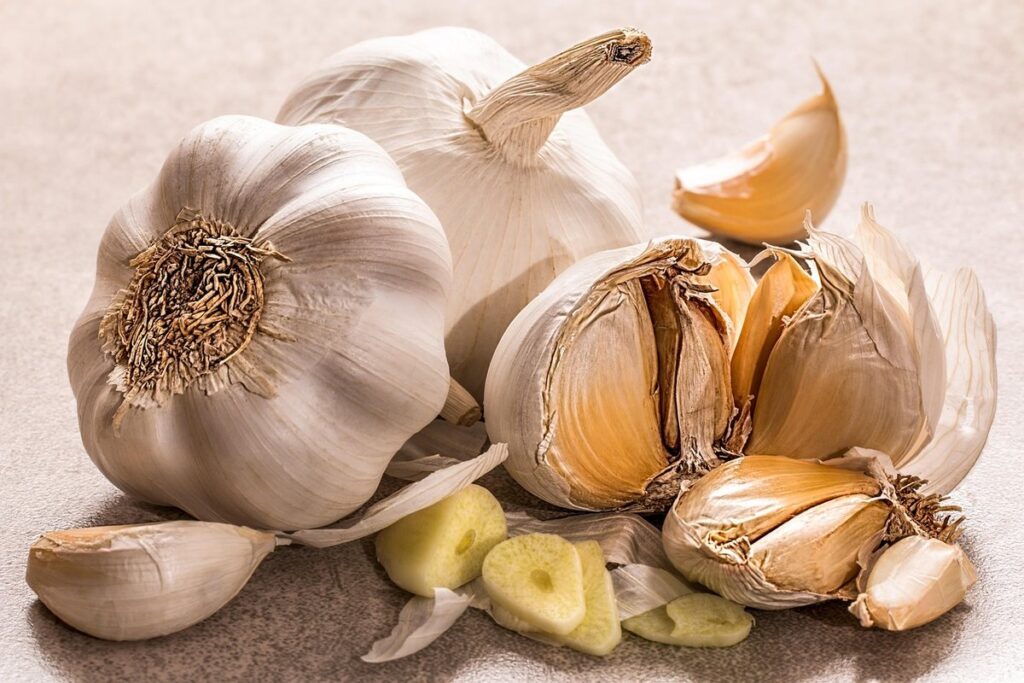
Benefits of Separating Garlic in the Fall
By separating garlic in the fall, you’ll be rewarded with healthier bulbs and a stronger flavor profile come springtime harvest. This simple task can have a significant impact on your overall crop success.
Understanding the Purpose of Fall Separation
Separating garlic in the fall is crucial for optimal bulb growth and health. When left to mature together, garlic bulbs can become overcrowded, leading to reduced air circulation and increased moisture levels. This creates an environment conducive to disease development, such as fungal infections like white rot and pink root.
By separating garlic in the fall, you allow each bulb to develop its own unique space, reducing the risk of these diseases. This process also promotes healthy growth by giving each bulb access to necessary nutrients and sunlight.
To achieve optimal results, separate your garlic bulbs when the tops begin to yellow and fall over. Use a fork to gently loosen the soil around each bulb, taking care not to damage the roots. Then, carefully lift each bulb out of the ground, leaving about 2-3 inches of stem attached. This will give you a clear view of the bulb’s size and shape, allowing for easy selection and storage.
Remember, proper separation is key to ensuring your garlic bulbs mature healthily and are ready for harvest in the spring.
Preparing the Soil for Fall Separation
Before you start separating garlic in the fall, it’s essential to prepare the soil properly. This step is crucial for a healthy and successful separation process. Begin by loosening the soil around the garlic bulbs to about 8-10 inches deep using a fork or a spade. Break up any clods and remove any debris that might be present.
Loosening the soil allows you to easily access the garlic bulbs and prevents damage to the roots. Make sure to loosen the soil slowly, working from one side of the bed to the other. This will prevent compacting the soil, which can lead to poor air circulation and potentially harm your garlic.
As you loosen the soil, also take this opportunity to remove any weeds or debris that might be competing with your garlic for nutrients. Clear out any dead plant material, rocks, or twigs from the area. A clean and clear space will ensure a smooth separation process and promote healthy growth in the coming months.
Signs It’s Time to Separate Garlic in the Fall
As you begin preparing your garden for the changing seasons, it’s essential to keep an eye out for signs that indicate it’s time to separate garlic cloves. Here are some telltale indicators to look out for.
Observing Visual Cues
As you observe your garlic plants growing throughout the summer and early fall, there are several visual cues that can indicate it’s time to separate them. One of the most obvious signs is when the leaves start to yellow and wilt. This can be a sign that the bulb is beginning to form underground, and it’s ready to be separated from its neighbors.
Another indicator is a decrease in plant height. As the energy of the plant is redirected towards producing a new bulb, the above-ground growth will often slow down or stop altogether. You may also notice that the leaves are becoming thinner and more delicate, which can be another sign that the plant is preparing to produce a new bulb.
If you’re unsure whether your garlic plants need to be separated, gently dig around one of them with your fingers or a small tool. If you feel for a large, firm bulb underneath the soil, it’s likely time to separate the cloves and allow each one to form its own individual bulb. This process is crucial for promoting healthy growth and preventing overcrowding in your garlic bed.
Measuring the Size of Bulbs
To determine if your garlic bulbs are ready for separation, you’ll need to measure their size. This is crucial because bulbs that are too small won’t divide properly and may not produce well the following season.
Start by gently digging up a few of the largest bulbs from each bed. Gently brush away any excess soil to expose the bulb’s base. Now, measure the circumference of the bulb using a tape measure or ruler. A good rule of thumb is to look for bulbs with a minimum diameter of about 1.5-2 inches (3.8-5 cm) at the base.
You can also assess the size by feeling the weight of the bulb in your hand. Optimal-sized bulbs should feel firm and heavy, indicating that they’ve had sufficient time to mature. For example, if you have a variety like ‘Silverskin’ or ‘Rocambole’, which typically reach maturity in 120-150 days, you can expect them to be around 2 inches (5 cm) in diameter.
Keep an eye out for the ideal size, and separate your bulbs when they’ve reached it.
The Separation Process
So, you’ve harvested and cured your garlic bulbs – now it’s time to separate them into individual cloves for replanting. This process may seem daunting, but we’ll break it down step by step.
Tools Needed for Separation
To successfully separate garlic in the fall, you’ll need some essential tools to make the process smooth and gentle on your bulbs. Start by putting on a pair of gardening gloves to protect your hands from the soil and potential cuts from exposed rock or debris.
You’ll also want a tool specifically designed for gently loosening soil without damaging the roots of your garlic plants. A fork or cultivator with short, sturdy tines is perfect for this task. Avoid using sharp tools like spades or hoes, as they can easily damage the delicate roots of your garlic.
Some other useful tools to have on hand include a soft-bristled brush for gently sweeping away loose soil and debris, and a tray or container for collecting separated garlic cloves. It’s also a good idea to have a small bowl or cup nearby for storing harvested garlic bulbs until you’re ready to use them or store them in a dry place.
Remember, the goal is to handle your garlic with care to avoid damaging the roots and promoting healthy regrowth next spring.
Step-by-Step Instructions for Separation
Carefully dig around each bulb with a garden fork to loosen the soil without damaging the cloves. This is crucial as you don’t want to accidentally cut into a bulb while trying to separate them.
Begin by gently prying up one side of the garlic bed, working from one end of the row to the other. Use a gentle rocking motion with your fork to loosen the soil and separate the bulbs without causing damage. You may need to repeat this process several times depending on the size of the bulbs and how tightly they are packed.
Once you’ve loosened the soil around each bulb, use your fingers or a small tool like a cultivator to gently separate them from one another. Be careful not to press too hard, as this can cause damage to the individual cloves. It’s better to work slowly and carefully than to risk breaking the bulbs entirely.
Remember that some garlic varieties are more prone to separation issues than others. If you’re having trouble getting your bulbs to come apart easily, consider trying a different variety or adjusting your digging technique.
Post-Separation Care
Once you’ve separated your garlic, it’s essential to provide proper care for the individual bulbs to ensure they thrive and produce healthy cloves next spring. This section will guide you through the process of post-separation care.
Replanting Separated Bulbs
Replanting separated garlic bulbs requires careful attention to provide optimal growing conditions for healthy growth. Start by selecting a location with well-draining soil and full sun, as garlic needs at least six hours of direct sunlight per day. Make sure the area is free from any debris or weeds that could compete with your garlic.
Dig holes that are about 4-6 inches deep, depending on the size of the separated bulb. Place the individual cloves in the hole, pointed end up, and cover them with soil. Space the bulbs about 6-8 inches apart to allow for proper growth. Water the area thoroughly after planting to settle the soil.
It’s essential to keep the soil consistently moist during this time, but avoid overwatering, which can lead to rot and other problems. Mulch around the plants to retain moisture and suppress weeds. You should start to see green shoots emerging within a few weeks, signaling that your replanted garlic is on its way to a healthy harvest.
Mulching Around Plants
Mulching around plants after separation is an essential step to ensure their health and productivity. As we’ve discussed earlier, separating garlic in the fall allows for a head start on next year’s harvest. However, this process also exposes the newly separated cloves to harsh weather conditions, pests, and diseases.
To mitigate these risks, mulching becomes crucial. By retaining moisture around the plants, mulch helps prevent water stress, which can be detrimental to young garlic shoots. Mulch also suppresses weeds that compete with your garlic for nutrients, reducing the need for manual weeding. This is particularly important in areas with poor soil quality or where weeds are prevalent.
To apply mulch effectively, spread a 2-3 inch layer of organic material, such as straw, wood chips, or leaves, around the separated cloves. Keep the mulch a few inches away from the plant base to prevent rot and ensure good air circulation. Regularly inspect your garlic beds for signs of pests or diseases and adjust your mulching strategy accordingly. By doing so, you’ll be able to enjoy a bountiful harvest next spring while minimizing post-separation care issues.
Common Mistakes to Avoid When Separating Garlic in the Fall
Separating garlic too early can be a costly mistake, so it’s essential to avoid these common errors that can damage your bulbs. Make sure you’re not making one of these rookie mistakes.
Over-Separation
Separating garlic in the fall is an essential task for many gardeners. However, there’s one common mistake that can have a significant impact on the health and productivity of your garlic crop: over-separation.
When you separate garlic bulbs too frequently or at the wrong stage, it can cause stress to the plant. This stress weakens the bulb, making it more susceptible to disease and pests. As a result, you may end up with smaller, lower-quality cloves that don’t store well.
To avoid this mistake, make sure to separate your garlic bulbs only when they’re mature enough. Typically, this is around 3-4 weeks after the tops of the plants have started to yellow and die back. If you separate them too early, the bulbs may not be fully formed, leading to reduced yields in future seasons.
To check if your garlic is ready for separation, gently dig up a few cloves and examine their size and shape. If they’re large enough and feel firm to the touch, it’s time to start separating them.
Under-Separation
Separating garlic bulbs properly is crucial for their healthy growth and development. However, one common mistake that many gardeners make is under-separating the cloves, which can lead to serious problems down the line.
If you fail to separate the cloves sufficiently, the resulting plants will be overcrowded. This means that there won’t be enough space between each bulb for proper air circulation, leading to a higher risk of fungal diseases and other infections. Moreover, overcrowding also increases competition among the bulbs for nutrients, which can stunt their growth and reduce yields.
A good rule of thumb is to separate cloves so that they are about 2-4 inches apart from one another. This allows for sufficient air circulation while preventing overcrowding. If you’re unsure whether your cloves need more separation, gently dig up a few of them and check the spacing.
Tips for Success
To get the most out of separating garlic in the fall, follow these essential tips for a thriving harvest and healthy storage. Here’s what you need to know.
Soil Quality Matters
Maintaining optimal soil quality is crucial when it comes to growing and separating garlic. Before separation, ensure that your soil has a balanced pH level, ideally between 6.0 and 7.0. This range allows for healthy bacterial growth, which helps break down organic matter and provides essential nutrients to the plants.
Before planting, incorporate compost or well-rotted manure to enrich the soil. A minimum of 2-3 inches of organic matter should be added to improve soil structure and fertility. Avoid over-tilling, as this can damage the delicate roots of your garlic bulbs.
After separation, continue to care for your garlic by mulching around the plants to retain moisture and suppress weeds. This also helps regulate soil temperature and prevents drying out. Monitor your soil’s moisture levels regularly, and adjust watering schedules accordingly to prevent overwatering or underwatering issues that can compromise bulb quality.
Monitoring for Pests and Diseases
As the days shorten and nights grow cooler, it’s essential to monitor your garlic plants for pests and diseases that can threaten their health. Regular inspections will help you catch issues early, preventing them from spreading and causing damage.
When checking for pests, look out for signs of aphids, spider mites, or thrips, which can be identified by white powdery patches on leaves, fine webbing, or tiny moving dots. For diseases, watch for yellowing or browning foliage, soft rot, or fungal growths on the bulbs.
To address any issues you find, start by isolating affected plants to prevent the problem from spreading. Next, research organic or chemical control methods that are safe for your garlic crop and follow the recommended application procedures. For example, neem oil can be used to control aphids and spider mites, while copper-based fungicides can help combat fungal diseases.
Keep in mind that maintaining a healthy soil ecosystem through good farming practices, like crop rotation and composting, will also reduce the likelihood of pest and disease problems arising.
Frequently Asked Questions
Can I separate garlic that’s still connected, but the individual bulbs are already developing their own necks?
Yes, it’s a good idea to separate garlic at this stage. This allows for optimal bulb growth and development of a strong neck, which helps in harvesting and storage.
How often should I check on my separated garlic cloves after replanting them in the fall?
You should inspect your separated garlic cloves regularly during the first few weeks after replanting. Check for signs of pests, diseases, or nutrient deficiencies to ensure they’re getting enough moisture and nutrients to establish a strong root system.
What are some common mistakes I might make when separating garlic, and how can I avoid them?
One common mistake is over-separating, which can cause the cloves to dry out too quickly. To avoid this, separate your garlic carefully, leaving about an inch of stem intact to help guide new growth.
How long does it typically take for separated garlic bulbs to mature after replanting in the fall?
The time it takes for separated garlic bulbs to mature varies depending on factors like climate and soil quality. Generally, you can expect them to be ready for harvest around late spring or early summer, about 6-8 months after replanting.
Can I use a mechanical separator tool for separating garlic, or is hand separation the only way to go?
Yes, a mechanical separator tool can be an effective way to separate garlic cloves quickly and efficiently. However, be cautious not to damage the individual bulbs or their stems during the process, as this can affect their ability to grow into healthy plants.