
Are you tired of constantly checking on your garden, worrying about whether it’s getting enough water? Do you dream of growing lush, thriving plants without sacrificing hours of your weekend to watering and maintenance? You’re not alone. Many gardeners struggle with keeping their plants healthy while juggling a busy schedule.
That’s where self-watering raised beds come in – a game-changer for anyone looking to simplify their gardening routine. By harnessing the power of gravity-fed irrigation, these innovative beds can reduce water consumption and maintenance time, allowing you to focus on more enjoyable aspects of gardening. In this article, we’ll explore how self-watering raised beds work, their benefits, and how you can incorporate them into your own garden for increased yields and reduced hassle.
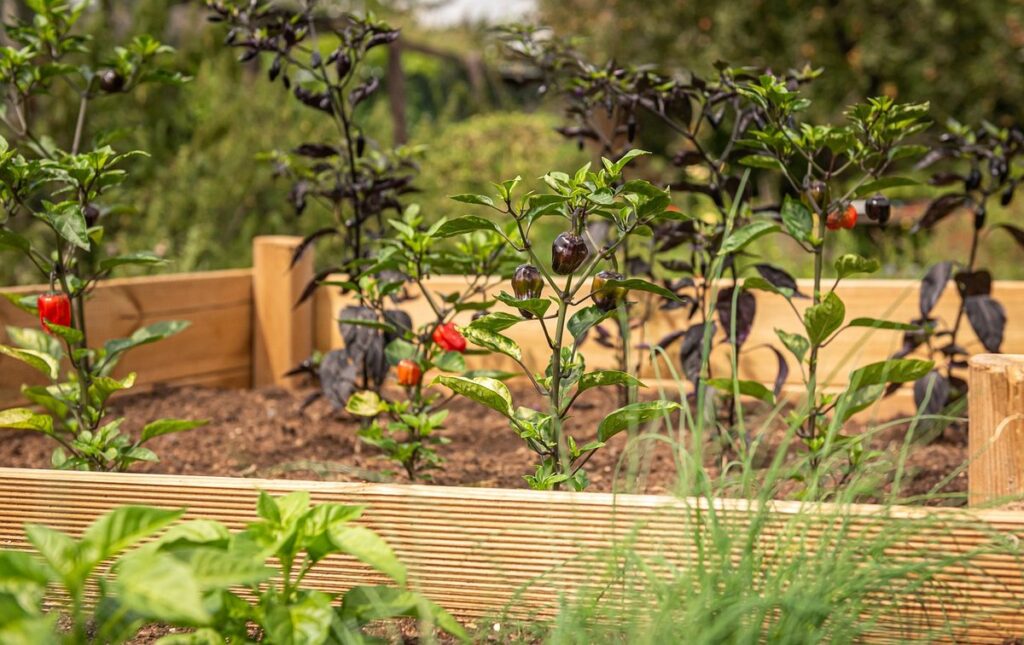
Benefits and Features of Self-Watering Raised Beds
As you consider investing in self-watering raised beds, let’s take a closer look at the benefits and features that make them an attractive choice for gardeners like you. We’ll explore what sets these systems apart from traditional gardening methods.
What are Self-Watering Raised Beds?
A self-watering raised bed is a type of elevated garden bed designed to retain moisture and reduce watering frequency. It’s essentially a hybrid between a traditional raised bed and an automated irrigation system. These beds typically consist of two main components: the growing area and the water reservoir.
The water reservoir, usually located at the bottom of the bed, stores excess water that seeps from the soil. A wicking system or a series of tubes connects the reservoir to the growing area, allowing plants to draw in water as needed through capillary action. This means that the plants don’t need direct watering, reducing evaporation and runoff.
As a result, self-watering raised beds can significantly decrease the frequency of watering, making them perfect for busy gardeners or those with limited mobility. They also eliminate the risk of overwatering, which can be detrimental to plant growth. With proper setup and maintenance, these beds can provide consistent moisture levels, ensuring healthier plants and increased yields.
How They Differ from Traditional Raised Beds
Unlike traditional raised beds, self-watering raised beds offer several key differences that make them more efficient in terms of water usage. For one, they typically have a built-in reservoir that stores excess water, which is then slowly released to the plants as needed through capillary action. This eliminates the need for daily watering and reduces evaporation, making it an ideal solution for areas with low rainfall.
Another significant difference lies in their design. Self-watering raised beds often feature a special membrane or mesh that allows excess water to seep into the reservoir while keeping the soil from getting too wet. This unique feature prevents overwatering, which is a common issue with traditional raised beds. By incorporating these innovative designs, self-watering raised beds can reduce water consumption by up to 50% compared to their traditional counterparts. As a result, gardeners can enjoy lush, healthy plants without wasting precious resources.
Water-Saving Potential and Benefits for Gardeners
One of the most significant advantages of self-watering raised beds is their remarkable water-saving potential. With traditional gardening methods, you often find yourself overwatering, which can lead to wastage and inefficient use of this precious resource. In contrast, self-watering raised beds allow plants to draw water as needed, eliminating excess watering and minimizing evaporation. This not only reduces your overall water consumption but also helps prevent root rot and other problems associated with waterlogged soil.
In fact, studies have shown that using self-watering systems can reduce watering frequency by up to 50%. For example, a study conducted in California found that gardens equipped with self-watering raised beds used an average of 25% less water than those without these systems. With consistent moisture levels, plants are able to thrive, leading to healthier growth and increased yields.
By choosing self-watering raised beds, you can enjoy the benefits of reduced watering frequency and lower water consumption while also promoting healthy plant growth.
Designing and Building Your Self-Watering Raised Bed
Now that you have a better understanding of self-watering raised beds, let’s dive into designing and building one for your garden. We’ll cover key components to include in your plan.
Materials Needed and Preparation Tips
To build a self-watering raised bed, you’ll need some specific materials. Start with the frame, which can be made from durable materials like cedar, reclaimed wood, or even recycled plastic. You’ll also need a water reservoir, which can be a separate container or integrated into the frame itself. A watering system, such as a network of tubes and drippers, will help distribute water to your plants as needed.
Other essential components include a water level indicator, which ensures the system is functioning correctly, and a drainage system to prevent waterlogged soil. Don’t forget to choose a suitable growing medium, like a mix of compost and topsoil, and add any necessary supports for climbing plants.
Before you begin building, make sure your site is level and well-drained. Mark out the bed’s dimensions and lay down a weed barrier to prevent unwanted growth. Assemble all the components carefully, following manufacturer instructions where applicable, and test the system before planting. With these materials and preparation tips in place, you’ll be on your way to creating a thriving, self-sustaining garden.
Key Components: Water Reservoirs and Wicking Systems
In a self-watering raised bed, two essential components work together to maintain optimal moisture levels for plants: water reservoirs and wicking systems. Water reservoirs are usually located at the bottom of the bed and store excess water that’s absorbed by the plants through capillary action.
As plants absorb water from the soil, the water level in the reservoir drops, triggering the wicking system to draw more water into the bed. This continuous process ensures that roots have access to a steady supply of moisture, reducing the need for frequent watering. The key benefit is that roots are able to absorb water as needed, preventing overwatering and root rot.
The size and material of both reservoirs and wicking systems can vary depending on factors like climate, plant species, and bed dimensions. When selecting components, consider your specific needs and choose materials that suit the local environment. By combining these two elements effectively, you’ll be able to create a self-sustaining ecosystem where plants receive exactly what they need – without overwatering or underwatering.
Tips for Choosing the Right Location and Size
When designing and building your self-watering raised bed, selecting the right location and size is crucial for optimal performance. Consider the amount of sunlight your garden receives throughout the day. Most vegetables and fruits require at least six hours of direct sunlight to thrive, so choose a spot that gets sufficient sunlight.
Also, think about accessibility – you’ll want easy access to water your plants without straining yourself or having to climb over obstacles. A flat area with minimal obstructions is ideal. Don’t forget to leave enough space between the raised bed and any surrounding structures for comfortable movement.
In terms of size, a minimum width of 4-6 feet and length of 8-12 feet is recommended for a self-watering raised bed. This allows for easy access and efficient watering system placement. Avoid building your raised bed against a wall or fence, as this can block sunlight and create waterlogging issues.
Ultimately, the right location and size will ensure your self-watering raised bed functions optimally and brings you maximum enjoyment from gardening.
Plant Selection and Care for Self-Watering Raised Beds
When it comes to self-watering raised beds, choosing the right plants is crucial. Let’s explore some top picks that thrive in these systems and get tips on how to care for them.
Suitable Plants for Self-Watering Raised Beds
When it comes to selecting plants for self-watering raised beds, you’ll want to choose varieties that are known to thrive in these conditions. Vegetables such as tomatoes, cucumbers, and squash are excellent choices, as they require a lot of moisture but can tolerate some drought once established. Leafy greens like kale and spinach also do well, as do root vegetables like carrots and beets.
Fruits such as strawberries and blueberries love the consistent moisture provided by self-watering raised beds, and herbs like basil and mint are perfect for adding fresh flavor to your cooking without requiring too much maintenance. Flowers like petunias and impatiens can add a pop of color to your garden while also benefiting from the self-watering system.
When selecting plants, consider their mature size to ensure they have enough space in your raised bed. Also, choose varieties that are resistant to diseases and pests specific to your region. With these tips in mind, you’ll be able to create a thriving oasis with your self-watering raised beds, enjoying fresh produce and beautiful blooms all season long.
Nurturing Your Plants: Watering Frequency and Soil Quality
When it comes to nurturing your plants in self-watering raised beds, maintaining healthy soil quality and adjusting watering frequencies are crucial. As a general rule of thumb, the frequency of watering depends on the type of plant you’re growing and the climate conditions.
For instance, if you live in an area with high temperatures and low humidity, your plants will require more water than those in cooler and more humid environments. A good starting point is to check the soil moisture by inserting a finger into the soil up to the knuckle. If it feels dry, it’s time to water.
It’s also essential to adjust watering frequencies based on plant requirements. Some plants, like tomatoes and peppers, need consistent moisture levels, while others, such as succulents and cacti, prefer drier conditions. Consider using a soil moisture meter or pH test kit to ensure optimal soil health.
Regularly mixing in compost or well-rotted manure can improve soil structure and fertility, reducing the need for fertilizers and promoting healthy root growth. Be mindful of overwatering, which can lead to root rot and other issues. By monitoring soil quality and adjusting watering frequencies accordingly, you’ll be able to provide your plants with the perfect balance of moisture and nutrients, leading to robust growth and bountiful harvests.
Pest and Disease Management for Self-Watering Raised Beds
When it comes to self-watering raised beds, managing pests and diseases is crucial for a healthy and thriving garden. Integrated Pest Management (IPM) strategies are essential to minimize chemical use and promote a balanced ecosystem.
To prevent pest issues, start by choosing plants that are resistant to common pests in your area. For example, if you’re growing vegetables like tomatoes or peppers, opt for varieties with built-in resistance to nematodes or hornworms. Next, maintain good sanitation practices by regularly removing weeds, debris, and infested plants.
Inspect your self-watering raised bed regularly for signs of pests or diseases, such as white powdery patches (powdery mildew) or tiny holes in leaves (aphid damage). Use physical barriers like fine mesh to prevent pests from reaching your plants. For example, cover young seedlings with a row cover to shield them from flea beetles.
When using organic pest control methods, be sure to follow the product instructions carefully and test a small area first to avoid harming your plants. Some effective alternatives include neem oil, diatomaceous earth, or insecticidal soap. By implementing these strategies, you can reduce chemical use, promote soil health, and enjoy a pest- and disease-free self-watering raised bed garden.
Challenges and Troubleshooting Common Issues
We’ve covered the benefits of self-watering raised beds, but we know things won’t always go smoothly – unexpected issues will arise. Let’s troubleshoot common problems together.
Identifying Common Problems: Overwatering, Underwatering, and Leaks
When using a self-watering raised bed, it’s not uncommon to encounter some common issues that can affect its performance. One of the primary concerns is overwatering, which occurs when too much water accumulates in the bed. This can lead to root rot, drowning of plants, and even damage to the bed itself. To prevent overwatering, ensure you’re following the manufacturer’s guidelines for watering schedules and keep an eye on your soil moisture levels.
On the other hand, underwatering is just as problematic, causing plants to become stressed and vulnerable to disease. Make sure you’re not neglecting to water your self-watering raised bed, especially during periods of intense heat or dry weather.
Leaks in the system are another common issue that can arise from clogged tubes or faulty connections. Regularly inspect your self-watering system for any signs of leaks or blockages and take corrective action promptly to prevent damage and ensure continued efficiency.
Keep an eye out for other potential issues, such as algae growth, which can be a sign of too much water in the system.
Solutions for Maintenance and Repair
When it comes to maintaining and repairing self-watering raised beds, being proactive is key. Regular checks can help you identify potential issues before they become major problems. Start by inspecting the water reservoir for blockages or mineral buildup, which can clog the system. Also, ensure that the wicking material (typically a porous fabric) is not damaged or compromised.
To prevent these issues in the first place, consider installing a self-cleaning system or using a wicking material with built-in antimicrobial properties. Additionally, make sure to follow the manufacturer’s guidelines for maintenance and replacement of parts.
Some common issues that may arise include faulty sensors, airlocks in the water reservoir, or clogged emitters. To troubleshoot these problems, refer to your user manual or consult online resources. If you’re experiencing persistent issues, consider consulting with a gardening expert or contacting the manufacturer’s customer support team for assistance. By taking proactive steps and staying informed, you can keep your self-watering raised beds running smoothly all season long.
Case Studies and Real-Life Examples of Success
Let’s dive into some inspiring stories from real gardeners who’ve successfully used self-watering raised beds to grow thriving gardens without the hassle. We’ll explore their experiences in more detail below.
Real-World Applications and Benefits
Gardening enthusiasts around the world have successfully implemented self-watering raised beds to revolutionize their gardening experience. Take, for instance, Sarah from California, who converted her entire garden into a self-watering oasis. With her self-watering raised bed system, she was able to reduce water consumption by 50% and witnessed a significant increase in crop yields.
Similarly, Mark in Arizona reported that his self-watering raised bed has enabled him to grow an astonishing variety of fruits and vegetables throughout the year, despite the region’s notoriously dry climate. What’s more, he noticed a substantial reduction in pests and diseases due to the optimized watering system.
In addition to these impressive outcomes, many gardeners have also cited convenience as a major benefit of self-watering raised beds. For example, Mary from New York mentioned that her self-watering bed allowed her to spend less time checking and adjusting the water levels, giving her more time to focus on other aspects of gardening.
Lessons Learned from Experimentation and Trial-and-Error
Experimentation and trial-and-error have been instrumental in refining our understanding of self-watering raised beds. One key takeaway is that proper setup is crucial for optimal performance. This includes factors such as drainage, soil selection, and the placement of water reservoirs or wicking systems.
In one notable case study, a gardener experienced inconsistent results due to poor drainage. By incorporating a sub-irrigation system with built-in overflow channels, they were able to prevent waterlogged soil and achieve consistent moisture levels. Regular maintenance is also essential – this includes checking the water level in reservoirs or wicking systems, ensuring that the bed remains level, and monitoring for signs of pests or diseases.
Common issues such as dry spells or overwatering can be mitigated by implementing a schedule-based watering system or installing sensors to monitor soil moisture levels. For instance, one gardener used a smart irrigation controller to adjust their self-watering raised bed’s water intake based on local weather forecasts.
Frequently Asked Questions
Can I use self-watering raised beds for all types of plants, or are they suitable for specific plant species?
Self-watering raised beds can be used for a wide range of plants, but it’s essential to choose plants that thrive in well-draining conditions. Plants with deep root systems, such as tomatoes and cucumbers, tend to do particularly well in self-watering raised beds. However, some delicate herbs or seedlings may require additional care. Research the specific needs of your plant species to ensure success.
How often will I need to check on my plants in a self-watering raised bed?
One of the primary benefits of self-watering raised beds is reduced watering frequency. Depending on factors like climate, soil type, and plant selection, you may only need to check on your plants every 1-3 days during hot or dry spells. However, it’s still crucial to monitor for signs of stress or nutrient deficiencies.
Can I integrate a self-watering raised bed with existing irrigation systems in my garden?
Yes, many modern gardening setups can be easily integrated with self-watering raised beds. If you already have an irrigation system in place, consider installing a self-watering raised bed that complements your existing setup. This will ensure seamless watering and minimize the risk of over- or under-watering.
Will I still need to perform regular maintenance tasks, such as fertilizing and pruning?
Yes, while self-watering raised beds reduce watering frequency, they don’t eliminate the need for regular gardening tasks. Regularly inspect your plants for signs of nutrient deficiencies, and perform necessary fertilization and pruning to maintain optimal plant health.
Can I use a self-watering raised bed in areas with extreme weather conditions, such as heavy rain or intense sunlight?
Self-watering raised beds can be adapted to various climates, but it’s essential to consider local weather conditions. In areas prone to heavy rainfall, ensure your raised bed has adequate drainage to prevent waterlogging. Conversely, in regions with intense sunlight, provide additional shade protection for your plants. Consult local gardening experts or research climate-specific guidelines for optimal results.