
Are you tired of constantly checking your garden for water levels or worrying about plants drying out on a hot summer day? Self-watering raised beds are here to revolutionize gardening, making it easier and more efficient than ever before. By reducing watering frequency and improving plant growth, this innovative system is perfect for busy gardeners who want to reap the rewards of their hard work without the hassle. In this article, we’ll delve into the world of self-watering raised beds, exploring design, installation, and maintenance tips to help you transform your garden. We’ll also discuss how these systems can improve plant growth and reduce watering frequency, making it a game-changer for any gardener looking to take their green thumb to the next level.
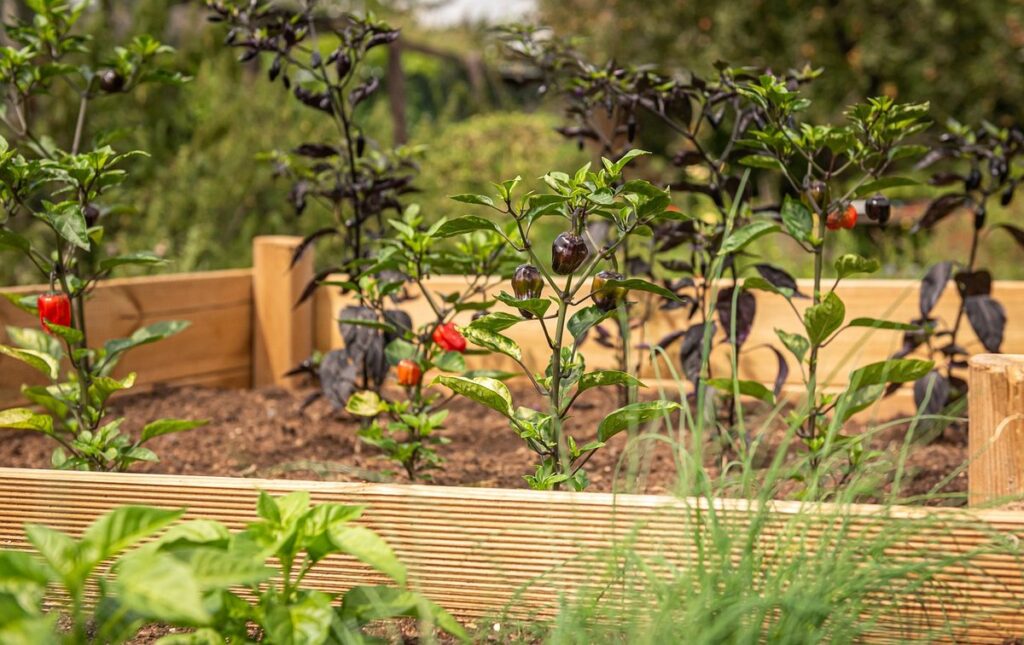
What are Self-Watering Raised Beds?
Self-watering raised beds use a unique water reservoir system that allows plants to draw what they need, making them perfect for busy gardeners and those who want to reduce waste. Let’s dive into how it works!
Benefits of Self-Watering Systems
A self-watering system is essentially a network of water reservoirs and wicking materials that help deliver water to plants as needed. This means that you don’t have to worry about watering your raised bed every day, which can be time-consuming and wasteful.
One of the primary benefits of self-watering systems is reduced watering frequency. With traditional gardening methods, you may need to water your plants multiple times a week, especially during hot or dry weather. However, with a self-watering system, the water reservoir holds enough moisture for several days, minimizing the need for frequent watering.
Another significant advantage of self-watering systems is improved plant growth. By providing consistent moisture levels, these systems promote healthy root development and prevent overwatering, which can lead to root rot and other problems. This allows your plants to thrive in a more stable environment, resulting in healthier, more vibrant foliage and increased yields.
Components of a Self-Watering Raised Bed
A self-watering raised bed is made up of several key components that work together to provide plants with the right amount of water. The typical system includes a water reservoir at the bottom of the bed, which stores excess water that seeps out through the soil as plants need it. This reservoir is often lined with a wicking material, such as a porous fabric or a tube filled with fibers, which draws up moisture from the reservoir to the roots of the plants.
A crucial part of any self-watering raised bed system is a drainage system. This helps to prevent waterlogged soil and ensures that excess water can flow out of the bed easily. A simple drainage system might involve a series of holes or gaps in the bottom of the bed, while more complex systems may use a network of pipes or tubes to direct water away from the roots.
When choosing a self-watering raised bed system, consider the specific needs of your plants and the climate you live in. For example, if you have plants that prefer well-drained soil, look for a bed with built-in drainage features. Similarly, if you live in an area with high rainfall, choose a system that can handle excess water efficiently.
Designing Your Self-Watering Raised Bed
Now that you’ve chosen your self-watering raised bed system, it’s time to design a plan that meets your specific needs and garden goals. Let’s dive into the details of creating your own custom raised bed.
Choosing the Right Materials
When it comes to designing a self-watering raised bed, choosing the right materials is crucial. You’ll want to select durable and weather-resistant options that can withstand various conditions, from scorching sun to heavy rainfall. Wood, plastic, and metal are popular choices for self-watering raised beds.
Consider using cedar or redwood for your frame as these woods naturally resist rot and insects. However, keep in mind that they may require periodic sealing to maintain their weather-resistant properties. Plastic materials, on the other hand, offer easy maintenance and can be molded into various shapes. Metal options like aluminum or steel are also durable but may rust if not properly coated.
Regardless of your material choice, ensure it’s designed with drainage in mind. This will prevent waterlogging and promote healthy root growth. You can achieve this by incorporating built-in drainage systems or using a material that allows for airflow and moisture circulation.
Sizing and Layout Considerations
When designing your self-watering raised bed, it’s essential to consider its size and layout to ensure optimal water usage and plant growth. A well-designed bed will not only conserve water but also promote healthy root development.
Start by determining the space where you’ll place the raised bed. Consider factors like sunlight, accessibility, and drainage. Next, decide on the bed’s dimensions. While there’s no one-size-fits-all approach, a general rule of thumb is to choose a width between 3-4 feet (90-120 cm) and a length that suits your available space.
When it comes to layout, think about companion planting – pairing plants with complementary growth habits. For example, planting legumes alongside tomatoes can provide shade for the soil, reducing moisture loss. Consider also incorporating a mix of tall, medium, and low-growing plants to create visual interest and prevent overcrowding.
To maximize water efficiency, position the self-watering feature at the base of the bed or along the bottom, allowing gravity to do its work. By carefully considering your raised bed’s size and layout, you’ll create an oasis for your plants that minimizes waste and promotes a thriving ecosystem.
Building Your Self-Watering Raised Bed from Scratch
Now that you have a solid understanding of what self-watering raised beds can do, let’s dive into building your own from scratch, starting with the foundation.
Planning Your Design
When planning your self-watering raised bed design, it’s essential to consider several key factors that will determine its success. First, choose a location with adequate sunlight – at least six hours of direct sunlight per day is ideal for most vegetables and herbs. However, if you have limited space or shade-tolerant plants, a spot with partial shade can also work.
Next, think about the soil type. Self-watering raised beds are perfect for areas with poor soil quality, as they allow for greater control over water distribution. Opt for a mix of compost, peat moss, and perlite to create a well-draining yet nutrient-rich medium. Don’t forget to select plants that thrive in self-watering conditions – some popular options include leafy greens, herbs, and strawberries.
Consider the size of your raised bed based on the number of plants you want to grow and their mature sizes. A general rule of thumb is to provide at least 12-18 inches of space between each plant for optimal growth.
Water Reservoir and Wicking System Installation
Installing a water reservoir and wicking system is a crucial step in building a self-watering raised bed. This system allows plants to draw water as needed, reducing the risk of overwatering and minimizing maintenance. To get started, choose a location for your water reservoir that’s easily accessible and consider factors such as drainage and sunlight exposure.
The water reservoir should be placed below the level of the growing bed, ensuring that gravity will pull the water upwards through the wicking system. A typical setup involves placing the reservoir at the bottom of the raised bed or nearby, connected by a series of tubes or wicks made from materials like nylon or cotton rope. As plants absorb water from the soil, the water level in the reservoir will lower, triggering the wicking system to refill as needed.
When designing your wicking system, keep in mind that larger systems require more tubing and may need additional support to prevent sagging under the weight of the water. Consider adding a float valve to regulate water flow and prevent overwatering.
Maintenance and Upkeep of Self-Watering Raised Beds
To keep your self-watering raised beds thriving, regular maintenance is crucial to ensure they continue to perform optimally over time. Let’s dive into some essential upkeep tips and best practices.
Monitoring Water Levels
Monitoring water levels is crucial to ensure optimal plant growth and prevent overwatering. To check the water level, start by locating the reservoir at the bottom of the self-watering raised bed. Look for a float or a sensor that indicates when the water level has dropped to a certain point. This can usually be done through a transparent window on the side of the bed or by checking a digital display.
Check the water level regularly, ideally once or twice a week, depending on weather conditions and plant growth. Water levels may vary significantly during hot summer months, while plants in colder climates may require less water. A good rule of thumb is to top up the reservoir when it’s about 1/4 full. You can use a hose or watering can to add water as needed.
When topping off the reservoir, be sure not to overfill it. Overwatering can cause roots to rot and lead to pest infestations. Keep an eye on your plants’ responses to the water level – if you notice any signs of stress or nutrient deficiencies, adjust the water levels accordingly.
Troubleshooting Common Issues
When using self-watering raised beds, you may encounter some common issues that can impact their performance and efficiency. One of the most prevalent problems is clogging of the wicking system. This usually occurs due to the buildup of debris or mineral deposits within the tubes. To prevent this issue, make sure to regularly clean the tubing with a solution of water and vinegar.
Another common problem associated with self-watering systems is root damage caused by overwatering. Roots can become damaged if they are constantly exposed to saturated conditions, which can lead to reduced plant growth and increased risk of disease. To avoid this, ensure that your plants have sufficient drainage in the raised bed and monitor the moisture levels regularly.
To address these issues, inspect your self-watering system regularly for any signs of blockages or damage. Additionally, maintain a balanced watering schedule, taking into account factors such as weather conditions, soil type, and plant requirements. By following these simple tips, you can ensure that your self-watering raised bed continues to function optimally and provide healthy growth for your plants.
Plants Suitable for Self-Watering Raised Beds
When choosing plants for your self-watering raised bed, consider low-maintenance varieties that can thrive with minimal watering needs. Some excellent options include succulents and herbs like basil and mint.
Vegetables and Fruits
One of the greatest advantages of self-watering raised beds is their ability to support a wide variety of vegetables and fruits. Let’s take a look at some popular choices that not only thrive but also multiply with ease.
Cherry tomatoes are an ideal choice for self-watering raised beds, as they require minimal care and can produce multiple harvests throughout the season. Leafy greens like kale and spinach love the consistent moisture levels provided by these systems, allowing them to grow lush and healthy. Strawberries are another popular pick, producing fruit in as little as 60 days and often requiring no support.
When selecting vegetables for your self-watering raised bed, consider growing a mix of fast-growing crops like radishes and lettuce alongside longer-maturing plants like peppers and cucumbers. This ensures that you’ll have a steady supply of fresh produce throughout the season. Just remember to water accordingly – most vegetables require at least 1-2 inches of moisture per week.
Herbs and Flowers
Growing herbs and flowers in self-watering raised beds is not only aesthetically pleasing but also offers numerous benefits for gardeners who want to minimize their watering needs. One of the primary advantages is that these plants require less frequent watering due to the built-in water reservoir, which helps to maintain a consistent moisture level in the soil. This reduces the risk of overwatering, a common mistake many gardeners make.
When it comes to herbs, such as basil, rosemary, and thyme, self-watering raised beds can lead to improved growth rates and bushier plants. The controlled environment also enables you to harvest your herbs at their peak flavor and fragrance levels. For flowers like marigolds, zinnias, and petunias, the consistent moisture level ensures they bloom for longer periods, adding vibrant colors to your garden.
To get the most out of growing herbs and flowers in self-watering raised beds, make sure to choose varieties that thrive in well-draining soil and partial shade. Also, avoid overfertilizing, as this can lead to weak growth and fewer blooms. By following these simple tips and taking advantage of the benefits offered by self-watering raised beds, you’ll be able to enjoy an abundance of fresh herbs and beautiful flowers with minimal effort.
Case Studies and Real-Life Examples
Take a look at how self-watering raised beds are making a real difference in gardens around the world, from urban backyards to rural homesteads. We’ll share inspiring stories and lessons learned along the way.
Success Stories from Experienced Gardeners
One of the most compelling reasons to consider self-watering raised beds is the success stories from experienced gardeners who’ve already made the switch. Take for instance, Emma’s urban garden in California, where she managed to grow a lush variety of fruits and vegetables with minimal maintenance. By installing a self-watering system in her raised bed, Emma was able to save time and water, while still enjoying an impressive harvest.
Similarly, Sarah from New York reduced her water consumption by 50% after transitioning to a self-watering raised bed. She attributes this to the efficient watering mechanism that ensures plants receive just the right amount of moisture, eliminating overwatering and wastage. When asked about her experience, Sarah emphasized the importance of choosing the right type of system for your garden size and climate.
In both cases, these experienced gardeners found self-watering raised beds to be a “game-changer” in their sustainable gardening endeavors. By adopting this innovative approach, they were able to create thriving gardens with reduced water usage, proving that even the most unlikely spaces can become havens of growth and productivity.
Comparative Analysis with Traditional Gardening Methods
When it comes to gardening, there are numerous methods to choose from. While traditional gardening methods have been around for centuries, self-watering raised beds offer a more efficient and sustainable approach. Let’s dive into the comparative analysis of these two methods.
In traditional gardening, water is manually applied to plants through sprinklers or hoses. This can be time-consuming, especially during peak growing seasons. Not only that, but it also tends to waste a significant amount of water due to evaporation and runoff. Self-watering raised beds, on the other hand, use a built-in reservoir system to supply plants with consistent moisture levels.
This results in several key benefits: reduced water consumption, less maintenance, and healthier plant growth. With self-watering raised beds, you can expect to save up to 50% of your watering time and efforts compared to traditional gardening methods. Additionally, these systems prevent overwatering, which is a common issue with manual watering methods.
In terms of drawbacks, self-watering raised beds require an initial investment in the system itself, including the reservoir and any necessary irrigation components. However, this expense can be recouped through long-term water savings and reduced maintenance costs. By making the switch to self-watering raised beds, you’ll not only be doing your plants a favor but also contributing to a more sustainable future.
Conclusion: Making the Most of Self-Watering Raised Beds
Now that you’ve learned how to create and maintain self-watering raised beds, let’s discuss some final tips for maximizing their benefits in your garden. By implementing these strategies, you’ll be enjoying a thriving and low-maintenance oasis in no time.
Recap of Key Benefits
By incorporating self-watering raised beds into your sustainable gardening practice, you’ve opened up a world of benefits that’ll make your gardening journey smoother and more rewarding. Let’s recap the key advantages you’ve gained so far.
First and foremost, you’ve reduced water waste significantly – a major plus for conserving this precious resource. With an average household using around 100 gallons of water per day, every drop counts. Self-watering raised beds have minimized the risk of overwatering, ensuring that your plants receive just what they need to thrive.
Another significant perk is the reduced maintenance workload. You can now tend to your garden at a leisurely pace, without worrying about frequent watering sessions. This not only saves you time but also reduces stress levels, allowing you to enjoy the therapeutic benefits of gardening.
Moreover, self-watering raised beds have enabled you to create a more diverse and resilient garden ecosystem. By providing optimal conditions for plants, you’ve promoted healthy growth, reduced pest issues, and encouraged beneficial microorganisms to flourish. This balanced environment will continue to pay dividends in terms of yields, flavors, and overall garden health.
By making the most of self-watering raised beds, you’re well on your way to achieving a truly sustainable gardening setup – one that’s both efficient and environmentally friendly. Keep up the great work!
Final Tips and Recommendations
As you’ve made it through this comprehensive guide on self-watering raised beds, we hope you’re as excited as we are about the benefits they offer for sustainable gardening. Now that you have a solid understanding of how these systems work and their advantages, it’s time to put them into practice in your own garden.
Before you start building or transitioning to a self-watering raised bed system, take note of the following key considerations. First, choose the right location for your self-watering beds, considering factors such as sunlight, accessibility, and wind direction. Ensure the soil is well-draining to prevent waterlogged conditions that can lead to root rot.
Next, don’t forget to maintain your system regularly by checking for any blockages in the watering channels or pipes, and inspecting the olla (clay pot) for damage. Regularly monitor soil moisture levels to ensure optimal growing conditions for your plants. By following these final tips, you’ll be well on your way to enjoying the benefits of self-watering raised beds and contributing to a more sustainable future for gardening.
Frequently Asked Questions
Can self-watering raised beds be used for all types of plants?
Yes, but it’s essential to choose plants that are suitable for the self-watering system and can thrive with reduced watering frequency. Vegetables like tomatoes and cucumbers, herbs like basil and mint, and flowers like roses and lavender are excellent choices. However, plants that require consistent moisture levels or have specific soil preferences might not be ideal.
How do I maintain a self-watering raised bed during the winter months?
During the winter, it’s crucial to ensure the water reservoir is drained or insulated to prevent freezing temperatures from damaging the system. You can also add a protective layer of mulch around the plants to retain moisture and regulate soil temperature. Additionally, monitor the system for any signs of damage or leakage before the growing season begins.
Can I use self-watering raised beds in areas with low rainfall?
Yes, self-watering raised beds are an excellent solution for gardens with limited water supply or those experiencing drought conditions. By incorporating a larger water reservoir and using efficient wicking materials, you can ensure your plants receive adequate moisture even during dry spells. Regularly check the system’s performance and adjust as needed to optimize water usage.
How do I troubleshoot common issues in my self-watering raised bed?
Common issues like reduced water flow or plant decline often stem from clogged wicks or inadequate water reservoir capacity. Check for any blockages in the wicking system, ensure the reservoir is large enough to support your plants’ needs, and monitor water levels regularly. Regular maintenance and adjustments can help prevent these problems and maintain a healthy, thriving garden.
Can self-watering raised beds be used indoors?
Yes, self-watering raised beds can be adapted for indoor gardening, provided you choose the right materials and design the system accordingly. Use containers with good drainage and consider using an additional water reservoir to account for reduced evaporation rates indoors. Select plants suitable for indoor conditions and maintain proper air circulation to prevent moisture-related issues.