
Are you tired of constantly checking on your vegetable garden to make sure it doesn’t dry out? Do you wish there was a way to conserve water and reduce maintenance without sacrificing the health and productivity of your plants? You’re in luck because self-watering planter vegetables are here to revolutionize urban gardening. These innovative planters allow your veggies to thrive while minimizing watering needs, making them perfect for busy gardeners who want to grow their own food without breaking a sweat.
In this article, we’ll show you how to create a thriving vegetable garden using self-watering planters that will make your life easier and more sustainable. We’ll cover the benefits of using self-watering planters, how to choose the right one for your needs, and provide tips on how to get the most out of your new low-maintenance garden. By the end of this article, you’ll be equipped with all the knowledge you need to grow a successful and water-efficient vegetable garden in the comfort of your own home.
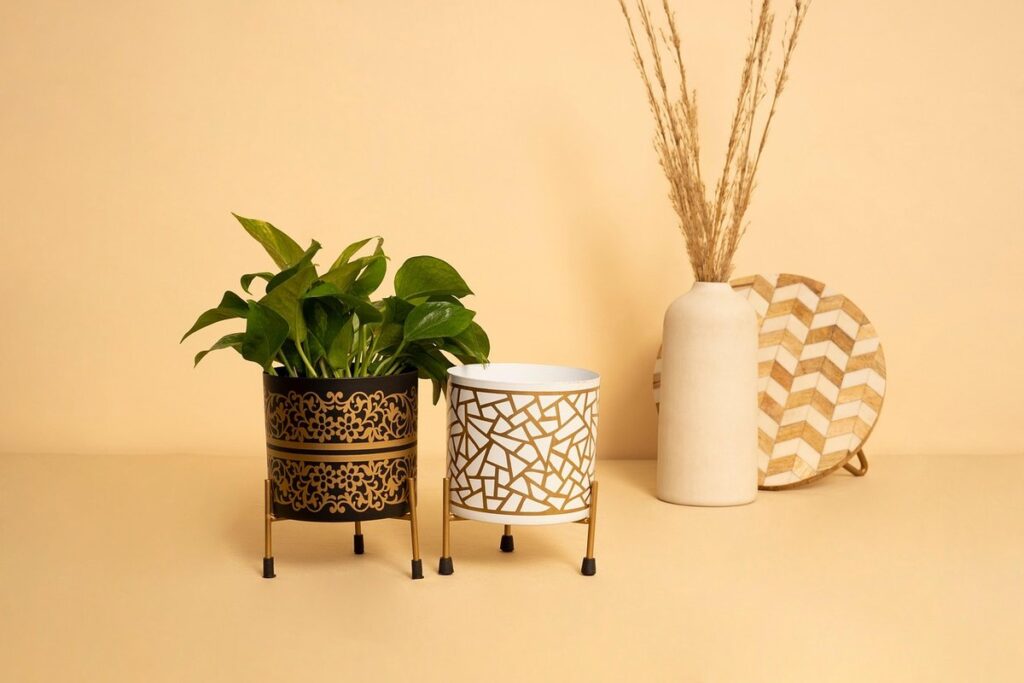
What are Self-Watering Planters?
If you’re new to self-watering planters, let’s start from the beginning and explore what makes these containers so special for urban gardeners. We’ll dive into their unique features and how they work.
Benefits of Using Self-Watering Planters
Using self-watering planters is a game-changer for urban gardeners, offering numerous benefits that go beyond just growing delicious vegetables. One of the most significant advantages is water conservation. Self-watering planters use a built-in reservoir to store excess water, which is then absorbed by the plant as needed. This reduces the frequency of watering, saving you time and effort. In fact, studies have shown that self-watering containers can reduce watering needs by up to 50%!
Another benefit of self-watering planters is reduced maintenance. Since the plant receives a consistent supply of water, there’s no risk of overwatering or underwatering. This eliminates the need for constant monitoring and adjustments, making it perfect for busy urban gardeners who often have limited time to devote to their gardens.
By using self-watering planters, you can also expect healthier plants with stronger root systems. The consistent moisture levels help prevent shock and stress on the plant, leading to more robust growth and higher yields. Whether you’re a seasoned gardener or just starting out, self-watering planters are an excellent choice for anyone looking to grow their own vegetables in urban environments.
Types of Self-Watering Planters
When it comes to choosing the right self-watering planter for your urban garden, you’ll find a wide range of options available. These planters come in various materials, each with its unique characteristics and advantages.
One popular option is ceramic self-watering planters. Made from high-quality clay, these planters are not only aesthetically pleasing but also durable and long-lasting. Ceramic planter users often report reduced water consumption due to the built-in watering system that prevents overwatering and under-watering alike.
Another type of self-watering planter is made from plastic materials, offering a more affordable option for garden enthusiasts. Plastic planters come in various shapes and sizes and are generally lightweight and easy to transport. Their compact design makes them perfect for small urban spaces where space is limited.
Wooden self-watering planters also offer a unique set of benefits. Wooden planters provide natural insulation and can be stained or painted to match any garden décor. Some users may find that wooden planter maintenance requires a bit more effort, as they need occasional waterproofing treatments to prevent rotting.
Regardless of the material you choose, ensure that your self-watering planter is designed with simplicity in mind – one that makes watering easy and hassle-free for even the most inexperienced gardeners.
Choosing the Right Vegetables for Your Self-Watering Planter
When it comes to self-watering planters, selecting the right vegetables is crucial for optimal growth and flavor. Let’s take a closer look at the top picks for your self-watering planter garden.
Understanding Vegetable Water Requirements
When it comes to choosing vegetables for your self-watering planter, understanding their water requirements is crucial. Some veggies are thirstier than others, and knowing which ones need more or less water will help you create a thriving urban garden.
Root vegetables like carrots, beets, and turnips have deeper taproots that absorb moisture from the surrounding soil. These plants require consistent moisture levels to promote healthy growth. On the other hand, leafy greens such as lettuce, spinach, and kale have shallow roots and can survive with less water. They’re perfect for a self-watering planter where excess water is drained quickly.
Other vegetables like tomatoes and cucumbers fall somewhere in between, requiring moderate watering levels to prevent overwatering and root rot. Keep an eye on your plants’ growth rates and adjust the watering schedule accordingly. For instance, if you notice your tomato plant is growing rapidly, it may require more frequent waterings to support its increased demand.
To make informed decisions about watering, research the specific needs of each vegetable variety you’re growing. With a little planning, you’ll be able to create an optimal self-watering planter setup that promotes healthy growth and maximum yields.
Selecting Vegetables with Deep Roots
When selecting vegetables with deep roots to grow in your self-watering planter, consider options like carrots and beets. These root vegetables have a unique advantage when it comes to utilizing the self-watering system. Their extensive root systems can tap into the water reservoir, allowing them to draw on as much moisture as they need.
One of the benefits of growing carrots and beets in your self-watering planter is their ability to thrive in moist conditions. They’re less prone to drought stress, which makes them an excellent choice for urban gardeners who might not have the time or resources to constantly monitor water levels. For example, a single beet plant can develop roots up to 1 foot deep, allowing it to access water and nutrients that other plants wouldn’t be able to reach.
In addition to carrots and beets, other vegetables with deep roots like parsnips and turnips are also well-suited for self-watering planters. When growing these varieties, make sure the planter has sufficient depth to accommodate their root systems. By choosing the right vegetables with deep roots, you can maximize the potential of your self-watering planter and enjoy a bountiful harvest in even the most challenging urban environments.
Designing Your Self-Watering Planter Vegetable Garden
Now that you’ve chosen your self-watering planter vegetables, let’s dive into designing a thriving garden that brings you fresh produce and minimal watering worries. This section will guide you through the planning process.
Understanding Self-Watering Mechanisms
When it comes to self-watering planter vegetables, understanding the mechanisms behind them is crucial for optimal performance. At its core, a self-watering system uses gravity and capillary action to deliver water directly to the roots of plants, reducing the need for frequent watering.
One popular type of self-watering mechanism is the wicking system, also known as a “reservoir” or “deep water” system. This works by having a reservoir at the bottom of the planter that stores excess water. A wick or porous material draws water from this reservoir up to the roots of the plants through capillary action, allowing for efficient watering without overwatering.
Sub-irrigation systems are another type of self-watering mechanism that uses a separate reservoir outside the planter to store water. This water is then drawn into the planter through a network of tubes or pipes, providing plants with consistent moisture levels. These systems can be especially useful in urban gardens where space is limited and precise watering control is essential.
When selecting a self-watering system for your planter vegetables, consider the specific needs of your plants and choose a mechanism that suits their growth habits and water requirements.
Planning Your Plant Layout
When designing your self-watering planter vegetable garden, it’s essential to plan your plant layout carefully to maximize space and promote healthy growth. To start, assess the size of your planter and the types of vegetables you want to grow. Consider the mature size of each variety and leave enough space for proper air circulation.
A general rule of thumb is to plant vegetables that have similar growing requirements together. For example, tomatoes and peppers can be grouped together, while lettuce and herbs like basil or mint can be placed in a separate area. Make sure to leave about 6-8 inches between each plant to prevent overcrowding.
Consider the “three sisters” method, where you pair tall plants (like sunflowers) with shorter ones (like beans), and add nitrogen-fixing legumes (like peas). This layout not only maximizes space but also promotes healthy growth by providing shade, support, and beneficial relationships between plants.
Installing a Self-Watering Planter Vegetable Garden
Before you start planting, make sure you have all the necessary materials and tools to install your self-watering planter system correctly. This includes a water reservoir, pump, and tubing.
Step-by-Step Installation Guide
To start installing your self-watering planter vegetable garden, you’ll want to begin by preparing the soil. This is an essential step that will determine the success of your entire project. Dig a hole for your self-watering planter that’s slightly larger than the container itself. Next, add a 2-3 inch layer of compost or well-draining potting mix. This will help improve the soil‘s fertility and drainage.
Now it’s time to plant your vegetables. Choose compact varieties that are specifically bred for container gardens. Plant them at the same depth as they were in their original pots, making sure not to overcrowd the planter. Water the soil gently but thoroughly after planting. For the first few days, check the self-watering system regularly to ensure it’s working correctly.
Once everything is in place, your self-watering planter vegetable garden will take care of itself. Just remember to replenish the water reservoir as needed, and you’ll be enjoying a bountiful harvest in no time. With proper maintenance, your vegetables should thrive without requiring too much attention from you.
Tips for Optimizing Your System
To get the most out of your self-watering planter system, it’s essential to optimize it for maximum water efficiency. This means taking a closer look at its components and adjusting them as needed. First, ensure that the water reservoir is large enough to provide an adequate supply for your plants during extended dry spells.
You should also calibrate the water level sensor to accurately detect when the soil needs more moisture. If the sensor is too sensitive, it may trigger frequent watering cycles, which can lead to overwatering and root rot. Conversely, if it’s not sensitive enough, your plants might suffer from drought stress.
Another crucial aspect of optimization is monitoring the system’s performance. Keep an eye on how much water you’re using and adjust as needed. Consider implementing a smart irrigation controller that allows for real-time adjustments based on weather forecasts, soil moisture levels, and plant growth stages. By fine-tuning your self-watering planter system in this way, you’ll be able to maximize its benefits while minimizing waste and ensuring the health of your plants.
Maintaining Your Self-Watering Planter Vegetable Garden
Now that you’ve successfully grown your self-watering planter vegetables, it’s time to keep them thriving. This section covers essential maintenance tips for a healthy and productive harvest.
Monitoring Water Levels
Monitoring water levels in your self-watering planter is crucial to ensure your vegetables receive just the right amount of moisture. You can check the water level by gently lifting the lid or removing a few stones from the reservoir. If you notice the water level dropping, it’s time to refill the container.
As a general rule, you should aim to keep the water level at about 75% capacity in the reservoir. This allows for some flexibility and prevents overwatering, which can lead to root rot and other issues. You can also use the “touch test” to check if the soil feels dry or damp. If it’s dry, it’s time to add a bit more water.
Be mindful of weather conditions, as excessive rainfall may cause the water level to rise too high. Conversely, during periods of drought or extreme heat, you might need to top up the reservoir more frequently. Keep an eye on your plants’ responses to changes in the water level and adjust accordingly. This will help you strike the perfect balance and ensure your self-watering planter vegetables thrive.
Dealing with Common Issues
As you tend to your self-watering planter vegetable garden, you may encounter some common issues that can be frustrating and detrimental to your plants’ health. One of the most significant concerns is root rot, which can occur when the water reservoir becomes clogged or the soil becomes too moist for an extended period. To prevent this, ensure that you regularly inspect the reservoir for blockages and adjust the watering schedule as needed.
Pests are another common problem in self-watering planter gardens. Fungal diseases like powdery mildew can also develop due to excessive moisture. To combat these issues, adopt a combination of good hygiene practices, such as disinfecting tools regularly, monitoring for signs of pests or disease, and implementing integrated pest management strategies.
Keep an eye out for any unusual growth patterns or discoloration in your plants, and take prompt action if you notice any problems. Regularly inspect the planter’s drainage system to ensure it is functioning correctly. With proper maintenance and vigilance, you can minimize the risk of these common issues and enjoy a thriving self-watering planter vegetable garden.
To prevent pests from taking over, consider introducing beneficial insects like ladybugs or lacewings into your garden. These natural predators will help keep pest populations under control without harming your plants. Regularly pruning your plants can also improve air circulation and reduce the likelihood of fungal diseases.
Troubleshooting Your Self-Watering Planter Vegetable Garden
As you tend your self-watering planter vegetable garden, issues can arise – don’t worry, we’ve got solutions for common problems and troubleshooting tips to get you back on track.
Identifying Problems Early On
Identifying problems early on is crucial to prevent damage to your self-watering planter vegetables. As an urban gardener, you’re likely to encounter issues like overwatering, underwatering, or nutrient deficiencies, which can be devastating if not addressed promptly.
Start by monitoring your plants’ behavior and appearance regularly. Look for signs of stress, such as yellowing leaves, droopy stems, or black spots on the foliage. These indicators may signal a problem that needs attention. Check the water level in the reservoir daily to ensure it’s not too high or low.
Keep an eye out for pests like aphids, whiteflies, and spider mites, which can quickly spread and harm your plants. Regularly inspect the planters for any signs of infestation, and take action immediately if you spot any unwanted visitors.
Early detection also allows you to adjust your watering schedule accordingly. For example, if it’s been a particularly hot week, you may need to increase the water level in the reservoir or provide supplemental watering through other means, like misting or hand-watering.
By catching issues early on, you can prevent more severe problems from developing and ensure your self-watering planter vegetables continue to thrive.
Solutions for Common Issues
Clogged wicking systems are one of the most common issues that can arise in self-watering planter vegetable gardens. If your system is clogged, water will not be able to reach the roots of your plants, causing them to suffer from drought stress. To resolve this issue, start by checking the wick for any blockages or kinks. Remove any debris or buildup that may be preventing water from flowing freely.
Another common problem is imbalanced nutrient levels. If the reservoir contains too much fertilizer, it can leach into the soil and burn your plants’ roots. Conversely, if there’s not enough fertilizer in the reservoir, your plants may struggle to grow. To maintain balanced nutrient levels, use a fertilizer specifically designed for self-watering systems, and follow the manufacturer’s instructions for application rates.
Regularly inspecting your planter and wicking system can help prevent these issues from arising in the first place. Make it a habit to check the moisture level of your reservoir and adjust the water intake accordingly. This simple step can save you from dealing with costly repairs or replacements down the line.
Conclusion: Harvesting Success with Self-Watering Planter Vegetables
Now that you’ve successfully grown your self-watering planter vegetables, let’s discuss how to harvest and enjoy your bounty in a sustainable way. Harvesting success is just as important as planting it!
Recap of Key Takeaways
By now, you’ve learned about the numerous benefits of growing vegetables with self-watering planters. Let’s recap the key takeaways and best practices to help you maximize your success.
Using self-watering planters can increase crop yields by up to 30% compared to traditional watering methods. This is because these planters have a built-in water reservoir that allows roots to absorb water as needed, reducing evaporation and runoff. To get the most out of your self-watering planter, make sure to choose a variety of vegetables that thrive in such conditions.
Some popular choices include leafy greens like lettuce and kale, cherry tomatoes, and herbs like basil and mint. When selecting a self-watering planter, consider factors such as material (e.g., plastic, ceramic), size, and design features (e.g., watering system, drainage). By following these tips and experimenting with different vegetables and planters, you’ll be well on your way to harvesting success with your self-watering vegetable garden.
Encouragement to Get Growing!
As you’ve made it to the end of this article, we hope you’re excited about the prospect of growing your own vegetables using self-watering planters. We’ve covered the benefits, provided tips on how to choose the right planter and plants, and explored some amazing features that make these planters a game-changer for urban gardeners.
Now it’s time to take action! Growing your own vegetables in a self-watering planter is easier than you think, and with a little practice, you’ll be harvesting fresh produce in no time. Not only will you enjoy the satisfaction of eating food that you’ve grown yourself, but you’ll also save money on grocery bills and reduce your carbon footprint.
Remember, the key to success lies in understanding how these planters work and experimenting with different types of plants and maintenance schedules. Don’t be afraid to get creative and try new things – after all, self-watering planter vegetables are all about innovation and experimentation!
Here’s a simple step-by-step guide to help you get started:
* Choose a sunny spot in your home or backyard
* Select the right type of plant for your self-watering planter (consider leafy greens, cherry tomatoes, or herbs)
* Add water reservoirs according to the manufacturer’s instructions
* Plant your chosen vegetables and enjoy watching them grow
It may seem daunting at first, but with a little patience and practice, you’ll be reaping the benefits of homegrown produce in no time. So why not give it a try? Your taste buds (and the planet) will thank you!
Frequently Asked Questions
Can I use self-watering planters for plants that require a lot of water, such as tomatoes and cucumbers?
Yes, self-watering planters are ideal for plants with high water requirements like tomatoes and cucumbers. These planters have a built-in watering system that allows excess water to be stored in the reservoir, ensuring your plants receive the right amount of moisture.
How do I know when my self-watering planter needs maintenance or repairs?
Regularly inspect your self-watering planter for any signs of damage, blockages, or mineral buildup. Check the water level and adjust as needed. If you notice any issues, refer to the manufacturer’s instructions or contact their customer support for guidance.
Can I use self-watering planters in areas with low light conditions?
Self-watering planters can be used in areas with low light conditions, but keep in mind that your plants’ growth may be affected by reduced sunlight. Choose varieties of vegetables that thrive in low-light environments and ensure proper air circulation to prevent fungal diseases.
What are some common mistakes to avoid when setting up a self-watering planter vegetable garden?
Avoid overwatering by not filling the reservoir too quickly, as this can lead to root rot and other issues. Also, make sure to choose vegetables with similar water requirements to optimize your system’s performance.
How do I ensure my self-watering planter is working efficiently in hot or cold weather conditions?
During extreme temperatures, monitor the water level more frequently to avoid dehydration or overwatering. Keep the reservoir shaded from direct sunlight and ensure proper ventilation around the planter to prevent heat buildup.