
If you’re looking for a natural remedy that’s been used for centuries, you might be interested in Prunella Vulgaris, also known as self-heal. This unassuming plant has been a staple in traditional medicine and cooking for a long time, but its potential is still being uncovered today.
Prunella Vulgaris has been prized for its medicinal properties – from treating wounds and reducing inflammation to boosting the immune system. But that’s not all; it also has culinary applications and can be used as a natural preservative in food. With this blog post, we’ll delve into the traditional and modern uses of Prunella Vulgaris, exploring its history, benefits, and ways to incorporate it into your life. Whether you’re interested in natural health remedies or looking for new ingredients to try in your kitchen, read on to discover the power of Prunella Vulgaris.
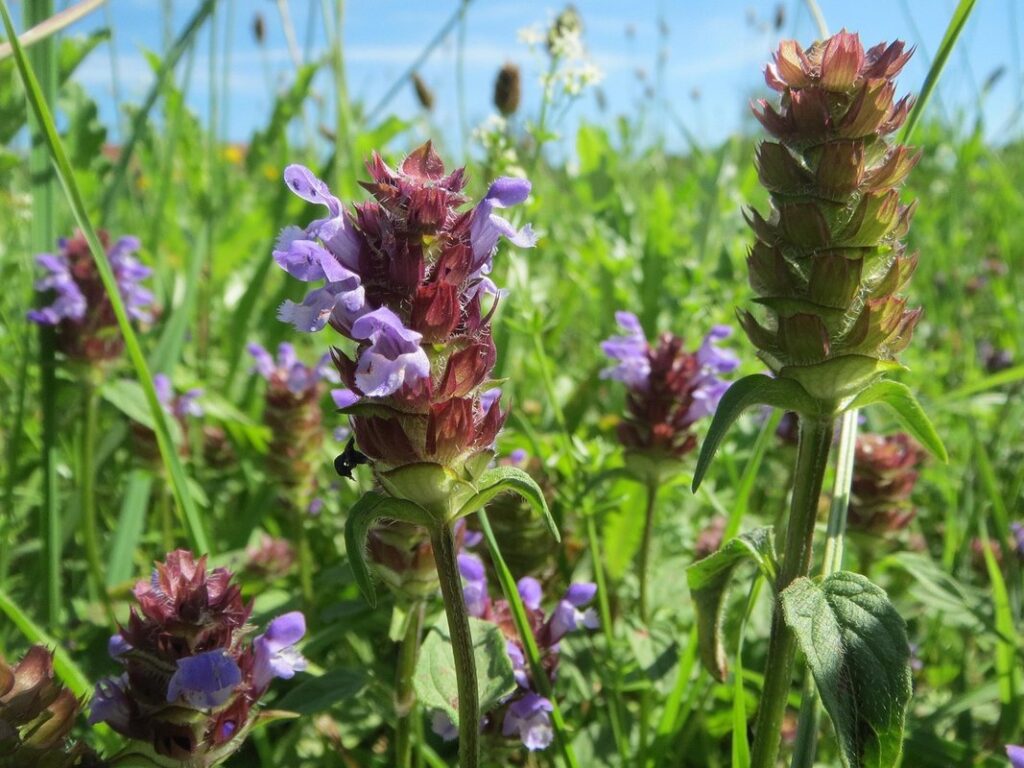
Benefits and Uses of Prunella Vulgaris
You’re probably curious about how you can harness the potential of self heal to improve your health, so let’s explore its various benefits and uses.
Traditional Medicine and Herbalism
For centuries, self heal plant (Prunella vulgaris) has been a staple in traditional medicine and herbalism. This versatile herb has been used to treat a variety of ailments, from skin irritations and wounds to fever reduction and immune system support. In ancient Greece, the physician Hippocrates is said to have used self heal to treat eye and ear infections.
In traditional Chinese medicine, self heal is believed to tonify the spleen and stomach, promoting digestive health and energy. In Europe, herbalists have long employed self heal in salves and ointments to soothe skin irritations, burns, and wounds. The herb’s anti-inflammatory properties make it an effective treatment for eczema, acne, and other inflammatory conditions.
You can incorporate self heal into your own herbal remedies by making a tea from the leaves or using the flowers and leaves in a salve or ointment. To create a soothing skin salve, combine equal parts self heal leaf and calendula flower with a carrier oil like coconut or olive oil. Apply topically to soothe irritated skin and promote healing.
Modern Research and Validation
Recent studies have shed light on the potential therapeutic applications of prunella vulgaris. For instance, research has shown that its extracts exhibit antimicrobial properties against a range of pathogens, including methicillin-resistant Staphylococcus aureus (MRSA). This is particularly promising for wound care and infection prevention.
A study published in the Journal of Ethnopharmacology found that prunella vulgaris extract significantly reduced inflammation in mice with collagen-induced arthritis. This suggests potential anti-inflammatory effects, which could be beneficial for conditions like rheumatoid arthritis and other inflammatory diseases. Furthermore, a case study reported on the use of prunella vulgaris tea to treat skin irritations, highlighting its soothing and calming properties.
The antimicrobial and anti-inflammatory properties of prunella vulgaris make it an exciting area of research. While more studies are needed to confirm its efficacy for various health conditions, early results are promising. If you’re interested in exploring the potential benefits of prunella vulgaris, consult with a healthcare professional before using it as a complementary therapy.
Culinary and Cosmetic Uses
Prunella vulgaris is not only a valuable medicinal herb but also a versatile ingredient for culinary and cosmetic uses. When it comes to cooking with self heal, the plant has a mild minty flavor that pairs well with vegetables, meats, and soups. Its leaves can be added fresh or dried to create flavorful teas, infusions, and seasonings.
In terms of nutritional benefits, Prunella vulgaris is rich in vitamins A, C, and E, as well as minerals like potassium and iron. It’s also an excellent source of antioxidants, which help protect against oxidative stress and inflammation in the body. When used in cooking, self heal can add depth and complexity to dishes while providing a boost of essential nutrients.
For cosmetic uses, Prunella vulgaris has been traditionally used to soothe skin irritations, reduce inflammation, and promote wound healing. It can be made into creams, salves, and ointments to treat minor cuts and scrapes, acne, and eczema. Additionally, self heal’s antifungal properties make it an effective natural remedy for hair care, helping to control dandruff and other scalp issues.
Growing and Identifying Prunella Vulgaris
If you’re eager to start cultivating your own self heal plants, learning how to grow and identify them is a great place to begin. This section will walk you through the process step by step.
Plant Characteristics and Identification
To identify Prunella vulgaris, also known as Self Heal, you’ll need to take a closer look at its distinct characteristics. This perennial plant can grow up to 12-18 inches tall and has square stems that are hairy and often reddish or purple-tinted. The leaves are the most distinctive feature – they’re opposite each other on the stem, lance-shaped, and covered in fine hairs.
When it comes to growth habits, Self Heal tends to form a rosette of leaves at the base of the plant, with flowering stems emerging from the center. The flowers themselves are small, two-lipped blooms that range in color from purple to pink or white. One key way to distinguish Prunella vulgaris from similar plants is its unique habit of producing a second flush of flowers later in the summer.
Look for Self Heal in moist areas with partial shade – it’s commonly found near streams, ponds, and woodland edges. With its distinctive appearance and growth habits, you should be able to spot this valuable medicinal plant in no time.
Cultivation Tips and Requirements
Growing self heal from scratch requires attention to its specific needs. Prunella vulgaris prefers well-draining soil that is rich in organic matter. Aim for a pH between 6.0 and 7.5, as this will provide the best conditions for growth. When choosing a location, ensure it receives partial shade to full sun, depending on your climate. In areas with intense sunlight, consider providing some afternoon shade to prevent scorching.
Water self heal regularly, but avoid overwatering, which can lead to root rot. Aim for about 1-2 inches of water per week, either from rainfall or irrigation. You can also mulch around the plants to retain moisture and suppress weeds. Be on the lookout for potential issues like aphids, slugs, and snails, which can be managed with neem oil or physical barriers.
By paying attention to these cultivation requirements, you’ll be well on your way to growing healthy self heal plants that can provide medicinal benefits all season long. With a little patience and care, you can unlock the full potential of this remarkable herb.
Harvesting and Preparation for Use
Harvesting and preparing Prunella vulgaris for use is an essential step in unlocking its potential. When to harvest leaves versus flowers depends on the desired application. For teas and infusions, it’s best to pick leaves when they’re young and tender, as this will ensure a more palatable flavor. Harvest leaves in the morning after the dew has dried but before the heat of the day sets in.
For tinctures and other medicinal preparations, both leaves and flowers can be used. Flowers are typically harvested just before or during full bloom, when they’re fully open and at their most potent. Be sure to use clean, sharp scissors or pinch off individual stems with your fingers to avoid bruising the delicate foliage.
To prepare Prunella vulgaris for use, simply wash the leaves or flowers gently in cool water, then pat them dry with a paper towel. For teas, you can add the fresh herbs directly to hot water and let steep for 5-10 minutes. For tinctures, combine the dried plant material with a neutral carrier oil like grapeseed or sunflower oil and store in a cool, dark place.
Safety Considerations and Precautions
When working with self heal, it’s essential to be aware of certain safety considerations and precautions to ensure you get the most out of its benefits without any adverse effects.
Potential Interactions and Side Effects
While self heal plant is generally considered safe for use, it’s essential to be aware of potential interactions and side effects. As with any herbal remedy, prunella vulgaris may interact with certain medications, such as blood thinners, diabetes medications, and antacids. For instance, consuming large quantities of self heal may increase the risk of bleeding when taking warfarin or other blood thinners.
If you’re considering using self heal for medicinal purposes, consult with your healthcare provider before starting treatment. This is especially important if you have any underlying health conditions, such as kidney disease or liver issues, as prunella vulgaris may exacerbate these conditions.
Possible side effects of consuming self heal include gastrointestinal upset, allergic reactions, and skin irritation. To minimize potential risks, use high-quality dried or fresh plant material, and follow recommended dosages. It’s also crucial to identify the plant correctly, as some lookalike species can be toxic.
Contraindications and Allergies
If you’re new to using prunella vulgaris for medicinal purposes, it’s essential to be aware of certain contraindications and allergies. While generally considered safe when used appropriately, there are situations where its use should be avoided.
For example, pregnant women or those breastfeeding should consult their healthcare provider before consuming prunella vulgaris. Although rare, some studies suggest that high doses may stimulate the uterus, potentially leading to preterm labor. Similarly, individuals with allergies to members of the mint family (e.g., peppermint, basil) may react to prunella vulgaris due to its botanical similarities.
People with sensitive skin or allergies should exercise caution when using topical applications or essential oils derived from prunella vulgaris. A patch test is recommended before applying it to larger areas or mixing it with other products. In rare cases, some individuals might experience an allergic reaction such as redness, itching, or swelling after contact.
If you’re unsure about any potential interactions or allergies, always consult your healthcare provider before using prunella vulgaris for medicinal purposes.
Comparing Prunella Vulgaris to Other Herbs
Now that you know more about the incredible benefits of self heal, let’s compare its properties and uses to those of similar herbs. This section will highlight some notable differences and similarities with other popular plants.
Similarities and Differences with Related Plants
If you’re familiar with herbs like Leptandra and Lycopus, you might notice similarities between their growth habits and medicinal properties and those of Prunella vulgaris. For instance, all three plants belong to the same family (Lamiaceae) and share a similar appearance, with heart-shaped leaves and purple flowers. However, while they share some commonalities in terms of uses, each plant has its unique characteristics.
Prunella vulagaris stands out for its ability to stimulate digestion and alleviate respiratory issues, whereas Leptandra is more commonly used for its anti-inflammatory properties and digestive benefits. Lycopus, on the other hand, is known for its antiseptic and astringent qualities. When choosing between these plants or using them in combination with self heal, consider the specific needs of your patients or household members. For example, if you’re looking to soothe an irritated throat, Prunella might be a better choice than Lycopus.
Choosing Between Self Heal and Alternatives
When considering self heal (Prunella vulgaris) for specific health concerns or applications, it’s essential to weigh its advantages and disadvantages against other available herbal options. One of the primary benefits of self heal is its adaptogenic properties, which enable it to boost the body’s natural defenses without causing dependency or side effects.
For instance, if you’re looking for a natural solution to soothe digestive issues, peppermint (Mentha piperita) might be a more effective choice due to its faster-acting compounds. However, self heal offers longer-term benefits and can be more versatile in its applications, such as topical use for wound healing or skin irritations.
On the other hand, if you’re seeking an herb with potent antimicrobial properties, echinacea (Echinacea spp.) might be a better option. Nevertheless, self heal’s unique combination of flavonoids, phenolic acids, and terpenes provides a broad-spectrum approach to immune system support that may not be replicated by other herbs.
Ultimately, the choice between self heal and alternatives depends on your specific needs and preferences. By understanding the distinct benefits and limitations of each herb, you can make informed decisions about incorporating self heal into your wellness routine or exploring other options for optimal results.
Conclusion: Harnessing the Power of Prunella Vulgaris
In conclusion, we’ve explored the incredible potential of Prunella vulgaris, also known as self heal. From its rich history in traditional medicine to its modern-day uses, this plant has proven itself to be a valuable resource for promoting overall well-being. As you consider incorporating self heal into your daily routine, remember that it’s essential to use high-quality products or grow the plant yourself to ensure potency and effectiveness. To get started, try infusing self heal in olive oil or making a tea from its leaves to reap the benefits of its anti-inflammatory properties.
By harnessing the power of Prunella vulgaris, you can take control of your health and unlock a wealth of natural remedies at your fingertips. With a little creativity and experimentation, you’ll be amazed at the ways self heal can transform your well-being. So why not give it a try? Your body (and mind) will thank you!
Frequently Asked Questions
Can I grow Prunella Vulgaris indoors, or does it require a specific climate?
Yes, self-heal can be grown indoors under controlled conditions. It prefers well-draining soil and partial shade to full sun. To replicate its natural habitat, provide it with a temperature range of 15-20°C (59-68°F) and maintain humidity levels above 50%. This will allow you to harvest the plant year-round.
How do I identify Prunella Vulgaris in the wild, especially when it’s not in bloom?
To accurately identify self-heal in its non-blooming stage, look for its distinctive heart-shaped leaves with pointed tips and a smooth margin. The plant grows up to 30 cm (12 in) tall, forming a compact rosette at the base. Be aware that other plants may resemble self-heal, so consult a trusted field guide or an expert before making a positive identification.
Can I use Prunella Vulgaris essential oil as a substitute for its dried herb?
While both forms of self-heal have medicinal properties, they are not interchangeable. Essential oils are concentrated and potent, whereas the dried herb is typically used in teas, infusions, or topical applications. Use the essential oil with caution and follow proper dilution guidelines to avoid adverse effects.
Is Prunella Vulgaris safe for use during pregnancy or breastfeeding?
No, self-heal should be used with caution during these periods due to its potential interactions with medications and its emmenagogic properties (which may stimulate menstrual flow). Consult a healthcare professional before using self-heal for any purpose when pregnant or breastfeeding.
How long does Prunella Vulgaris remain potent after drying, and what storage conditions should I use?
The potency of dried self-heal can last up to 6-12 months when stored in an airtight container, away from direct sunlight and moisture. Store it in a cool, dark place to preserve its medicinal properties.