
Choosing the right potting soil mix can be overwhelming, especially for beginner gardeners. With so many options available on the market, it’s easy to get lost in the sea of different formulas and ingredients. But the truth is, a good potting soil mix is the backbone of healthy plant growth, providing essential nutrients and supporting the development of strong roots.
In this article, we’ll guide you through the process of selecting the perfect potting soil mix for your plants. We’ll cover the basics of what to look for in a high-quality potting soil mix, including DIY recipes and tips on adjusting pH levels to ensure optimal growth. We’ll also share common mistakes to avoid when choosing a potting soil mix, so you can get started with confidence.
Understanding Potting Soil Mix Components
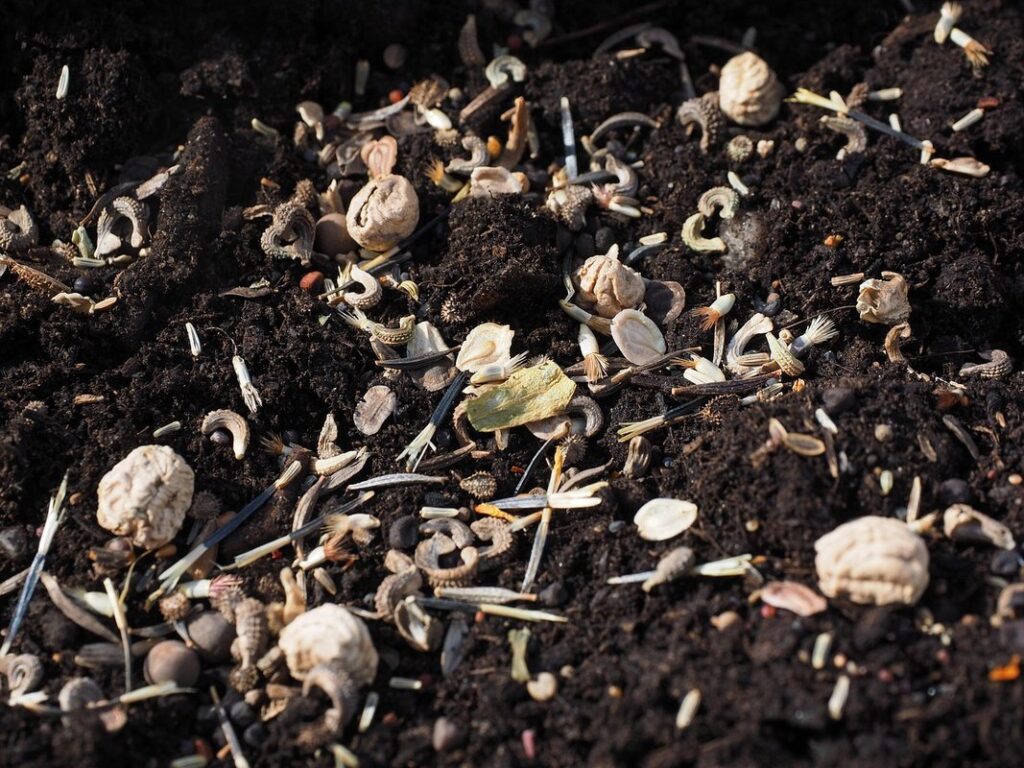
Let’s take a closer look at what makes up a potting soil mix, breaking down its essential components and how they impact your plants’ health. From peat moss to perlite, we’ll explore it all.
Organic Matter and Its Importance in Potting Soils
Organic matter plays a vital role in potting soil mixes, and it’s essential to understand its importance. When you add components like peat moss, compost, or coconut coir to your mix, you’re not just adding bulk – you’re improving the overall health of your soil.
These organic materials improve the structure of your potting soil by increasing its water-holding capacity and aeration. Peat moss, for instance, can hold up to 20 times its weight in water, making it an excellent choice for plants that prefer moist conditions. Compost, on the other hand, adds fertility to the mix, providing essential nutrients that promote healthy plant growth.
Coconut coir is another popular organic matter addition, known for its ability to improve soil’s water retention and reduce erosion. When combined with these components, you can create a well-balanced potting mix that meets your plants’ specific needs. To incorporate organic matter effectively, aim for a mix of 10-20% peat moss or coconut coir, supplemented by compost at around 5-10%. This blend will provide the right balance of structure, fertility, and water-holding capacity to support healthy plant growth.
Inorganic Materials: Sand, Perlite, and Vermiculite
Inorganic materials like sand, perlite, and vermiculite are essential components of a well-balanced potting soil mix. These minerals help improve drainage, aeration, and overall root health in plants. Let’s take a closer look at each of these inorganic materials.
Sand is often used to improve the drainage characteristics of potting mixes. It helps prevent waterlogged soils that can be detrimental to plant growth. A general rule of thumb is to use a mix with around 20-30% sand content for optimal results. You can also add sand to your existing potting soil mix to boost its drainage capabilities.
Perlite and vermiculite are popular choices for adding aeration and structure to potting mixes. Both materials have unique properties that benefit plant growth. Perlite, for instance, is highly porous and helps retain moisture while allowing excess water to drain away quickly. Vermiculite, on the other hand, expands when exposed to heat, creating tiny pockets of air within the mix that promote healthy root development.
When using perlite or vermiculite in your potting soil mix, it’s essential to follow the manufacturer’s recommended ratio. A general guideline is to use 10-20% perlite and 5-15% vermiculite for optimal results.
The Effects of pH on Plant Growth
Understanding how pH affects plant growth is crucial when selecting a potting soil mix, as it can greatly impact your plants’ health and development over time.
Understanding Soil pH and Its Impact on Plants
Soil pH is a crucial factor that affects plant growth and nutrient availability. The ideal pH range for plants varies depending on the type of plant, with some requiring acidic, others neutral, and others alkaline conditions to thrive.
For example, acid-loving plants like azaleas, rhododendrons, and blueberries require a pH between 4.5 and 6.0 to access essential nutrients. On the other hand, plants like succulents and cacti prefer well-draining potting mixes with a higher pH, usually above 7.0.
Nutrient availability is also significantly impacted by soil pH. Phosphorus and micronutrients become more available at slightly acidic to neutral pH levels (around 6-7), while nitrogen becomes more readily available in alkaline conditions (pH above 8). Understanding your plant’s specific pH requirements will help you choose the right potting mix.
To check your soil pH, use a testing kit or consult with a local nursery. Based on the results, adjust your potting mix accordingly to ensure optimal nutrient availability for your plants.
Methods for Adjusting Soil pH in Potting Mixes
When it comes to adjusting soil pH in potting mixes, there are several methods you can employ to achieve the optimal balance for your plants. One common approach is to add lime to raise the pH level. Dolomitic limestone or calcitic limestone are popular choices, as they release calcium and magnesium ions that help neutralize acidity.
On the other hand, if your potting mix has a high pH and you need to lower it, adding sulfur-based products can be effective. Aluminum sulfate, iron sulfate, or elemental sulfur are common options. When using these products, remember to follow the manufacturer’s instructions carefully, as excessive application can damage roots or even kill your plants.
It’s essential to note that adjusting soil pH too frequently or with extreme measures can disrupt microbial activity and nutrient availability in the potting mix. To avoid this, it’s recommended to make gradual adjustments over time, monitoring your plant’s response closely. This will help you achieve a stable and optimal pH range for healthy growth.
Choosing the Right Potting Soil Mix for Your Plants
When selecting a potting soil mix, it’s essential to consider your plant’s specific needs and choose a blend that provides the right balance of nutrients, drainage, and structure. We’ll break down what to look for in this section.
Selecting a General-Purpose Potting Soil Mix
When it comes to choosing a potting soil mix for most houseplants, general-purpose mixes are often the way to go. These blends are designed to provide a balanced nutrient profile and suitable water-holding capacity for a wide range of plants.
However, not all general-purpose mixes are created equal. When selecting one, consider factors such as the plant’s specific needs, climate, and intended use in the home or outdoors. Some general-purpose mixes may contain added fertilizers, which can be beneficial for plants that require extra nutrients.
Look for a mix with a pH level between 6.0 and 7.0, as this range allows for optimal nutrient uptake by most plant species. Also, consider the mix’s water retention properties, as some plants prefer well-draining mixes to prevent root rot.
Ultimately, even within general-purpose mixes, there may be variations in terms of ingredients, pH levels, and added fertilizers. Take a closer look at the ingredient list and manufacturer recommendations to determine which blend best suits your plant’s specific needs.
Specialized Potting Soils for Cacti, Succulents, and Tropical Plants
When it comes to potting soil mixes, not all plants are created equal. Some require specialized blends that cater to their unique needs and preferences. If you’re a proud owner of cacti, succulents, or tropical plants, you know how finicky they can be. That’s why we’ve got you covered with the best specialized potting soils for these plant types.
Cacti and succulents, for instance, thrive in well-draining mixes that prevent waterlogged soil conditions. Look for blends containing perlite, vermiculite, or sand, which help to aerate the soil and reduce moisture retention. A good example is Miracle-Gro’s Cactus Potting Mix, specifically designed to promote healthy root growth and prevent overwatering.
Tropical plants, on the other hand, require a more humid environment and rich organic matter. Consider using a mix like Black Kow’s Tropical Plant Potting Soil, which contains high-quality compost and peat moss to retain moisture and nutrients. By choosing the right specialized potting soil for your cacti, succulents, or tropical plants, you’ll be well on your way to creating an ideal environment for them to flourish.
DIY Potting Soil Mix Recipes
If you’re eager to create a potting soil mix from scratch, we’ve got you covered with three easy-to-make recipes that cater to different plant needs and preferences. These DIY blends are perfect for gardeners on a budget!
Basic Ingredients for a Homemade Potting Soil Mix
When creating a basic homemade potting soil mix, it’s essential to have the right ingredients in the correct proportions. A well-balanced potting soil blend should consist of 40-50% peat moss or coconut coir, which helps retain moisture and suppresses diseases. Next, add 20-30% perlite or vermiculite for improved drainage and aeration.
Compost is another crucial ingredient, making up around 10-20% of the mix. You can use either store-bought compost or make your own by following proper procedures to ensure it’s free from pathogens and weed seeds. Lastly, incorporate a balanced fertilizer at a rate of about 5%. For example, you could add a 5-5-5 N-P-K (nitrogen-phosphorus-potassium) ratio fertilizer.
Remember that the specific ratios may vary depending on your region’s climate and the types of plants you’re growing. Keep in mind that using peat moss can be expensive, so coconut coir is a more affordable alternative with similar benefits. When mixing these ingredients, make sure to combine them thoroughly to ensure an even distribution of nutrients and texture.
Customizing Your Potting Soil Mix with Additional Ingredients
When it comes to creating the perfect potting soil mix for your plants, you may want to consider adding some extra ingredients to give them an added boost. This is where customization comes in – by incorporating specific additives into your mix, you can tailor it to meet the unique needs of your plants.
One popular additive is worm castings, also known as vermicompost. These nutrient-rich natural fertilizers are produced by worms as they break down organic matter and can provide essential micronutrients like iron, magnesium, and sulfur. To incorporate worm castings into your mix, simply add 10-20% of the recommended amount to the blend.
Another beneficial additive is mycorrhizal fungi, which form symbiotic relationships with plant roots to improve nutrient uptake and increase drought resistance. These beneficial microorganisms can be added at a rate of 1-5% of the total mix.
When selecting additional ingredients for your potting soil mix, keep in mind that over-addition can lead to problems like waterlogging or nutrient imbalances. Experiment with small batches before scaling up to ensure the best results for your plants.
Common Mistakes When Using Commercial Potting Soils
When using commercial potting soils, it’s easy to make mistakes that can harm your plants. Let’s take a look at some of the most common errors you should avoid making.
Understanding Label Claims and Marketing Terms
When it comes to commercial potting soils, you’ll often come across marketing terms and label claims that can be misleading. Take “natural” and “organic” for example – these words don’t necessarily mean the product is chemical-free or eco-friendly. In fact, most commercial potting soils contain some amount of organic matter.
To decipher label claims, read beyond the buzzwords. Look for third-party certifications like OMRI (Organic Materials Review Institute) or USDA Organic, which guarantee that the product meets certain standards. Also, check the ingredient list for actual percentages – not just vague terms like “natural ingredients.”
Another term to be wary of is “sustainable” or “eco-friendly.” While these claims might sound appealing, they often refer to the company’s business practices rather than the product itself. Always look for concrete evidence and specific details about the product’s composition.
Ultimately, your best bet is to read reviews from other gardeners who have used the potting soil mix in question. Pay attention to their experiences and whether or not the product delivered on its promises.
Potential Issues with Over-Reliance on Fertilizers in Commercial Mixes
Over-reliance on fertilizers in commercial potting soils can have serious environmental and plant-related consequences. When a mix is heavily reliant on synthetic fertilizers, it can lead to over-fertilization, which can cause more harm than good to your plants. Excessive fertilizer use can contaminate soil and waterways, contributing to algae blooms and depleting the oxygen in aquatic ecosystems.
Moreover, relying too heavily on fertilizers can create an imbalance in your plant’s nutrient intake. Plants may become accustomed to the instant gratification of synthetic nutrients and lose their ability to absorb essential micronutrients from the soil naturally. This can lead to a vicious cycle where plants are more prone to disease and pests due to weakened immune systems.
To avoid these issues, it’s essential to choose commercial potting soils that are labeled as “slow-release” or “organic,” which tend to be formulated with natural fertilizers that release nutrients gradually over time.
Long-Term Care and Maintenance for Your Plants
Once you’ve chosen the perfect potting soil mix, it’s essential to understand how to care for your plants over time. This includes maintaining optimal conditions for their growth and health.
How Often to Repot and Why It Matters
Repotting is an essential aspect of long-term plant care that often gets overlooked. As plants grow, their potting soil mix degrades over time due to a combination of factors such as waterlogging, fertilizers, and the breakdown of organic matter. When left unattended, this degradation can lead to stunted growth, nutrient deficiencies, and even root rot.
As a general rule, repot your plants every 1-3 years depending on their growth rate and pot size. For example, if you’re growing a fast-growing succulent in a small pot, you may need to repot it every year to provide enough room for its roots to expand. Conversely, a slow-growing cactus might only require repotting every 2-3 years.
Some signs of potting soil mix degradation include: water pooling around the base of the plant, reduced plant growth, and an unpleasant odor emanating from the soil. If you notice any of these symptoms, it’s likely time to repot your plant into a fresh potting soil mix blend that matches its specific needs.
Maintaining Soil Fertility with Regular Feeding and Pruning Practices
Maintaining soil fertility is crucial for promoting healthy plant growth and ensuring that your plants thrive. Regular feeding and pruning practices play a significant role in maintaining soil fertility. When you fertilize your plants regularly, you’re providing them with the necessary nutrients to grow strong and healthy.
However, over-fertilizing can lead to nutrient imbalances, causing more harm than good. To avoid this, it’s essential to choose a balanced fertilizer that contains all the necessary macronutrients (nitrogen, phosphorus, potassium) in the right proportions. Follow the instructions on the label carefully, and start with a low dose to ensure your plants can tolerate it.
Pruning is another critical aspect of maintaining soil fertility. Pruning helps to remove dead or dying plant material that would otherwise decompose and release nutrients back into the soil. Regular pruning also promotes air circulation, preventing fungal diseases from taking hold. By combining regular feeding with pruning practices, you’ll maintain a balanced ecosystem in your potting mix and ensure your plants receive the necessary nutrients for optimal growth.
In terms of frequency, fertilize your plants once a month during the growing season, and prune them every 6-8 weeks to keep their shape and promote healthy growth. By following these simple tips, you can maintain soil fertility and enjoy thriving plants all year round.
Frequently Asked Questions
Can I make my own potting soil mix using ingredients from my garden or local hardware store?
Yes, creating a DIY potting soil mix can be a cost-effective and customizable option. By combining organic materials like peat moss, compost, or coconut coir with inorganic components like perlite or vermiculite, you can create a blend that suits your specific needs. Keep in mind that pH levels may vary depending on the ingredients used, so it’s essential to test your mix before using it.
How often should I repot my plants, and what are the signs that they need fresh potting soil?
The frequency of repotting depends on factors like plant growth rate, soil moisture, and nutrient availability. Generally, you’ll want to repot your plants every 1-3 years, or when roots begin to circle the pot or grow through drainage holes. Signs that your plants need fresh potting soil include yellowing leaves, stunted growth, or visible root bound conditions.
What’s the best way to adjust the pH level of my potting mix if it’s too alkaline or acidic for my plant?
Adjusting pH levels in potting mixes can be challenging, but there are a few methods you can try. Mixing in small amounts of peat moss, sulfur, or aluminum sulfate can help lower the pH, while adding lime or wood ash can raise it. It’s essential to monitor your plants’ response and adjust as needed, taking into account factors like soil type, nutrient availability, and plant tolerance.
Can I use potting soil mixes from big-box stores for cacti and succulents, or do I need specialized mixes?
While general-purpose potting soils can work in a pinch, specialized mixes are often recommended for plants with unique needs. Cacti and succulents, for instance, prefer well-draining mixes that prevent waterlogged conditions. Look for mixes specifically designed for these types of plants, which typically contain more perlite or sand to enhance drainage.
How do I know if my potting soil mix is too dense or too light for my plant’s roots?
The ideal density of a potting soil mix depends on factors like plant type, growth stage, and climate. Generally, you want a mix that’s moist but not waterlogged, with good air circulation around the roots. If your mix is too dense, it may cause root bound conditions or stunted growth; if it’s too light, it can lead to nutrient deficiencies or soil erosion.