
If you’re anything like me, you’ve probably struggled to keep your precious fig tree thriving. Despite its exotic charm and delicious fruit, growing a healthy fig tree can be a daunting task – especially when it comes to choosing the right fertilizer. With so many options on the market, it’s easy to get overwhelmed and end up with mediocre results.
In this article, we’ll take the guesswork out of fertilizing your fig tree by breaking down what you need to know about NPK ratios, understanding how to choose the best type of fertilizer for your specific needs, and avoiding common mistakes that can harm your tree. By following our comprehensive guide, you’ll be well on your way to growing a robust, fruit-filled fig tree that brings joy to your garden and kitchen alike.
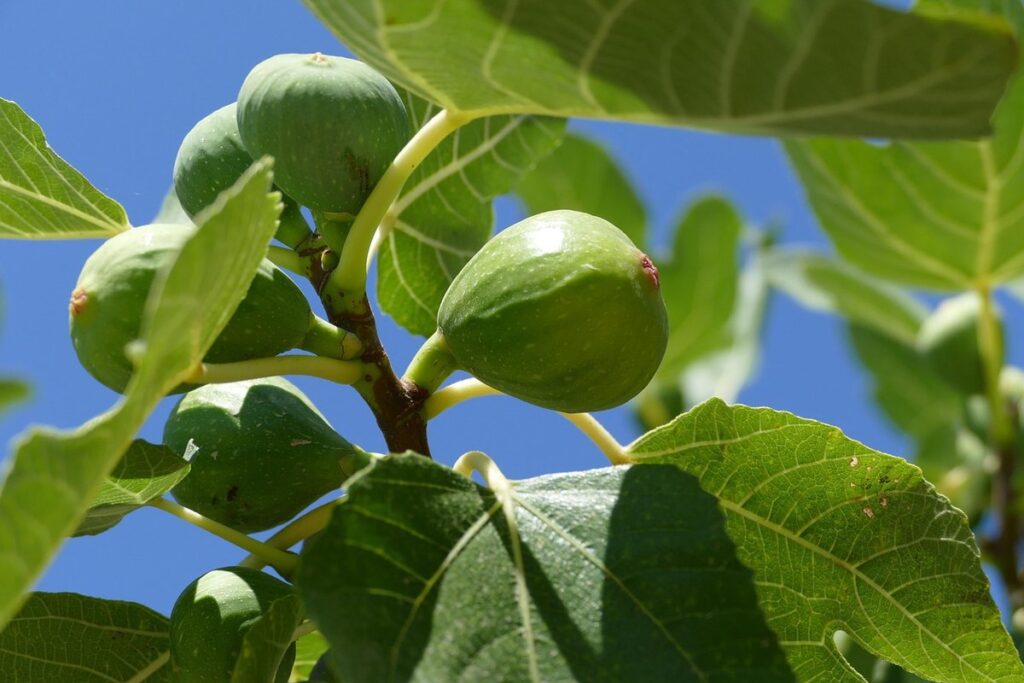
Choosing the Right Fertilizer Type
When it comes to feeding your fig tree, you’ll want to choose a fertilizer that matches its specific needs at different stages of growth. In this next step, we’ll break down the types of fertilizers best suited for fig trees.
Understanding NPK Ratios and Their Importance
When it comes to choosing the right fertilizer for your fig tree, understanding NPK ratios is crucial. NPK stands for nitrogen (N), phosphorus (P), and potassium (K), which are essential macronutrients that promote healthy growth and development in plants.
To choose a fertilizer with the right NPK ratio for your fig tree, you need to consider its specific needs at different stages of growth. For example, young trees require more nitrogen to develop their root system and leaf structure. A balanced fertilizer with an NPK ratio of 10-10-10 (nitrogen-phosphorus-potassium) would be suitable during this stage.
As your fig tree matures, you can switch to a fertilizer with a higher phosphorus content (around 15-30% P2O5) to promote fruit production. Some popular fig tree fertilizers have NPK ratios of 20-10-20 or 15-30-15, which provide an optimal balance of nutrients for healthy growth and fruiting.
When selecting a fertilizer, also look at the guaranteed analysis (GA), which indicates the percentage of actual NPK content in the product. For example, a fertilizer with GA 5-3-4 means it contains 5% nitrogen, 3% phosphorus, and 4% potassium. Be sure to follow the manufacturer’s instructions for application rates to avoid over-fertilizing, which can harm your tree.
Organic vs. Synthetic Fertilizers
When it comes to choosing a fertilizer for your fig tree, one of the most significant decisions you’ll make is whether to opt for organic or synthetic fertilizers. Both types have their own set of pros and cons, which are crucial to consider if you want to maintain a healthy and thriving tree.
Organic fertilizers, derived from natural sources such as compost, manure, or bone meal, promote soil biota and long-term fertility without harming the environment. They’re particularly beneficial for fig trees because they release nutrients slowly, reducing the risk of over-fertilization. However, organic options can be more expensive than synthetic alternatives and may require frequent reapplication.
Synthetic fertilizers, on the other hand, provide an instant boost of essential nutrients but can have devastating effects on soil health and environmental balance if misused. They contain concentrated chemical compounds that may burn tree roots or cause water pollution if not disposed of properly.
To make an informed decision, consider your fig tree’s specific needs, climate, and soil type. If you want to promote sustainable gardening practices and minimize your carbon footprint, organic fertilizers are the way to go. But if you’re looking for a quick fix to address immediate nutrient deficiencies, synthetic options might be more suitable – just be sure to follow application guidelines carefully and monitor your tree’s response closely.
Soil Testing and Analysis
To determine the best fertilizer for your fig tree, you’ll first need to understand what’s going on beneath its roots. Let’s dive into soil testing and analysis to get a better understanding of your tree’s needs.
Understanding Your Fig Tree’s Nutrient Needs
When it comes to providing the best fertilizer for fig trees, understanding their nutrient needs is crucial. Soil testing is an essential step in determining specific deficiencies and tailoring a fertilizer plan that addresses these issues.
Fig trees require a balanced diet of nutrients to thrive, but different varieties may have unique requirements. A soil test will reveal if your tree lacks essential macronutrients like nitrogen (N), phosphorus (P), or potassium (K), as well as micronutrients such as iron, zinc, and magnesium. For example, if the test reveals low levels of iron, you’ll know to focus on a fertilizer that includes this nutrient.
A soil test will also help identify potential issues such as pH imbalances, which can affect nutrient availability. A pH level outside the optimal range for fig trees (around 6.0-7.0) can lead to deficiencies and even plant death. By understanding your tree’s specific needs through a soil test, you’ll be able to choose the right fertilizer and avoid over-fertilizing or under-fertilizing.
Incorporating organic matter into the soil can also improve nutrient availability, making it easier for trees to access these essential nutrients. A combination of fertilizer, organic matter, and proper irrigation practices will help your fig tree receive all the necessary nutrients for optimal growth.
Interpreting Test Results: What You Need to Know
When you receive your soil test results, it’s essential to understand what they mean for your fig tree’s needs. First and foremost, let’s talk about pH levels. The ideal pH range for most fig trees is between 6.0 and 7.0, although some varieties may tolerate slightly acidic or alkaline conditions. If your test reveals a pH level outside this range, you’ll need to take corrective action. You can either add lime to raise the pH or sulfur to lower it.
Look closely at the nutrient availability section of your report. Fig trees require a balanced diet of essential nutrients like nitrogen (N), phosphorus (P), and potassium (K). If any of these macronutrients are lacking, you may need to supplement with fertilizers specifically formulated for fig trees. For example, if the test shows low nitrogen levels, consider applying an ammonium sulfate-based fertilizer.
Don’t overlook potential issues like salinity or nutrient imbalances, which can also be highlighted in your report. If you notice any anomalies, consult with a gardening expert or your local nursery for guidance on how to address these problems. With this understanding, you’ll be better equipped to make informed decisions about fertilizing your fig tree and giving it the best possible chance to thrive.
Organic Fertilizers for Fig Trees
If you’re looking for a natural and sustainable way to feed your fig tree, consider using organic fertilizers that promote healthy growth without harming the environment. Let’s explore some effective options together.
Compost Tea and Its Benefits
Compost tea is a liquid solution made by steeping compost in water, providing a rich source of beneficial microbes that can enhance soil fertility and promote healthy plant growth. For fig trees, compost tea offers several benefits. It can improve nutrient uptake, increase resistance to diseases, and support the development of beneficial microbial communities in the soil.
One key advantage of using compost tea on fig trees is its ability to deliver a concentrated dose of nutrients directly to the roots. By adding compost tea to the soil or foliar spraying it onto the leaves, you’re providing your tree with a boost of essential micronutrients and macronutrients that promote healthy growth and fruit production.
To make compost tea at home, start by brewing 1-2 cups of compost in 5 gallons of water for 24 hours. You can use a variety of materials like veggie scraps, coffee grounds, or even manure to create your compost. Once the brew is complete, strain it and use it as a fertilizer. Begin with small doses (about 10% of recommended amount) and gradually increase as needed, monitoring your tree’s response.
For example, one study found that fig trees grown in soil treated with compost tea showed significant improvements in leaf chlorophyll content and fruit yield compared to untreated controls.
Manure-Based Fertilizers: Pros and Cons
Manure-based fertilizers have been used for centuries to promote healthy growth in fig trees. These organic fertilizers are made from animal waste and can provide essential nutrients like nitrogen, phosphorus, and potassium to your plants. However, it’s essential to consider the potential drawbacks before incorporating them into your fig tree care routine.
One significant con of using manure-based fertilizers is the risk of contamination. If not properly treated or aged, these fertilizers can contain pathogens that can harm your plants. For instance, a study found that fresh manure from cattle contained high levels of E. coli, which can cause diseases in fig trees.
Another consideration is the quality and type of manure used. Chicken or cow manure are good options for fig trees, but others like horse or rabbit manure may not provide the same benefits. It’s also crucial to balance the nutrient content with other fertilizers to avoid over-fertilization, which can lead to root burn and other problems.
When using manure-based fertilizers, it’s recommended to start with a small amount and gradually increase as needed. This approach helps prevent over-fertilization and allows you to monitor your plant’s response to the nutrient-rich soil amendment.
Synthetic Fertilizers for Fig Trees
If you’re looking to give your fig tree a boost, synthetic fertilizers can be an effective option – but not all are created equal. Let’s explore some popular choices and their benefits for your fig tree.
Balanced vs. Unbalanced Fertilizers
When it comes to fertilizing your fig tree, you’ll often come across two types of options: balanced and unbalanced fertilizers. So, what’s the difference between these two, and which one is better suited for your fig tree?
Balanced fertilizers, such as 10-10-10 NPK (nitrogen-phosphorus-potassium), provide equal amounts of nitrogen, phosphorus, and potassium. This balanced ratio is great for most plants, but fig trees have different needs. They require more nitrogen to produce a high yield of fruit, making unbalanced fertilizers a better choice.
Unbalanced fertilizers, such as 20-5-10 NPK or 30-0-10 NPK, provide a higher concentration of nitrogen and lower amounts of phosphorus and potassium. This is ideal for fig trees, which benefit from the extra nitrogen to promote healthy growth and fruit production. For example, using a 20-5-10 fertilizer will give your fig tree the boost it needs to produce an abundance of fruit.
When choosing between balanced and unbalanced fertilizers for your fig tree, consider its specific needs and the climate you’re in. A general rule of thumb is to use an unbalanced fertilizer with a higher nitrogen content during the growing season (spring-fall) and switch to a balanced fertilizer during the dormant season (winter).
N-P-K-Ratio-Specific Options
When it comes to synthetic fertilizers for fig trees, understanding the NPK ratio is crucial. The NPK ratio represents the percentage of nitrogen (N), phosphorus (P), and potassium (K) in a fertilizer. For fig trees, a balanced fertilizer with an NPK ratio of 10-10-10 or 20-20-20 is ideal. These ratios provide equal amounts of nitrogen, phosphorus, and potassium for healthy growth.
However, if your fig tree requires more nitrogen, you can opt for a fertilizer with an NPK ratio of 15-5-10 or 12-4-8. These fertilizers have higher nitrogen content to promote fruit production and foliage development.
Some popular synthetic fertilizer options include Miracle-Gro Shake ‘n Feed All Purpose Plant Food (24-8-16 NPK) and Scotts Osmocote 14-14-14 Professional Plant Food. When choosing a fertilizer, make sure to follow the instructions carefully and avoid over-fertilizing your fig tree, as this can damage its roots and affect fruit production.
Natural Fertilizer Options for Fig Trees
If you’re looking to create a more sustainable and environmentally friendly way to feed your fig tree, natural fertilizers are an excellent option. We’ll explore some effective alternatives in this section.
Alfalfa Meal and Its Benefits
Alfalfa meal is an excellent natural fertilizer option for fig trees that offer numerous benefits. This nutrient-rich byproduct of alfalfa hay production is a slow-release fertilizer that provides a steady supply of essential nutrients to the tree’s roots, promoting healthy growth and development.
The primary advantage of using alfalfa meal as a fertilizer is its high concentration of nitrogen, phosphorus, and potassium (NPK) – 3-2-2 NPK ratio. This nutrient profile makes it an ideal choice for fig trees, which require a balanced diet to produce fruit efficiently. Alfalfa meal also contains micronutrients like calcium, magnesium, and sulfur that are crucial for maintaining tree health.
Compared to synthetic fertilizers, alfalfa meal is gentler on the soil ecosystem and can even improve its structure over time. It’s also free of harsh chemicals and additives, making it a safer choice for gardeners who prioritize their family’s and pets’ well-being. To use alfalfa meal effectively, mix 5-10 pounds per 100 square feet around your fig tree’s drip line and water well to stimulate nutrient uptake.
Wood Ash and Its Potential Use
Wood ash has been touted as a natural and free fertilizer option for gardeners. However, its potential use as a fertilizer for fig trees requires careful consideration.
While wood ash can be rich in potassium and calcium, essential nutrients for fig tree growth, it also contains high levels of sodium which can harm plants if not balanced properly. Excessive sodium can lead to nutrient imbalances, reduced water uptake, and even plant death.
If you still want to use wood ash as a fertilizer, make sure to mix it with other fertilizers or organic matter to dilute the sodium content. A general rule of thumb is to add 1 part wood ash to 10 parts compost or well-rotted manure.
Before applying wood ash to your fig tree’s soil, consider the following: have you tested your soil pH and nutrient levels? Wood ash can raise soil pH significantly, which may be detrimental if your fig tree prefers a more acidic environment. Monitor your tree’s response closely after application, as some fig varieties are more susceptible to sodium toxicity than others.
Always use wood ash from untreated hardwoods like oak or maple – softwoods like pine can contain higher levels of resin and terpenes that may harm plants.
Special Considerations for Young or Maturing Fig Trees
When growing a young or maturing fig tree, it’s essential to consider their unique needs and provide tailored care to ensure optimal health and productivity. This includes selecting a fertilizer that caters specifically to these stages of growth.
Nutrient Requirements at Different Stages
When it comes to fertilizing fig trees, understanding their nutrient requirements at different stages is crucial for optimal growth and productivity. Young fig trees have distinct needs compared to mature ones, and it’s essential to provide the right balance of nutrients during periods of rapid growth.
During the first year after planting, young fig trees require a high concentration of nitrogen (N) to support leaf growth and development. A balanced fertilizer with a higher N content (e.g., 10-5-10 N-P-K ratio) is ideal for this stage. As they mature, the tree’s nutrient needs shift towards more potassium (K) to promote root development and overall health.
During periods of dormancy, typically during winter months, fig trees require less nitrogen but still benefit from phosphorus (P) to encourage root growth. It’s also essential to reduce watering during this time to prevent overhydration, which can lead to disease susceptibility.
When fertilizing your fig tree, consider its age and growth stage. Young trees need more nitrogen-rich fertilizers, while mature ones require a balanced or slightly potassium-rich formula. Adjusting fertilizer application according to the tree’s changing needs will help promote healthy growth and prevent nutrient deficiencies.
Fertilizing During the Growing Season
During the growing season, fig trees require regular fertilization to support optimal growth and fruit production. This is because the tree’s energy is focused on producing new leaves, branches, and flowers. However, over-fertilizing can be detrimental to the tree’s health, so it’s essential to strike a balance.
A balanced fertilizer with a ratio of 10-10-10 (nitrogen-phosphorus-potassium) is suitable for fig trees during this period. You should apply a slow-release fertilizer in early spring or late summer, as these seasons coincide with the tree’s growth cycles. For example, in regions with mild winters, you can apply a fertilizer in January to promote new growth.
When fertilizing your fig tree, make sure to follow these guidelines: apply 1-2 cups of fertilizer around the base of the tree, spreading it evenly to avoid burning the roots. Water thoroughly after application to help the nutrients penetrate the soil. Be cautious not to over-fertilize, as this can lead to excessive leaf growth at the expense of fruit production. Keep an eye on your tree’s response and adjust your fertilization schedule accordingly.
Tips for Selecting the Best Fertilizer for Your Fig Tree
When it comes to giving your fig tree the best possible nutrition, selecting the right fertilizer can be a daunting task. Choosing between different types and formulations is crucial for optimal growth and fruit production.
Key Considerations When Making a Choice
When selecting a fertilizer for your fig tree, there are several key considerations to keep in mind. First and foremost, you’ll want to think about the NPK ratio – nitrogen (N), phosphorus (P), and potassium (K) are essential macronutrients that promote healthy growth and fruiting.
For fig trees, look for a balanced fertilizer with an NPK ratio of 10-10-10 or slightly higher in nitrogen. This will provide your tree with the necessary nutrients to grow strong leaves and produce plenty of fruit.
Another crucial decision is whether to opt for organic or synthetic fertilizers. Organic options are generally gentler on the environment, but may not be as effective in providing a quick nutrient boost. Synthetic fertilizers can be more potent, but some contain harsh chemicals that can harm your tree if used excessively.
It’s also essential to consider special needs based on your fig tree’s age and growing conditions. Young trees or those in poor soil may require a starter fertilizer with higher phosphorus levels to promote root development. Mature trees in well-draining soil can thrive with a balanced, slow-release fertilizer that provides nutrients over an extended period.
Common Mistakes to Avoid
When it comes to fertilizing your fig tree, there are several common mistakes to avoid. Over-fertilization is one of the most critical errors you can make. Fig trees prefer a balanced diet, and too much fertilizer can lead to an overgrowth of leaves at the expense of fruit production. This can also cause the roots to burn, leading to a decline in overall tree health.
On the other hand, under-fertilizing your fig tree is equally problematic. Without adequate nutrients, your tree may struggle to produce a bountiful harvest or even survive. To avoid this, it’s essential to choose the right type of fertilizer for your tree. Using a fertilizer that’s too high in nitrogen can promote excessive leaf growth at the expense of fruiting, while one that’s too low in phosphorus can stunt the tree’s ability to produce flowers.
To get it just right, start by choosing an organic or slow-release fertilizer specifically designed for fruit trees like figs. Follow the recommended application rates and guidelines carefully to avoid over-fertilizing your tree.
Frequently Asked Questions
Can I use the same fertilizer on my fig tree throughout its entire life cycle?
Yes, it’s possible to choose a single fertilizer that meets your fig tree’s needs at various growth stages, but you may need to adjust application rates and timing accordingly. This is particularly true if you’re using an organic fertilizer. Make sure to follow the manufacturer’s guidelines for application rates and timing.
How often should I fertilize my young fig tree?
Young fig trees require more frequent fertilization (every 2-3 months) compared to mature trees. However, be cautious not to over-fertilize, as this can cause damage to the tree’s roots. Start with a balanced fertilizer and gradually adjust as your tree grows.
What should I do if my soil test results show low levels of nitrogen?
If your soil test indicates low nitrogen levels, consider using an organic nitrogen-rich fertilizer such as alfalfa meal or blood meal. These products are slow-release and will provide a steady supply of nitrogen to your fig tree without causing an immediate spike in nitrogen levels.
Can I use compost tea as a foliar spray on my mature fig tree?
Yes, compost tea can be used as a foliar spray to provide your mature fig tree with a boost of micronutrients. However, make sure the compost tea is made from a balanced blend of organic matter and has not been over-steeped, which can lead to an imbalance in nutrient availability.
How do I determine if my fertilizer choice is too acidic or alkaline for my fig tree?
To ensure your fertilizer choice won’t harm your fig tree’s pH balance, check the fertilizer’s pH range on the label. Most fig trees prefer a slightly acidic to neutral soil pH (around 6.0-7.0). If you’re concerned about your tree’s pH levels, consider getting a more detailed soil test to guide your fertilization decisions.