
Are you struggling to get your seeds to germinate? Do you want to learn the secret to successfully growing your favorite plants from scratch? Look no further than our comprehensive seed stratification guide. Stratifying seeds is a crucial step in preparing them for optimal germination rates, but it can be a daunting task, especially for beginners. In this article, we’ll walk you through the essential methods and techniques for seed stratification, including choosing the right seeds, creating the perfect conditions, and providing post-stratification care. By following our guide, you’ll be able to increase your chances of successful germination and enjoy a bountiful harvest. We’ll cover everything from simple cold stratification to more advanced techniques, so whether you’re a seasoned gardener or just starting out, this guide is for you.
Understanding Seed Stratification
Now that you’ve learned the importance of seed stratification, it’s time to dive into the specifics: understanding how different types of seeds respond to stratification is crucial for optimal germination.
What is Seed Stratification?
Seed stratification is a critical process that mimics nature’s way of breaking seed dormancy. It’s essential for certain plant species to germinate successfully. The importance of seed stratification lies in its ability to mimic the environmental conditions required by some seeds to break their dormancy. This process involves exposing seeds to specific temperature fluctuations, moisture levels, or light conditions that signal to the seed that it’s time to grow.
For example, seeds like those of the magnolia tree require a period of cold stratification to break their dormancy. This is because these seeds have evolved to germinate in the spring when the weather is cooler and more stable. Without this process, many plants would struggle to germinate or would produce weak seedlings that are vulnerable to disease.
By understanding what seed stratification is and how it works, you can significantly improve your chances of successful seed germination. This knowledge will also help you to determine whether a particular plant species requires any specific stratification treatment before sowing its seeds.
Why Do Some Seeds Require Stratification?
Some seeds require stratification due to their unique dormancy periods. This means they have an internal mechanism that prevents them from germinating immediately after sowing. As a result, these seeds need a period of cold temperature, moisture, and sometimes light exposure to break down the seed coat and initiate growth.
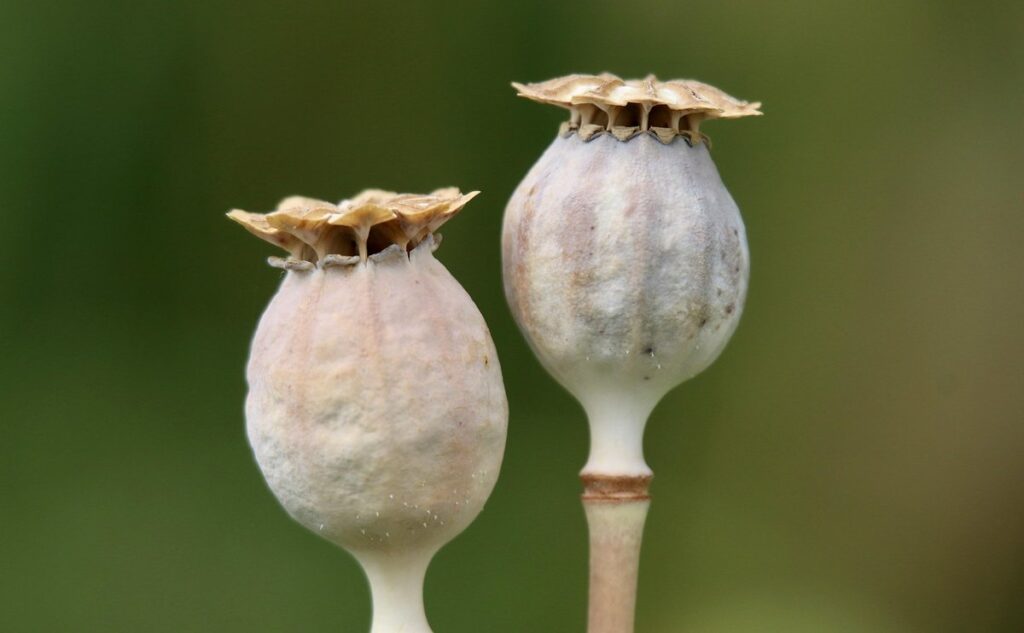
For instance, some species like poppies and larkspur require a prolonged period of cold stratification to overcome dormancy. This can range from 30 days to several months, depending on the specific plant variety. Similarly, seeds that have adapted to grow in areas with harsh winters may need to simulate these conditions through stratification.
In addition to dormancy, some seeds are also sensitive to temperature fluctuations. If the soil is too warm or hot, they might not germinate at all. Stratification helps to mimic the natural temperature changes that occur during winter, allowing the seed to absorb water and start growing when it’s safe to do so.
Lastly, moisture needs also play a crucial role in seed stratification. Some seeds require a controlled level of moisture to activate their growth process. This can be achieved by keeping the soil consistently moist but not waterlogged. By understanding these specific requirements, you can create an ideal environment for your seeds to germinate successfully.
Choosing the Right Seeds for Stratification
When it comes to seed stratification, selecting the right seeds is crucial for successful germination. You’ll want to focus on seeds that are suitable for this process and follow specific guidelines for each species.
Selecting Seeds with Stratification Requirements
When it comes to selecting seeds that require stratification, understanding plant families and common examples of stratified species can make a big difference. Many seeds from certain plant families need to experience cold temperatures to break dormancy, germinate, and grow.
Some examples of plant families that often require stratification include:
* Trees: many tree species, such as oaks (Quercus spp.) and maples (Acer spp.), have seeds that benefit from a period of cold stratification.
* Bulbous plants: these plants, like tulips (Tulipa spp.) and daffodils (Narcissus spp.), produce underground storage organs that require a winter chill to initiate growth.
* Herbaceous perennials: some species, such as delphiniums (Delphinium spp.) and hollyhocks (Alcea rosea), also benefit from stratification.
Knowing which seeds need stratification can be crucial for successful germination. For instance, if you’re planting a tree or bulbous plant in a region with mild winters, it’s essential to mimic the cold temperatures they would experience in their natural habitat through artificial means.
Common Misconceptions About Seed Stratification
When it comes to seed stratification, there are several common misconceptions that can make the process seem more daunting than it needs to be. One of the most prevalent myths is that all seeds require stratification to germinate. This simply isn’t true – only certain types of seeds benefit from this treatment.
Some people assume that stratification is a complex and time-consuming process, but in reality, it’s quite straightforward. All you need is a suitable container, some moistened peat moss or another seed starting mix, and the right conditions for your specific seed type. It’s not rocket science! For example, some seeds like those of tomatoes and peppers don’t even require stratification at all – they can go straight from the packet to the soil.
By understanding what types of seeds need stratification and how to provide them with the right conditions, you’ll be well on your way to successful germination. Don’t let misconceptions hold you back from trying this simple technique. Give it a go and see for yourself just how easy seed stratification can be!
Preparing Seeds for Stratification
Now that you have gathered and prepared your seeds, it’s time to learn how to prepare them specifically for stratification. This includes selecting the right tools and following specific techniques to get the best results.
Cleaning and Storing Seeds
Before you can stratify your seeds, it’s essential to prepare them properly. This involves cleaning and storing the seeds to maintain their viability and prevent contamination. Cleaning your seeds removes any debris, dirt, or impurities that may be attached to them.
To clean your seeds, gently rub them between two pieces of fine-grit sandpaper or a soft-bristled brush to remove any surface debris. For smaller seeds like lettuce or herbs, you can use a small paintbrush to gently sweep away any loose particles. This process should be done carefully to avoid damaging the seed coat.
Proper storage conditions are crucial for maintaining seed viability. Store cleaned seeds in a cool, dry place with low humidity. Airtight containers such as glass jars, plastic containers, or seed envelopes are ideal for storing seeds. Keep them away from direct sunlight and moisture-rich areas like basements or attics. For longer-term storage, consider refrigerating your seeds at 40°F (4°C) or below to slow down aging processes.
Make sure to label each container with the seed type and date stored to keep track of your collection. By following these steps, you’ll be able to prepare your seeds for stratification and ensure optimal germination rates when the time comes.
Seed Selection: Freshness Matters
When it comes to seed stratification, one crucial aspect that often gets overlooked is the freshness of the seeds. While many gardeners assume that all seeds are created equal, the truth is that age can have a significant impact on germination rates.
Older seeds, which may be several years past their prime, can struggle to germinate due to a decrease in viability and vitality. This is because seeds contain a finite amount of energy reserves, which gradually deplete over time. As seeds age, their ability to absorb water and initiate germination also decreases. In fact, studies have shown that seed germination rates can drop by up to 50% within just two years.
To maximize your chances of successful stratification, it’s essential to use fresh seeds. Look for packets with a “sow by” or “sell by” date to ensure you’re starting with the freshest possible material. If you’re unable to find this information, opt for seeds from reputable suppliers who source their stock regularly. Remember, using old seeds can lead to disappointment and wasted time – so prioritize freshness for the best results.
Methods for Artificial Stratification
Now that we’ve explored natural stratification methods, let’s dive into artificial techniques to simulate these conditions and kickstart germination. We’ll discuss various methods to create a controlled environment.
Refrigeration Method: A Simple Approach
The refrigeration method is one of the most straightforward approaches to artificial seed stratification. This process involves storing seeds in a refrigerator at a controlled temperature and humidity level. The ideal temperature range for this method varies depending on the type of seed, but generally falls between 32°F (0°C) and 45°F (7°C).
When using the refrigeration method, it’s essential to monitor the temperature closely to ensure that it remains within the desired range. You can use a thermometer to check the temperature regularly. Most household refrigerators maintain a consistent temperature around 40°F (4°C), which is suitable for many seed types.
To achieve optimal results with this method, store seeds in a sealed plastic bag or an airtight container filled with moist peat moss or another growth medium. Keep the bag or container away from direct heat sources and ensure good air circulation within the refrigerator to prevent moisture buildup. By following these guidelines, you can successfully stratify your seeds using the refrigeration method and increase their chances of germinating successfully.
Cold Frame or Greenhouse Method: For Larger Seeds
If you have larger seeds that require stratification, such as those from hydrangea, barberry, or rhododendron, a cold frame or greenhouse method can be an effective approach. This method allows for a more controlled environment and increased flexibility compared to indoor containers.
To set up a cold frame, start by selecting a location with full sun to partial shade, depending on the specific seed requirements. The area should also have good air circulation to prevent fungal diseases. Ensure that the soil temperature is between 35°F and 45°F (2°C to 7°C), which can be achieved using mulch or black plastic sheets.
Inside the cold frame, create a layer of moistened peat moss or sawdust to maintain humidity and regulate temperature fluctuations. Plant the seeds about 1-2 inches deep, depending on their size, and water gently but thoroughly. Keep the cold frame lid open during warm periods to allow for ventilation and prevent overheating.
It’s essential to monitor the temperature and moisture levels regularly to ensure optimal conditions for stratification. With proper care, you can increase the chances of successful germination and healthy seedling growth using this method.
Natural Stratification Methods
Now that we’ve covered artificial stratification methods, let’s explore natural stratification techniques to give your seeds a gentle and organic start. We’ll discuss how to use winter chill, cold frames, and other methods to mimic nature’s cycle.
Outdoor Seed Sowing: Taking Advantage of Nature
When it comes to natural stratification methods, one of the most straightforward and accessible approaches is sowing seeds outdoors during autumn. This technique takes advantage of nature’s cycles, allowing seeds to break dormancy as winter approaches. To make the most of this method, choose a location with well-draining soil and full sun to partial shade.
Timing is also crucial when sowing seeds outdoors in autumn. Aim to plant seeds 8-10 weeks before the first frost date for your area. This allows the seeds to germinate and establish themselves before winter sets in. Make sure to check the specific seed requirements, as some may need a longer or shorter period of cold stratification.
Some popular options for outdoor sowing include spring-blooming bulbs like tulips and daffodils, as well as perennials like coneflowers and black-eyed Susans. Be mindful of the space required for each species, ensuring you leave enough room for mature growth. By following these guidelines, you can take advantage of nature’s cycles to give your seeds the best chance at successful germination.
Using a Cold Frame or Unheated Greenhouse
Using a cold frame or unheated greenhouse is an excellent way to provide seeds with the right conditions for natural stratification. These structures allow you to control temperature fluctuations and exposure to light, mimicking winter’s chill without the need for heating.
A key benefit of using a cold frame or unheated greenhouse is that they are relatively low-maintenance and inexpensive compared to heated environments. For instance, a simple cold frame can be built using recycled materials like old windows and wooden frames. You can also repurpose an old greenhouse or purchase a used one at a fraction of the cost of a new, heated one.
When selecting seeds for stratification in a cold frame or unheated greenhouse, choose species that typically require winter chill periods, such as fruit trees, berry bushes, or perennials like hostas and coneflowers. Be sure to monitor temperature fluctuations and ensure the structure provides adequate ventilation to prevent moisture buildup and related issues.
Keep in mind that even with a cold frame or unheated greenhouse, you’ll still need to provide seeds with some protection from extreme weather conditions. A layer of mulch or straw can help maintain a stable microclimate inside the structure, promoting healthy stratification and germination success.
Monitoring Seed Stratification Progress
Now that you’ve set up a suitable stratification environment, it’s time to keep an eye on your seeds’ progress and adjust as needed. Monitor their response to temperature, moisture, and darkness closely during this critical period.
Checking on Seeds Regularly
Regular checks on seeds during stratification are essential to ensure they’re responding positively to the process. Start by looking for signs of germination, such as a slight increase in moisture content, softening of seed coats, and visible roots or shoots emerging from the seed.
Some common issues that may arise during stratification include fungal growth, mold formation, or inadequate moisture levels. Keep an eye out for these warning signs, which can be identified by a slimy texture on the surface of the seeds or a strong musty odor emanating from the container.
To monitor your seeds effectively, use a thermometer to maintain optimal temperature ranges. For most species, this means keeping temperatures between 32°F and 40°F (0°C to 4°C). Check on your seeds every 1-2 weeks during the stratification period, making sure they’re still moist but not waterlogged. This regular monitoring will help you catch any potential problems before they compromise germination success.
Troubleshooting Common Issues During Stratification
If you’re experiencing issues during stratification, don’t panic – it’s not uncommon for problems to arise. One of the most common issues is inconsistent moisture levels. This can lead to seeds drying out and failing to germinate. To address this, make sure to check your stratification medium regularly, maintaining a consistent moisture level. You can also use a self-watering tray or a humid microclimate to maintain optimal humidity.
Another issue you might encounter is temperature fluctuations. Seeds often require specific temperature ranges for successful stratification. If your environment is prone to temperature variations, consider using insulation or moving the stratification container to a more stable area.
Some seeds may not respond well to their intended stratification period. This can be due to factors like incorrect seed type or over-ripening of seeds. If you’re unsure about the specific needs of your seeds, research their specific requirements or consult with an expert in the field.
Be prepared for potential mold growth if your environment is too humid. Regularly inspect your stratification medium and container, removing any affected areas to prevent further damage.
After Stratification: Sowing and Caring for Seedlings
Now that your seeds have germinated, it’s time to transfer them to a pot and provide the care they need to grow strong and healthy. Learn how to sow and care for your seedlings successfully.
Sowing Seedlings Outdoors or in Greenhouses
When it’s time to transfer seedlings from their stratification environment to outdoor conditions or a greenhouse, take extra care to ensure a smooth transition. Seedlings grown indoors often require acclimation to outdoor elements like sunlight, temperature fluctuations, and wind.
If transplanting outdoors, choose a spot with full sun to partial shade, depending on the plant’s requirements. Harden off seedlings by gradually exposing them to outdoor conditions over 7-10 days. This can be done by moving them outside during the day and bringing them back inside at night, increasing exposure time each day.
In greenhouses, maintain optimal temperatures (usually between 65°F to 75°F) and humidity levels for healthy growth. Greenhouse seedlings benefit from consistent lighting conditions, so ensure sufficient natural or supplemental light sources. Water thoroughly after transplanting, and keep the soil consistently moist during the first few weeks.
Post-Germination Care: A Guide to Healthy Seedling Development
Now that your seeds have germinated, it’s time to focus on their post-germination care. This is a critical phase where seedlings transition from being delicate sprouts to robust young plants. As they grow, they require essential nutrients to support their development.
Make sure to provide your seedlings with a balanced fertilizer (around 10-20-10 NPK) once or twice a week. You can also consider using compost tea as an alternative for added benefits. Water thoroughly after application, and avoid over-fertilizing, which can lead to weakened roots and other issues.
Pruning is another vital aspect of seedling care. Remove any weak or spindly growths that appear on your seedlings. This helps redirect energy towards healthy stem development and promotes bushy growth. Cut off any brown or dead leaves to prevent the spread of disease.
Regular pest management checks are also crucial. Inspect your seedlings daily for signs of pests like aphids, whiteflies, or spider mites. Use neem oil or insecticidal soap to address infestations promptly, and quarantine affected plants if necessary.
Keep in mind that these care tips can vary depending on the specific species you’re working with. Research the unique needs of your seedlings to ensure you’re providing optimal conditions for growth.
Frequently Asked Questions
What if I don’t have a refrigerator or cold frame for stratification?
You can still use seed stratification methods without specialized equipment. Consider using an insulated container with moist peat moss, or even a plastic bag filled with damp paper towels. These alternatives will provide the necessary temperature fluctuation and humidity for seeds to break dormancy.
How do I handle seeds that require different stratification temperatures?
For seeds requiring specific temperature ranges, you can use separate containers or bags with controlled heating or cooling elements (like a warm water bath or an ice pack). Monitor temperature carefully and adjust as needed. Be sure to research the ideal temperature range for your particular seed type.
Can I stratify seeds directly in their nursery pots?
It’s generally recommended to remove seeds from their original packaging and store them separately before stratification. This ensures even moisture absorption and prevents potential contamination from the potting mix or other materials. Once stratified, you can then plant the seeds directly into nursery pots.
What if I notice mold or fungal growth during the stratification process?
Yes, this is a common issue when using moist methods for seed stratification. To prevent mold and promote healthy germination, ensure that your seeds are not excessively wet. Check on them regularly, and if you notice any signs of fungal growth, gently remove affected areas with clean water or replace the entire mixture.
How long after stratification can I expect to see germination?
The time frame for germination varies depending on the seed type and method used. Generally, it’s best to allow 2-4 weeks for initial germination signs (like root emergence) before expecting seeds to sprout above ground. Keep an eye out for any signs of growth, but avoid overwatering or disturbing the seeds during this sensitive period.