
Starting seeds indoors can be an exciting time for gardeners, but choosing the right mix to use is often met with confusion. What’s the difference between seed starting mix and potting mix? While they may seem similar, these two blends have unique characteristics that are tailored to specific needs. Seed starting mixes are designed to give young seedlings a strong foundation, while potting mixes are meant for established plants in containers. Understanding the ingredients and uses of each can make all the difference in your plant’s success. In this article, we’ll break down the key differences between seed starting mix and potting mix, including their unique characteristics, uses, and ingredients. By the end of it, you’ll know exactly which blend to choose for your plants’ specific needs.
Understanding the Purpose of Seed Starting and Potting Mixes
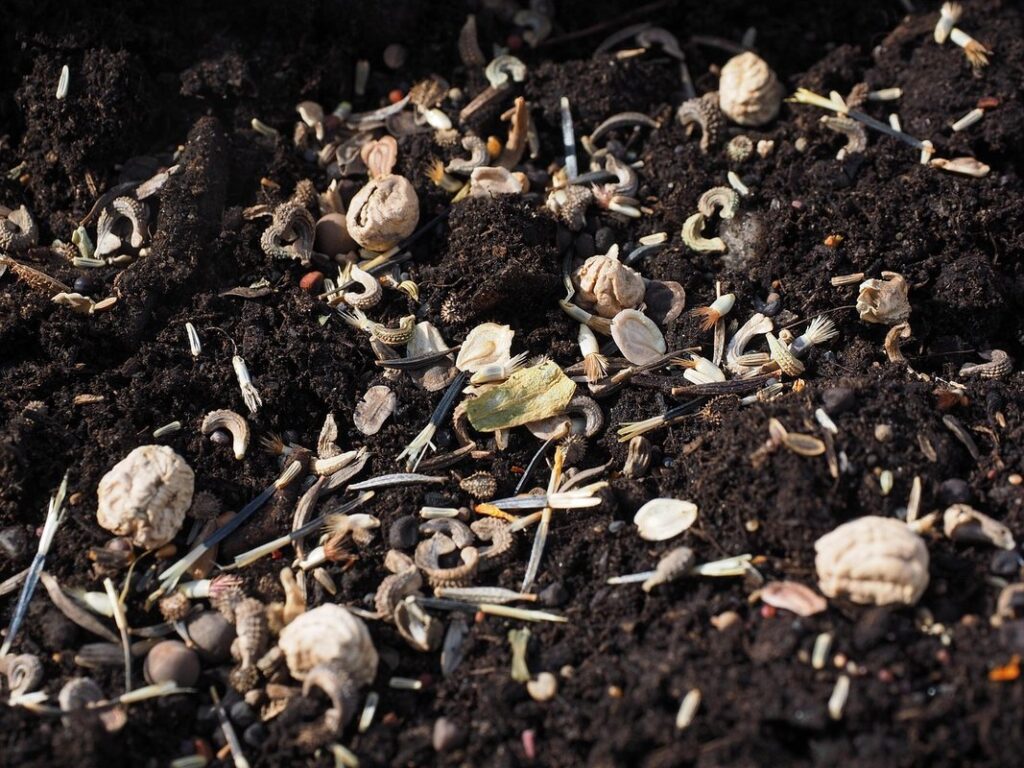
Let’s dive into the importance of seed starting mixes, which are specifically designed to help young seeds get off to a healthy start in life. They’re not the same as potting mix!
What is Seed Starting Mix?
When it comes to giving seeds the best possible start in life, having the right seed starting mix is crucial. This specialized blend is designed specifically for germinating and growing seeds into strong-rooted young plants. One of the key ingredients that sets seed starting mixes apart from potting mixes is a high peat moss content.
Peat moss is an excellent retainer of moisture, which means it helps to keep the soil consistently damp but not waterlogged – perfect conditions for seeds to sprout and grow. But that’s not all – peat moss also provides a sterile environment that inhibits fungal growth and other diseases that can harm young seedlings.
Using a high-quality seed starting mix will give your seeds the optimal conditions they need to thrive. Look for mixes with at least 50% peat moss content, and avoid those with added fertilizers or weed preventers – these can actually hinder seed germination. By choosing a reputable seed starting mix, you’ll be giving your plants the best possible start in life.
Characteristics of Seed Starting Mix
When it comes to seed starting mix, there are several key characteristics that set it apart from potting mix. One of the most important features is its ability to retain moisture without becoming waterlogged. This is crucial for seeds, which can quickly succumb to overwatering and root rot if the soil doesn’t have good drainage. A high-quality seed starting mix will typically contain ingredients like peat moss or coconut coir, which help to absorb and retain moisture while also providing excellent aeration.
Another critical characteristic of seed starting mix is its ability to suppress damping off, a common problem that occurs when seeds are too wet and become susceptible to fungal diseases. By incorporating ingredients like perlite or vermiculite, seed starting mixes can help to prevent the growth of fungi and other pathogens. Finally, good drainage is also essential in seed starting mix. This ensures that excess water doesn’t accumulate around the roots, causing them to rot. Look for a mix with a balance of organic matter and inorganic ingredients, such as peat moss and perlite or vermiculite.
By incorporating these characteristics into your seed starting mix, you can give your seeds the best possible start in life.
Choosing the Right Potting Mix for Your Plants
When it comes to potting mix, not all blends are created equal, and choosing the right one can make a huge difference in your plants’ health and success. Let’s dive into what to look for.
Factors to Consider When Selecting a Potting Mix
When selecting a potting mix, there are several essential factors to consider. The type of plant you’re growing is one critical consideration. Different plants have unique needs when it comes to soil pH and nutrient levels. For example, acid-loving plants like azaleas and blueberries require a mix with a lower pH (around 5-6), while alkaline-tolerant plants like succulents can thrive in a higher-pH mix.
Another key consideration is the desired nutrient level in your potting mix. Do you need a fertilizer-rich mix for heavy feeders or a low-nutrient mix for plants that prefer minimal fertilization? Some potting mixes are specifically designed to provide an instant boost of nutrients, while others allow for more gradual fertilization through added supplements.
Consideration should also be given to water retention and drainage. A good potting mix should retain moisture but not become waterlogged. This balance is crucial for preventing root rot and ensuring healthy plant growth.
Types of Potting Mixes Available
When it comes to selecting the right potting mix for your plants, you’ll find a wide variety of blends available. These mixes cater to specific plant types and growing conditions, ensuring optimal health and growth. Indoor plants, for instance, require mixes that retain moisture but also drain excess water quickly, preventing root rot.
Look for indoor potting mixes specifically formulated with ingredients like coconut coir or peat moss, which help maintain a stable moisture level. These blends often contain added fertilizers to promote healthy growth indoors where light is limited. On the other hand, outdoor plants benefit from mixes that enhance drainage and aeration, making it easier for roots to breathe.
Cacti and succulents require an extremely well-draining mix to prevent waterlogged soil, which can lead to root rot. A good option for these plants is a potting mix specifically designed with perlite or sand as primary ingredients. These blends promote excellent drainage while still retaining some moisture to support the plant’s needs. When selecting a potting mix, consider your plant type and growing conditions to ensure you choose the best blend for optimal results.
Key Differences Between Seed Starting Mix and Potting Mix
When it comes to seed starting and potting, not all mixes are created equal. Understanding the key differences between these two types of blends is crucial for optimal plant growth.
Moisture Retention
When it comes to moisture retention, seed starting mix and potting mix have distinct approaches. Seed starting mix is designed to retain more moisture than potting mix, which helps young seedlings get the consistent watering they need during their sensitive early stages. This is achieved through a higher water-holding capacity, often thanks to the inclusion of ingredients like peat moss or coconut coir.
However, this increased moisture retention can also lead to overwatering if not monitored carefully. Seed starting mix can become waterlogged if it’s too wet for an extended period, causing roots to rot and increasing the risk of fungal diseases. To avoid this, make sure to check the seed starting mix daily, gently sticking your finger into the soil to assess its moisture levels.
In contrast, potting mix has a lower water-holding capacity, making it less prone to overwatering but potentially more susceptible to underwatering. This is particularly important for mature plants that require consistent moisture levels but can’t tolerate excessive watering. When using potting mix, ensure you’re providing the right balance of moisture by checking the soil regularly and adjusting your watering schedule accordingly.
Sterility and Disease Resistance
Sterility and disease resistance are two critical considerations when choosing between seed starting mix and potting mix. Seed starting mix is specifically designed to promote healthy germination and prevent diseases that can affect young seedlings.
One of the primary concerns for seedlings is damping off, a fungal disease that causes seedlings to collapse and die. To combat this, seed starting mixes often contain ingredients like perlite or vermiculite, which improve drainage and reduce moisture retention. This helps to prevent the ideal conditions for fungal growth. Additionally, some seed starting mixes may include additives like beneficial bacteria or mycorrhizal fungi that help to promote a healthy root system.
In contrast, potting mix is designed for established plants and doesn’t need to be as sterile or disease-resistant as seed starting mix. However, it’s still essential to choose a high-quality potting mix that has built-in measures to prevent diseases like root rot and fungal infections. When selecting either type of mix, consider the specific needs of your plants and choose a product that addresses those requirements.
Some popular brands of seed starting mixes include Miracle-Gro Seed Starting Mix and Pro-Mix Seed Starting Mix. These products often contain ingredients like perlite or vermiculite to improve drainage and reduce moisture retention, making them ideal for promoting healthy germination and preventing diseases.
Comparison of Key Ingredients in Seed Starting Mix and Potting Mix
When comparing seed starting mix and potting mix, a key distinction lies in their ingredient composition, which significantly affects plant growth. Let’s take a closer look at what sets these mixes apart.
Peat Moss vs Compost
When it comes to choosing between seed starting mix and potting mix, one of the key ingredients that can make a significant difference is peat moss versus compost. Both are popular choices for soil amendments, but they serve different purposes and have distinct effects on soil structure and nutrient availability.
Peat moss is often used in seed starting mixes due to its high water-holding capacity, which helps retain moisture and reduce transplant shock. However, it can also be acidic, which may not suit all plant species. On the other hand, compost adds beneficial microbes, nutrients, and organic matter to the soil, promoting healthy root development and improving overall fertility.
In potting mixes, compost is often preferred as it provides a more balanced nutrient profile and better long-term fertility compared to peat moss. Compost can also help improve drainage and reduce the risk of waterlogged soils, which can lead to root rot. If you choose to use peat moss in your seed starting mix or potting mix, make sure to balance its acidity by adding lime or other alkaline materials.
Consider mixing 10-20% compost into your seed starting mix or potting mix for added benefits. This blend will provide the right amount of nutrients and organic matter without overpowering the other ingredients.
Perlite, Vermiculite, or Other Additives
When it comes to seed starting mix and potting mix, you may have come across other additives like perlite and vermiculite. These materials are designed to enhance drainage, aeration, and water retention in the soil, but they serve different purposes depending on the growing stage of your plants.
Perlite is a popular additive that helps improve drainage and prevent waterlogging, making it ideal for seed starting mix where seeds require consistent moisture levels. However, it can also lead to nutrient deficiencies if not balanced with organic matter. Vermiculite, on the other hand, retains moisture and releases it slowly, making it suitable for potting mix where plants require sustained watering.
Other additives like peat moss, coconut coir, or sand can also be used in both mixes. When choosing these materials, consider your specific climate and growing conditions. For example, if you live in a dry area, adding more perlite to your seed starting mix may help prevent water loss.
Tips for Using Seed Starting Mix and Potting Mix Effectively
To get the most out of your seed starting mix and potting mix, it’s essential to understand how to use them correctly. Here are some practical tips for effective usage.
Preparing the Soil Before Planting
When preparing to plant with either seed starting mix or potting mix, it’s essential to ensure the soil is properly prepared for optimal growth. Before adding seeds or seedlings, take a few crucial steps to achieve the right soil structure and nutrient levels.
First, if using seed starting mix, gently loosen the top layer of the mix with your fingers or a fork to prevent compacting the soil. This will allow for healthy root development and aeration. Next, if you’re transplanting seedlings from pots into larger containers filled with potting mix, carefully dig around the roots without damaging them. Trim any circling roots to encourage new growth.
To maintain optimal nutrient levels, fertilize sparingly at planting time. A balanced fertilizer (10-10-10) is a good choice for most plants. Avoid over-fertilizing, as this can harm young seedlings. Water thoroughly after fertilization and ensure the soil remains consistently moist during the first few weeks after transplanting.
By following these simple steps, you’ll set your plants up for success from the outset, whether using seed starting mix or potting mix. Properly prepared soil is a vital factor in healthy plant growth, so don’t neglect this essential step in your gardening routine.
Post-Plant Care: Watering, Fertilization, and Pruning
When you’ve successfully transplanted your seedlings into their final pots or garden beds, it’s essential to continue providing them with optimal care. Proper watering, fertilization, and pruning practices will ensure a healthy transition from seed starting mix or potting mix to the soil.
Watering is one of the most critical post-plant care tasks. Overwatering can lead to root rot and other issues, while underwatering may cause stress and hinder growth. Check the moisture level by sticking your finger into the soil up to the first knuckle. If it feels dry, water thoroughly until excess liquid drains out of the pot’s drainage holes.
Fertilization is also crucial during this stage. Avoid using high-nitrogen fertilizers that can promote excessive vegetative growth at the expense of flowering or fruiting. Instead, opt for balanced or low-nitrogen formulas specifically designed for your plant type. For example, indoor seedlings grown in potting mix may benefit from a balanced fertilizer (e.g., 10-10-10 NPK), while outdoor seedlings might require a slow-release fertilizer with lower nitrogen content.
Pruning is another vital aspect of post-plant care. Remove any weak or spindly growth, and cut back leggy stems to encourage bushy development and prevent damage from strong winds. Regular pruning will also promote healthy fruiting and flowering in plants like tomatoes, peppers, and herbs. For example, prune tomato seedlings when they reach 6-8 inches tall to encourage a stronger stem and more robust plant.
Conclusion: Making an Informed Decision Between Seed Starting Mix and Potting Mix
Now that you’ve weighed the pros and cons of each mix, it’s time to put everything into perspective and make a decision that suits your specific needs. We’ll help you tie up loose ends and confidently choose between seed starting mix and potting mix.
Recap of Key Points
When deciding between seed starting mix and potting mix, it’s essential to remember their distinct characteristics and uses. Seed starting mix is specifically designed for germinating seeds and young seedlings, providing optimal conditions for growth and development. It typically has a higher peat moss content, which retains moisture and suppresses fungal diseases.
On the other hand, potting mix is formulated for established plants that require better drainage and aeration. It often contains a blend of perlite or vermiculite to improve soil structure and prevent waterlogging. While it’s possible to use seed starting mix as a substitute for potting mix, this can lead to root rot and other issues due to its high peat moss content.
To make an informed decision, consider the stage of your plants’ development. If you’re just starting seeds or have young seedlings, use a seed starting mix. For established plants that require better drainage, switch to a potting mix. By understanding these differences and using the right blend for each plant’s needs, you’ll be well on your way to creating healthy and thriving gardens.
Final Thoughts on Choosing the Right Blend for Your Plants
When choosing between seed starting mix and potting mix, it’s essential to consider the unique needs of your plants. Not all plants require the same level of nutrients or pH balance, so selecting a blend that suits their specific requirements is crucial.
For example, seedlings have delicate roots and need a well-draining mix to prevent waterlogged soil and root rot. On the other hand, mature plants may benefit from a more nutrient-rich mix to support their growth and fruiting. To determine which blend is best for your plants, assess their specific needs based on factors like plant type, soil pH, and desired nutrient levels.
Consider the following: if you’re starting seeds indoors, opt for a seed starting mix with high water-holding capacity. If you’re transplanting mature plants outdoors, choose a potting mix that provides optimal drainage and fertility. By tailoring your selection to your plants’ needs, you’ll set them up for success and ensure they receive the right nutrients to thrive.
Frequently Asked Questions
Can I use potting mix for seed starting, or is it necessary to buy a dedicated seed starting mix?
While it’s technically possible to use potting mix for seed starting, it’s not the best choice due to its higher fertilizer content, which can burn young roots. A dedicated seed starting mix will provide your seeds with the right balance of nutrients and moisture retention.
How often should I water my seedlings in a seed starting mix versus a potting mix?
Watering frequency depends on the specific needs of your plants, but as a general rule, seed starting mixes require more frequent watering due to their high peat moss content. Potting mixes tend to dry out slower and can be watered less frequently.
What’s the ideal ratio of ingredients in a seed starting mix for optimal results?
While there’s no one-size-fits-all answer, look for seed starting mixes with a balance of 50-70% peat moss, 20-30% perlite or vermiculite, and minimal fertilizer content. This blend provides excellent moisture retention without over-fertilizing young roots.
Can I mix my own seed starting mix using individual ingredients from a potting mix?
Yes, but be careful not to create an unbalanced blend that may harm your seeds. Start with a basic recipe (e.g., 50% peat moss + 30% perlite) and adjust according to the specific needs of your plants.
How long can I store seed starting mix and potting mix once they’ve been opened?
Both mixes should be used within 6-12 months after opening, depending on storage conditions. Keep them in a dry, well-ventilated area away from direct sunlight and heat sources to maintain their quality and prevent mold growth.