
Starting seeds indoors can be a daunting task, especially if you’re new to gardening. But don’t worry, with a little practice and the right guidance, you’ll be growing your own seedlings like a pro in no time! Whether you’re trying to beat the last frost or simply get a head start on the growing season, seed starting is an essential skill for any beginner gardener to learn.
In this comprehensive guide, we’ll take you through every step of the process, from choosing the right equipment and selecting the perfect seeds, to transplanting your seedlings successfully. We’ll cover all the basics, including how to prepare a good growing medium, provide adequate light and water, and prevent common mistakes that can derail even the most enthusiastic gardener. By the end of this article, you’ll have the confidence and know-how to start growing your own seeds indoors with ease.
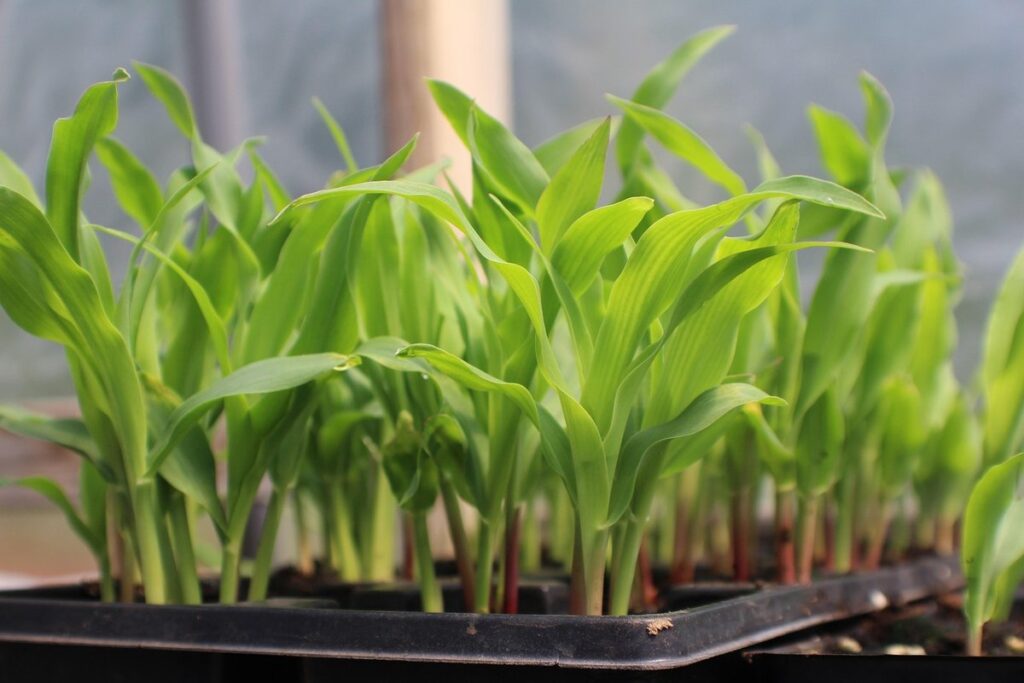
Understanding the Basics of Seed Starting
To get started, you need a solid understanding of seed starting basics, including the right materials and essential techniques for successful germination. Let’s break these down together.
What is Seed Starting?
Seed starting is the process of cultivating seeds indoors before transplanting them outdoors. This technique is essential for gardeners as it allows them to get a head start on the growing season, giving plants a crucial boost before they’re exposed to harsh outdoor conditions.
By seed starting, you can accelerate germination rates and give your seedlings a stronger foundation for growth. This increases their chances of survival when transplanted into the garden. Moreover, seed starting enables you to control factors like temperature, light, and moisture levels, creating an ideal environment for young plants to thrive.
Incorporating seed starting into your gardening routine also allows you to extend the growing season by weeks or even months, depending on your location. You can start seeds indoors 4-6 weeks before the last frost date in your area, giving them a chance to develop before being transferred outside.
For beginners, seed starting may seem daunting, but with basic equipment and attention to detail, it’s an accessible technique to master. With practice, you’ll be able to successfully cultivate a wide variety of plants, from herbs and vegetables to flowers and trees.
Types of Seeds Suitable for Starting Indoors
When it comes to seed starting indoors, some types of seeds are better suited for this method than others. If you’re planning to start seeds indoors, look for varieties that require a head start on the growing season. These are often referred to as “long-season” or “cool-season” crops.
Some examples of seeds that fall into this category include broccoli, cauliflower, and kale. These plants take around 8-10 weeks to mature from sowing, so starting them indoors allows you to get a head start on the growing season. They require cooler temperatures (around 60-70°F) and high humidity to germinate.
Other examples of seeds that thrive in indoor conditions include lettuce, spinach, and herbs like basil and mint. These plants are ready to transplant within 4-6 weeks and prefer warmer temperatures (around 70-80°F). Consider using grow lights or a sunny windowsill to provide the necessary light for these seedlings. When selecting seeds for indoor starting, always check the seed packet for specific requirements and growth periods to ensure success.
Choosing the Right Equipment and Materials
To successfully start seeds, you’ll need a few essential tools and materials. Let’s take a look at what you should have on hand to get started in your seed starting journey.
Essential Tools for Seed Starting
As you begin your seed starting journey, it’s essential to have the right tools and equipment to ensure successful germination and growth. Let’s start with the basics: seed trays, soil, and grow lights.
Seed trays come in various shapes, sizes, and materials – plastic, cell packs, or even recycled containers. For beginners, a good quality seed tray that allows for proper drainage is a must-have. Look for one with cells or individual compartments to prevent overcrowding and make it easier to handle seedlings.
Soil specifically designed for seed starting is another crucial component. Avoid using regular potting soil as it can compact and prevent water from reaching the seeds. Opt for a sterile, well-draining mix that’s pH-balanced (around 6-7) to promote healthy germination.
Grow lights are also a necessary investment for most indoor seed starting setups. LED grow lights are energy-efficient and produce minimal heat, making them an excellent choice for beginners. Place them about 12 inches above the seed trays to provide adequate light without burning your seeds.
Tips for Preparing Soil Mixes and Mediums
When it comes to seed starting, using a suitable soil mix or medium is crucial for the health and success of your young plants. A good soil mix can provide the necessary nutrients, drainage, and aeration for healthy root development, while a poor one can lead to weak, spindly growth and increased risk of disease.
To prepare a suitable soil mix, you’ll want to choose between different types of mixes, such as potting soils or peat-based mediums. Potting soils are a blend of ingredients like peat moss, vermiculite, and perlite that provide good drainage and aeration. Peat-based mediums, on the other hand, are made from partially decayed plant matter and retain moisture well.
When selecting a soil mix, consider factors like the type of seeds you’re starting (e.g., delicate orchids require more humidity than robust tomatoes). You can also make your own mix by combining ingredients in the right proportions. A general rule of thumb is to use 1 part peat moss or coconut coir, 1 part perlite or vermiculite, and 1 part compost or worm castings.
It’s also essential to sterilize your soil mix before use to prevent fungal diseases and pests from affecting your seedlings. To do this, heat the mix in a low oven (150-200°F) for 30 minutes to an hour, or bake it in the sun on a baking sheet for several hours.
Creating an Optimal Growing Environment
To grow healthy seedlings, you need a well-planned and carefully controlled environment that provides just the right balance of light, temperature, and moisture. Let’s dive into creating an optimal growing space for your seeds to thrive.
The Importance of Light in Seed Starting
Light plays a crucial role in seed starting, and understanding its importance will help you give your seeds the best chance to thrive. When it comes to light, you have two main options: natural lighting and artificial lighting.
Natural lighting is ideal for seed starting, as it provides a gentle, consistent glow that mimics outdoor conditions. Place your seedlings near an east- or west-facing window, where they’ll receive soft, indirect light. Some plants, like lettuce and herbs, can tolerate bright, direct sunlight, while others, like tomatoes and peppers, prefer partial shade.
If you don’t have access to natural lighting or want to supplement it, artificial lighting is a great option. LED grow lights are energy-efficient and produce minimal heat, making them perfect for seed starting. When choosing a grow light system, consider the type of plants you’re growing and their specific lighting needs. For example, seedlings with small leaves require 12-14 hours of light per day, while those with larger leaves need around 18-20 hours.
To set up an effective grow light system, place the lights about 6-8 inches above your seedlings and adjust their height as they grow. You can also use a timer to ensure your seeds receive consistent lighting throughout the day. With proper lighting, you’ll be well on your way to successful seed starting!
Temperature Control and Humidity Management
Maintaining optimal temperatures and humidity levels is crucial for successful seed starting. Seeds are sensitive to extreme conditions, which can lead to poor germination rates, weak seedlings, or even plant death. To ensure healthy growth, you need to create a controlled environment that mimics the natural conditions of a greenhouse.
Start by investing in a reliable thermometer and hygrometer to monitor temperature and humidity levels. Most seeds prefer daytime temperatures between 70-80°F (21-27°C) and nighttime temperatures around 10-15°F (5-7°C) lower. Keep in mind that different species have unique requirements, so research the specific needs of your seed varieties.
To manage humidity, you can cover your seed starting tray with a clear plastic bag or a cloche to maintain high humidity levels until germination. Once seeds have sprouted, remove the covering to prevent overwatering and promote healthy growth. Regularly check temperature and humidity readings and adjust as necessary to ensure optimal conditions for your seeds.
Sowing Seeds and Transplanting
Now that you’ve got your seeds germinated, it’s time to think about where they’ll go next: directly into the ground or into larger pots for further growth. Let’s talk transplanting!
Step-by-Step Guide to Sowing Seeds
When sowing seeds, it’s essential to handle them gently and with care. This is especially true for smaller seeds that can be easily damaged. To sow seeds correctly, start by preparing the seed tray or potting mix according to the seed package instructions. Moisten the soil with a spray bottle, but make sure not to overwater.
Next, place one or two seeds at the correct depth, depending on the seed type. A good rule of thumb is to plant seeds about 2-3 times deeper than their width. For example, if you’re sowing tomato seeds that are about 1/8 inch wide, plant them 1/4 to 3/8 inch deep.
Allow about 1-2 inches between each seed to prevent overcrowding and ensure proper growth. If you’re sowing multiple rows of seeds, keep the rows at least 6-12 inches apart. Once the seeds are in place, gently firm the soil around them to secure them. Finally, label your seed tray or pot so you can keep track of which varieties are growing.
By following these steps and handling your seeds with care, you’ll be well on your way to successful seed starting.
Transplanting Seedlings: Timing and Techniques
When it’s time to transplant seedlings into larger containers or directly outdoors, timing is crucial. If you’re unsure when to transfer your seedlings, observe their growth and wait for them to have at least two sets of leaves. This typically takes around 1-3 weeks after germination.
Before moving your seedlings outside, it’s essential to harden them off. This process involves gradually exposing them to outdoor conditions over the course of 7-10 days. Start by placing seedlings in a shaded area outdoors for a few hours each day and gradually increase their exposure to direct sunlight and wind.
To minimize shock when transferring your seedlings, water them thoroughly before transplanting and avoid sudden temperature changes. If you’re moving seedlings directly from a greenhouse or indoor setup to an outdoor environment, make sure to acclimate them to the new light conditions first.
Some key things to remember when hardening off include:
• Avoid exposing seedlings to intense sunlight, wind, or extreme temperatures during the initial stages
• Water thoroughly before transplanting to prevent shock and stress
• Monitor your seedlings’ response to their new environment and adjust their care accordingly
Common Challenges and Troubleshooting
As you venture into seed starting, you’ll inevitably encounter some bumps along the way. This section will help you troubleshoot common issues and overcome obstacles to achieve success.
Dealing with Common Issues: Pests, Diseases, and More
Dealing with common issues is an inevitable part of seed starting. Pests are one of the most prevalent problems beginners face. Keep an eye out for tiny eggs on leaves or stems, as these can be a sign of aphid infestation. Regularly inspect your seedlings and catch any infestations early to prevent them from spreading.
Diseases such as fungal growths, root rot, and leaf spot are also common issues. To combat these problems, ensure good air circulation around your seedlings by providing enough space between pots or trays. Avoid overwatering, which can exacerbate disease development. If you do notice any signs of disease, treat the affected area with a fungicide specifically designed for seed starting.
Poor growth can be caused by inadequate light, temperature fluctuations, or insufficient nutrients. Provide seedlings with sufficient light – typically 12-14 hours of direct light per day – and maintain a consistent temperature between 65°F to 75°F (18°C to 24°C). Fertilize regularly using a balanced, water-soluble fertilizer. Keep in mind that overfertilization can be detrimental, so follow the instructions carefully.
Keep a close eye on your seedlings’ health, and take prompt action if you notice any issues arising. With attention to detail and quick problem-solving, you’ll be well-equipped to overcome common challenges and enjoy successful seed starting results.
Overcoming Specific Challenges in Seed Starting
Slow germination rates can be frustrating, especially when you’re eager to get started with your seedlings. One common cause of slow germination is old or low-quality seeds. Make sure to check the expiration date on your seed packets and consider replacing them if they’re past their prime. You can also try soaking your seeds in water for 24 hours before planting, which can help kick-start the germination process.
Uneven growth, where some seedlings are towering above the rest while others remain stunted, can be caused by inconsistent light or temperature conditions. Ensure that all seedlings receive even lighting and maintain a consistent temperature between day and night. Transplant shock is another common issue, where seedlings struggle to adjust to their new soil and environment after being transplanted.
To overcome transplant shock, try to harden off your seedlings gradually before moving them outdoors or into larger containers. This involves gradually exposing them to outdoor conditions over the course of 7-10 days. By doing so, you’ll give your seedlings a better chance at thriving in their new environment.
Advanced Techniques and Tips for Success
Now that you’ve mastered the basics of seed starting, it’s time to take your skills to the next level with advanced techniques that guarantee success. Let’s dive into some expert tips and tricks.
Experimenting with Different Methods and Materials
As you become more confident and experienced with seed starting, you may want to experiment with different methods and materials to optimize your results. One idea is to try using coconut coir or vermiculite as a replacement for traditional potting soil. These materials can provide better drainage, improved water retention, and increased aeration for your seeds.
To experiment safely, start by testing small batches of seeds in the new material, observing how they grow and respond. You may also want to try different temperature regimes or lighting conditions to see if they affect seed germination and growth. Another option is to repurpose household items like egg cartons, yogurt containers, or toilet paper rolls as mini greenhouses for your seeds.
Remember to research the specific requirements of the materials you choose, ensuring they are suitable for plant growth and not detrimental to the environment. Be patient and take notes on the outcomes of each experiment, using this knowledge to refine your techniques and achieve better results in future seed starting endeavors.
Maximizing Seed Starting Success: Lessons Learned from Experienced Gardeners
As you’re just starting out with seed starting, it’s incredibly valuable to learn from those who have mastered this art. We spoke with several experienced gardeners and gathered their top tips for maximizing success.
One common thread among them was the importance of soil quality. Experienced gardener Sarah Thompson emphasized that “the right soil is like a recipe for success – without it, everything falls apart.” She recommends starting with high-quality potting mix specifically designed for seedlings, and then adding in organic matter like compost to create a rich, loamy environment.
Another crucial takeaway was the significance of light. Master gardener Mark Jenkins shared his experience: “I used to think more light was better, but I’ve learned that it’s all about providing gentle, consistent illumination.” He recommends using grow lights or placing seedlings near an east-facing window for optimal results. By following these expert tips and strategies, you’ll be well on your way to achieving success with seed starting.
Conclusion: Mastering Seed Starting as a Beginner
You’ve made it through the entire guide, and now it’s time to summarize what you’ve learned and take your seed starting skills to the next level. Let’s recap the key takeaways from this comprehensive beginner’s guide.
Recap of Key Takeaways
As you conclude this comprehensive guide to seed starting as a beginner, it’s essential to recall the key takeaways that will help you achieve success. Mastering seed starting requires attention to detail, patience, and practice.
Key points to remember include selecting suitable seeds for your climate and growing conditions, preparing the right environment with proper lighting, temperature, and humidity control. You also learned how to create a mini-greenhouse using a propagation tray or a cloche, which helps regulate temperatures and maintain high humidity levels.
Don’t forget about seed starting mediums, such as potting mixes specifically designed for seeds, and the importance of providing adequate water and nutrients during the germination process. Additionally, you should consider hardening off your seedlings before transplanting them outside to prevent shock.
Some final tips include keeping a consistent schedule for watering and fertilizing, monitoring temperature fluctuations, and being prepared to adapt to unexpected situations that may arise during the seed starting journey. By recalling these essential points, you’ll be well on your way to successfully growing healthy seedlings as a beginner.
Encouragement to Continue Learning and Improving
As you’ve progressed through this comprehensive guide on seed starting for beginners, you’re likely eager to put your newfound skills into practice and see the fruits of your labor. However, it’s essential to remember that mastering seed starting is a continuous process. There’s always room for improvement, and refining your techniques will only make you a more confident and successful gardener.
One way to continue learning is by exploring online resources such as gardening forums, YouTube channels, and blogs dedicated to seed starting and propagation. Websites like Seed Savers Exchange and the National Gardening Association offer valuable information on everything from sowing seeds to creating mini-greenhouses. Take advantage of these resources to learn new techniques, ask questions, and gain insights from experienced growers.
As you continue your journey in seed starting, don’t be afraid to experiment and try new approaches. Share your successes and failures with fellow gardeners online or at local gardening clubs – it’s a great way to build connections and stay motivated. By staying curious and committed to learning, you’ll become an expert in no time!
Frequently Asked Questions
Can I use leftover potting soil from last year for seed starting?
Yes, it’s generally safe to reuse potting soil as long as you’ve stored it properly and there are no signs of mold or fungal growth. However, consider refreshing the mix with a new batch every 2-3 years to ensure optimal nutrient levels and prevent potential disease transmission.
How do I handle seedlings that are overcrowded in their cells?
To avoid overcrowding, sow seeds at the correct depth and spacing, usually about 1-2 inches apart. For larger varieties or those prone to transplant shock, use cell packs with individual compartments or consider using a propagation tray with separate cells. Monitor your seedlings’ growth and gently thin them out if necessary.
What’s the ideal temperature for seed starting?
The ideal temperature for seed starting varies depending on the type of plant. Most vegetable seeds prefer daytime temperatures between 65-75°F (18-24°C) and nighttime temperatures around 55-65°F (13-18°C). Some plants, like tomatoes and peppers, may require warmer temperatures up to 85°F (29°C). Research specific temperature requirements for your chosen varieties.
How often should I water seedlings after transplanting?
Water seedlings thoroughly after transplanting, making sure the soil is consistently moist but not waterlogged. Aim for about 1-2 inches of water per week, either from rain or irrigation. Monitor the soil’s moisture by sticking your finger into the soil up to the knuckle – if it feels dry, it’s time to water.
Can I use a humidifier to maintain optimal humidity levels?
Yes, using a humidifier can be an effective way to maintain optimal humidity levels for seed starting. Set the humidistat between 40-60% relative humidity (RH) to mimic outdoor conditions. Be cautious not to over-humidify, which can lead to fungal diseases and root rot. Monitor your plants’ response and adjust the RH accordingly.