
Are you tired of waiting for weeks or even months to see your seeds sprout? Do you want to know exactly when to expect those first tender shoots to appear? A seed germination time chart can be a game-changer for any gardener, whether you’re a seasoned pro or just starting out. But what factors affect the speed at which seeds germinate, and how can you use this knowledge to optimize your plant growth? In this article, we’ll explore the ins and outs of seed germination, highlighting common seeds with their average germination times and providing a visual guide to help you get growing in no time. By understanding these simple yet crucial principles, you’ll be well on your way to becoming a master gardener and enjoying the fruits of your labor sooner rather than later.
Understanding Seed Germination
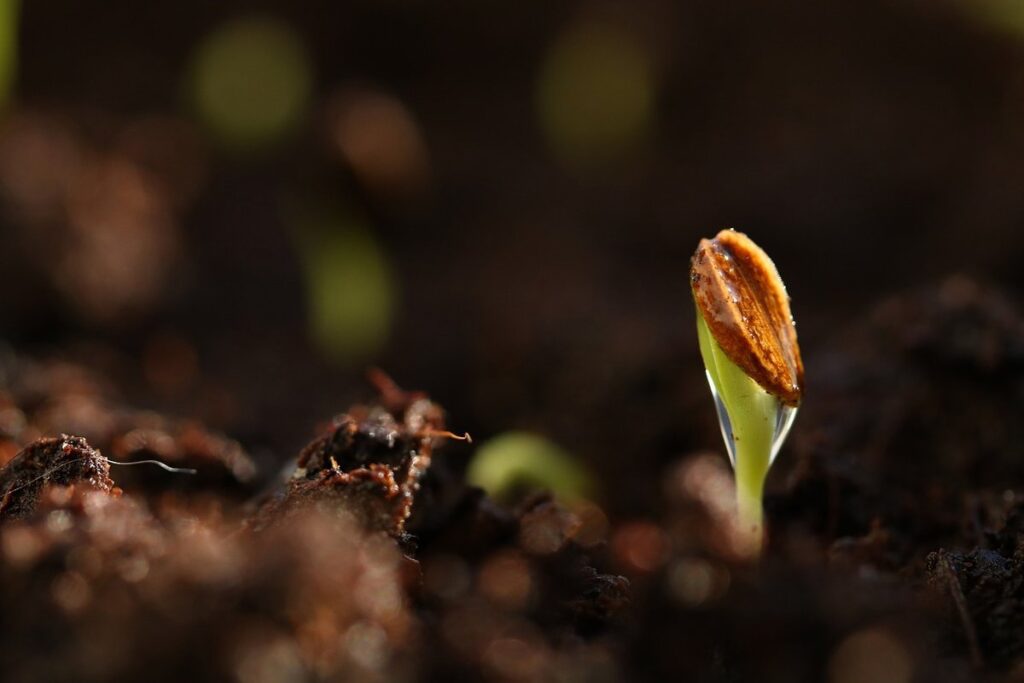
Before diving into the seed germination time chart, let’s take a closer look at what happens during the germination process to better understand its intricacies and importance.
Factors Affecting Seed Germination
Understanding the intricacies of seed germination is crucial to achieving optimal results. As it turns out, several factors contribute to the success of this process. Temperature, for instance, plays a pivotal role in influencing seed germination. Most seeds require a specific temperature range to break dormancy and initiate growth. If the environment is too cold or too hot, germination may be hindered.
Moisture levels are another essential factor to consider. Seeds need consistent moisture to germinate effectively. However, overwatering can lead to rot and prevent germination altogether. Adequate light exposure also impacts seed germination. While some seeds require complete darkness, others thrive in bright light conditions.
Soil quality is often overlooked but is equally critical in the germination process. The type of soil used can either hinder or promote seed growth. For example, seeds planted in well-draining potting mix are more likely to germinate than those in dense clay soils. By understanding these factors and adjusting them accordingly, you’ll be better equipped to create an environment conducive to successful seed germination.
Importance of Seed Germination Charts
Seed germination charts are an essential tool for gardeners, farmers, and researchers to accurately predict and plan for plant growth. By using a seed germination chart, you can determine the optimal sowing time for your seeds based on factors such as temperature, moisture, and daylight hours.
This is crucial because different plants have varying germination rates depending on these environmental conditions. For instance, some seeds may require a cold period to break dormancy, while others need a specific range of temperatures to initiate growth. Without a seed germination chart, you might end up planting at the wrong time, resulting in poor germination or even complete failure.
Seed germination charts also help you plan for crop rotation and succession, ensuring that you’re not planting too early or too late for optimal growth. By accurately predicting germination times, you can make informed decisions about when to sow seeds, reducing waste and increasing yields.
Common Seeds with Their Germination Times
Let’s take a closer look at some common seeds and their corresponding germination times, which can vary significantly from one type to another.
Fast-Growing Seeds (1-5 days)
If you’re looking to grow fast-growing seeds that germinate quickly, you’ll want to start with varieties like basil, mint, and radishes. These plants can sprout within 1-5 days, making them perfect for impatient gardeners or those who need a rapid harvest.
To optimize the growth of these quick-to-germinate seeds, make sure your soil is consistently moist but not waterlogged. Basil and mint prefer well-draining soil with a pH between 6.0 and 7.0. Radishes, on the other hand, thrive in cooler temperatures and can tolerate slightly acidic to neutral soil.
For basil and mint, sow seeds about 1/4 inch deep and 2-3 inches apart. Thin seedlings to 6-8 inches as they grow. For radishes, sow seeds 1/4 inch deep and 1-2 inches apart in a block pattern to prevent thinning. Keep the soil consistently moist during the first week after sowing.
Remember that proper temperature control is crucial for optimal germination rates. Most fast-growing seeds prefer daytime temperatures between 65°F to 75°F (18°C to 24°C) and nighttime temperatures around 55°F to 65°F (13°C to 18°C).
Medium-Growing Seeds (5-14 days)
Medium-growing seeds typically take around 5-14 days to germinate. If you’re looking to grow lettuce, spinach, or green beans, this is the perfect time frame for you. Lettuce and spinach can be direct-sown in late spring or early summer when the soil has warmed up to at least 40°F (4°C). Sow seeds about 1-2 inches apart and 1/8 inch deep. Keep the soil consistently moist during this period, as dry spells can slow down germination.
Green beans, on the other hand, prefer slightly warmer temperatures and can be sown when the soil reaches around 50°F (10°C). Sow seeds 1-2 inches apart and about 1 inch deep. Make sure to provide support for the beans as they grow, using a trellis or stake.
When planting these medium-growing seeds, make sure to check the specific variety’s instructions for optimal germination times. Some varieties may have slightly longer or shorter germination periods. With proper care and attention, you should be able to enjoy your homegrown lettuce, spinach, and green beans in no time!
Factors Influencing Seed Germination Time
When it comes to seed germination time, several factors can affect how quickly seeds sprout. Understanding these influences is crucial for optimal growth and healthy plants.
Temperature and Its Impact
Temperature plays a crucial role in seed germination, and it’s essential to understand its impact on different crops. The optimal temperature for seed germination varies depending on the type of plant. For example, tomatoes prefer temperatures between 70°F (21°C) and 85°F (29°C), while lettuce can thrive at temperatures as low as 40°F (4°C). On the other hand, some crops like corn and beans require warmer temperatures above 60°F (15°C).
Extreme temperatures can have detrimental effects on seed germination. Temperatures below 32°F (0°C) can cause seeds to rot or fail to germinate altogether, while high temperatures above 100°F (38°C) can lead to uneven germination or even plant death. In regions with frost-prone winters, it’s crucial to start seedlings indoors before transplanting them outside when the weather warms up.
To maximize seed germination rates, ensure that your seeds are exposed to optimal temperature conditions. For most crops, this means maintaining a consistent temperature between 65°F (18°C) and 75°F (24°C). If you’re unsure about the ideal temperature for your specific crop, consult with local nurseries or gardening experts in your area for guidance.
Watering and Soil Quality
Proper watering and soil quality are crucial for seed germination. Seeds need consistent moisture to break dormancy and sprout, but overwatering can lead to rot and poor germination rates. Aim to keep the soil consistently moist during the first few weeks after sowing. Check the soil daily by inserting your finger into the soil up to the knuckle; if it feels dry, it’s time to water.
To improve soil fertility, incorporate organic matter like compost or well-rotted manure into the soil before sowing seeds. This will help retain moisture, suppress weeds, and provide essential nutrients for seed growth. A general rule of thumb is to mix 2-3 inches of compost into the top 6-8 inches of soil.
For example, a study on tomato seed germination found that using compost-amended soil significantly increased germination rates compared to unamended soil. Additionally, ensure good drainage by avoiding waterlogged soils and incorporating perlite or vermiculite if necessary. By maintaining optimal watering levels and improving soil fertility, you’ll be well on your way to successful seed germination and healthy plant growth.
Seed Germination Time Chart: A Visual Guide
Let’s dive into the visual guide that will help you quickly identify the seed germination time for over 100 popular plant species, ensuring you get a head start on your gardening journey.
Understanding the Chart
A typical seed germination time chart provides a visual representation of the average days to germination for various plant species. At first glance, it may seem overwhelming due to the vast amount of data presented. However, by understanding the structure and usage of this chart, you’ll be able to quickly identify the germination times for your specific seeds.
To begin with, seed germination time charts typically feature a list of plant species on one axis and their corresponding days to germination on the other. The plants are usually organized alphabetically or grouped by family. You’ll also notice that some charts may include additional information such as optimal sowing temperatures or growth habits.
When interpreting this data, it’s essential to consider the environmental conditions in which your seeds will be planted. For instance, if you’re sowing seeds indoors under artificial light, you may need to adjust the germination times accordingly. Additionally, some charts may indicate a specific temperature range for optimal germination, so make sure to check these details before planting.
By taking the time to understand and utilize this chart effectively, you’ll be able to plan and manage your seedlings more efficiently, leading to healthier and more successful growth.
Using the Chart for Different Crops
When using the seed germination time chart for different crops, it’s essential to consider their unique growth requirements. For instance, tomatoes and peppers have a relatively fast germination period of 7-10 days, whereas beans and peas take around 10-14 days. On the other hand, sunflowers and corn require more time, often taking up to 2 weeks or longer.
To apply this chart effectively, start by identifying the specific crop you’re working with. Refer to the corresponding column on the chart to determine its recommended germination period. For example, if you’re planting a tomato, check the “days to germinate” value, which should be around 7-10 days. Be mindful that these times can vary depending on factors such as soil temperature and moisture.
Consider incorporating this knowledge into your growing schedule by planning ahead for those with longer germination periods. This may involve starting seeds indoors earlier or providing optimal conditions for faster growth once they’ve been transplanted outside. By tailoring the chart’s guidance to specific crops, you’ll be well-equipped to optimize their development and maximize yields.
Tips for Optimizing Seed Germination
To maximize seed germination success, let’s dive into some practical tips that’ll help you fine-tune your approach and achieve optimal results. These expert tricks will boost your chances of a healthy start for your plants.
Providing Optimal Growing Conditions
Creating an ideal environment for seed germination is crucial to ensure optimal growth and development. Temperature control is one of the most critical factors to consider. Most seeds require a consistent temperature between 65-75°F (18-24°C) to germinate, but some can tolerate temperatures as low as 40°F (4°C) or as high as 90°F (32°C). To achieve this optimal temperature range, you can use a heat mat or a warm location such as a sunny windowsill.
Light exposure is another essential factor for seed germination. While some seeds require light to germinate, others may be sensitive to it and require darkness. For example, lettuce seeds need light to germinate, but tomato seeds prefer darkness. To provide the right amount of light, you can use grow lights or place your seeds on a south-facing windowsill.
Humidity management is also vital for seed germination. Seeds need adequate moisture to absorb water and break through their shell. You can achieve this by covering your container with plastic wrap or a cloche, or by placing it in a humid microclimate such as a greenhouse or a terrarium.
Troubleshooting Common Issues
If you’re experiencing difficulties with seed germination, it’s essential to troubleshoot common issues that can affect this critical process. Poor soil quality is a significant problem, as seeds may struggle to absorb the necessary nutrients and water for proper growth. To overcome this challenge, ensure that the soil pH is within the optimal range for your specific plant species.
Inadequate watering is another common issue that can lead to seed germination failure. Seeds require consistent moisture levels during germination, so make sure to maintain a humid environment by covering the container with a clear plastic bag or cloche. Avoid overwatering, which can cause seeds to rot before they even have a chance to germinate.
Some other factors that may hinder seed germination include temperature fluctuations and insufficient light exposure. Check your growing environment to ensure that it’s within the optimal range for your plant species (usually between 65-75°F).
Conclusion: Using Seed Germination Charts Effectively
Now that you’ve mastered creating a seed germination chart, let’s discuss how to use it effectively and get the most out of your gardening endeavors. This final section will provide valuable tips on putting your new knowledge into practice.
Recap of Key Takeaways
As we conclude our comprehensive guide to seed germination charts, let’s take a moment to recap the key takeaways. By now, you should have a solid understanding of why seed germination charts are crucial for gardening and agriculture.
Seed germination charts provide a visual representation of the time it takes for seeds to sprout under various conditions. This information is invaluable for gardeners and farmers, as it enables them to plan their planting schedule and make informed decisions about crop selection and management.
To use seed germination charts effectively, you should consider factors such as temperature, moisture, and light exposure. These variables can significantly impact the rate of germination, so it’s essential to choose seeds that are suitable for your specific growing conditions.
Some practical tips from our guide include: selecting seeds that have a high germination rate, providing optimal growing conditions, and monitoring seedling growth regularly. By incorporating these strategies into your gardening or farming practice, you’ll be well on your way to achieving successful plant growth and harvests.
Final Tips for Successful Seed Germination
As you’ve made it through this comprehensive guide on seed germination time charts, it’s essential to remember that successful germination is just as much about the journey as it is about the destination. To ensure your seeds get off to a strong start, maintain a consistent environment. This means keeping temperatures and humidity levels stable, avoiding sudden changes that can shock your seeds.
Monitor your progress closely by checking on your seeds daily, making sure they’re receiving enough light, water, and nutrients. Be patient – some seeds can take weeks or even months to germinate. Keep track of the time and note any changes in temperature, light, or humidity levels, as these factors can significantly impact seed germination.
To further optimize your results, consider starting with high-quality seeds that are suitable for your region’s climate. Research specific growing conditions and requirements for each type of plant you’re trying to grow. By combining the insights from this guide with a little practice and patience, you’ll be well on your way to successfully germinating even the most finicky seeds.
Frequently Asked Questions
What if I’m unsure which temperature range is ideal for the seeds I want to grow?
While the seed germination time chart provides a general guide, it’s essential to research specific temperature requirements for each type of seed you’re working with. You can consult online resources or consult with local nurseries to determine the optimal temperature range for your region and crop selection.
Can I use a single temperature for all my seeds, or do they require different temperatures?
Different seeds have unique temperature requirements, so it’s not recommended to use a one-size-fits-all approach. Researching specific temperature ranges for each seed variety will help ensure optimal germination rates. This might involve creating separate growing conditions or using climate control measures.
How often should I check the soil moisture levels during the germination process?
Regular monitoring of soil moisture is crucial to prevent overwatering, which can hinder germination. Check the soil daily, especially in the first few days after sowing seeds. Water only when the top inch of soil feels dry to the touch.
What if my seeds take longer than expected to germinate – should I be concerned?
Seed germination times can vary depending on factors like seed quality, temperature, and moisture levels. If your seeds are taking significantly longer than average, it may indicate an issue with the growing conditions or seed viability. Consult the seed germination time chart for guidance and consider adjusting your environment to optimize growth.
How do I store seeds that haven’t yet germinated to maintain their viability?
Proper storage is essential to maintaining seed viability. Store ungerminated seeds in a cool, dry place, away from direct sunlight. You can also use specialized seed storage containers or envelopes designed for this purpose.