
When it comes to growing healthy crops, understanding the science behind seed germination is crucial. You see, not all plants thrive in the same temperatures, and getting this right can make all the difference between a bountiful harvest and disappointing yields. The ideal temperature for seed germination varies significantly from one plant species to another, and knowing what works best for your specific crop can be a challenge. By mastering the art of optimizing greenhouse settings and creating the perfect conditions for seed germination, you can unlock improved crop yields and take your gardening or farming game to the next level. In this article, we’ll delve into the world of seed germination temperatures, exploring what works best for various plants and providing expert tips on how to create the ideal environment for your seeds to thrive.
What is Seed Germination and Why Does Temperature Matter?
Understanding seed germination temperature is crucial for optimal plant growth, as it affects how seeds sprout and develop under different conditions. Let’s explore the role of temperature in this process.
Importance of Seed Germination in Plant Development
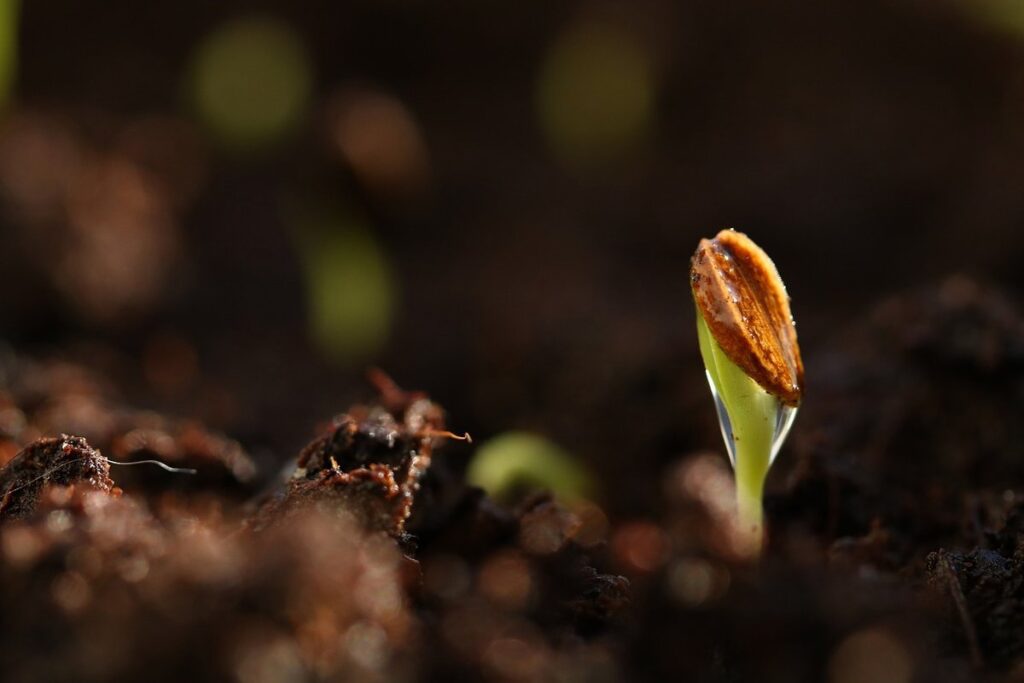
Seed germination is a critical stage in plant development that sets the foundation for future growth. During this process, the seed absorbs water and breaks down its internal dormancy, allowing it to sprout into a new plant. This stage has a profound impact on the development of roots, shoots, and overall health.
The initial stages of germination are particularly sensitive to temperature fluctuations, which can either hinder or promote growth. A stable and optimal temperature range is essential for seeds to germinate successfully. For example, tomato seeds typically require a warmer temperature between 70°F to 85°F (21°C to 30°C) to break dormancy and initiate growth.
If the temperature is too low or too high, it can cause delayed or inhibited germination, leading to reduced yields and lower plant health. By maintaining an optimal seed germination temperature, you can promote healthy root development, support vigorous shoot growth, and ensure a strong foundation for your plants’ future success.
Factors Affecting Seed Germination Temperature
The temperature at which seeds germinate is heavily influenced by various environmental factors. One of the most crucial factors is soil moisture, as it can either facilitate or hinder seed germination. Seeds need adequate water to initiate germination, but excessive moisture can lead to rot and poor root development.
Light exposure also plays a significant role in determining the optimal temperature for seed germination. Some plants, like those that require stratification, thrive in low light conditions, while others need full sun to germinate properly. It’s essential to consider the specific needs of your plant species when deciding on the ideal germination environment.
Temperature fluctuations can also impact seed germination. Sudden changes in temperature can shock seeds and prevent them from germinating. A consistent temperature range within 1-5°C (2-9°F) is usually optimal for most plants, allowing for even and predictable germination. Consider using a propagation tray with built-in heating mats or placing the container on a heat mat to maintain a stable temperature during the germination period.
Optimal Seed Germination Temperatures for Different Plants
As you plan your garden, it’s essential to understand which seed germination temperatures will work best for your specific plants. This section helps you find that optimal temperature range for each variety.
Crop-Specific Temperature Requirements
When it comes to specific crops, understanding their optimal seed germination temperatures is crucial for successful plant growth. Let’s take a closer look at some common crops and their temperature requirements.
For warm-season crops like tomatoes (75-85°F / 24-29°C), peppers (80-90°F / 27-32°C), and eggplants (85-95°F / 29-35°C), higher temperatures stimulate germination. On the other hand, cool-season crops such as broccoli (60-70°F / 16-21°C), cauliflower (65-75°F / 18-24°C), and kale (50-60°F / 10-16°C) require cooler temperatures to initiate growth.
Some crops are sensitive to temperature fluctuations. For example, beans and peas can be damaged by high temperatures above 70°F (21°C). In contrast, carrots and parsnips prefer consistent temperatures around 65-75°F (18-24°C).
Understanding these specific temperature requirements is essential for ensuring optimal seed germination. By choosing the right crop for your climate and providing it with suitable conditions, you’ll be well on your way to a successful harvest.
Understanding Temperature Zones for Seed Germination
Different regions of the world have distinct temperature zones that significantly impact seed germination. Understanding these zones is crucial for gardeners and farmers to ensure optimal growth conditions. Tropical zones, characterized by high temperatures year-round, typically require seeds to be sown at cooler temperatures to prevent excessive growth.
Temperate zones, with moderate temperatures, are often ideal for most plant species. However, some plants, like lettuce and spinach, prefer slightly cooler temperatures for germination. Arctic zones, on the other hand, have extremely cold temperatures that slow down or even inhibit seed germination.
When planning a garden in a specific region, it’s essential to research the local temperature zone and adjust the sowing times accordingly. For instance, in tropical regions, seeds can be sown during the cooler months, while in temperate zones, spring and fall are ideal for planting. By considering these temperature zones, you can create a thriving garden despite the regional climate constraints.
Consider consulting seed packets or local nurseries for specific guidance on optimal germination temperatures for your area.
The Science Behind Seed Germination Temperatures
Let’s dive into the fascinating world of seed germination temperatures and explore the specific temperature ranges that trigger germination. We’ll examine the science behind these optimal conditions.
Biochemical Processes Involved in Seed Germination
During seed germination, a complex interplay of biochemical processes occurs to break dormancy and initiate growth. Enzymes play a crucial role in this process, catalyzing reactions that break down stored energy sources, such as starch, into usable forms like glucose. For example, the enzyme amylase is responsible for breaking down starch granules in cereal seeds, allowing the seedling to access energy.
Hormones also regulate seed germination by responding to temperature cues. Abscisic acid (ABA), a hormone that promotes dormancy, decreases as temperatures rise, while gibberellins (GAs) increase, promoting growth. The balance between these hormones is critical for successful germination. In addition to enzymes and hormones, other molecules like ions and water also play essential roles in responding to temperature cues.
Understanding these biochemical processes can help you optimize seed germination conditions. For instance, ensuring adequate moisture levels can promote enzyme activity and hormone regulation. By providing the right balance of temperature, light, and water, you can encourage seeds to break dormancy and initiate growth, leading to healthier, more robust plants.
Temperature-Dependent Gene Expression in Seeds
When seeds are exposed to varying temperatures, it triggers a cascade of molecular events that ultimately influence their ability to germinate. This process is known as temperature-dependent gene expression, and it’s crucial for understanding the optimal conditions required for seed germination.
At the heart of this process lies the complex interplay between genes, proteins, and other molecules essential for seed development. When temperatures change, specific genes are activated or suppressed, leading to the production of vital proteins that facilitate germination. For instance, studies have shown that seeds exposed to optimal temperature ranges exhibit increased activity in genes responsible for producing enzymes involved in cell wall degradation.
In practical terms, this means that seeds germinate more efficiently when temperatures align with their natural requirements. To capitalize on this knowledge, growers can carefully select seed varieties suitable for specific climates and temperatures. By doing so, they can minimize the risk of poor germination rates and ensure a stronger start for their plants. As an added benefit, understanding temperature-dependent gene expression also empowers researchers to develop more resilient crop varieties that thrive in diverse environments.
Challenges and Limitations of Seed Germination Temperatures
While seed germination temperatures can be easily manipulated, there are still some challenges to consider when trying to optimize conditions for plant growth. Let’s dive into these limitations and explore what they mean for your growing process.
Impacts of Climate Change on Seed Germination Temperatures
As we discuss the optimal seed germination temperatures, it’s essential to consider the impact of climate change on this critical process. Rising temperatures and climate variability are affecting seed germination, leading to potential consequences for crop yields and food security.
The changing climate is altering the timing of spring events, including budburst and flowering, which can disrupt the synchronization between plants and their pollinators. This mismatch can reduce crop yields and productivity, ultimately affecting food availability. For instance, a study in England found that wheat yields declined by 6% for every 1°C increase in temperature.
Climate change is also altering the optimal seed germination temperatures for many plant species. A warmer climate means that plants may require higher temperatures to initiate germination, which can be challenging in areas with cool or unpredictable springs. This highlights the need for farmers and growers to adapt their sowing strategies and consider using cultivars that are more resilient to temperature changes.
To mitigate these effects, researchers recommend developing and implementing climate-resilient seed systems. This involves creating seeds that can germinate within a range of temperatures, allowing them to thrive in various environmental conditions. By investing in research and development of such seeds, we can ensure the long-term sustainability of crop production despite the challenges posed by climate change.
Temperature-Related Issues in Agricultural Production
Temperature-related issues can be particularly detrimental to agricultural production. Farmers and producers often face reduced yields due to suboptimal seed germination temperatures. This can lead to economic losses, as crops that don’t meet quality standards may need to be discarded or sold at a lower price.
Lower quality crops can also result in decreased crop value and profitability for farmers. For instance, if wheat seeds are exposed to high temperatures during germination, the resulting plants may have shorter stalks, lower grain yields, and reduced protein content. This can affect not only the farmer’s bottom line but also food security and availability.
Suboptimal seed germination temperatures can also impact crop timing and scheduling. If seeds germinate too quickly or slowly, it can disrupt farm planning and resource allocation. For example, if a crop is planted too early, it may be vulnerable to frost damage, while planting too late can lead to reduced yields due to insufficient growing season.
Farmers can mitigate these risks by understanding the optimal temperature range for their specific crops and taking steps to maintain suitable temperatures during germination. This might involve using temperature-controlled nurseries or greenhouses, adjusting sowing dates based on historical climate data, or implementing strategies like shading or irrigation management to regulate soil temperature.
Practical Applications of Understanding Seed Germination Temperatures
Now that you know how seed germination temperatures work, let’s dive into practical examples of how this knowledge can help you grow a wider range of plants. From indoor gardens to outdoor fields, this understanding makes all the difference.
Optimizing Greenhouse Conditions for Seed Germination
When creating optimal greenhouse conditions for seed germination, temperature control is crucial. Most seeds require a consistent temperature between 65-75°F (18-24°C) during the day and slightly cooler at night to promote healthy germination. However, some species may have specific requirements.
To achieve this, use thermostats or heating mats under grow trays to maintain a stable temperature. Humidity management is equally important as seeds thrive in humid environments, typically between 70-90%. To control humidity, install misting systems or humidifiers, and ensure proper ventilation to prevent overwatering.
Light manipulation also plays a significant role in seed germination. While some seeds can tolerate direct sunlight, others require shade or filtered light. Use shading materials like shade cloth or provide supplemental lighting with LED grow lights at the correct spectrum and intensity for your specific species.
Monitor temperature, humidity, and light levels closely to ensure they’re within optimal ranges for your particular crop. Make adjustments as needed to promote healthy seed germination and subsequent growth. With careful management of these factors, you can create ideal conditions in your greenhouse for successful seed germination.
Improving Seed Storage and Handling Practices
When it comes to maintaining seed viability and responsiveness to temperature cues during germination, proper storage and handling practices are crucial. Seeds can be sensitive to environmental conditions, and their quality can decline quickly if not handled properly.
To store seeds effectively, keep them in a cool, dry place with minimal exposure to light. The ideal temperature range for long-term storage is between 0°C to 10°C (32°F to 50°F). Avoid storing seeds near heating or cooling vents, as sudden changes in temperature can damage the seed embryo.
When handling seeds, avoid excessive moisture and humidity, which can lead to mold growth and seed deterioration. Use airtight containers or sealed bags to maintain a stable environment. Label and date the storage containers to ensure easy tracking of seed batches.
For short-term storage, seeds can be kept in the refrigerator at 4°C (39°F). However, avoid storing seeds near the freezer compartment, as the cold air can cause moisture condensation on the seeds. By following these simple guidelines, you’ll help maintain seed viability and responsiveness to temperature cues during germination.
Conclusion: Unlocking the Potential of Seed Germination Temperatures
Now that we’ve explored the intricacies of seed germination temperatures, let’s take a closer look at how understanding optimal conditions can unlock your plant’s full potential.
Recap of Key Takeaways on Seed Germination Temperatures
Understanding seed germination temperatures is crucial for optimizing plant growth. By now, you should have a solid grasp of the factors influencing this critical process. As we’ve discussed, ideal temperature ranges vary between 15°C to 30°C (59°F to 86°F), with some plants requiring even narrower temperature windows.
For instance, tomato seeds germinate best at 20-25°C (68-77°F), while lettuce and other cool-season crops prefer temperatures around 10-15°C (50-59°F). These specific temperature requirements underscore the importance of understanding your plant’s optimal range.
To apply this knowledge, consider the following: when starting seeds indoors or outdoors, ensure the growing medium reaches the correct temperature for your chosen species. Use heat mats, seed starting trays with built-in heating elements, or move your seedlings to a warmer location if necessary.
Remember, getting it right can significantly impact germination rates and overall plant performance. Be mindful of these optimal temperatures when planting, and take the necessary steps to create an environment that supports healthy growth. By doing so, you’ll be well on your way to cultivating thriving plants.
Future Directions and Research Opportunities
As we conclude our exploration of seed germination temperatures, it’s clear that there is still much to be discovered and explored. In fact, research and development in this area are crucial for improving crop yields and resilience in the face of climate change.
Genetic engineering is one promising area for future research. By altering the genetic code of seeds, scientists can introduce temperature-sensitive traits that enhance germination rates or optimize growth conditions for specific environments. For instance, researchers have already engineered drought-tolerant crops that exhibit improved germination under water stress. Similarly, precision agriculture offers opportunities for data-driven approaches to optimizing seed placement and soil conditions for optimal germination.
Moreover, climate-resilient crop breeding is a pressing need in the face of rising temperatures and changing precipitation patterns. By identifying genetic variants associated with temperature tolerance, breeders can create new cultivars better equipped to handle extreme weather events. This not only improves crop yields but also enhances food security in vulnerable regions.
Frequently Asked Questions
Can I use a single temperature setting for all my plants, or do I need to adjust it based on the specific crop?
While some general guidelines exist for optimal seed germination temperatures, it’s crucial to research and tailor your settings to each specific plant variety. Factors like temperature sensitivity, growth habits, and climate adaptations must be considered. Researching crop-specific requirements will help you create an optimal environment for your seeds.
How do I maintain consistent temperatures in my greenhouse, especially during extreme weather conditions?
Greenhouse temperature control is essential for seed germination. Consider investing in a precision temperature control system or using passive solar design principles to regulate temperature fluctuations. Additionally, use shading materials like shade cloth or louvers to block direct sunlight and prevent overheating.
What are some common mistakes to avoid when setting up an optimal greenhouse environment for seed germination?
Common pitfalls include inadequate ventilation, incorrect humidity levels, and excessive temperatures. Be sure to research and understand the specific needs of your crops, including their ideal temperature ranges, light requirements, and water needs. This will help you create a balanced and stable environment for successful seed germination.
Can I use hydroponics or other soilless growing systems for seed germination, and if so, what are the benefits?
Yes, hydroponics can be an excellent option for seed germination, offering precise control over nutrients and water availability. Benefits include improved seedling growth rates, reduced water consumption, and increased crop yields. When transitioning to a soilless system, consider factors like nutrient uptake rates and temperature sensitivity.
How do I store seeds that require specific temperature conditions during dormancy or after harvesting?
Proper seed storage is crucial for maintaining viability and ensuring optimal germination rates. Store seeds in a cool, dry place with low humidity (around 5-10%). This prevents moisture accumulation and temperature fluctuations that can damage the seeds. Consider using sealed containers or hermetic bags to maintain an optimal environment.
Can I use LED grow lights for seed germination, and if so, what are the benefits?
Yes, LED grow lights can be an excellent option for seed germination, providing precise spectral control and energy efficiency. Benefits include reduced heat output, improved root growth, and increased photosynthetic rates. When using LEDs, consider factors like wavelength, intensity, and duration to optimize their effectiveness.
How do I ensure that my greenhouse is equipped with the right equipment to regulate temperature fluctuations?
Invest in a robust heating and cooling system that can maintain precise temperatures within your desired range. Consider adding insulation, shading materials, or other passive design features to minimize external temperature influences. Regularly monitor temperature readings and adjust settings as needed to optimize seed germination conditions.
What are some potential challenges I might face when adjusting my greenhouse’s temperature settings for optimal seed germination?
Challenges may arise from inadequate equipment, incorrect climate control, or poor plant selection. To overcome these obstacles, research crop-specific requirements, invest in reliable temperature control systems, and maintain accurate records to track temperature fluctuations and their impact on seedling growth.
Can I use natural ventilation methods like windows or vents for regulating greenhouse temperatures?
Yes, incorporating natural ventilation strategies can be beneficial, especially during mild weather conditions. Consider using automatic vent controllers or manually adjusting opening sizes to allow air exchange while maintaining optimal temperature levels.