
When it comes to growing plants from seeds, there’s more to success than just tossing some soil and water together. The science behind seed germination is fascinating, and mastering it can make all the difference between a thriving garden and one that’s struggling to get off the ground. Seed structure, environmental factors, and optimal conditions all play crucial roles in determining whether your seeds will sprout into healthy, strong plants or wither away.
In this article, we’ll delve into the world of seed germination, exploring what happens when a seed starts to grow, from understanding its internal mechanisms to identifying the external factors that can either support or hinder progress. By the end of this journey, you’ll be equipped with the knowledge and skills needed to create an environment that’s perfect for seeds to thrive in – ideal conditions that will set your plants up for success right from the start.
Understanding Seed Structure and Dormancy
To truly grasp how seeds germinate, you need to understand their internal structure and the role of dormancy in the process. This includes exploring embryonic development within each seed.
The Anatomy of a Seed
A seed is more than just a small package containing a plant’s future. It’s a complex structure comprising several essential components that work together to support germination. At the center of the seed lies the embryo, which is essentially the tiny version of the mature plant. This delicate bundle contains the roots, stem, and leaves, all packed into a tiny space.
Surrounding the embryo is the endosperm, a nutrient-rich layer made up of carbohydrates and proteins. Its primary function is to provide sustenance to the growing embryo during germination. Think of it as the seed’s built-in pantry, storing food for the developing plant.
The seed coat, also known as the testa, forms the outermost layer. It serves as a protective barrier, shielding the delicate interior from external threats like moisture and pathogens. In many cases, the seed coat can be quite hard and impermeable to water, which is why seeds often require scarification or soaking to initiate germination.
The interaction between these components is crucial for successful germination. When conditions are right – temperature, light, and water – the seed absorbs water, and its embryo begins to grow. The endosperm breaks down, releasing nutrients that fuel this expansion. As the roots start to sprout, they tap into soil moisture, while the stem grows taller, reaching for sunlight.
Keep in mind that not all seeds are created equal, with some having adapted unique features to ensure their survival and success in various environments. For instance, desert plants often develop extremely hard seed coats to conserve water during dry periods.
Causes of Seed Dormancy
Seeds are remarkably resilient organisms that can withstand harsh environmental conditions, but sometimes they may remain dormant due to various factors. One of the primary reasons for seed dormancy is genetic predisposition. Some plant species have evolved mechanisms to ensure that their seeds don’t germinate immediately after being dispersed, thereby increasing their chances of survival in a changing environment.
For instance, some plants, like certain species of desert flowers, produce seeds that are naturally dormant due to the hot and dry conditions they face in their native habitats. These seeds can remain dormant for months or even years until favorable environmental conditions arise. On the other hand, physical barriers such as seed coats, impermeable membranes, or tough outer layers can also hinder germination.
Environmental factors like extreme temperatures, lack of water, or excessive light exposure can also induce dormancy in some seeds. In addition, genetic mutations or variations within a plant population can lead to changes in the timing and frequency of seed germination. Understanding these causes of seed dormancy is essential for successful seed germination and crop production.
Factors Affecting Seed Germination
As we dive deeper into the world of seed germination, let’s explore some key factors that can influence a seed’s ability to sprout successfully in various environments. This includes temperature, light, and water conditions.
Water Requirements for Germination
Water plays a vital role in seed germination, and different levels of moisture can either facilitate or hinder the process. Seeds absorb water to initiate germination, which triggers the metabolic processes that ultimately lead to growth. However, excessive or inadequate water supply can have detrimental effects on the germination process.
Adequate moisture is essential for seed germination, but the optimal level varies depending on the type of seed. For example, seeds like tomatoes and peppers require consistent moisture levels, while others like beans and peas can tolerate some drought. A general rule of thumb is to maintain soil moisture at about 70-80% capacity during the first week after sowing.
Overwatering can lead to fungal diseases, root rot, and other issues that compromise germination. On the other hand, underwatering may slow down or prevent germination altogether. To strike a balance, ensure the top inch of soil is moist but not waterlogged. Monitor the seed bed regularly, adjusting watering schedules as needed to accommodate changing weather conditions.
Temperature and Light Requirements
Temperature and light play crucial roles in seed germination. Most seeds require specific temperature ranges to initiate growth, and exposure to optimal light conditions can either hinder or promote germination.
The ideal temperature range for seed germination varies across species. For example, tomato seeds typically germinate between 70°F (21°C) and 80°F (27°C), while seeds from tropical plants like orchids and bromeliads prefer warmer temperatures above 75°F (24°C). On the other hand, some species like lettuce and spinach thrive in cooler temperatures, between 50°F (10°C) and 60°F (15°C).
Light also significantly affects seed germination. Seeds exposed to direct sunlight often require more water and experience a higher risk of fungal infections. Conversely, seeds buried beneath a layer of soil can benefit from indirect light or shade. Some species like corn and sunflower require darkness during the germination process.
Check the specific temperature and light requirements for your plant species to ensure optimal seed germination results.
The Germination Process: A Step-by-Step Guide
Now that we’ve covered the basics of seed germination, let’s dive into the nitty-gritty of what happens when a seed actually starts to grow. We’ll walk you through each step of the process.
Seed Imbibition and Swelling
When water is introduced to the seed, it triggers a series of events that ultimately lead to germination. The first step in this process is called seed imbibition, where water is absorbed by the seed through its outer layers, including the cuticle and seed coat.
As water enters the seed, it causes the starches stored within to break down into simpler sugars. This process is crucial for providing energy to the developing seedling. Water also softens the cell walls of the seed, allowing them to expand and swell. This swelling puts pressure on the seed coat, causing it to rupture.
The rate at which seeds imbibe water can vary depending on factors such as temperature, humidity, and seed size. Generally, larger seeds tend to absorb more water than smaller ones due to their increased storage capacity. A good rule of thumb is to keep soil consistently moist but not waterlogged during the germination process. Overwatering can lead to rot and decreased seed viability.
In ideal conditions, a seed may take anywhere from 1-7 days to imbibe sufficient water for germination to occur.
Radicle Emergence and Root Development
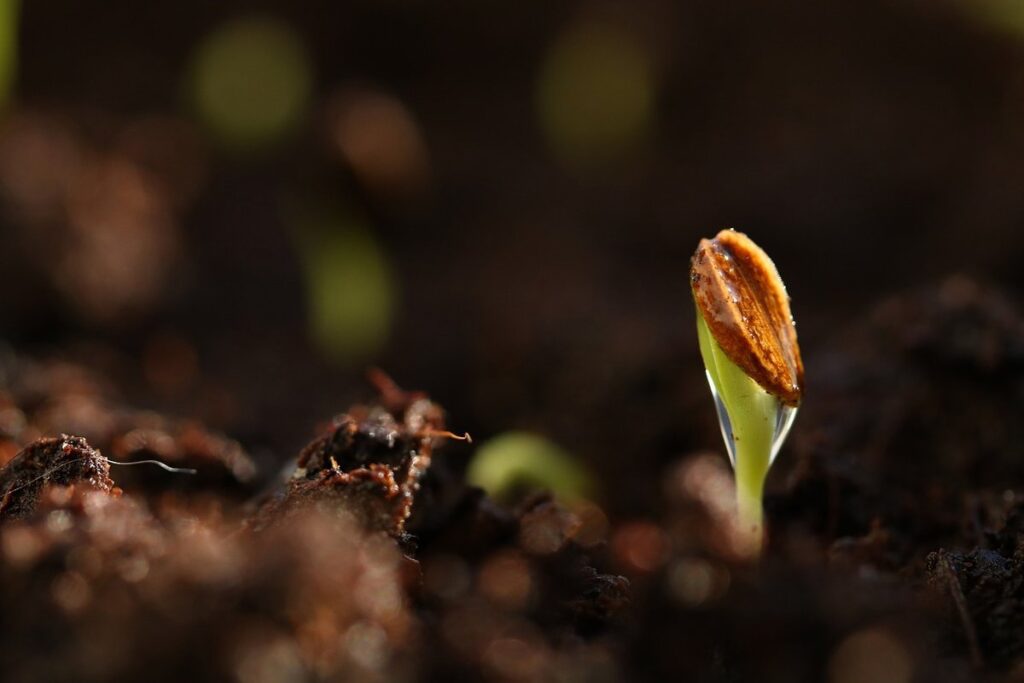
As the seed absorbs water and begins to break dormancy, one of the first visible signs of germination is the emergence of the radicle, also known as the primary root. This tiny root grows downward into the soil, anchored by a small amount of stored energy from the seed. As it extends, it will develop tiny hair-like projections called root hairs that increase the surface area for water and nutrient absorption.
The development of mycorrhizal relationships is another crucial aspect of radicle emergence. Fungal hyphae colonize the young roots, forming a symbiotic bond that facilitates the exchange of nutrients and water between the plant and its surroundings. This mutually beneficial relationship allows the seedling to access essential resources more efficiently, while also providing the fungi with carbohydrates produced during photosynthesis.
As the radicle continues to grow, it will begin to branch out, creating a network of fine roots that anchor the seedling in place.
Environmental Factors Influencing Seed Germination
Understanding how environmental factors impact seed germination is crucial for optimizing growth conditions. In this next part, we’ll explore the role of temperature, light, water, and more in influencing germination rates.
Soil Quality and pH
Soil quality and pH play a significant role in seed germination. Nutrient availability is crucial for seeds to break dormancy and initiate growth. Soil with adequate nutrients provides the necessary building blocks for seedling development, whereas poor soil can hinder or even prevent germination.
Microbial activity in the soil also affects seed germination. Beneficial microorganisms help break down organic matter into nutrient-rich compounds that are readily available to seeds. A healthy balance of microbial populations supports optimal nutrient cycling and exchange, ensuring that seeds have access to essential nutrients for growth.
Soil pH is another critical factor affecting seed germination. Most plant species have an optimal pH range within which they can thrive. Extreme pH levels can be detrimental, leading to reduced germination rates or even complete failure. For example, corn typically prefers a slightly acidic soil pH between 6.0 and 7.0.
When selecting seeds for planting, consider the specific nutrient requirements of the species and choose a suitable soil type accordingly. In garden settings, test the soil pH and adjust it if necessary to create a conducive environment for seed germination.
Pest and Disease Management
Pests and diseases can significantly impact seed germination rates, reducing yields and affecting crop quality. Fungal diseases such as damping off and root rot are common issues, often caused by overwatering or poor air circulation. Bacterial diseases like bacterial leaf spot can also occur.
Effective pest and disease management involves a combination of prevention, monitoring, and control strategies. Use physical barriers to prevent pests from reaching seeds, such as fine mesh or row covers. Regularly inspect seedlings for signs of infection, and remove affected plants to prevent the spread of disease. Crop rotation, sanitation practices, and maintaining optimal growing conditions can also help minimize pest and disease issues.
Some common pests that affect seed germination include insects like aphids, whiteflies, and thrips, as well as rodents and birds. Regular monitoring and early intervention are key to preventing infestations from getting out of hand. Implement integrated pest management (IPM) strategies, which involve using a combination of techniques to manage pests in a holistic way. For example, introducing beneficial insects like ladybugs or lacewings can help control pest populations naturally.
In addition to these physical methods, chemical controls may be necessary in severe cases. Always follow local regulations and safety guidelines when using pesticides, and consider using organic alternatives whenever possible.
Optimizing Seed Germination Conditions
To achieve optimal seed germination, it’s essential to control variables such as temperature, light, and moisture levels, which can significantly impact the process. Let’s dive into optimizing these conditions for successful germination.
Creating an Ideal Microclimate
Creating an ideal microclimate for seed germination is crucial for successful growth. This involves controlling temperature, humidity, and light to mimic the natural conditions that seeds experience in their native environment.
Temperature control is essential, as most seeds have an optimal germination range between 65°F to 75°F (18°C to 24°C). For example, lettuce seeds prefer a cooler temperature of around 60°F (15°C), while tomato seeds thrive at a warmer 70°F (21°C). To achieve this, you can use heat mats or warm incubators.
Humidity management is also vital, as most seeds require a moist environment to germinate. A humidity dome or plastic bag can maintain an ideal level of moisture, typically between 80% to 90%. This helps prevent drying out and promotes even growth.
Light manipulation is another critical factor, as some seeds are photoblastic – meaning they require light to germinate. For example, seeds like petunias and marigolds need darkness to germinate, while others like sunflowers and tomatoes require light. You can use dark or light-colored pots to achieve the desired level of illumination. By controlling these factors, you can create an ideal microclimate for successful seed germination.
Monitoring and Maintaining Seeds
Monitoring seeds during germination is crucial to ensure successful growth. Check on your seeds regularly, ideally every 24-48 hours, for signs of germination such as a small white root breaking through the seed coat or a tiny green sprout emerging from the soil.
A successful germination can be identified by observing these distinct changes. However, some common issues may arise during the process, which need immediate attention to prevent damage to the seeds. Be on the lookout for signs of mold growth due to overwatering, which can be prevented by ensuring proper drainage and maintaining a consistent moisture level.
In case you notice seed rot or fungal infection, gently remove affected seeds from the growing medium to prevent the spread of disease. Maintain an ideal temperature range between 65-75°F (18-24°C) for optimal germination and growth. By monitoring your seeds closely and being aware of potential issues, you can intervene promptly to ensure healthy development and a higher success rate.
Frequently Asked Questions
How can I create an ideal microclimate for optimal seed germination?
Creating a microclimate is all about mimicking the natural conditions that seeds would experience in their native environment. This involves maintaining consistent temperatures, humidity levels, and light exposure. For example, you might use a propagation tray or a greenhouse to control these factors. Make sure to research specific temperature and light requirements for your seed type.
What are some common mistakes I should avoid when preparing the soil for seed germination?
One common mistake is using soil that’s too dense or alkaline, which can hinder root growth. Another mistake is overwatering, which can lead to rot and other issues. To prevent these problems, use a well-draining potting mix specifically designed for seed starting, and follow proper watering guidelines.
How do I know if my seeds are experiencing dormancy, and what should I do?
If your seeds aren’t germinating after providing optimal conditions, it’s possible that they’re dormant. Check the seed package for specific instructions on breaking dormancy. Some common methods include cold stratification, scarification, or soaking in water.
What are some signs of healthy seed germination, and how can I ensure my plants receive enough nutrients?
Healthy seed germination is indicated by a consistent rate of emergence, with radicles emerging 1-2 inches deep in the soil. To support root development, use a balanced fertilizer specifically formulated for seedlings. Water gently but thoroughly to prevent overwatering.
Can I still achieve optimal seed germination if my seeds have been stored improperly?
While improper storage can affect seed viability, it’s not always a deal-breaker. If your seeds have been exposed to extreme temperatures, humidity fluctuations, or light, they may still be usable. However, it’s essential to inspect them for damage and follow proper storage guidelines to minimize losses.
How often should I water my seeds during the germination process?
Watering frequency depends on factors like soil type, temperature, and seed size. As a general rule, keep the top 1-2 inches of soil consistently moist but not waterlogged. Check the soil daily, and adjust your watering schedule accordingly.