
Starting seeds from scratch can be a thrilling experience for gardeners, but did you know that successful seed germination relies on more than just watering and waiting? In fact, it’s a delicate process that involves understanding the intricacies of dormancy, optimizing environmental conditions, and employing specific techniques to coax life out of tiny seeds. As a gardener, mastering the art of seed germination can mean the difference between a bountiful harvest or a disappointing yield. In this comprehensive guide, we’ll break down the essential stages of seed germination, explore key factors that affect success rates, and provide practical tips for overcoming common obstacles. Whether you’re a seasoned green thumb or just starting out, this article will equip you with the knowledge to achieve higher success rates in your next planting project.
Understanding Seed Germination Basics
Seed germination is a complex process, but understanding its basics is essential for any gardener. Let’s break down the fundamental steps involved in seed germination to get you started.
What is Seed Germination?
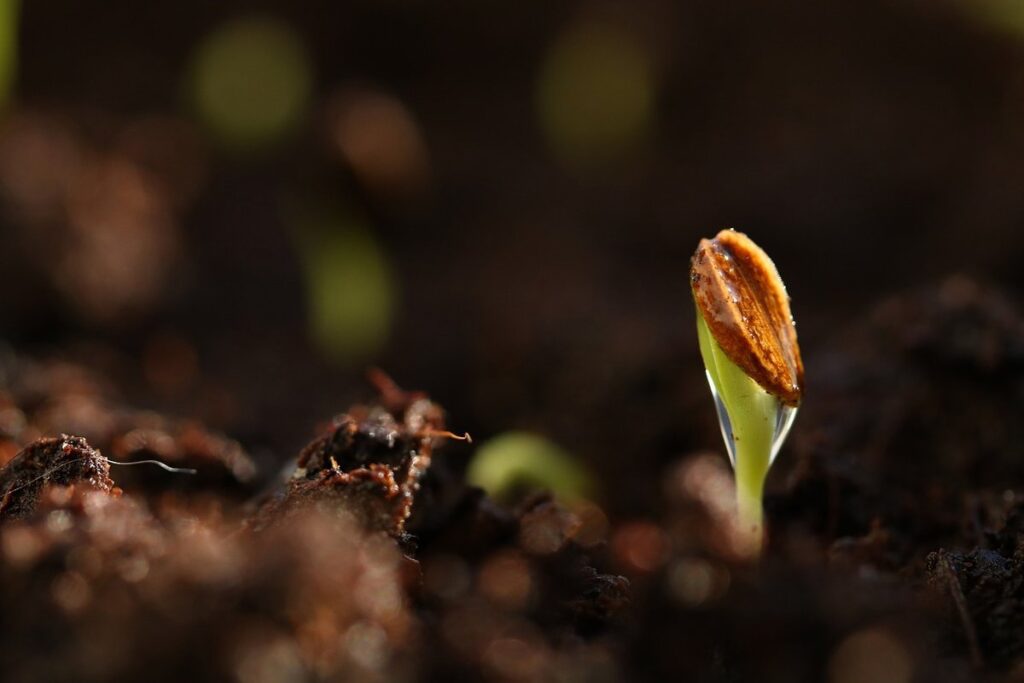
Seed germination is indeed the vital first step in the life cycle of any plant species. It’s where a tiny seed, often no bigger than a grain of sand, begins to stir and grow into a robust, thriving organism. This process is incredibly resilient and essential for the survival and success of plants, as it allows them to adapt to their environment and thrive.
During germination, the seed absorbs water, which triggers a series of chemical reactions that break down the seed’s dormancy. As the seed begins to grow, its embryonic roots and shoots start to emerge, gradually developing into a fully formed plant. This initial growth is critical, as it lays the foundation for future development and sets the stage for the plant’s overall health and resilience.
As you observe your own plants or tend to those in your garden, keep an eye on this crucial germination phase. By providing optimal growing conditions – such as adequate water, warmth, light, and nutrients – you can encourage healthy seed germination and give your plants the best possible start in life.
Factors Influencing Seed Germination
Seed germination is a highly sensitive process that can be influenced by various environmental factors. Temperature, for instance, plays a crucial role in seed germination. Most seeds have an optimal temperature range for germination, typically between 15°C to 30°C (59°F to 86°F). If the temperature falls outside this range, it may slow down or even prevent germination. For example, lettuce seeds germinate best at temperatures around 20°C (68°F), while tomato seeds prefer warmer conditions above 25°C (77°F).
Water is another essential factor that affects seed germination. Seeds typically require consistent moisture to absorb the necessary nutrients for growth. However, excessive water can lead to root rot and hinder germination. A well-draining soil mix with adequate moisture levels will promote healthy seed germination.
Light also plays a significant role in seed germination, but its effect is more nuanced. While some seeds require light to germinate, others are sensitive to it. For instance, lettuce seeds can be sown in complete darkness, while seeds like corn and beans need indirect light for germination. Oxygen levels, although often overlooked, also impact seed germination.
Maintaining optimal oxygen levels in the soil will ensure that roots develop properly during the germination process. By controlling these environmental factors, you can optimize seed germination rates and promote healthy seedling growth.
Stages of Seed Germination
Let’s dive into the stages of seed germination, where a tiny sprout emerges from a dormant seed and begins its journey towards becoming a mature plant. We’ll break down each critical step in this process.
Stage 1: Imbibition
When a seed is planted in moist soil, it begins to undergo a series of physiological changes that ultimately lead to its growth and development. The first stage of this process is called imbibition, which involves the seed absorbing water from its surroundings.
As water enters the seed, it triggers a significant increase in cell turgor pressure – the outward pressure exerted by water within cells. This rise in pressure plays a crucial role in breaking dormancy, allowing the seed to transition into the next stage of development.
During imbibition, the seed’s outer covering, or coat, begins to swell and soften. This softening process makes it possible for enzymes and nutrients stored within the seed to break free and start their work.
As the seed continues to absorb water, its embryo starts to awaken from dormancy. The cells begin to divide, and the root starts to grow downward into the soil in search of more moisture and nutrients. It’s essential to maintain consistent moisture levels during this stage to ensure proper germination.
Stage 2: Water Absorption
As the seed begins to germinate, it enters Stage 2: Water Absorption. During this critical phase, the seed absorbs water through its outer layers, allowing it to rehydrate and prepare for germination. This process is essential for breaking down stored energy reserves and stimulating cellular activity.
When a seed absorbs water, it swells in size and becomes more pliable. The water enters the seed coat, allowing enzymes to break down stored starches into sugars. These sugars are then used to fuel the growth of the embryo within the seed. In some seeds, like corn and beans, the water absorption is so rapid that you can see a significant increase in size just hours after soaking.
To encourage effective water absorption, make sure to provide your seeds with enough moisture. The ideal humidity level for most seeds is between 50-80%. You can create this environment by covering the seed tray or pot with a clear plastic bag or cloche. By mimicking these conditions, you’ll help ensure that your seeds absorb the right amount of water to support healthy germination.
Environmental Conditions for Seed Germination
To ensure successful seed germination, it’s essential to understand the optimal environmental conditions that seeds require, including temperature, light, and moisture levels. Let’s explore these critical factors in more detail.
Optimal Temperature Range
When it comes to seed germination, temperature plays a crucial role in determining success. However, not all seeds have the same optimal temperature requirements. The ideal temperature range varies depending on the plant species, and it’s essential to understand these specific needs to ensure successful germination.
For example, seeds from tropical plants like orchids and bromeliads prefer warmer temperatures between 75°F to 85°F (24°C to 30°C). On the other hand, temperate plants such as lettuce and spinach thrive in cooler temperatures ranging from 40°F to 60°F (4°C to 15°C).
To give you a better idea, here are some temperature ranges for popular garden seeds:
• Alfalfa: 50°F to 70°F (10°C to 21°C)
• Cabbage: 40°F to 65°F (4°C to 18°C)
• Carrot: 55°F to 75°F (13°C to 24°C)
• Radish: 60°F to 80°F (16°C to 27°C)
Keep in mind that temperatures above or below the optimal range can slow down germination or even prevent it altogether. By understanding and providing the right temperature conditions for your seeds, you’ll significantly increase their chances of successful germination.
Importance of Water in Seed Germination
Water plays a crucial role in seed germination, making it an essential environmental condition for successful growth. Adequate moisture is necessary to break down seed dormancy and initiate the germination process. When seeds absorb water, they swell, and enzymes break down stored nutrients, allowing them to develop into seedlings.
However, overwatering can be detrimental to seed germination. Excess moisture can lead to fungal infections, which can rot seeds and prevent germination. For example, if you’re starting seeds indoors, ensure the soil isn’t too wet or waterlogged, as this can cause seeds to rot before they even have a chance to sprout.
Conversely, underwatering can also hinder seed germination. Seeds require consistent moisture, especially during the first few weeks of growth. Make sure to keep the soil consistently moist but not waterlogged. A general rule of thumb is to water seeds when the top inch of soil feels dry to the touch.
To strike a balance between adequate and excessive moisture, monitor your seeds’ environment closely. Check the soil’s moisture level regularly and adjust your watering schedule accordingly. By providing the right amount of water, you’ll be well on your way to successful seed germination.
Factors Affecting Seed Germination Rates
When it comes to seed germination, several factors can either boost or hinder the process. Let’s explore some of these key elements that affect germination rates right from the start.
Soil Quality and pH Levels
Soil quality and pH levels are crucial factors that can significantly impact seed germination rates. Good soil health is essential for seeds to absorb necessary nutrients and water for growth. Conversely, poor soil conditions can lead to reduced germination rates or even death.
Soil pH levels play a critical role in determining the availability of nutrients for seeds. Most plants prefer a slightly acidic to neutral soil pH, ranging from 6.0 to 7.0. If the soil is too alkaline (high pH), nutrient deficiencies can occur, stunting seed growth. Conversely, if the soil is too acidic (low pH), some essential nutrients may become unavailable.
To ensure optimal seed germination, it’s essential to check and adjust your soil pH levels if necessary. You can use a DIY kit or consult with a gardening expert for guidance. Maintaining healthy soil quality also involves incorporating organic matter like compost, which helps improve nutrient availability and structure.
When selecting seeds, consider the specific soil requirements of each plant variety to avoid potential issues. Properly preparing the soil before sowing seeds will significantly impact their germination rates.
Presence of Inhibitors or Stimulants
Chemical compounds present within seeds can either inhibit or stimulate germination. For instance, some seeds produce chemical inhibitors that prevent germination until conditions are favorable. This is often the case with seeds from desert plants like cacti and succulents. These seeds contain chemical compounds that suppress germination unless adequate moisture becomes available.
In contrast, certain microorganisms such as fungi can stimulate seed germination by breaking down complex compounds in the seed coat or endosperm, thereby releasing growth-promoting substances. Rhizobia bacteria associated with legume roots are a prime example of this phenomenon. These microbes have co-evolved alongside their plant hosts to produce nitrogen-fixing enzymes that promote plant growth.
Environmental factors can also influence the effectiveness of these stimulatory compounds. For instance, optimal temperatures and light conditions may be required for seed germination to occur in response to the presence of microorganisms.
Seed Germination Techniques for Improved Success Rates
To maximize your seed germination success, learn how to create optimal growing conditions and use specialized techniques to give your seeds the best possible start in life.
Stratification Methods
When it comes to breaking seed dormancy and enhancing germination rates, stratification methods play a crucial role. Stratification is the process of mimicking nature’s seasonal changes to stimulate seed germination. There are several stratification techniques you can employ, depending on the type of seeds and their specific requirements.
One common method is warm stratification, where seeds are kept at temperatures between 65°F to 75°F (18°C to 24°C) for a period of 30 to 90 days. This simulates the warmth of spring and encourages seed germination. For example, if you’re trying to grow cherry tomatoes, warm stratification can be used to break dormancy.
Another method is cold stratification, where seeds are exposed to cooler temperatures between 35°F to 50°F (2°C to 10°C) for a period of 30 to 120 days. This mimics the winter chill that many plants require to germinate. If you’re trying to grow bulbs like tulips or daffodils, cold stratification is often necessary.
Some seeds also require a combination of warm and cold stratification. For instance, if you’re growing African violets, they need a period of 30 days at room temperature followed by 60-90 days in the refrigerator to break dormancy.
By employing these stratification techniques, you can significantly improve seed germination rates and increase your chances of successful growth.
Scarification and Treatment Methods
Scarification is a crucial step in breaking down seed coats that can hinder germination. This process involves treating seeds with mechanical or chemical methods to create openings for water and oxygen penetration. The goal of scarification is to stimulate the embryo within the seed to initiate growth.
Some common scarification methods include nicking, scratching, or soaking seeds in a solution. For example, some researchers have achieved 70% germination rates by soaking lotus seeds in a mixture of sulfuric acid and water for several hours. Another study found that lightly scratching the surface of pumpkin seeds with a file increased germination rates by 20%.
Not all seeds require scarification, however. Some species, like those from the Brassica family (broccoli, cauliflower, etc.), have hard seed coats that can benefit from mechanical or chemical treatment. A general rule of thumb is to test different methods and observe the results before applying them to a larger scale. This allows you to tailor your approach to specific seed types and improve overall germination rates.
Common Challenges and Solutions in Seed Germination
As you navigate the seed germination process, it’s essential to be aware of common challenges that can hinder growth, from inconsistent moisture levels to temperature fluctuations. Let’s tackle these obstacles together and explore practical solutions.
Overcoming Dormancy
Overcoming dormancy is one of the biggest hurdles you’ll encounter when attempting to germinate seeds. This natural process occurs when a seed’s physiological state prevents it from sprouting, even if environmental conditions are favorable. Chemical and environmental modifications can help overcome this barrier.
One common strategy for breaking dormancy is using chemicals like gibberellic acid (GA3) or ethrel. These plant growth regulators stimulate cell division and elongation in the embryo, encouraging germination to occur. However, their application must be precise, as excessive use can damage the seed or inhibit future growth.
Alternatively, environmental modifications such as cold stratification or light exposure can also induce dormancy release. For example, some seeds require a period of winter chill to break their dormancy, while others respond well to high-intensity light treatments. Researching specific seed requirements is essential for successful germination.
Troubleshooting Common Issues
As you navigate the seed germination process, you may encounter common issues that hinder growth. One of the most frustrating problems is slow or uneven seedling development. This can be attributed to various factors such as inadequate water supply, high temperatures, or poor soil quality.
To address this issue, ensure your seeds are receiving sufficient moisture. Check the soil daily and provide extra water if necessary. Additionally, maintain a consistent temperature between 65-75°F (18-24°C), which is ideal for most seed types. If the environment is too hot or cold, it can impede germination.
Another common problem is fungal diseases or pests that target young seedlings. To prevent this, use clean and disinfected equipment when handling seeds and soil. Keep the growing area well-ventilated to reduce moisture buildup and encourage healthy growth. Regularly inspect your seedlings for signs of damage or infection, and take prompt action if you notice any issues.
By being aware of these potential problems and taking proactive steps to address them, you can optimize your seed germination process and ensure successful growth.
Frequently Asked Questions
What if I’m unsure about the optimal temperature range for my seeds?
If you’re unsure about the optimal temperature range for your specific seed type, consult the seed packet or a reliable gardening resource. Most plants thrive between 65°F (18°C) and 75°F (24°C), but some require warmer or cooler temperatures to germinate. It’s essential to mimic the natural environment where the plant would typically grow.
Can I use tap water for seed germination, or is it better to use filtered water?
Yes, you can use tap water for seed germination. However, using filtered water can be beneficial if your tap water has high levels of chlorine or minerals that might inhibit seed growth. If you do use tap water, let it sit for 24 hours before watering your seeds to allow some of the excess chemicals to evaporate.
What’s the best way to handle seeds with thick outer coats or seed dormancy?
For seeds with thick outer coats, such as those from tropical plants, try using a combination of scarification and stratification methods. Scarify by lightly scratching the surface with sandpaper or a nail file, then apply a warm water treatment to soften the coat. For seeds with dormancy, consider cold stratification (4-6 weeks at 35°F/2°C) followed by moist storage in a sealed container.
How can I prevent seed decay and fungal infections during germination?
To minimize the risk of seed decay and fungal infections, ensure proper air circulation around your seed trays. Keep them away from direct sunlight and maintain consistent moisture levels. Monitor temperature fluctuations and use a thermometer to keep temperatures within optimal ranges. Regularly inspect your seeds for signs of mold or rot.
Can I reuse seed starting mix for multiple plantings, or should I make fresh batches?
No, it’s not recommended to reuse seed starting mix for multiple plantings due to potential fungal contamination, nutrient depletion, and soil-borne pathogens. For each new planting, create a fresh batch of seed starting mix using high-quality ingredients like peat moss, perlite, and vermiculite, ensuring optimal pH levels for seed germination.