
As we welcome the new seasons, our outdoor spaces can use a refresh. Whether you’re a seasoned gardener or a DIY enthusiast, adding seasonal planters to your patio, porch, or yard is an easy and effective way to give your space a personal touch. From the soft pastel hues of spring to the coastal vibes of summer, and the warm, rich tones of fall and winter, each season offers a unique opportunity to infuse your outdoor decor with character.
In this article, we’ll explore some inspiring seasonal planter ideas that incorporate the latest trends and styles. We’ll share DIY projects, decoration tips, and design inspiration for adding coastal elements, using pastel colors, and more. Whether you’re looking to create a cohesive look or make a bold statement, these seasonal planter ideas will help you breathe new life into your outdoor space and make it feel truly yours.
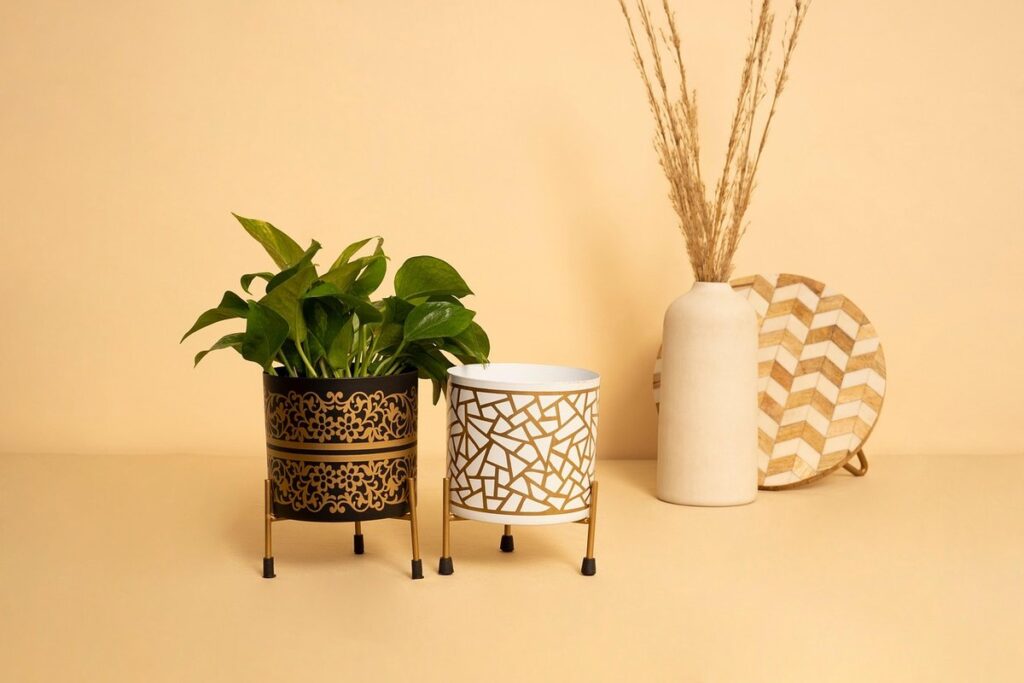
Spring-Inspired Planters
As we welcome warmer weather, let’s celebrate the arrival of spring with a fresh look at beautiful planters that will add a pop of color to your outdoor spaces. From classic terracottas to modern concrete designs, discover our top picks for spring-inspired planters!
Using Pastel Colors and Floral Patterns
As spring awakens from its winter slumber, there’s no better way to celebrate than with planters that capture its essence. Soft pastel colors and delicate floral patterns are a match made in heaven for bringing a touch of springtime charm to your outdoor or indoor space.
One popular paint technique to achieve this look is ombre painting. This beautiful gradient effect can be created by layering soft pastel shades, allowing each color to blend seamlessly into the next. For example, you could start with a gentle lavender at the bottom and work your way up to pale peach or mint green. The result is a stunning, one-of-a-kind planter that’s sure to brighten up any room.
Another technique to try is stenciling. Use a floral pattern stencil and some soft pastel paint to create a whimsical design on your planter. You can also experiment with layering different stencils or using a combination of stenciled patterns and freehand painting for added visual interest. Whatever method you choose, the key is to keep it light and airy, just like spring itself.
Incorporating Spring Flowers and Greenery
As we welcome the arrival of spring, our planters can benefit from a refreshing makeover. Incorporating real or artificial spring flowers and greenery is an excellent way to bring vibrancy and life to your space. Think tulips, daffodils, and hyacinths in shades of soft pink, yellow, and blue – their delicate petals and stems add a touch of whimsy to any planter.
When mixing and matching different textures and colors, remember that contrast is key. Combine smooth-leaved plants like boxwood or hostas with textured flowers such as roses or peonies for visual interest. Balance bright hues with neutral tones to avoid overwhelming the senses. For example, pair a vibrant orange tulip with some soft green moss or ferns to create a stunning arrangement.
Remember, it’s all about balance and harmony. Don’t be afraid to experiment and try new combinations – after all, that’s what makes gardening so delightful! Consider layering different elements like flowers, foliage, and decorative stones for added depth and visual appeal. With a little creativity, your planters will be bursting with the beauty of spring in no time.
DIY Planter Ideas for a Budget-Friendly Makeover
Get creative with DIY planter ideas and give your space a budget-friendly makeover. One of the best ways to do this is by repurposing materials you already have at home. For instance, you can use old terracotta pots to create a charming herb garden or a beautiful succulent display.
Another idea is to upcycle wooden crates into planters for a rustic look. Simply attach some wire mesh to the bottom of each crate and fill it with your favorite plants. You can also add a coat of paint or varnish to give it a more polished appearance.
Don’t forget about recycled containers! Plastic bottles, cardboard tubes, and even old boots can become unique planters with a little creativity. Simply clean and decorate them before adding soil and plants. Not only will you be reducing waste, but your space will also get a refreshing new look.
Remember, the key to creating beautiful DIY planters is to think outside the box (or pot!) and have fun with it. Experiment with different materials and designs until you find what works best for your space.
Summer Vibes with Coastal-Inspired Planters
Add a touch of coastal charm to your outdoor space with planters that evoke the feeling of a seaside escape, perfect for warm weather. Think driftwood, seashells, and soft pastels!
Using Driftwood, Shells, and Starfish
Incorporating natural coastal elements like driftwood, shells, and starfish into your planters is an excellent way to capture the essence of summer and bring a beachy feel to your space. To do this, start by gathering materials from your next beach trip or scouring local thrift stores for unique finds.
Driftwood, in particular, adds a weathered, coastal vibe to any planter. Use it as a base, attaching plants directly to the wood or placing them within its nooks and crannies. You can also mix driftwood with other materials like shells or starfish to create a visually interesting display.
For a more subtle look, fill your planter with shells or starfish, then place small succulents or herbs among them. This creates a beautiful contrast between the natural, ocean-worn elements and the lush greenery. To make it easier to maintain, choose plants that thrive in low-maintenance conditions and don’t require frequent watering.
Remember, the key is to have fun and get creative with your coastal-inspired planter! Experiment with different combinations of materials and plants until you find a look that feels uniquely yours.
Cool Colors and Textured Finishes
When it comes to summer-inspired planters, cool colors and textured finishes can work wonders in creating a refreshing ambiance. Think calming blues, serene greens, and soothing whites – these hues evoke the feeling of a coastal breeze on a warm day.
To achieve this look, you don’t necessarily need to repaint your entire planter collection. Instead, consider giving them a fresh coat with a cool-toned paint or stain. For example, a soft blue wash can instantly transport you to the seaside, while a pale green glaze adds a touch of tropical charm.
If painting isn’t your thing, you can also explore textured finishes like glazed ceramics or terracotta planters with rustic textures. These add a tactile element that not only catches the eye but also invites interaction. For instance, a matte-finish planter with raised patterns can provide a visually appealing contrast to smooth-leaved plants.
To take it up a notch, you can pair cool colors and textured finishes with natural elements like driftwood or shells to amplify the coastal vibe. Whether you’re looking to revamp your outdoor space or brighten up an indoor corner, incorporating these elements will undoubtedly bring the essence of summer into your home.
Adding Seashells and Other Coastal Accents
To bring the essence of the ocean into your space, consider incorporating seashells and other coastal accents into your planters. Start by collecting an assortment of shells in various shapes, sizes, and colors from your local beach or a nearby park. You can then use them to create a visually appealing shell mosaic on the planter’s surface or within its design.
For a more subtle approach, try mixing small pebbles, sea glass, or sand into the soil to give your plants a beachy feel. This will also help with drainage and prevent waterlogged soil. Another idea is to use driftwood or weathered wood pieces to create a coastal-inspired planter base. You can arrange the shells and other accents in a pattern or simply scatter them randomly for a more relaxed look.
Remember, the key to creating a cohesive coastal vibe is balance. Mix your accents with lush greenery and natural textures to prevent the space from feeling too beachy or kitschy. With a little creativity and experimentation, you can bring the refreshing essence of the ocean into your home through these beautiful and unique planters.
Autumnal Planters with Warm Hues and Natural Materials
As we transition into fall, it’s time to bring warmth and coziness to your outdoor space with planters that feature natural materials and inviting autumnal hues. Think rattan, wood, and terracotta paired with rich berry tones and golden yellows.
Using Earthy Tones and Fall Leaves
Using earthy tones and fall leaves can instantly bring warmth and coziness to your planters. To create this inviting look, incorporate natural materials like burlap, twine, and other organic fibers into your design. Burlap, with its distinctive texture and subtle weave, is a popular choice for autumnal planters. Simply wrap it around the planter or use it as a decorative overlay to add depth and interest.
Fall leaves are another essential element in creating an earthy tone scheme. Choose seasonal foliage like oak, maple, or birch leaves and scatter them across your planter or use them as a border. To make the look more cohesive, balance the colors of the leaves with earthy-toned planters, like terracotta or ceramic pots.
When combining earthy tones and fall leaves, remember to strike a balance between textures and colors. Mix rough burlap with smooth leaf patterns for visual interest. Experiment with different arrangements until you find a look that resonates with your personal style and adds warmth to your space.
Incorporating Pumpkins, Gourds, and Squash
As we dive into the world of autumnal planters, one of the most striking elements to incorporate is pumpkins, gourds, and squash. These natural wonders add warmth and coziness to your outdoor space, inviting the senses with their vibrant hues and textures.
When it comes to arrangement, consider a mix-and-match approach. Pair small, delicate gourds with larger, more dramatic pumpkins for visual interest. Alternatively, group similar shapes and sizes together for a cohesive look. You can also add some greenery like eucalyptus or ferns to balance out the richness of the squash.
For a more polished look, try styling your pumpkins and gourds on a platter or tray. This creates a beautiful vignette that’s perfect for showcasing these autumnal treasures. Add some candles, pinecones, or dried flowers to complete the ambiance. Remember, the key is to have fun and experiment with different combinations until you find a look that reflects your personal style.
Artificial pumpkins and gourds can also be a great option if you’re short on time or want low-maintenance decor.
DIY Planter Ideas Using Natural Materials
As we dive into autumn’s cozy warmth, why not bring some of nature’s beauty indoors with DIY planters made from natural materials? Repurposing fallen branches, pinecones, and acorns is a great way to breathe new life into discarded items. Not only does it reduce waste, but it also adds an organic touch to your space.
For a rustic look, collect fallen branches of varying lengths and arrange them in a vase or container. You can add some decorative twine or ribbons for extra flair. Alternatively, use pinecones as a base and wrap with moss or small succulents for a whimsical arrangement. Acorns make excellent decorations when painted or varnished, but why not leave them au naturel? Simply place them in a planter filled with seasonal flowers like dahlias or sunflowers.
When gathering materials, remember to clean and dry them thoroughly before use. This will prevent any mold or mildew from growing. With a little creativity, you can create unique planters that not only reflect the beauty of autumn but also promote sustainability and eco-friendliness in your home decor.
Winter Wonderland Planters with Snowy Whites and Soft Pinks
Welcome to our winter wonderland planter inspiration, where snowy whites and soft pinks combine for a serene and inviting display that’s perfect for the season. Get ready for a decorating idea that will make your home feel cozy and festive!
Using White Paint and Glitter Accents
Create a magical winter wonderland effect in your planters with white paint and glitter accents. This simple yet elegant technique will instantly transform your outdoor space into a festive haven.
To achieve this look, start by selecting a planter that complements the snowy whites and soft pinks of winter. Paint the planter a crisp white using an exterior-grade paint specifically designed for planters. Allow the paint to dry completely before adding glitter accents. Choose from a variety of sparkly glitters in different textures and sizes to add depth and visual interest.
For added sparkle, apply a thin layer of clear glue to the planter’s edges or surfaces and sprinkle with glitter. You can also use a hot glue gun to attach individual glitter details for a more customized look. Be sure to seal the paint job with a waterproof coating to protect against winter weather conditions. With these easy steps, you’ll be able to create stunning snow-kissed planters that add a touch of winter wonderland magic to your outdoor space.
Incorporating Evergreen Branches and Pinecones
As you add winter whites and soft pinks to your planters, consider bringing the outdoors in by incorporating natural elements like evergreen branches and pinecones. These rustic touches will not only add texture but also create a cozy ambiance that’s perfect for the colder months.
To style your planters with these winter elements, start by selecting a few sprigs of fresh evergreen foliage, such as fir or cedar, and arrange them in a loose, organic shape within your planter. You can then scatter a few pinecones throughout the arrangement to add depth and interest.
When it comes to displaying pinecones, consider using them as focal points by placing them prominently on top of the soil or at the base of a tall planter. Alternatively, you can scatter them throughout the plant material for a more subtle look. To prevent them from drying out, simply mist with water every few days and replace as needed.
By incorporating these natural elements into your winter wonderland planters, you’ll create a beautiful and inviting space that feels like a warm hug on even the chilliest of days.
DIY Planter Ideas Using Twinkling Lights
Twinkling lights can add an extra layer of magic to your winter wonderland planters. To incorporate these DIY planter ideas into your space, start by choosing a variety of twinkling lights such as garlands, fairy lights, or string lights. You can use them individually or mix and match different types for a unique look.
To get started, select a planter with good drainage to prevent waterlogged soil. Then, wrap the twinkling lights around the planter’s body or hang them from above to create a canopy effect. For a whimsical touch, consider adding some fairy lights within the planter itself, either directly into the soil or among the plant leaves.
When choosing which plants to pair with your twinkling lights, opt for snow-white and soft pink flowers like roses, carnations, or daisies. These colors will complement the winter wonderland theme while also attracting positive energy in the home. To add extra sparkle, you can also incorporate some glittery decorations or ornaments around the planter.
Some practical tips to consider: Use weather-resistant twinkling lights for outdoor planters and avoid overwatering your plants when using fairy lights within the soil.
Planters for Small Spaces: Compact and Versatile Designs
For those of us living in small homes or apartments, finding space to display our favorite plants can be a challenge. That’s why we’ve gathered compact and versatile planter designs perfect for tiny spaces.
Space-Saving Ideas for Tiny Balconies and Patios
When it comes to tiny balconies and patios, finding space-saving ideas for planters can be a challenge. However, with a little creativity, you can make the most of your outdoor area and add some much-needed greenery to brighten up your space.
Consider using vertical planters that can be attached to walls or railings, making the most of your available height. These planters are perfect for tiny balconies where floor space is limited. You can choose from a variety of designs, including tiered planters and hanging baskets that add visual interest without taking up too much room.
For example, you can use a wall-mounted planter to grow herbs like basil or rosemary, which require minimal maintenance and can thrive in small spaces. Alternatively, hang a few baskets from the railing to create a lush green display of flowering plants or succulents. Remember to choose planters that fit your space and style, and don’t forget to consider the weight capacity when selecting hanging baskets.
By implementing these space-saving ideas, you’ll be able to enjoy a beautiful outdoor space without sacrificing any precious square footage.
Compact Planter Designs Using Built-In Shelves
When working with limited space, it’s essential to think creatively about planter designs that can maximize vertical potential. Compact planter designs using built-in shelves or trellises are perfect for small areas like balconies, patios, or indoor spaces. These clever designs not only save floor space but also add visual interest to your surroundings.
For example, consider a wall-mounted planter with built-in shelves, where you can display an assortment of small pots and plants at varying heights. This design is ideal for small corners or areas with limited depth. Alternatively, a trellis-supported planter allows you to grow vining plants like ivy or sweet peas, making the most of your available space while adding beauty to the area.
To create your own compact planter using built-in shelves, start by choosing a sturdy shelf unit that can hold multiple pots. Select a design with adjustable shelves for optimal flexibility and use a variety of pot sizes to add visual interest. Don’t forget to incorporate plants that thrive in vertical spaces, such as creeping Jenny or English ivy, which will cascade beautifully over the shelves.
DIY Planter Ideas Using Recycled Materials
One of the best ways to add some personality and whimsy to your seasonal planters is by repurposing items you might otherwise throw away. We’ve got three creative DIY planter ideas using recycled materials that will breathe new life into old boots, suitcases, and cardboard tubes.
Give an old boot a makeover: Upcycle an old pair of ankle boots or tall riding boots into planters perfect for small succulents or herbs. Simply remove the insoles, clean the interior thoroughly, and add a layer of potting mix and your chosen plants. You can also decorate the exterior with paint, stencils, or decoupage to give it a more rustic look.
Transform a suitcase into a planter: Convert an old trunk or suitcase into a charming planter for a small tree or shrub. Remove any unnecessary items, clean the interior, and add a layer of drainage material followed by potting mix and your chosen plant.
Get creative with cardboard tubes: Use toilet paper or paper towel rolls to create mini planters for seedlings or herbs. Simply cut the tubes in half, fill them with potting mix, and plant your chosen seeds or seedlings. You can also decorate the exterior with paint, markers, or stickers to add a pop of color.
These DIY planter ideas are not only eco-friendly but also budget-friendly and easy to create. Plus, they’re perfect for small spaces and can be customized to fit any style or theme. So next time you’re about to throw away an old item, think twice – it might just become the star of your seasonal planter collection!
Outdoor Planters: Weather-Resistant Options for Year-Round Beauty
When you want to enjoy year-round beauty from your outdoor planters, consider weather-resistant options that can withstand harsh temperatures and weather conditions without compromising on style.
Materials for Withstanding Harsh Weather Conditions
When choosing materials for your outdoor planters, it’s essential to consider their durability and ability to withstand harsh weather conditions. This is crucial if you want your planter ideas to shine year-round.
Ceramic planters are a popular choice due to their attractive design and versatility. They come in various styles and can be easily mixed with other materials for a unique look. However, they do have some limitations – extreme temperature fluctuations can cause them to crack or break. To mitigate this risk, opt for high-quality ceramic planters that are specifically designed for outdoor use.
Concrete planters offer more durability and can withstand harsh weather conditions. They’re also extremely versatile and can be molded into various shapes and designs. Plus, concrete is a great choice if you want your planters to blend seamlessly with their surroundings.
Metal planters provide an edgy look to your space while offering excellent weather resistance. Aluminum, stainless steel, or wrought iron are popular options that come in sleek designs. To ensure they don’t rust or corrode, apply a protective coating or sealant before placing them outdoors.
When selecting materials for your outdoor planter ideas, remember that the right choice will make all the difference in terms of durability and aesthetic appeal.
Tips for Protecting Your Planters from Extreme Temperatures
Extreme temperatures can be harsh on outdoor planters, especially during the scorching summer months and frigid winter nights. To ensure your beautiful planter arrangements withstand the elements, follow these tips for protecting them from extreme temperatures.
When placing planters in full sun, consider using a UV-resistant liner to block out intense sunlight that can cause fading and discoloration of pottery or ceramics. This is especially crucial if you’re using bright-colored planters or delicate materials. You can also use a breathable canvas or mesh screen to filter the sun’s rays.
In areas prone to frost damage, bring your planters indoors during winter months or move them to a protected location, such as a garage or under a covered patio. If that’s not feasible, choose planters made from frost-resistant materials like terracotta, concrete, or fiberglass. You can also add a layer of mulch or straw around the base to insulate the planter and prevent water from seeping into the soil.
Regularly inspect your planters for signs of temperature stress, such as cracks, warping, or discoloration. With proper care and protection, your outdoor planters will remain beautiful and healthy year-round, adding a pop of color and charm to your space.
DIY Planter Ideas Using Outdoor-Inspired Materials
Get creative with DIY planters that bring the outdoors in. Using natural stone, reclaimed wood, and woven fibers can add a unique touch to your seasonal arrangements. For instance, you can upcycle an old wooden pallet into a planter box by adding a waterproof liner and some decorative stones.
Another idea is to repurpose a natural stone wall or boulder as a planter. Simply drill holes for drainage, add soil and plants, and secure the stone in place using landscape pins. Woven fibers like wicker or rattan can also be used to create planters with a natural, earthy feel.
To give your DIY planters an extra layer of protection against the elements, consider applying a waterproof sealant or coating. This will help prevent damage from rain and frost. With a little creativity and elbow grease, you can create one-of-a-kind planters that add seasonal charm to any space.
Seasonal Care Tips for Your Planters: Maintenance and Upkeep
Now that you have beautiful planters adding some greenery to your space, let’s talk about how to keep them thriving all year round. With these care tips, you’ll be a pro at seasonal planter maintenance in no time!
Spring Cleaning: Preparing Your Planters for New Growth
As we welcome the arrival of spring, it’s time to give your planters some much-needed attention. Spring cleaning is essential for preparing your containers for new growth, and it’s easier than you think! By disinfecting and repotting your planters, you’ll be creating a healthy environment for your plants to thrive.
Start by removing any dead or dying plants from the previous season. This will help prevent the spread of disease and pests. Next, wash your planters thoroughly with soap and warm water to remove any dirt, debris, or old fertilizer residue. A mixture of equal parts water and white vinegar can be used as a natural disinfectant for tougher stains.
Once clean, inspect your planters for any cracks or damage that could affect drainage or soil retention. If you find any issues, now’s the perfect time to replace them. When repotting, choose a fresh potting mix specifically designed for containers, and consider adding a fertilizer with a balanced N-P-K ratio to give your plants a nutrient boost.
Remember to also inspect your planter’s drainage holes and add new ones if necessary. This will ensure excess water can escape, preventing root rot and other problems. By following these simple steps, you’ll be creating the perfect environment for your spring blooms to flourish!
Summer Maintenance: Keeping Your Planters Healthy and Thriving
As summer arrives, it’s essential to give your planters some extra TLC. With warmer temperatures and longer days, they’ll need a bit more attention to stay healthy and thriving.
First and foremost, watering is crucial during the summer months. Make sure to check the soil daily, as it can dry out quickly in the heat. Water your plants when the top inch of soil feels dry to the touch, and avoid overwatering, which can lead to root rot and other problems. Consider using a self-watering planter or a moisture meter to make things easier.
Fertilizing is also important during the summer. Feed your plants with a balanced fertilizer once a month to provide them with essential nutrients. You can also use a slow-release fertilizer for convenience. Pruning is another vital task, as it helps maintain shape and encourages new growth. Remove any dead or dying leaves, stems, and flowers to keep your planters looking their best.
Regular upkeep will keep your planters healthy and thriving all summer long. Set aside some time each week to inspect your plants, water them when necessary, and prune any overgrown areas. By following these simple tips, you’ll be able to enjoy your beautiful planters throughout the warmer months.
Autumnal and Winter Tasks: Preparing Your Planters for Dormancy
As we transition into autumn and winter, it’s essential to prepare your planters for dormancy. During this period, plants require less water and nutrients as they conserve energy for the upcoming growing season. Start by reducing watering to once a week or every 10-14 days, depending on the specific plant variety and weather conditions.
To protect your planters from frost damage, bring them indoors or move them to a protected area, such as a sunroom or a covered patio. If you can’t bring them inside, use a breathable cloth or tarp to cover the planter, ensuring air circulation is maintained. This will prevent moisture buildup and minimize the risk of root rot.
In areas where freezing temperatures are common, consider storing your planters in a garage, basement, or a designated storage area. If you have a large collection of planters, invest in a planter storage rack to keep them organized and off the floor. This will not only protect your planters from damage but also make maintenance easier during the next growing season.
When storing your planters, ensure they are clean and dry before placing them away. Remove any excess soil and debris, then let them air dry completely. By taking these simple steps, you’ll be able to enjoy your planters again come springtime, when new growth and blooming flowers will brighten up your space once more.
Frequently Asked Questions
Can I use the same seasonal planter design throughout different seasons, or do I need to change it up completely?
While you can reuse a design concept, consider refreshing your planters with new materials and decorations for each season. This will help maintain visual interest and keep your outdoor space feeling fresh.
How do I protect my planters from extreme temperatures, such as scorching sun or freezing winters?
To safeguard your planters from harsh weather conditions, use materials that are resistant to temperature fluctuations, like ceramic or concrete. You can also apply a protective coating or wax to prevent damage.
What types of natural materials can I use for DIY planter projects on a budget?
Repurpose items like old pallets, wooden crates, or terra cotta pots to create unique planters without breaking the bank. Get creative and think outside the box (or pot!) for inspiration.
How often should I clean and maintain my planters during different seasons?
Regular cleaning is essential to keep your planters looking their best. Schedule seasonal deep cleans before new growth begins, focusing on removing dead leaves, debris, and any accumulated dirt or grime.
Can I use a mix of plants with different growing requirements in the same planter, or should I stick to similar species?
It’s possible to combine plants with varying needs, but be mindful of their specific care requirements. Research compatible plants that share similar conditions and provide the necessary attention to keep your multi-plant arrangement thriving.