
If you’re struggling with low germination rates or slow-growing plants, scarification might be the solution you’ve been looking for. Scarifying your seeds is an age-old technique that can give them a much-needed boost to get growing faster and stronger. But how do you even go about scarifying seeds effectively? It’s not just a matter of scratching off the outer layer – timing, method, and aftercare are all crucial factors in getting it right.
In this article, we’ll break down everything you need to know about scarification, from the basic methods to more advanced techniques. We’ll explore when to scarify your seeds for optimal results, how to choose the best tools, and what to do once they’re germinated. By the end of our comprehensive guide, you should have all the information you need to take your seed-starting game to the next level – no matter what type of plant you’re growing!
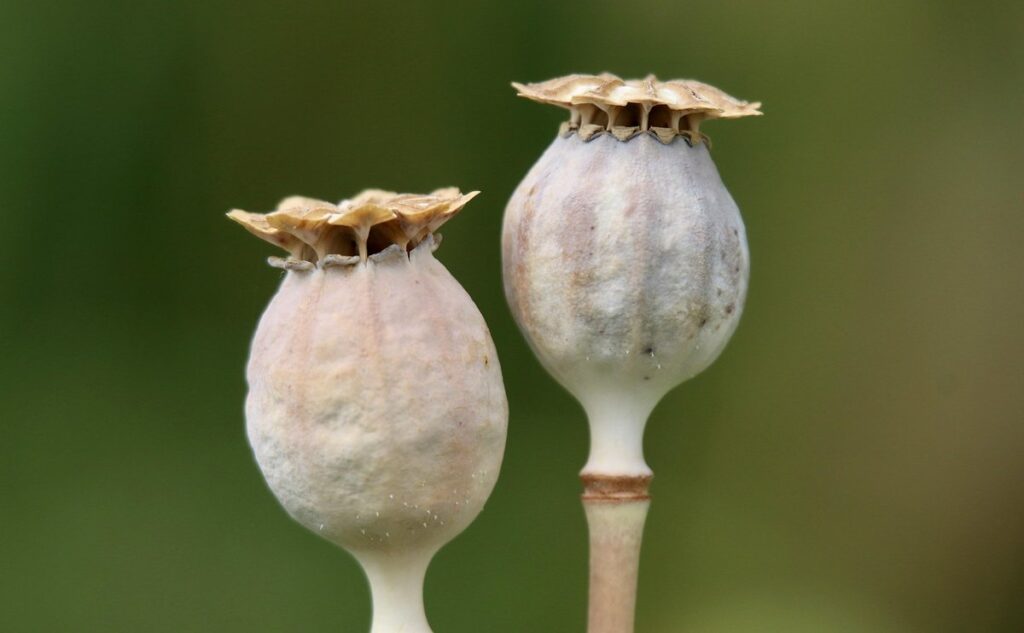
Understanding Scarification
Scarification is a crucial step in the scarification seeds process, allowing for proper water absorption and germination. In this section, we’ll break down the basics of scarification.
What is Scarification?
Scarring seeds is a process that involves using various techniques to manually weaken the seed coat, allowing water and nutrients to penetrate more easily. This method mimics natural environmental conditions, such as bird pecking or insect nibbling, which can help break down seed dormancy.
The primary purpose of scarification is to improve germination rates by increasing the seed’s ability to absorb moisture and initiate growth. By weakening the seed coat, you’re creating a pathway for essential resources to reach the embryo, thereby reducing seed mortality due to inadequate water or nutrient absorption. This process can be especially beneficial for seeds with thick or hard coats, such as those from tropical plants.
By incorporating scarification into your seed starting routine, you can enjoy higher success rates and shorter germination periods. For example, some studies have shown that scarified seeds can exhibit a 20-50% increase in germination rates compared to unscarified counterparts.
Importance of Timing
When it comes to scarification, timing is everything. Different types of seeds require varying levels of scarification, which can significantly impact germination times. For example, hard-shelled seeds like those from the genus Caesalpinia may need more aggressive scarification methods, such as heat or chemical treatment, while softer-shelled seeds like those from the genus Petunia may only require a light scratch.
To understand why timing is crucial, consider this: if you apply too little scarification to a seed that needs it, germination rates may be low. Conversely, applying too much scarification can damage the seed embryo and prevent germination altogether. By paying attention to the specific requirements of your seeds and adjusting your scarification techniques accordingly, you can significantly improve your chances of successful germination.
As a general rule of thumb, start with light scarification methods for softer-shelled seeds and gradually increase intensity as needed. For example, if a seed doesn’t show signs of sprouting after 2-3 weeks, it may be necessary to move on to more aggressive treatments like heat or chemicals. Remember that every seed is unique, so observe your seeds closely and adjust your scarification techniques accordingly.
Methods for Scarifying Seeds
To successfully scarify seeds, you’ll need to choose a method that works best for the type of seed you’re working with, and we’ve got three methods to explore.
Chemical Scarification
Chemical scarification is a gentle yet effective method for breaking down seed coats and facilitating germination. This approach uses household items like vinegar or bleach to weaken the seed coat’s natural defense mechanisms.
To use vinegar for chemical scarification, start by mixing 1 tablespoon of white vinegar with 2 tablespoons of water. Dip the seed into this solution and let it soak for about an hour. The acid in the vinegar will break down the seed coat, making it easier for water to penetrate.
Alternatively, you can use bleach as a scarification agent. Mix 1 part bleach with 10 parts water and dip the seed into the solution for about 5 minutes. However, be cautious when using bleach, as excessive exposure can damage the embryo.
When choosing between vinegar and bleach, keep in mind that some seeds are more sensitive than others. Experiment with both methods on a small batch of seeds to determine which works best for your specific type of seed.
Mechanical Scarification
Mechanical scarification is a method that uses tools to create scratches on the seed coat, mimicking natural processes like weathering and wear. This technique can be particularly useful for seeds with thick or hard coats. One of the most common tools used for mechanical scarification is sandpaper – choose a fine-grit paper (220-320) for delicate seeds or coarser grits (80-120) for tougher coats.
Another option is to use nail files, which are gentler on the seed coat and can be adjusted to various levels of coarseness. Specialized seed scufflers are also available, designed specifically for this purpose – these tools typically feature interchangeable blades and ergonomic handles for comfortable use.
When using any tool, it’s essential to apply gentle pressure, working in one direction only to avoid damaging the underlying embryo. This process should be repeated until you see a clear scratch or slight indentation on the seed coat. Be cautious not to over-scarify, as this can harm the delicate tissues within.
Heat Treatment
Heat treatment is another effective method for scarifying seeds. This process involves exposing the seed coat to high temperatures to break down its hard exterior and stimulate germination. The success of heat treatment largely depends on the temperature and duration used.
Typically, seeds are soaked in water at a specific temperature between 90°F to 110°F (32°C to 43°C) for several hours or overnight. For example, some studies have shown that soaking pepper seeds in boiling water for 10 minutes can increase germination rates by up to 50%. However, it’s essential to note that excessive heat can damage the seed embryo and hinder germination.
The ideal temperature range varies depending on the type of seed being scarified. Generally, temperatures above 100°F (38°C) are more effective for seeds with hard coats like beans or peas. On the other hand, lower temperatures between 90°F to 95°F (32°C to 35°C) work better for delicate seeds such as orchids or cacti.
When using heat treatment, it’s crucial to monitor the temperature and duration closely to avoid over-exposure, which can lead to reduced germination rates.
Preparing Seeds for Scarification
Now that you’ve collected and cleaned your seeds, it’s time to prepare them for scarification, a crucial step in encouraging germination. In this next part of our guide, we’ll walk through preparation specifics.
Selecting Suitable Seeds
When it comes to scarification seeds, not all types of seeds require this process. However, some seeds have hard outer coats or thick seed coats that need to be broken down for germination to occur. These types of seeds are often referred to as “hard-seeded” species.
Seeds with hard outer coats include those from the legume family, such as beans and peas. These seeds have a tough, impermeable coat that prevents water from penetrating, making it difficult for the seed to germinate. Similarly, seeds like apricot pits and cherry stones also require scarification due to their thick seed coats.
If you’re unsure whether your seeds require scarification, check the seed package or consult with a gardening expert. Keep in mind that some seeds can be quite delicate and may not benefit from scarification. For example, tiny seeds like those from African violets or begonias are usually too small to require scarification.
To determine if your seeds need scarification, gently scratch the surface with a nail file or sandpaper to see if it’s penetrated easily. If not, proceed with scarification techniques outlined in this guide to help break down the seed coat and facilitate germination.
Cleaning and Soaking
Before you start scarifying your seeds, it’s essential to clean and soak them first. This step may seem insignificant, but trust us, it makes a significant difference in the effectiveness of the scarification process.
Cleaning removes dirt, debris, and excess moisture from the seed surface, which can hinder scarification. Think of it like preparing a canvas for painting – you need a smooth, clean surface to achieve the desired result. Use a soft-bristled brush or a small toothbrush to gently remove any visible debris. For seeds with particularly stubborn dirt or old seed coats, soak them in warm water (around 90°F to 100°F) for about an hour before cleaning.
Soaking also helps to soften the seed coat, making it easier to scarify. This is especially important for hard-seeded plants like beans and peas. Soak the seeds in a cup of water or a specialized soaking solution, changing the water several times to prevent bacterial growth. A general rule of thumb is to soak seeds for 24 hours, but this can vary depending on the specific seed type and its level of hardness. The longer you soak, the softer the seed coat will become, making it more receptive to scarification.
Applying Scarification Techniques
Now that you’ve learned about scarification methods, it’s time to put them into practice: this section will walk you through applying scarification techniques for optimal results.
Chemical Treatment Applications
Chemical treatments can be used to enhance the effectiveness of scarification techniques. One common chemical treatment is sulfuric acid (H2SO4), which helps break down seed coats and increase water absorption. To apply sulfuric acid, mix 1-3% concentration with distilled water, and soak the seeds for 10-30 minutes. However, be cautious not to over-soak, as this can damage the embryo.
Another chemical treatment is vinegar (acetic acid), which can help soften seed coats and improve germination rates. Mix equal parts of white vinegar and water, and soak the seeds for 24-48 hours. After soaking, rinse the seeds thoroughly with distilled water to remove any residual acidity.
It’s essential to follow proper safety precautions when using chemical treatments. Wear protective gloves, goggles, and work in a well-ventilated area to avoid exposure to fumes or skin irritation. Always use diluted concentrations and follow recommended soaking times to avoid damaging the seed embryo.
Mechanical Methods for Different Seed Types
When working with different seed types, it’s essential to understand that not all seeds respond well to mechanical scarification methods. Some seeds are more delicate and require a gentler approach, while others may be too hard or woody to be effectively treated using traditional scarification techniques.
For example, seeds like those from the nightshade family (e.g., tomatoes, peppers) have a relatively thin seed coat that can be easily punctured with a needle. However, seeds like those from the legume family (e.g., beans, peas), which have a harder seed coat, may require more aggressive mechanical scarification methods.
In general, smaller seeds tend to respond better to mechanical scarification than larger ones. As an example, mustard seeds can be easily punctured with a needle, whereas large seeds like those from the sunflower or pumpkin family are often too hard and woody for this type of treatment.
When working with different seed types, consider starting with lighter mechanical methods such as pinching or scratching to avoid damaging the embryo.
Post-Scarification Care
Now that you’ve successfully scarified your seeds, it’s essential to provide them with the right care to maximize their germination rate and overall health. This next step is crucial for a healthy seedling.
Aftercare Instructions
After you’ve successfully scarified your seeds, it’s essential to provide them with the right conditions to germinate. Maintaining optimal temperatures and moisture levels is crucial for successful seed germination.
Temperature plays a significant role in seed germination. Most seeds prefer warmer temperatures between 65°F to 75°F (18°C to 24°C) for optimal germination. However, some seeds can tolerate cooler or even warmer temperatures depending on the specific species. For example, orchid seeds typically require a slightly cooler temperature of around 50°F to 60°F (10°C to 15°C).
To maintain the ideal moisture levels, ensure your seeds are kept moist but not waterlogged. Check the soil daily and gently mist it with water if necessary. Avoid getting water on the seed itself as this can cause rot. A general rule of thumb is to keep the soil consistently moist during the first few weeks after scarification.
Keep in mind that each species may have specific temperature and moisture requirements, so be sure to research these specifics for your particular seeds.
Troubleshooting Common Issues
Reduced germination rates or seedling abnormalities can be frustrating after investing time and effort into scarification. One common issue is seed rot, which occurs when the softened seed coat becomes too moist and fungal growth starts to thrive. To prevent this, ensure the scarified seeds are dry and not waterlogged, especially during storage and sowing.
If you notice reduced germination rates, it’s essential to inspect your scarification process for potential errors. Double-check that you’ve applied sufficient abrasion or chemical treatment without overdoing it, which can damage the embryo inside. Verify that the seed coat has been properly softened and is free of cracks or crevices where moisture could seep in.
Additionally, monitor your seeds’ environment after sowing. Provide adequate light, temperature, and humidity levels to support healthy germination. Keep an eye out for signs of disease or pests, which can further hinder seedling development. By being attentive to these factors, you can troubleshoot common issues and optimize your scarification success rates.
Conclusion
Now that you’ve successfully completed the scarification process for your seeds, it’s essential to remember a few key takeaways. First, patience is crucial; allowing the seed coat to break down can be a slow and sometimes frustrating process. However, with persistence and gentle care, you’ll eventually see results. To avoid re-scarifying seeds that may not have broken through yet, gently check on them periodically without disturbing the surrounding area.
It’s also vital to maintain consistent temperatures and moisture levels during this time. As your seeds begin to sprout, gradually introduce more light, but ensure it’s still gentle and controlled to prevent shocking the young seedlings. By following these guidelines and practicing good scarification techniques, you’ll be well on your way to successfully germinating even the most challenging seeds.
Frequently Asked Questions
Can I scarify seeds that are already showing signs of germination?
No, it’s best to avoid scarifying seeds that have already begun to sprout, as this can cause damage to the developing root system. Scarification is most effective when applied to dormant seeds.
What type of tools should I use for mechanical scarification?
You can use a variety of tools for mechanical scarification, including sandpaper, nail clippers, or even a rock file. The key is to choose a tool that gently scratches the seed coat without causing damage. For example, a fine-grit sandpaper can be used for delicate seeds, while a rock file may be more suitable for larger or thicker-skinned seeds.
How often should I check on my scarified seeds during the germination process?
It’s essential to monitor your scarified seeds regularly, especially in the first week after applying scarification techniques. Check for signs of germination, such as swelling or cracking of the seed coat, and adjust your care routine accordingly.
Can I use a single method for all types of seeds, or do different seeds require specific approaches?
While some basic principles apply across various seed types, it’s crucial to consider each species’ unique characteristics when choosing a scarification method. For example, delicate seeds may benefit from gentle methods like sanding or heat treatment, while thicker-skinned seeds might respond better to more aggressive techniques.
What if I notice reduced germination rates after scarifying my seeds?
Yes, this can be due to over-scarification, which can cause damage to the seed coat and impede water absorption. To minimize this risk, start with light or gentle methods and gradually increase intensity as needed. Also, be sure to provide optimal care conditions for your seeds, including suitable temperature, humidity, and light levels.