
As the winter months approach, many of us worry about our precious herb gardens succumbing to frost damage. The thought of losing all that hard work can be devastating! But fear not, fellow gardeners! With a few simple tips and tricks, you can save your herbs from freeze and keep them thriving all winter long.
In this article, we’ll delve into expert preparation techniques to help your herbs survive the cold weather. We’ll also explore protection methods to shield your plants from harsh frost and discuss revival strategies to revive any damaged or dying herbs. From mulching and covering to pruning and propagation, we’ll cover it all! By following these tips, you’ll be able to enjoy a bountiful harvest of fresh herbs even in the dead of winter.
Understanding Frost Damage to Herbs
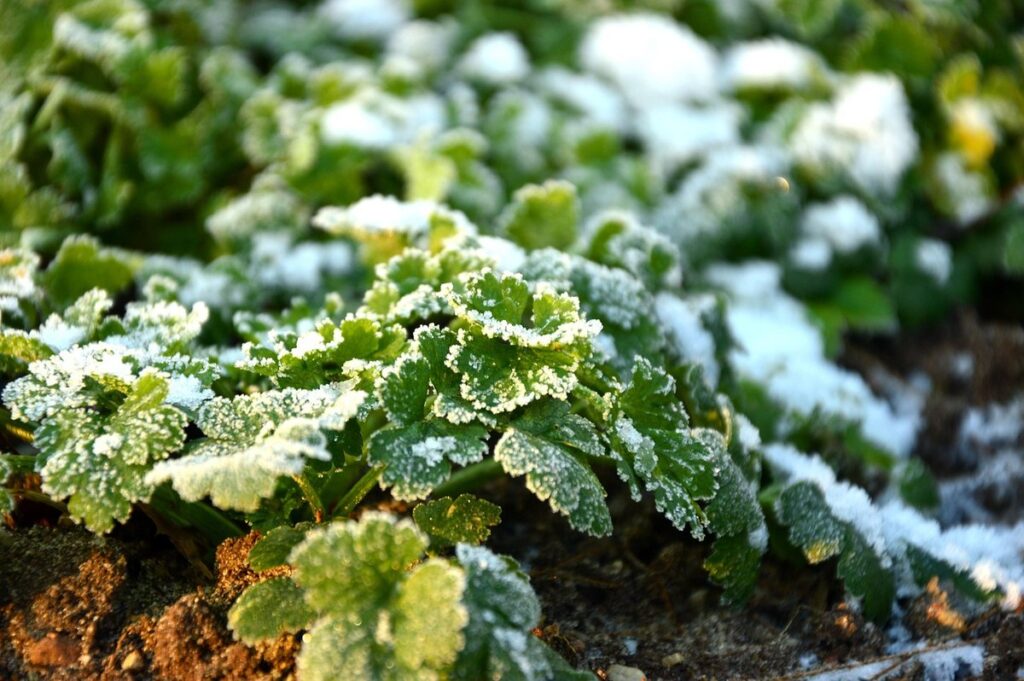
When a hard frost hits, it can be devastating for your herb garden. This section will explore the common signs of frost damage and how to identify which herbs are beyond saving.
Identifying Herb Susceptibility to Frost
Herbs can be notoriously sensitive to frost, and understanding their susceptibility is crucial for saving them from damage. Some herbs, like basil and lemongrass, are particularly vulnerable due to their tropical origins and delicate leaves.
Basil, a popular herb used in many cuisines, cannot tolerate even light frosts. When exposed to temperatures below 32°F (0°C), its leaves turn yellow and wilt, leading to permanent damage. Mint, another frost-sensitive herb, can also suffer significant losses if not protected. Its leaves may initially survive a light frost but will eventually become discolored and brittle.
Lemongrass, often used in Thai and Indian cooking, is equally susceptible to frost. This tender perennial cannot withstand temperatures below 40°F (4°C) without sustaining damage. To save these herbs from frost damage, it’s essential to bring potted plants indoors or cover them with a breathable cloth when frost is predicted.
When selecting herb varieties for your garden, consider frost-hardy options like rosemary and thyme that can tolerate light frosts. By choosing the right herbs for your climate and providing adequate protection during cold snaps, you can enjoy a lush and healthy herb garden year-round.
Recognizing Early Signs of Frost Damage
When you inspect your herb garden after a frost event, it’s essential to recognize the early signs of damage. Discoloration is one of the first indicators, where leaves turn yellow or brown and may drop prematurely. This discoloration can be more pronounced on certain herbs like basil, rosemary, and thyme.
Wilted leaves are another telltale sign of frost damage. If your herb plants have wilted leaves that don’t perk up when you water them, it’s likely a result of frost. Check for blackened stems or brown tips, as these can be signs of severe cold stress.
To assess the extent of damage, gently touch the affected areas with your fingers. If the skin feels soft and mushy instead of firm, it may indicate that the roots have been damaged by frost. Be cautious not to further stress the plant by handling it excessively or removing dead leaves too aggressively.
Preparing Your Herb Garden for Winter
As winter approaches, it’s essential to prepare your herb garden for the cold temperatures and potential frost that can damage or kill your plants. This section will guide you through the steps to protect your herbs from freeze.
Bringing Herbs Indoors or Under Cover
When winter sets in, it’s not uncommon for herb enthusiasts to wonder what to do with their potted plants. One viable option is to bring them indoors or use cold frames and greenhouses to shield them from frost.
Bringing potted herbs indoors can be a great way to extend their growing season. By doing so, you’ll protect your plants from harsh winter conditions such as freezing temperatures and strong winds. To do this, choose a bright and sunny spot for your herb plants. Most herbs require at least 4-6 hours of direct sunlight daily, so ensure the area receives sufficient light. Keep in mind that some herbs like basil and mint can be quite vigorous and may need pruning regularly to prevent overgrowth.
Another option is using cold frames or greenhouses. These structures provide excellent protection from frost while still allowing for air circulation, which is essential for healthy plant growth. You can also use row covers or frost blankets to cover your plants at night when temperatures drop below freezing.
Mulching and Insulating Herb Beds
Mulching and insulating herb beds is an effective way to retain heat and protect your herbs from frost damage. By creating a barrier between the soil and the cold air, you can significantly reduce the risk of root damage and plant death.
To mulch your herb bed, start by applying a 2-3 inch layer of organic material such as straw, bark chips, or leaves around the base of your plants. You can also use shredded newspaper or grass clippings, but be sure to avoid using mulch that’s too dense or heavy, as it can suffocate the roots.
In addition to mulching, you can also insulate your herb bed by covering it with a frost blanket or tarp during extremely cold nights. This will help retain heat and protect your plants from wind damage. Another option is to use bubble wrap or foam inserts to create a protective layer around individual plants.
Protecting Herbs from Frost with Covers and Blankets
When frost is predicted, quickly grab some breathable covers or blankets to throw over your herb plants for protection. This simple trick can save your herbs from damage and keep them thriving.
Using Row Covers for Small-Scale Protection
When you’re dealing with small areas of herbs, such as individual beds or containers, row covers can be a valuable tool for protection against frost. These lightweight, breathable fabrics allow for air and water exchange while keeping frost and chill off the plants.
Look for row covers specifically designed for gardening, typically made from materials like polyester or nylon. They come in various weights, but for small-scale protection, opt for lighter options that still provide adequate coverage. Simply drape the fabric over the area, securing it with rocks or clips to prevent wind from lifting it off.
To ensure you’re using row covers effectively, place them before the first frost is predicted, ideally a few days in advance. This will give your herbs time to adapt and minimize damage. Be mindful of ventilation; while row covers block frost, they can also trap heat if not properly ventilated, leading to other issues like moisture buildup.
Remember to remove row covers as soon as the threat of frost has passed, allowing for air circulation to prevent fungal diseases and pests that thrive in moist environments.
Creating a DIY Frost Cover for Large Herb Beds
If you have a large herb bed that’s sensitive to frost, creating a DIY frost cover is a simple and effective way to protect it. Start by gathering materials like burlap or old sheets, which are inexpensive and easy to work with. You’ll also need some rope, twine, or wire to secure the cover in place.
To create your frost cover, measure out the dimensions of your herb bed and cut a piece of burlap or fabric to size. Overlap the edges by about 6 inches to ensure complete coverage. Use your chosen securing material to tie the edges down to the frame of your garden bed. You can also weigh down the corners with heavy objects like rocks or bricks.
For larger beds, consider using multiple layers of burlap or fabric for added protection. Secure each layer separately to prevent shifting in the wind. This DIY frost cover is a cost-effective and eco-friendly solution that can be reused year after year. By following these simple steps, you’ll be able to safeguard your herb bed from even the most severe frosts.
Tips for Saving Specific Types of Herbs from Freeze
When a harsh winter storm is forecasted, some herbs are more vulnerable to damage than others. Let’s dive into tips specifically tailored for delicate herbs like basil and rosemary that need extra protection.
Preserving Basil and Other Sensitive Herbs
Preserving sensitive herbs like basil, mint, and lemongrass requires extra care during prolonged periods of cold weather. These delicate plants are prone to damage from frost, making it essential to take preventive measures.
For basil, consider taking cuttings before the first frost. Choose healthy stems with at least two nodes, remove lower leaves, and place them in a glass of water or a propagation tray filled with potting mix. Keep them in a warm location with indirect sunlight until roots develop. Once established, transfer the new plants to individual pots and maintain indoor conditions.
For mint and lemongrass, propagate by division. Dig up the entire plant, gently separate the rhizomes, and replant the divisions in well-draining soil. Water thoroughly and provide adequate light, keeping the area around them frost-free. If possible, bring potted plants indoors to shield from harsh winter conditions.
Monitor weather forecasts closely, taking immediate action when temperatures drop. With a little planning and care, you can enjoy your favorite herbs throughout the year, even during periods of prolonged cold weather.
Protecting Hardy Herbs Like Rosemary and Thyme
Hardy herbs like rosemary and thyme are often thought to be resilient against frost damage. However, prolonged exposure to cold temperatures can still cause them to suffer. To protect these hardy herbs from frost, start by pruning them back before the first frost. Cut back about one-third of the plant’s growth to help it conserve energy and recover more quickly.
If you’re unable to prune your rosemary or thyme before a frost, don’t worry – there are still ways to salvage them. After the frost has passed, inspect the plants for damage and remove any dead or dying branches. This will prevent the spread of disease and encourage new growth. To promote healthy recovery, make sure your hardy herbs receive plenty of sunlight and water.
Some gardeners swear by mulching their rosemary and thyme to protect them from frost. Apply a 2-3 inch layer of organic mulch like straw or wood chips around the base of the plants. This will help insulate the soil and retain moisture, reducing the risk of damage from cold temperatures. With proper care, your hardy herbs should be able to bounce back quickly and continue providing fresh flavor all season long.
Reviving Frosted Herb Plants
If you’ve caught a frost and your herb plants are looking a bit worse for wear, don’t worry – we’ll show you how to revive them. With some TLC, they can bounce back in no time!
Assessing Frost Damage and Pruning Damaged Leaves
Assessing Frost Damage and Pruning Damaged Leaves is crucial to promote healthy regrowth. Start by examining your herb plants carefully for signs of frost damage. Look out for yellowed or wilted leaves, brown edges, and blackened tips. These symptoms indicate that the plant’s tissues have been damaged due to freezing temperatures.
To assess the extent of the damage, gently touch the affected areas with your fingers. If they feel soft or mushy, it’s likely that the damage is severe. However, if they still have some firmness, there might be a chance for recovery. Remove all severely damaged leaves and stems as they will only continue to spread disease and attract pests.
Prune back the remaining healthy growth by about one-third to encourage new shoots to grow from the base of the plant. This will also help prevent fungal diseases that can develop in waterlogged leaves. Use clean, sharp tools to make precise cuts just above a node – this will aid in regrowth. Regular monitoring and maintenance will be essential to ensure your herb plants recover from frost damage successfully.
Using Natural Remedies to Promote Healing
When your frosted herb plants are recovering, it’s essential to promote healing and prevent disease using natural remedies. One of the most effective ways to do this is by using neem oil. Mix a few drops of neem oil with water according to the label instructions, and spray it on the affected areas of your plant. Neem oil has antimicrobial properties that help fight off fungal diseases and pests.
Another excellent remedy is garlic spray. Garlic contains sulfur compounds that have antifungal and antibacterial properties, making it an effective natural fungicide. To make a garlic spray, blend minced garlic with water and let it sit for 24 hours before straining the mixture. Spray this solution on your recovering plants to promote healing and prevent disease.
Compost tea is also a valuable natural remedy for promoting plant health. This liquid fertilizer contains beneficial microbes that help fortify your plant’s immune system, making it more resistant to diseases. To make compost tea, steep a bucket of active compost in water for 24 hours before straining the liquid and using it as a foliar spray on your recovering plants.
By incorporating these natural remedies into your care routine, you can significantly reduce the risk of disease and promote healthy growth in your recovering herb plants.
Conclusion: Effective Strategies for Saving Your Herbs from Freeze
In conclusion, saving your herbs from freeze requires a combination of planning, preparation, and quick action. By understanding the signs of frost and taking proactive measures such as covering plants, bringing potted herbs indoors, or using row covers, you can significantly reduce damage to your herb garden. It’s also essential to choose cold-hardy herb varieties that can tolerate light frosts. For example, hardy herbs like rosemary, thyme, and oregano are more resilient than delicate ones like basil and mint. By implementing these effective strategies and being prepared for unexpected freezes, you can enjoy a bountiful harvest of fresh herbs throughout the growing season.
Frequently Asked Questions
Can I save my herbs from freeze if I don’t have a greenhouse or covered area?
Yes, you can still protect your herbs from frost damage by bringing potted plants indoors or using row covers to create a mini-greenhouse effect over individual beds. This will help shield delicate leaves and stems from harsh weather conditions.
How often should I inspect my herb garden for signs of frost damage after a hard freeze?
After a severe frost, it’s essential to monitor your herb garden closely for any signs of damage or stress. Check for wilting, yellowing leaves, or browned stems at least once a day for the next week. This will allow you to identify and address potential issues promptly.
What types of mulch work best for insulating herb beds against frost?
Organic mulches like straw, bark chips, or pine needles are excellent choices for protecting herb roots from freezing temperatures. These materials help regulate soil temperature, retain moisture, and suppress weeds that can compete with your herbs during the winter months.
Can I propagate cuttings from damaged or dying herbs to save them?
Yes, many herbs can be propagated using stem or leaf cuttings taken from healthy sections of the plant. This technique allows you to create new plants from existing stock, ensuring a continuous supply of fresh herbs even if some plants are damaged beyond repair.
How do I revive severely frosted herb plants with extensive damage?
Reviving severely damaged herbs requires patience and attention to detail. Begin by pruning away any dead or dying foliage, followed by repotting the plant in fresh, well-draining soil. Next, provide optimal growing conditions, including sufficient light, water, and fertilization. Monitor your plant’s progress closely, and be prepared to make further adjustments as needed.