
As a gardener, you’re probably no stranger to the joy of watching your homegrown squash plants flourish. But have you ever thought about preserving that harvest for future seasons? Saving squash seeds is not only a great way to extend the life of your garden, but it also allows you to experiment with new varieties and share with friends. However, saving seeds can be a bit tricky if you don’t know where to start. In this step-by-step guide, we’ll walk you through the process of selecting, harvesting, storing, and growing healthy plants from saved squash seeds. Whether you’re a seasoned gardener or just starting out, our tips will help you successfully save your squash seeds and enjoy a bountiful harvest year after year.
The Importance of Saving Squash Seeds
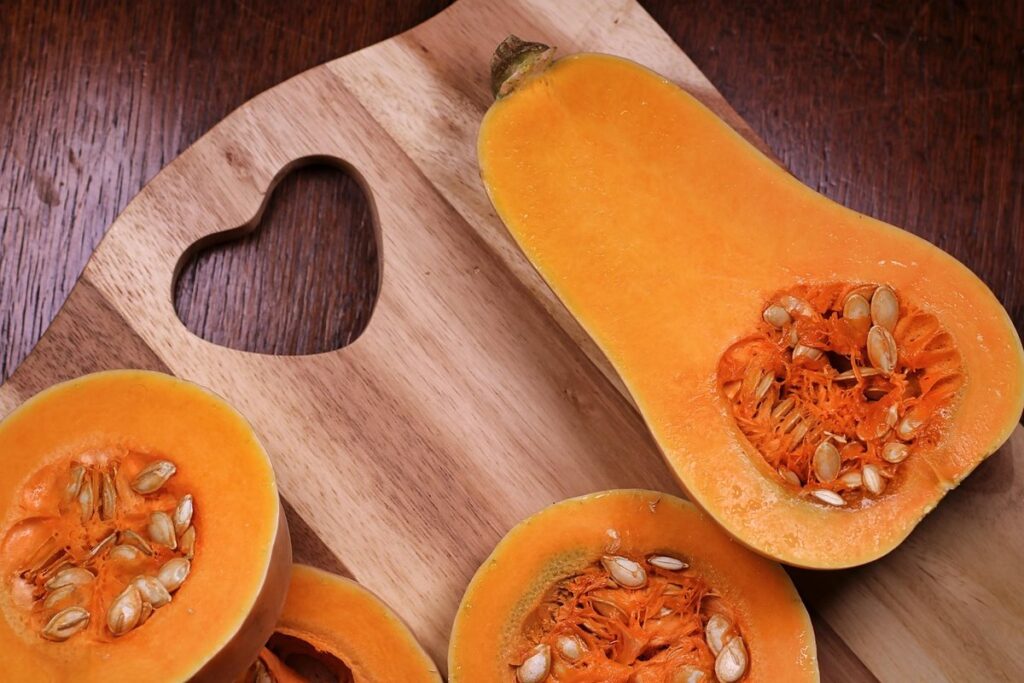
Saving squash seeds is a simple yet crucial step in gardening, and understanding why it’s essential will help you make the most out of your harvest. Let’s explore the importance of preserving those precious seeds.
Benefits of Saving Your Own Seed
When you save your own squash seeds, you open up a world of benefits that extend far beyond just saving money. By reusing your own seed, you can significantly reduce the financial burden associated with purchasing new seed every year. This cost-effectiveness is especially important for gardeners on a tight budget or those who want to experiment with different varieties without breaking the bank.
But saving your own squash seeds also has a profound impact on the genetic diversity of your crops. When you save seed from year to year, you preserve the unique characteristics and traits that have developed in your specific variety over time. This means that your squash will be more resilient, adaptable, and better suited to your local climate and soil conditions.
In fact, studies have shown that heirloom varieties can retain up to 80% of their genetic diversity after just a few generations, making them ideal candidates for saving and reusing. By doing so, you’re not only ensuring the long-term health of your crops but also preserving a piece of history and heritage in the process.
To get started, simply set aside some of your best squash from each harvest and let them mature on the vine. Once they’ve dried out completely, remove the seeds and store them in an airtight container for later use.
Challenges Faced by Commercial Seed Companies
Commercial seed companies have undergone significant changes in recent years, and this shift has made it increasingly challenging to find reliable sources for squash seeds. As a result, many gardeners are left scrambling to locate heirloom varieties and non-hybrid seeds that meet their specific needs.
One of the primary concerns is the focus on hybrid seeds by commercial seed companies. While hybrids can offer improved yields and resistance to certain diseases, they often come at the cost of reduced genetic diversity. This means that if you’re looking for a particular heirloom variety or want to preserve open-pollinated traits, you may be out of luck. Take, for example, the case of the beloved ‘Zabi’ squash. Although it was once widely available from commercial seed companies, it’s now nearly impossible to find due to its hybrid nature.
If you’re struggling to locate reliable sources for squash seeds, consider exploring alternative options such as local nurseries, specialty seed stores, or online marketplaces that cater specifically to heirloom and non-hybrid enthusiasts.
Understanding Squash Variety Selection
When selecting squash varieties for saving seeds, it’s essential to consider factors that will ensure healthy and diverse seed stock for future harvests. Choosing the right variety makes all the difference in successful seed saving.
Choosing the Right Squash Varieties for Saving Seeds
When choosing squash varieties for saving seeds, it’s essential to select types that are known to produce viable seed. Some popular varieties for seed saving include ‘Crookneck’, ‘Straightneck’, and ‘Acorn’. These types tend to have fewer issues with cross-pollination and are more likely to produce true-to-type seed.
When selecting squash varieties, consider those that have been bred specifically for their ability to retain seed quality. Look for heirloom or open-pollinated varieties, as these will be less prone to hybridization and more likely to produce consistent results. ‘Zabi’, a Russian heirloom variety, is an excellent example of a type that can be saved for future plantings.
When growing squash specifically for seed production, ensure the plants are isolated from other squash varieties to minimize cross-pollination. This can be achieved by using row covers or physical barriers to prevent pollinators from transferring pollen between plants.
Common Mistakes to Avoid When Selecting Squash Varieties
When selecting squash varieties for seed saving, it’s easy to make mistakes that can impact the quality and quantity of seeds you harvest. One common error is choosing varieties with too many days to maturity. This might seem like a minor detail, but it can significantly affect your ability to save seeds. For example, some heirloom squash varieties can take up to 120 days or more to mature, which can push the harvest season beyond what’s feasible for most gardeners.
Another mistake is selecting varieties that are too sensitive to disease or pests, as these will be more challenging to preserve and store. Furthermore, choosing varieties with complex or unusual growth habits can make seed saving more complicated than it needs to be. To avoid these common pitfalls, focus on selecting open-pollinated or heirloom varieties that have a proven track record of success in your region. Be sure to read seed catalogs carefully and research the specific growing requirements for each variety before making a final selection. This will help ensure you choose squash varieties that are well-suited for seed saving and produce high-quality seeds.
Seed Saving Techniques for Beginners
To successfully save your squash seeds, it’s essential to understand the process of seed saving and how to do it correctly, starting with proper seed selection. Let’s dive into some beginner-friendly techniques for successful seed saving!
Preparing the Plant for Seed Harvest
Now that your squash plants have reached maturity and you’ve selected the healthiest fruits for seed saving, it’s time to prepare the plant for seed harvesting. Timing is crucial here – you want to pick seeds when they’re dry and ripe, but still attached to the vine. In general, this happens around 100 to 120 days after sowing, depending on the squash variety.
To ensure you harvest seeds at the right stage, monitor your plants closely over the next few weeks. Check the skin of the fruit – it should be hard, dry, and free of any soft spots or mold. The stem end will also turn yellow or brown, signaling that the seeds are mature and ready to be picked.
Pruning is another essential step in preparing the plant for seed harvesting. Remove any weak or diseased vines, as these can harbor diseases that might affect your saved seeds. Leave only the strongest, healthiest vines intact, and trim them back to about 6-8 inches from the soil surface. This will help direct energy towards the remaining fruit and ensure optimal seed development.
Methods for Collecting Squash Seeds
When it comes to collecting squash seeds, you have several methods at your disposal. One of the most effective ways is through hand-pollination. This technique involves transferring pollen from one flower to another to ensure proper seed development. To do this, use a small brush or cotton swab to gently pick up pollen from the anther (the pollen-producing part) of a male flower and then apply it to the stigma (the pollen-receiving part) of a female flower.
Another option is to cover your squash flowers with bags or paper bags to protect them from pests and promote seed set. This method is particularly useful for smaller varieties where cross-pollination may be limited. Place the bag over the blossom when it opens in the morning, securing it with a twist tie or string. Leave the bag on for about 10-14 days to allow the seeds to mature. Be sure to check the seeds regularly and remove the bags once they’re fully dry.
It’s essential to note that both methods require careful attention to timing. For hand-pollination, you’ll want to transfer pollen when the anther is fully developed but before it starts to release pollen naturally. With bagging, make sure to leave enough time for seeds to mature after removing the covers.
Storing and Saving Squash Seeds
Now that you’ve harvested your squash, it’s time to store those precious seeds for next season. Let’s dive into the best ways to keep them fresh and viable.
Drying and Cleaning Squash Seeds
Drying squash seeds thoroughly is crucial before storing them to prevent mold and mildew from developing. To dry your squash seeds, spread them out on a paper towel or cloth, ensuring they’re not touching each other. Allow the seeds to air dry for 7-10 days in a warm, well-ventilated area. You can also use a food dehydrator set at its lowest temperature setting to speed up the process.
After drying, it’s essential to clean your squash seeds to remove any debris or impurities that may be present. To do this, rinse the seeds gently with water, then soak them in a bowl of 3% bleach solution for about an hour. This will help kill any bacteria or fungi that might be lurking on the seeds. After soaking, drain the seeds and let them air dry again for a few hours before storing.
Once your squash seeds are clean and dry, you can store them in an airtight container to preserve their viability for future plantings.
Methods for Long-Term Seed Storage
Proper long-term storage of squash seeds is crucial for maintaining their viability. There are several methods to consider, each with its own advantages.
One effective method involves storing seeds in airtight containers. Glass jars with tight-fitting lids or Mylar bags can be used, as these prevent moisture and light from reaching the seeds. This type of storage works particularly well when combined with silica gel packets or desiccants, which absorb excess humidity.
Another option is refrigeration. Placing seeds in an envelope or bag and storing them in a sealed container within the refrigerator will slow down their metabolic processes, preserving viability for several months. However, temperatures above 40°F (4°C) can accelerate seed degradation.
In addition to these methods, some growers prefer using vacuum-seal containers with oxygen absorbers. These provide an even more airtight environment than standard storage options, reducing the risk of moisture and light damage.
Regardless of the chosen method, it’s essential to keep seeds in a cool, dark place to maintain their viability. By taking steps to preserve your squash seeds correctly, you’ll be able to enjoy a bountiful harvest year after year.
Using Saved Squash Seeds in Your Garden
Now that you have a stash of saved squash seeds, it’s time to put them to good use – let’s explore some creative ways to incorporate them into your garden.
Factors Affecting Seed Viability
When storing saved squash seeds, it’s essential to understand that their viability can be affected by several factors. Storage conditions and moisture levels play a significant role in maintaining the health and potency of your seeds.
Proper storage involves keeping seeds away from direct sunlight, heat sources, and humid environments. Exposure to light can cause photodegradation, reducing seed viability. Similarly, extreme temperatures can damage or kill seeds. Store your seeds in an area with a consistent temperature between 40°F to 70°F (4°C to 21°C).
Moisture levels also impact seed viability. Seeds are sensitive to humidity and can become damaged if exposed to high moisture levels for extended periods. To maintain the right moisture balance, store seeds in an airtight container filled with silica gel or desiccant packets. Check on your seeds periodically to ensure they remain dry.
When storing saved squash seeds, it’s crucial to monitor both temperature and humidity levels to preserve their viability.
Tips for Growing Healthy Plants from Saved Seeds
When growing healthy squash plants from saved seeds, it’s essential to start with a solid foundation. Soil preparation is key, as squash plants require well-draining, fertile soil rich in organic matter. Test your soil pH and adjust it if necessary, aiming for a slightly acidic to neutral range (around 6.0-7.0). Add compost or well-rotted manure to improve soil structure and fertility.
For optimal growth, provide your squash plants with a balanced fertilizer, such as a 10-10-10 NPK formula. You can also use fish emulsion or bone meal for added nutrients. Be sure to follow the manufacturer’s instructions and apply the fertilizer according to the plant’s specific needs at different stages of development.
Some additional tips to keep in mind: start seeds indoors about 2-3 weeks before transplanting them outside, where temperatures are consistently above 60°F (15°C). Provide adequate spacing between plants, usually around 3-5 feet apart, and ensure good air circulation to prevent disease. By following these guidelines, you’ll be well on your way to growing healthy, thriving squash plants from saved seeds in your garden.
Troubleshooting Common Issues with Squash Seed Saving
Sometimes, squash seed saving can be frustrating due to issues like low germination rates or poor seed quality. Let’s tackle these common problems together in this next section.
Identifying Potential Problems
When saving squash seeds, it’s essential to be aware of potential problems that can arise during the process. One common issue is seed rot, which occurs when seeds absorb too much moisture and start to break down. This can happen if you collect seeds from wet or humid environments or store them in conditions with poor ventilation.
To avoid seed rot, make sure to dry your collected seeds thoroughly before storing them. You can achieve this by spreading the seeds out on a paper towel or cloth, allowing air to circulate around each seed. Another crucial aspect is monitoring the storage conditions; keep your seeds away from direct sunlight and moisture.
Poor germination rates are another concern when saving squash seeds. This may be due to several factors, including poor seed quality or inadequate storage conditions. Regularly inspect your stored seeds for any signs of spoilage or damage. If you notice any issues, it’s best to discard the affected seeds to prevent contamination and ensure a healthy crop in future harvests.
Inadequate drying or poor storage can also lead to mold growth on squash seeds. To minimize this risk, store your seeds in an airtight container, away from direct heat sources and moisture. Check on your stored seeds regularly to catch any signs of mold before they spread.
Solutions to Common Seed Saving Challenges
Squash seed saving can be a rewarding experience, but it’s not without its challenges. One of the most common issues is dealing with seeds that don’t produce viable offspring, also known as low germination rates. To overcome this challenge, make sure to store seeds in an airtight container to maintain their viability.
Another common issue is seed rot and mold, often caused by high humidity or poor storage conditions. To prevent this, ensure your containers are dry and free from moisture before storing the seeds. You can also use silica gel packets or activated charcoal to absorb excess moisture.
In addition, some squash varieties may have a natural tendency towards hybrid vigor, making it difficult to save true-to-type seeds. In these cases, consider saving seed from multiple plants within a small area of your garden to increase genetic diversity and improve chances of getting viable seeds.
By implementing these solutions, you can overcome common challenges associated with saving squash seeds and preserve the health and diversity of your harvest for future seasons.
Frequently Asked Questions
Can I save seeds from hybrid squash varieties?
No, it’s not recommended to save seeds from hybrid squash varieties as they often don’t produce true-to-type offspring. Hybrid seeds are bred for specific characteristics, but their genetic makeup can be unstable when saved and replanted.
How do I know if my stored squash seeds are still viable?
Check the seed’s moisture level by storing them in an airtight container with a desiccant like silica gel or uncooked rice. If the seeds remain dry, they should remain viable for several years. However, it’s essential to periodically check seed viability through germination tests.
What if I accidentally save squash seeds from a diseased plant?
If you’ve saved seeds from a diseased plant, discard them immediately to prevent the spread of disease. When selecting healthy plants for seed saving, look for robust growth, vibrant foliage, and no signs of pests or diseases.
Can I use squash seeds that have been stored for more than five years?
While some squash varieties can remain viable for up to 10-15 years when stored properly, it’s essential to check seed viability through germination tests. Old seeds might not produce a high percentage of healthy plants, so be prepared for potential results.
How do I handle squash seeds that have been exposed to extreme temperatures?
If you’ve saved seeds from an area with extreme temperature fluctuations, consider storing them in a cooler environment (around 40°F/4°C) to slow down metabolic processes. Check seed viability before planting to ensure the best results.