
Saving cucumber seeds is one of the simplest ways to enjoy long-term cost savings in your garden. Not only does it allow you to grow the same variety year after year, but it also increases crop diversity and reduces reliance on store-bought seeds. By extracting and storing your own saved seeds, you can take control of your gardening costs and have more flexibility when planning future harvests. In this article, we’ll walk you through the steps for saving cucumber seeds – from selecting the best fruits to extract the seeds from, to properly drying and storing them for optimal viability. We’ll also cover how to sow saved seeds in your garden, ensuring a healthy start for your next crop. With these simple techniques, you can enjoy the benefits of homegrown seed saving.
Why Save Cucumber Seeds?
Saving cucumber seeds is a simple yet effective way to preserve your favorite varieties for future harvests, and it’s easier than you think. In this section, we’ll explore the benefits of saving your own cucumber seeds.
Benefits of Saving Cucumber Seeds
Saving cucumber seeds offers numerous benefits for gardeners and farmers alike. One of the most significant advantages is cost savings. By saving seeds from your own harvest, you can avoid purchasing new seeds every season, which can be a considerable expense, especially if you’re growing multiple varieties. According to the USDA, the average cost of seed packets ranges from $2 to $5 per packet, with some specialty or heirloom seeds costing upwards of $10.
Another significant benefit is increased crop diversity. By saving your own seeds, you can preserve and promote unique varieties that may not be available in commercial markets. This not only adds variety to your garden but also helps maintain the genetic integrity of your crops. Seed sovereignty is also a key advantage, as it allows you to control who gets access to your seed stock and ensures that you have a reliable source for future planting.
By saving cucumber seeds, you’re not only reducing expenses but also becoming more self-sufficient in your gardening endeavors.
Preparing for Seed Saving
When preparing to save cucumber seeds, it’s essential to choose varieties that are suitable for seed saving. Not all cucumbers are created equal when it comes to producing viable seeds, and some may not be worth the effort due to their breeding history or growth characteristics.
Look for heirloom or open-pollinated (OP) varieties, as they are bred to produce true-to-type offspring and have a higher chance of success. Some popular options include ‘Slicing’, ‘Pickling’, and ‘Marketmore’. Avoid hybrid varieties, as they often rely on the parent plant’s genetic makeup to thrive.
Before starting the seed saving process, designate a specific area for your operation. This will help prevent cross-pollination with other plants and ensure that you can accurately monitor and manage the growth of your seed crops. Consider setting aside a separate plot or container specifically for seed saving cucumbers, taking care to maintain a safe distance from any potential contamination sources.
It’s also crucial to understand local regulations regarding seed saving. Some areas may have specific rules governing the collection and trade of plant seeds, so be sure to familiarize yourself with local laws and regulations before beginning your seed-saving journey.
Choosing Cucumbers for Seed Saving
When selecting cucumbers for seed saving, consider factors such as variety selection and disease resistance to ensure a healthy harvest of seeds. Choose varieties that are open-pollinated and well-suited to your climate.
Factors to Consider When Selecting Varieties
When selecting varieties for seed saving, there are several key factors to consider. Disease resistance is crucial, as it ensures that the plant can withstand common cucumber diseases such as powdery mildew and downy mildew. Look for varieties with built-in resistance or those that have been bred specifically for their disease-fighting capabilities.
Growth habits are also important to consider. Some cucumbers are vining, while others are compact bush types. If you plan to save seeds from a large crop, a vining variety may be more suitable. However, if space is limited, a compact bush type could be a better choice.
Maturity dates are another critical factor. Choose varieties that mature within your growing season, allowing you to harvest and save seeds before the first frost. Some popular varieties for seed saving include ‘Dill Pickling’, ‘Sour Pickling’, and ‘Marketmore’. These varieties have been bred for their high yields and disease resistance, making them ideal for seed savers.
Understanding Hybrid vs. Heirloom Seeds
When it comes to saving cucumber seeds, understanding the difference between hybrid and heirloom varieties is crucial. Hybrid seeds are bred specifically for their high yield, disease resistance, and uniformity, making them ideal for commercial growers. However, these characteristics can make them less suitable for seed saving purposes.
One of the main drawbacks of hybrid seeds is that they often do not produce offspring with similar traits. This means that even if you save seeds from a hybrid cucumber plant, the resulting plants may not exhibit the same desirable qualities as their parent. In contrast, heirloom varieties are open-pollinated, meaning their seeds can be saved and will consistently produce offspring with similar characteristics.
Heirloom seeds also tend to be more resilient and adaptable to specific growing conditions, making them a better choice for home gardeners who want to save seeds year after year. When selecting cucumber varieties for seed saving, consider choosing heirloom options that have been grown in your area for generations. This will increase the chances of successful seed saving and ensure that you’ll be able to enjoy the same delicious harvests for years to come.
Saving Cucumber Seeds from Your Harvest
Now that you’ve harvested your cucumbers, let’s focus on saving their seeds for future planting. This process is surprisingly simple and only requires a few basic steps to get it right.
Determining Seed Maturity
When it comes to saving cucumber seeds from your harvest, timing is everything. You want to ensure that you’re collecting seeds from fruits that are mature enough for harvesting and seed saving. So, how do you determine when your cucumbers have reached the right stage of maturity?
Start by checking the color and size of the fruit. A ripe cucumber will be fully grown, with a bright green or yellow skin, depending on the variety. If it’s not yet fully mature, it may still be a lighter green or even have white tips on its ends.
Another way to check for maturity is by gently tugging on the fruit. Ripe cucumbers come off the vine easily, while unripe ones will break off instead of separating cleanly from the stem. You can also check the skin for soft spots – ripe cucumbers should be free of any softness or bruises.
Timing-wise, you’ll typically want to harvest your cucumbers about 60-70 days after sowing seeds in warm weather. However, this can vary depending on factors like climate and specific variety. So, it’s essential to check regularly for visual cues to ensure you’re collecting mature fruits that will produce viable seeds.
Extracting Seeds from Mature Fruits
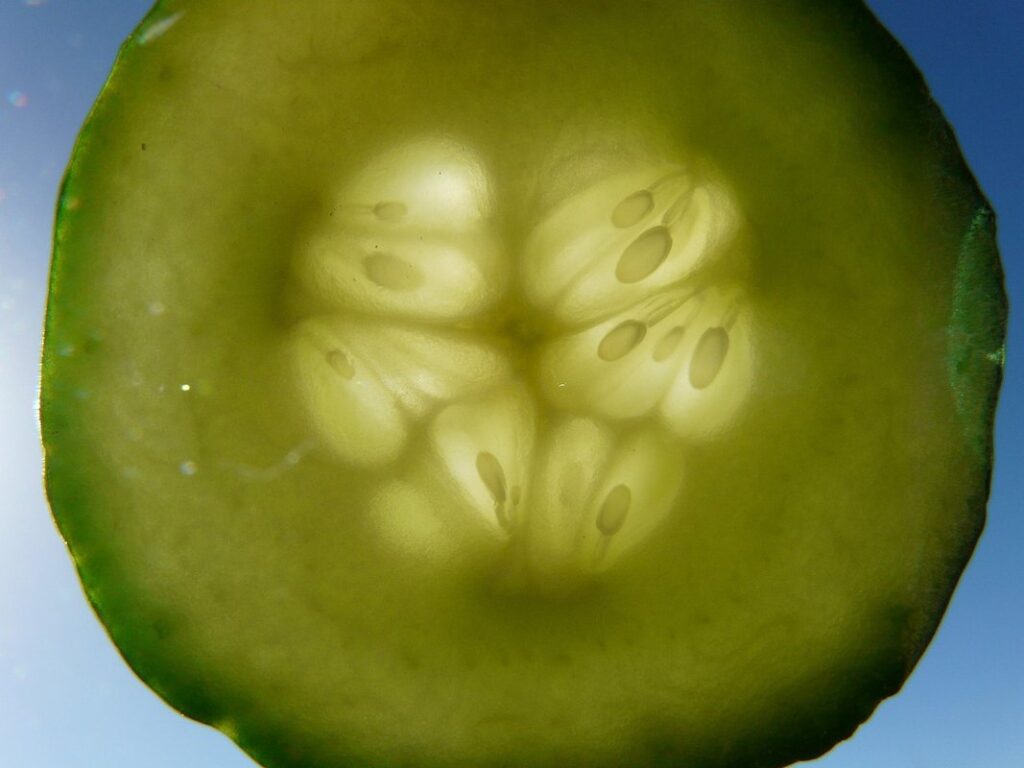
Extracting seeds from mature cucumbers is an essential step in saving them for future planting. To begin, select a healthy, fully ripe cucumber and cut it in half lengthwise. Scoop out the seeds with a spoon, being careful not to damage them. If there are any remaining pulp or stringy bits, gently rinse the seeds under cold water to remove them.
Next, place the seeds on a paper towel-lined plate or tray to air-dry for at least 24 hours. This step is crucial in preventing mold and fungal growth during storage. After the seeds have dried, transfer them to an envelope or airtight container filled with a desiccant like silica gel to maintain a low humidity level.
For long-term storage, it’s essential to keep the seeds cool and dry. Store them in a dark place, such as a cupboard or drawer, at temperatures between 40°F to 70°F (4°C to 21°C). This will help preserve the viability of the seeds for up to five years.
Storing and Preserving Cucumber Seeds
Now that you’ve harvested your cucumber seeds, let’s talk about storing them properly to keep them viable for future planting seasons. Proper storage will help maintain their quality and ensure successful germination.
Proper Seed Storage Methods
Storing cucumber seeds properly is crucial to maintaining their viability and ensuring they remain usable for future planting. When it comes to storing seeds, airtight containers are an excellent option. These containers can be made of glass, plastic, or metal and should be completely sealed to prevent moisture from entering. Paper bags are also a suitable alternative, as long as they are properly labeled and stored in a cool, dry place.
Another popular method is using specialized seed packets. These packets are specifically designed for storing seeds and often have built-in features such as humidity control and oxygen-absorbing materials. When choosing a storage method, it’s essential to maintain proper temperature control, keeping the area between 32°F (0°C) and 50°F (10°C). This range will slow down seed degradation, allowing them to remain viable for an extended period.
It’s also crucial to store seeds in an environment with low humidity. Aim for a relative humidity of around 30% to prevent moisture from seeping into the storage container and causing damage to the seeds. Regularly check on stored seeds and replace any packets or containers that may be compromised, ensuring you have a reliable source of high-quality cucumber seeds for future planting.
Long-Term Seed Preservation Strategies
For serious seed enthusiasts who want to preserve their cucumber seeds for extended periods, advanced techniques can ensure viability and prevent degradation. One such method is freeze-drying, which removes moisture from the seeds, thereby preventing mold growth and preserving genetic integrity. To freeze-dry cucumber seeds, place them in a single layer on a tray and follow your freeze dryer’s instructions.
Another approach involves using vacuum-sealing or silica gel desiccants to maintain a dry environment. Vacuum-sealers can be purchased at most hardware stores and are effective for short-term storage. Simply remove the air from the container using the vacuum pump, and seal it. Silica gel packets can also absorb excess moisture, keeping seeds in an optimal condition. It’s essential to ensure that these containers or pouches remain sealed throughout their intended lifespan.
These methods allow seed savers to extend their cucumber seed preservation from one season to multiple years while maintaining optimal viability rates. Regular checks on the stored seeds are still necessary to prevent long-term damage and ensure a successful harvest when planting.
Regenerating Cucumber Seeds from Year to Year
To successfully regrow cucumber seeds year after year, you’ll need to focus on creating optimal conditions for seed germination and strong plant growth. This section will walk you through the process step by step.
Factors Affecting Seed Viability
When storing cucumber seeds for regrowth, it’s essential to understand the factors that can impact their viability. Temperature fluctuations and moisture exposure are two critical elements to consider.
Extreme temperatures can cause damage to the seed’s embryo, leading to reduced germination rates. For instance, if stored at temperatures below 32°F (0°C), cucumber seeds may become desiccated, while temperatures above 90°F (32°C) can lead to mold growth and contamination. To maintain optimal storage conditions, keep your seeds in an airtight container at room temperature or store them in the refrigerator.
Moisture exposure is another critical factor. Seeds absorb moisture easily, leading to mold growth and fungal infections. When handling cucumber seeds, make sure they’re completely dry before storing them. You can use silica gel packets to maintain a low-humidity environment within your storage container.
Contamination from other sources can also affect seed viability. Ensure the container is clean and dust-free, and avoid exposing the seeds to direct sunlight or strong odors. Regularly inspect your stored cucumber seeds for signs of damage, mold, or pests.
Sowing Saved Seeds in Your Garden
When it’s time to plant the saved cucumber seeds you’ve carefully selected and dried, you’ll want to ensure they get off to a strong start. Begin by preparing the soil in which you’ll be sowing them. Cucumbers prefer well-draining, loose soil with a pH between 6.0 and 7.0. Test your garden’s pH level and amend it if necessary.
Next, sow the seeds about 1 inch deep and 6-8 inches apart in rows that are spaced at least 3 feet apart. This will give them room to grow without overcrowding, which can lead to disease issues. Water gently but thoroughly after planting, making sure not to wash away the seeds or disturb the soil.
During germination, keep the soil consistently moist but not waterlogged. Cucumbers need about a week of warm temperatures (around 70-80°F) to emerge from the soil. Once they’ve sprouted, provide them with full sun and maintain even moisture levels throughout their growth cycle.
Troubleshooting Common Seed Saving Issues
Don’t worry if things don’t go as planned when saving cucumber seeds – we’ll walk you through common issues and how to resolve them. From poor germination to moldy seed pods, we’ve got you covered.
Identifying Causes of Low Germination Rates
Low germination rates can be frustrating for seed savers. It’s essential to investigate potential causes and address them promptly to ensure healthy seedlings. Poor storage conditions are a common culprit. Seeds exposed to high temperatures, humidity, or light can become damaged, reducing their viability. To prevent this, store seeds in an airtight container in the refrigerator at a consistent temperature below 40°F (4°C).
Incorrect sowing techniques can also impact germination rates. Make sure to plant seeds at the correct depth and spacing for your specific cucumber variety. Planting too deeply or too close together can lead to overcrowding, reducing air circulation and increasing moisture that fosters fungal growth.
Contaminated seeds are another potential issue. Check seeds for visible signs of mold, mildew, or pests before planting. If you’re unsure about seed quality, consider starting with a smaller batch to test their viability.
To improve germination rates, try soaking seeds in water overnight before sowing. This can help break down dormancy and stimulate growth. Be sure to handle seeds gently to avoid damaging them during the process.
Managing Pests and Diseases in Your Seed Crop
As you work to save cucumber seeds, it’s essential to be aware of the common pests and diseases that can affect them. Aphids, whiteflies, and spider mites are just a few of the insects that can damage your seed crop. Fungal diseases like powdery mildew and downy mildew can also cause significant harm.
When dealing with pests and diseases, it’s often best to opt for natural control methods whenever possible. For example, introducing beneficial insects like ladybugs or lacewings into your garden can help control aphid populations. Neem oil and garlic spray are also effective at repelling many types of pests.
In addition to these methods, consider implementing integrated pest management (IPM) strategies. This might involve rotating crops, adjusting irrigation schedules, and using row covers to prevent infestations in the first place. By taking a holistic approach to managing pests and diseases, you can reduce the need for chemical controls and create a healthier environment for your seed crop.
It’s also worth noting that some pests and diseases are more prevalent in certain regions or during specific times of the year. Be sure to research the common issues in your area and plan accordingly.
Conclusion
Now that you’ve learned how to save cucumber seeds, it’s time to summarize the key takeaways and make sure you’re ready to put these skills into practice. Let’s review what we’ve covered.
Recap of Key Takeaways
As you conclude your journey through this comprehensive guide on saving cucumber seeds, it’s essential to recap the key takeaways that will ensure a successful seed-saving experience. By following these crucial steps and adopting sustainable gardening practices, you’ll be able to preserve your favorite cucumber varieties for future harvests.
Firstly, selecting the right cucumbers is vital. Choose those with desirable traits such as disease resistance, high yields, or unique flavor profiles. This will not only save you money but also ensure that your saved seeds produce consistent results. Next, understand the different methods of seed extraction – from dry harvesting to wet harvesting and extracting seeds through various techniques.
You’ve learned how to handle the extracted seeds with care, drying them thoroughly to prevent spoilage and maintain viability. Proper storage is equally important; keep your seeds in a cool, dark place away from direct sunlight to preserve their potency. This step-by-step process ensures that your saved seeds remain viable for extended periods, allowing you to enjoy homegrown cucumbers season after season.
Seed saving not only saves you money but also contributes to sustainable gardening practices. By replanting your saved seeds, you’ll be able to maintain heirloom varieties and reduce reliance on commercial seed suppliers. This approach promotes biodiversity in your garden and preserves the genetic integrity of your crops. With these key takeaways in mind, you’re now equipped with the knowledge necessary to successfully save cucumber seeds and enjoy this rewarding gardening practice for years to come.
Frequently Asked Questions
Can I use saved cucumber seeds immediately after storing them?
Yes, you can sow saved cucumber seeds directly from storage as long as they remain viable for the next growing season. However, it’s recommended to test a small batch of seeds before planting your entire crop to ensure optimal germination rates.
How do I know if my stored seeds are still viable?
To determine seed viability, perform a simple germination test by soaking 2-3 seeds in water and monitoring their growth over the next few days. If most seeds sprout within 7-10 days, they’re likely to be viable for planting.
What’s the best way to handle cucumber seeds with low germination rates?
If you experience consistently poor seed germination rates, it may be due to factors like improper storage or old age. Try refreshing your stored seeds by placing them in a paper towel or cloth soaked with water and keeping them in a warm, humid environment for 24-48 hours before replanting.
Can I save cucumber seeds from hybrid varieties?
It’s generally not recommended to save seeds from hybrid cucumbers as they tend to lose their desirable traits when propagated. However, if you’re interested in preserving specific characteristics of a particular hybrid variety, it’s best to consult with the seed supplier or perform further research on the specific needs and limitations.
How do I prevent pests and diseases in my saved cucumber seeds?
To maintain optimal seed health, ensure proper storage conditions (cool, dry, dark) and monitor your stored seeds regularly for signs of infestation or decay. If you notice any issues, take corrective action by treating the affected area or replacing the compromised seeds with fresh ones.