
When it comes to adding some much-needed shade and beauty to your yard, few trees can compete with the sambuca tree. One of its most striking features is the stunning purple leaf that adds a pop of color to any landscape. But what if you have a shady area that’s crying out for a tree that can thrive in low-light conditions?
The good news is that the sambuca tree, with its elegant foliage and ability to provide substantial shade, makes an ideal choice. However, planting and caring for these trees requires some special considerations when they’re not getting plenty of direct sunlight. In this article, we’ll show you how to plant, care for, and prune your sambuca tree in shady conditions, maximizing its beauty and benefits while minimizing potential problems such as overgrowth or disease.
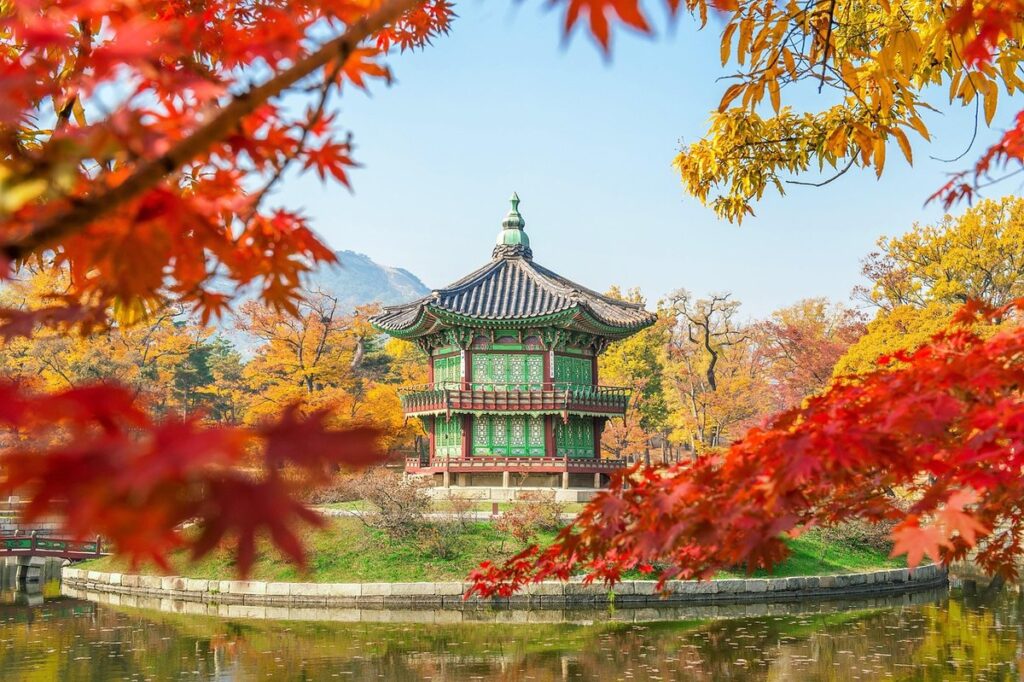
Introduction to the Sambuca Tree
The sambuca tree is a stunning addition to any landscape, and understanding its origins and unique characteristics is key to making it thrive in your shady garden. Let’s take a closer look at what makes this tree so special.
What is the Sambuca Tree?
The sambuca tree, also known as Elaeocarpus ebracteatus, is a stunning evergreen tree that has gained popularity worldwide for its beautiful foliage and ornamental value. Native to the tropical regions of Australia and Southeast Asia, this tree has been cultivated in many parts of the world for its unique purple leaves.
One of the reasons why the sambuca tree has become a favorite among gardeners is its ability to thrive in shady conditions. While most trees struggle to survive with limited sunlight, the sambuca tree can tolerate deep shade and still maintain its vibrant purple foliage. This makes it an ideal choice for landscapers who want to add some color and texture to their shaded areas without breaking the bank.
The sambuca tree’s popularity can be attributed to its attractive leaves, which are a deep reddish-purple color during spring and summer. The leaves then turn a more muted green hue in autumn, providing year-round interest and beauty. Its compact growth habit, typically reaching 10-15 meters tall, also makes it suitable for smaller gardens or urban spaces.
Its adaptability to various climates and soil types has made the sambuca tree a versatile option for gardeners worldwide. However, keep in mind that it does prefer moist but well-draining soil, which is essential for its optimal growth and development.
Benefits of Planting a Sambuca Tree in Your Yard
Planting a Sambuca tree in your yard can bring numerous benefits to both you and your surroundings. One of the primary advantages is the provision of shade, which becomes particularly useful on hot summer days when sunlight can become overwhelming. The Sambuca tree’s sprawling canopy stretches wide enough to cover a significant area, offering you a natural oasis from the scorching heat.
Beyond providing relief from the sun’s intense rays, the Sambuca tree is renowned for its aesthetic appeal. Its purple-leafed branches against a backdrop of lush green foliage create an enchanting visual display that can transform your yard into a serene retreat. Moreover, research has shown that being surrounded by nature, such as in proximity to trees like the Sambuca, can have positive effects on mental health and reduce stress levels.
Some homeowners also appreciate the potential health benefits associated with having a Sambuca tree nearby. Studies suggest that exposure to certain plant compounds found in Sambuca leaves may have antioxidant properties, contributing to overall well-being. By planting one of these trees, you’re not only enhancing your yard’s beauty but possibly enriching your life with its unique advantages.
Choosing the Right Variety for Shady Conditions
When working with a sambuca tree in a shady area, it’s crucial to select a variety that can thrive in low-light conditions and maintain its stunning purple foliage. This section will help you make an informed decision.
Understanding the Sambuca Tree’s Tolerance to Shade
The sambuca tree’s tolerance to shade is a crucial factor to consider when choosing the right variety for your landscape. While some sambuca tree varieties can thrive in full sun, others are more tolerant of shade conditions.
When it comes to the purple-leaf variety, research suggests that it has a moderate to high tolerance for shade. In fact, studies have shown that this variety can survive and even grow well with as little as 30% direct sunlight. However, it’s essential to note that excessive shading can still impact its growth rate and overall health.
To ensure your purple-leaf sambuca tree thrives in shady conditions, choose a location that receives at least 2-3 hours of indirect sunlight daily. Additionally, consider pruning the tree regularly to maintain its shape and promote healthy growth.
By selecting the right variety and providing optimal growing conditions, you can enjoy the beauty of your purple-leaf sambuca tree even in areas with limited direct sunlight.
Factors to Consider When Selecting a Sambuca Tree for Shade
When selecting a Sambuca tree for shade, several factors come into play that can significantly impact its performance. First and foremost, consider the climate where you plan to plant the tree. Sambuca trees thrive in temperate climates with warm summers and mild winters, but they can be sensitive to extreme temperatures. If your region experiences frequent heatwaves or cold snaps, choose a cultivar with a narrower temperature tolerance.
Soil type is another crucial consideration. Sambuca trees prefer well-draining soil that’s rich in organic matter. Avoid planting in areas with heavy clay or waterlogged soils, as this can lead to root rot and other problems. In terms of sunlight patterns, while the tree will tolerate shade, it still requires some direct sunlight to photosynthesize properly.
Assess your yard’s microclimate by observing the sun’s path during different seasons. This will help you determine if the Sambuca tree will receive sufficient indirect light. Also, consider planting companion trees or shrubs that provide filtered shade, allowing your Sambuca tree to benefit from some direct sunlight while still enjoying the benefits of being planted in a shaded area.
Ultimately, it’s essential to research and choose a cultivar that’s specifically bred for shady conditions. This will help ensure your tree receives the right amount of light and develops a strong root system.
Planting and Caring for Your Sambuca Tree in Shade
When planting a sambuca tree in shade, proper care is crucial to ensure its health and beauty. This section will walk you through the process of cultivating your purple-leafed sambuca tree successfully in shady conditions.
Soil Preparation and Planting Techniques
When planting a new Sambuca tree in shade, it’s essential to prepare the soil correctly to ensure optimal growth and development. Start by choosing a location with well-draining soil, as Sambuca trees are sensitive to waterlogged conditions. If your yard has heavy clay or sandy soil, consider amending it with organic matter like compost to improve drainage.
Dig a hole that’s twice as wide and just as deep as the tree’s root ball. Gently remove the tree from its container and place it in the hole, making sure the graft union (if applicable) is above the soil level. Fill in the hole with a mix of soil and organic matter, tamping it down gently to prevent air pockets.
To promote healthy root growth, avoid compacting the soil around the roots. Water the tree thoroughly after planting and keep the soil consistently moist during its first year. Mulch around the base of the tree to retain moisture and suppress weeds, but keep it a few inches away from the trunk to prevent rot. With proper care, your Sambuca tree should thrive in shady conditions.
Watering and Fertilization Needs of a Shaded Sambuca Tree
When it comes to watering and fertilizing your sambuca tree in shaded environments, it’s essential to understand its unique needs. In general, sambuca trees prefer well-draining soil and consistent moisture, but they’re more sensitive to overwatering when grown in shade.
To avoid root rot and other problems, water your sambuca tree deeply once or twice a week during the hot summer months, depending on weather conditions. However, be cautious not to overwater, as this can lead to shallow roots and a weakened tree. During dry spells or in areas with low rainfall, you may need to increase watering frequency.
As for fertilization, sambuca trees benefit from a balanced fertilizer (10-10-10 NPK) applied in early spring or late summer. However, since they’re grown in shade, they require less nitrogen than those in full sun. Use a slow-release fertilizer to avoid burning the roots and provide nutrients throughout the growing season.
Monitor your tree’s response to fertilization by observing its foliage, growth rate, and overall health. Adjust your fertilization schedule accordingly, taking into account factors like soil pH, temperature, and local climate conditions.
Dealing with Common Problems and Pests
You may encounter some common problems when growing a sambuca tree in shady landscaping, such as pests that target its purple leaves. We’ll address these issues head-on to ensure your tree thrives.
Identifying and Treating Diseases Affecting the Sambuca Tree in Shade
The sambuca tree can be susceptible to several diseases when grown in shady conditions. One common disease is powdery mildew, which appears as a white, powdery coating on the leaves. To identify this disease, look for yellowing leaves and stunted growth. Treatment involves spraying a fungicide specifically designed for trees.
Another issue affecting sambuca trees in shade is leaf spot disease. This condition causes dark spots to form on the leaves, leading to defoliation. Inspect your tree regularly for signs of leaf spot, which can be caused by various fungal pathogens. To treat leaf spot, use a fungicide that targets specific pathogens.
Root rot is another significant concern in shaded environments. It occurs when the roots are exposed to excess moisture and lack oxygen. This disease causes leaves to turn yellow or wilted. Prevention involves ensuring good drainage around your tree and avoiding overwatering.
Keep an eye out for fungal growths, such as cankers, on the trunk and branches of your sambuca tree. These can be signs of a more serious issue, like root rot or other diseases.
Managing Insect Pests in Your Shaded Sambuca Tree
As you nurture your sambuca tree in a shaded environment, it’s essential to monitor for insect pests that can harm its health. Aphids and whiteflies are common culprits on these trees, especially when the sun’s rays are limited. To manage aphid infestations, inspect your tree regularly during spring and summer months when they’re most active. Look for clusters of small, soft-bodied insects on stems or leaves.
For severe infestations, use insecticidal soap or neem oil to control populations. Spraying the undersides of leaves and stems is crucial, as aphids often hide in these areas. For whiteflies, which are attracted to the tree’s dense foliage, introduce beneficial insects like ladybugs or lacewings to your garden. These natural predators feed on whitefly larvae, helping to maintain a balance.
If introducing beneficial insects isn’t feasible, consider using yellow sticky traps near the affected area to capture adult whiteflies. Regularly inspecting your sambuca tree and taking prompt action can help prevent infestations from getting out of hand, ensuring the health and vibrancy of your shaded garden.
Tips for Pruning and Training a Sambuca Tree in Shade
When growing your sambuca tree in shade, pruning and training are crucial to maintain its shape and promote healthy growth. Learn how to properly prune and train your sambuca tree for optimal results.
Pruning Techniques to Maintain Shape and Promote Healthy Growth
When pruning a sambuca tree growing in shade, it’s essential to focus on techniques that maintain its shape and promote healthy growth. To start, identify the tallest branch and remove any weak or crossing branches that are competing for sunlight. This will help direct the tree’s energy towards the remaining branches.
For maintaining shape, prune your sambuca tree in late winter or early spring, removing any dead, diseased, or damaged branches. Cut them back to a healthy bud or lateral branch, making sure to make clean cuts just above a growth node. This will encourage new growth and help the tree maintain its desired shape.
When pruning to promote healthy growth, consider thinning out the canopy by 10-20% each year. Remove any interior branches that are rubbing against each other or growing inwards, allowing more sunlight to penetrate the foliage. By pruning your sambuca tree in a thoughtful and intentional way, you’ll be able to enjoy its beautiful purple leaves for years to come.
Some additional tips to keep in mind: prune no more than 25% of the tree’s branches each year to avoid shocking the tree; use proper pruning techniques, such as making angled cuts just above a growth node, to promote healthy growth and prevent disease; and consider pruning during the dormant season to minimize stress on the tree.
Training Your Sambuca Tree for Optimal Shade Provision
Training your Sambuca tree for optimal shade provision is essential to create a beautiful and functional outdoor space. When trained correctly, your Sambuca tree can provide excellent dappled shade, making it an ideal choice for homes with limited sunlight.
To start training your Sambuca tree, select a location that receives partial shade to full sun, depending on the tree’s mature size. Plant the tree at least 10-15 feet away from any structures or power lines to ensure proper growth and maintenance.
Pruning is crucial in shaping your Sambuca tree into a beautiful shade provider. Prune the tree annually during its dormant season to maintain its desired shape, promote healthy growth, and encourage new shoots. Remove any dead, diseased, or damaged branches to prevent pests and diseases from spreading.
For optimal shade provision, consider using pruning techniques such as espalier or cordon training. These methods involve pruning and guiding the tree’s branches to grow in a specific direction, allowing you to control its shape and maximize shade coverage.
Common Uses of the Sambuca Tree in Shady Landscaping
When it comes to using your sambuca tree for maximum shade and beauty, there are several key uses to keep in mind when landscaping a shaded area.
Examples of Shaded Areas Where a Sambuca Tree Thrives
When it comes to creating a beautiful and functional shady landscape, the Sambuca tree is an excellent choice. Its ability to thrive in areas with partial shade makes it an ideal option for various outdoor spaces. Let’s consider some scenarios where this magnificent tree can provide excellent shade.
For instance, imagine having a cozy patio where you can relax and enjoy your morning coffee under the cool canopy of a Sambuca tree. The tree’s dense foliage creates a natural umbrella effect, blocking out direct sunlight and providing a comfortable spot to unwind. You can also use it as a walkway divider or a border for your garden beds.
Residential lawns are another perfect place for a Sambuca tree. Its purple leaves add a pop of color to the landscape while its canopy provides shade for outdoor living areas, making it an excellent choice for homeowners who want to create a peaceful retreat in their own backyard. By strategically planting a Sambuca tree in these areas, you can enjoy both beauty and functionality in your shady landscaping design.
How the Sambuca Tree Can Enhance Your Outdoor Living Experience
When it comes to creating an inviting and functional outdoor space, incorporating shade-loving plants is essential. The Sambuca tree, with its stunning purple leaves, can be a perfect addition to enhance your outdoor living experience. Its broad canopy provides excellent shade, making it ideal for areas where direct sunlight is not desired.
One of the significant benefits of having a Sambuca tree in your yard is that it can create a sense of seclusion and intimacy. Imagine sitting under its sprawling branches, surrounded by lush foliage, enjoying a peaceful evening with family or friends. The tree’s dense leaves block out harsh sunlight, allowing you to relax comfortably outdoors even on hot summer days.
To maximize the benefits of your Sambuca tree, consider incorporating it into a seating area or creating a shaded patio beneath its canopy. Add comfortable outdoor furniture, string lights, and a few well-placed potted plants to create an inviting ambiance that encourages spending time outdoors. With a little creativity, you can turn your backyard into a serene oasis perfect for relaxation and entertainment.
Conclusion: Harvesting the Benefits of a Shaded Sambuca Tree
As you’ve now learned how to successfully integrate a sambuca tree purple leaf into your shady landscape, let’s explore the benefits that await you when harvesting from this beautiful addition.
Recap of Key Takeaways for Planting and Caring for a Sambuca Tree in Shade
When planting and caring for a Sambuca tree in shade, there are several key takeaways to keep in mind. First and foremost, ensure the tree receives partial shade, as full shade can hinder growth and development. Choose a location with well-draining soil and avoid low-lying areas where water may collect.
Regular watering is crucial, but be mindful of overwatering, which can lead to root rot. Fertilize your Sambuca tree in the spring and summer months with a balanced fertilizer, following the manufacturer’s instructions for application rates.
Pruning is also essential for maintaining a healthy shape and promoting new growth. Prune your tree annually, removing any dead or diseased branches and shaping the canopy to allow for proper air circulation.
By following these care guidelines and ensuring optimal growing conditions, you can enjoy the benefits of a thriving Sambuca tree in shade. Remember to monitor your tree’s response to its environment and make adjustments as needed to prevent issues such as pests or diseases. With proper care, your Sambuca tree will provide beauty and shade for years to come.
Final Thoughts on the Value of a Shaded Sambuca Tree in Your Yard
As you’ve learned throughout this comprehensive guide, incorporating a sambuca tree with purple leaves into your shady landscaping can have numerous benefits for both you and the environment. However, it’s essential to take a step back and appreciate the value that these trees bring to your outdoor space.
Not only do they provide stunning foliage, but their ability to thrive in shaded conditions makes them an excellent choice for areas with limited sunlight. Furthermore, sambuca trees are known to be relatively low-maintenance, requiring less water and care compared to other tree species.
Consider the long-term implications of planting a sambuca tree in your yard. With proper care, it can grow up to 30 feet tall, providing ample shade for outdoor gatherings and creating a sense of tranquility in your backyard oasis. Additionally, its attractive purple leaves will add a pop of color to your landscape year-round.
When selecting the perfect spot for your sambuca tree, be sure to choose an area with well-draining soil to prevent root rot. With their adaptability and ease of care, it’s no wonder why these trees are gaining popularity among homeowners looking to enhance their outdoor spaces. By embracing the unique benefits of a shaded sambuca tree, you’ll be creating a haven that not only beautifies your property but also fosters a deeper connection with nature.
Frequently Asked Questions
What are the ideal soil conditions for a sambuca tree to thrive in shady areas?
The sambuca tree prefers well-draining, fertile soils with a slightly acidic pH (5.5-6.5). If your soil is heavy clay or sandy, mix in organic matter like compost to improve drainage and fertility.
Can I plant multiple sambuca trees together for a more dramatic effect?
Yes, planting multiple sambuca trees can create a stunning visual impact. However, ensure you leave enough space (at least 10-15 feet) between each tree to allow for proper growth and air circulation.
How often should I fertilize my sambuca tree in shady conditions?
Fertilize your sambuca tree regularly during the growing season (spring-fall). Use a balanced, water-soluble fertilizer, following the manufacturer’s instructions. Avoid overfertilizing, as this can lead to nutrient burn and other issues.
Can I prune my sambuca tree in winter, or is it best to wait until spring?
While you can prune your sambuca tree year-round, it’s generally recommended to prune during the dormant season (winter) to minimize the risk of disease and encourage new growth. Prune only the necessary branches to maintain shape and promote healthy growth.
How long does it take for a sambuca tree to provide substantial shade in a shaded area?
A mature sambuca tree can provide substantial shade within 3-5 years, depending on factors like soil quality, climate, and pruning practices. Be patient, as this tree grows slowly but steadily, providing beauty and benefits to your outdoor space over time.