
As a gardener, you know that rich soil is key to growing healthy, thriving plants. And one way to create this perfect soil is through manure composting – turning animal waste into nutrient-rich gold for your garden. But have you ever wondered about the safety of using manure in your compost pile? With the potential risks of pathogens and parasites lurking within, it’s essential to approach this process with caution. In this article, we’ll delve into the world of manure composting safety, exploring how to minimize risks while maximizing benefits for a healthier soil ecosystem. We’ll discuss the best practices for collecting, storing, and composting manure, as well as tips on how to ensure your finished compost is safe for use in your garden.
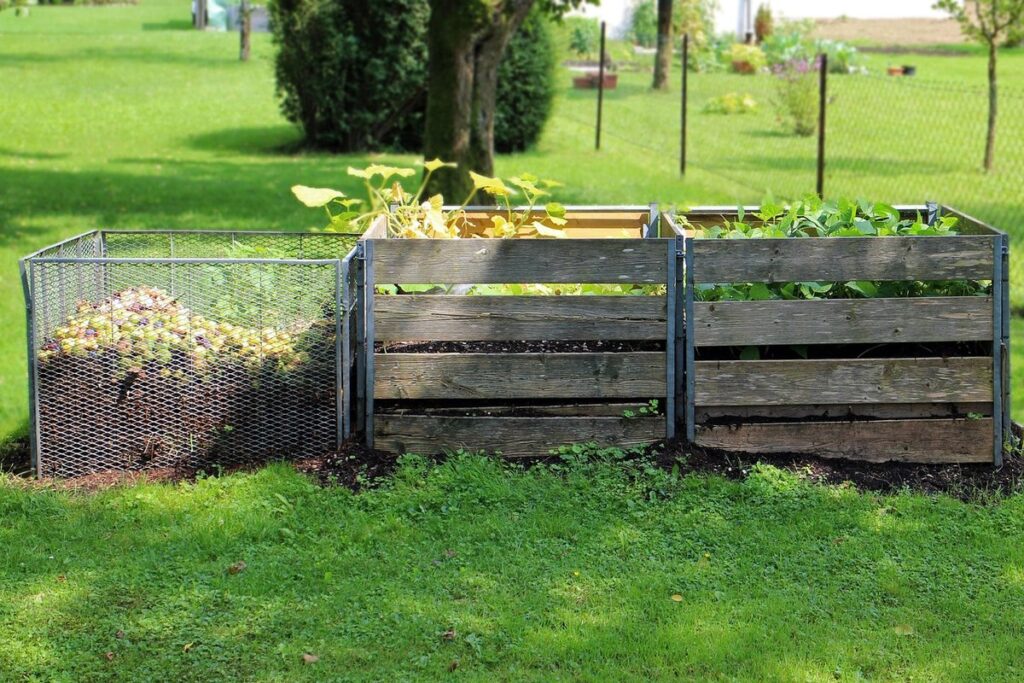
Understanding the Risks and Benefits of Manure Composting
As you weigh the benefits of manure composting for your garden, it’s essential to consider both the risks and rewards associated with this practice. Let’s dive into what’s at stake when working with animal waste.
The Importance of Proper Manure Handling
Proper manure handling is crucial to prevent potential risks associated with manure composting. If not handled correctly, manure can become a breeding ground for pathogens and disease-causing microorganisms. For instance, E. coli, Salmonella, and Campylobacter are commonly found in animal waste and can contaminate soil, water, and air if not managed properly.
Improper handling of manure can also lead to water pollution through runoff or leaching into groundwater. Manure contains high levels of nutrients such as nitrogen and phosphorus, which can fuel excessive algae growth in water bodies, depleting oxygen and harming aquatic life. Furthermore, when manure decomposes, it releases greenhouse gases like methane and nitrous oxide, contributing to climate change.
To minimize these risks, it’s essential to follow proper protocols for handling and composting manure. This includes storing manure in well-ventilated areas, using protective gear while handling, and ensuring adequate temperature and carbon-to-nitrogen ratios during the composting process. By taking these precautions, gardeners can create a safe and healthy environment for their gardens while also reducing waste and promoting sustainable practices.
Weighing the Benefits of Manure Composting
When done properly, manure composting can be a game-changer for gardeners. Not only does it reduce waste by diverting animal manure away from landfills, but it also creates a nutrient-rich soil amendment that’s perfect for improving soil structure and fertility.
By composting manure, you’re not just reducing the amount of waste in your community, but you’re also creating a valuable resource that can help your plants thrive. Manure compost is an excellent source of nitrogen, phosphorus, and potassium – essential macronutrients that are often lacking in garden soils.
To give you a better idea of just how effective manure composting can be, consider this: a single ton of composted manure can provide up to 1,000 pounds of nutrients for your plants. That’s equivalent to the amount of fertilizer needed for an entire garden bed – without the risk of over-fertilizing or creating nutrient imbalances.
In addition to its practical benefits, manure composting also promotes sustainable gardening practices by reducing our reliance on synthetic fertilizers and other chemicals that can harm the environment. By adopting a composting approach, you’re taking a crucial step towards creating a more environmentally friendly garden – and reaping the rewards of healthy, thriving plants in return.
Assessing the Safety Risks of Different Types of Manure
As you prepare your garden for a nutrient-rich compost, it’s crucial to understand which types of manure pose greater safety risks and how to handle them. Let’s dive into assessing the potential hazards of different manures.
Understanding the Dangers of Raw Sewage Sludge
Using raw sewage sludge as compost can pose serious health risks to gardeners and the environment. The presence of toxic pollutants like heavy metals, pharmaceuticals, and pathogens makes it a hazardous material for composting.
Heavy metals such as lead, mercury, and arsenic can accumulate in soil and be absorbed by plants, contaminating food crops. Pharmaceutical residues can also persist in sludge, posing potential health risks to humans who consume produce grown in contaminated soil.
According to the US Environmental Protection Agency (EPA), sewage sludge is often contaminated with pathogens like E. coli, Salmonella, and Giardia. If not properly treated, these pathogens can survive composting and pose a risk of waterborne diseases and other health issues.
It’s essential to note that using raw sewage sludge as compost may also lead to the spread of antibiotic-resistant bacteria, further exacerbating public health concerns. The EPA recommends that gardeners prioritize alternatives to raw sewage sludge for their compost needs, opting instead for safer, more sustainable options like animal manure or green waste.
The Risks and Benefits of Using Livestock Manure
Using livestock manure as fertilizer can be a double-edged sword. On one hand, it’s an excellent way to add nutrients and organic matter to your garden soil. However, the potential health risks associated with using raw or improperly composted livestock manure cannot be ignored.
Large-scale industrial farms often house thousands of animals, producing massive amounts of manure that can contain pathogens like E. coli, Salmonella, and Listeria. These bacteria can survive the composting process if it’s not done correctly, posing a significant risk to human health. In fact, some studies have shown that even after composting, certain pathogens can still be present in the final product.
To mitigate these risks, it’s essential to properly manage and compost livestock manure. This includes ensuring adequate carbon-to-nitrogen ratios, maintaining optimal temperature ranges (usually between 131°F and 149°F), and allowing for sufficient aeration and mixing of materials. Additionally, purchasing manure from reputable sources or local farms that follow proper composting practices can minimize the risk of contamination.
Safe Manure Composting Practices
When working with manure, it’s crucial to follow safe practices to avoid contamination and ensure your compost is healthy for your garden. This section shares essential guidelines for safe handling and processing of animal waste.
Choosing the Right Location for Your Compost Pile
When choosing a location for your compost pile, consider areas that are well-ventilated and dry. Avoid spots with direct sunlight as it can heat up the pile excessively, leading to unpleasant odors and pest attraction. Ideally, select an area with partial shade to maintain a balance between temperature regulation and drying.
Be mindful of slopes or water flow in your garden as they may cause moisture accumulation near the compost pile, attracting pests and creating anaerobic conditions that produce ammonia. Instead, opt for a flat surface with good drainage to prevent liquid from accumulating.
If you have limited space, consider building a raised bed or a covered compost area to reduce odors and pest issues. When selecting a site, also think about accessibility and proximity to your garden beds, making it easier to transfer finished compost when needed. Remember that a well-placed compost pile is not only safer but also more efficient in producing high-quality nutrient-rich fertilizer for your plants.
Proper Equipment and Handling Techniques
Proper equipment and handling techniques are crucial to minimize risks associated with manure composting. When managing compost piles, it’s essential to balance aeration, turning, and covering.
Aeration is vital to prevent anaerobic conditions that can lead to toxic gas emissions and unpleasant odors. Use a pitchfork or shovel to gently turn the pile every 7-10 days, aiming for a mix of “brown” carbon-rich materials and “green” nitrogen-rich manure. This promotes oxygen flow and breaks down organic matter efficiently.
Turning the pile also helps regulate temperature, which can reach up to 160°F (71°C) during active decomposition. To maintain this balance, monitor your compost’s temperature regularly using a thermometer. If it exceeds 160°F, stop turning for a few days to allow the process to slow down.
Covering your compost pile is another critical aspect of safe manure composting. Use a tarp or breathable cover to prevent contamination from pests and unwanted materials. This also helps retain moisture and heat within the pile, speeding up decomposition while minimizing odors and messes.
Minimizing Pathogen Risks in Manure Composting
To minimize pathogen risks in your compost pile, it’s essential to understand how pathogens can be present in manure and how to effectively eliminate them during the composting process. This section will walk you through some crucial steps to achieve safe composting.
Understanding the Role of Temperature in Killing Pathogens
Temperature management is one of the most crucial aspects of killing pathogens during the composting process. To create optimal conditions for pathogen destruction, you need to understand that different temperatures can either promote or inhibit microbial growth.
The ideal temperature range for effective composting lies between 130°F and 140°F (54°C-60°C). During this period, which usually lasts a few days, microorganisms break down pathogens, including bacteria like E. coli and Salmonella, and viruses. However, it’s essential to note that temperatures higher than 160°F (71°C) can actually reduce the effectiveness of composting.
To achieve these optimal temperatures, ensure your compost pile has sufficient carbon-rich materials to absorb excess moisture and provide oxygen for microbial activity. Regular monitoring is also necessary to check for temperature spikes or drops. Aim for a mix that includes 2/3 “brown” materials (dried leaves, straw) and 1/3 “green” materials (manure, food scraps). This balance will help you maintain the right conditions for pathogen destruction while minimizing odors and pests.
Monitoring pH and Nutrient Levels
Monitoring pH and nutrient levels is crucial to maintaining a safe composting process for your garden. Over-acidification can occur if the pH level drops too low, while over-nutrition can lead to an imbalance of essential nutrients. This can create an ideal environment for pathogens to thrive.
To prevent these issues, you’ll want to regularly test your compost’s pH and nutrient levels. You can use a DIY kit or send a sample to a lab for analysis. For example, if the pH level is too low (acidic), you may need to add lime to raise it back to a safe range (around 6-7). Conversely, if the nutrient levels are too high, you might need to remove excess nutrients through dilution or adding carbon-rich materials.
It’s also essential to maintain a balanced carbon-to-nitrogen (C:N) ratio. A general rule of thumb is to aim for a mix of 2/3 “brown” materials (dry leaves, straw, etc.) and 1/3 “green” materials (food scraps, grass clippings, etc.). This will help regulate nutrient levels and prevent over-acidification. Regular monitoring and adjustments can save you from pathogen-related issues and ensure a healthy compost for your garden.
Mitigating Pests and Odors in Manure Composting
Pest and odor control are crucial aspects of manure composting, as they can affect not only the compost’s quality but also your garden’s overall health. Let’s explore some effective strategies for mitigating these issues safely.
Understanding the Role of Carbon-Rich Materials in Reducing Odors
Incorporating carbon-rich materials into your compost pile is an effective way to mitigate odors and reduce pest infestations. These materials act as natural odor absorbers, helping to neutralize the strong smells associated with manure composting. Straw and sawdust are popular choices due to their high carbon content and affordability.
When selecting a carbon-rich material, consider using locally sourced options like straw or hay. These can be added in layers throughout your compost pile, promoting air circulation and speeding up decomposition. A general rule of thumb is to maintain a 2:1 ratio of “green” materials (like manure) to “brown” materials (like straw). This balance ensures the carbon-rich materials help absorb excess moisture and odors.
Some gardeners even use shredded newspaper or cardboard as alternative carbon sources. These can be added in moderation, about 10% of the total compost volume. Remember to mix these materials well into your pile to prevent any clumping or uneven decomposition. By incorporating these simple steps, you’ll create a safer, more odor-managed composting environment for your garden.
Natural Deterrents for Pests
When it comes to manure composting, pests can be a significant concern. They not only reduce the quality of your compost but also pose health risks to you and your family. One effective way to minimize pest problems is by using natural deterrents.
Diatomaceous earth (DE) is a popular choice for controlling pests in manure composting. It’s a non-toxic, organic powder made from fossilized algae that dehydrates and kills insects. To use DE effectively, mix 1-2% of it with the manure pile or bin contents. This will help control pests like slugs, snails, and flies without harming beneficial microorganisms.
Another natural method is introducing beneficial insects, such as ladybugs or lacewings, into your composting process. These bugs feed on pest insects, reducing their populations naturally. Introduce them to the manure pile or bin when you first start composting, and they’ll do the rest.
Remember, it’s essential to monitor your compost regularly for pests and take action promptly if you notice any issues. By incorporating natural deterrents like DE and beneficial insects into your composting process, you can minimize pest problems and create a safe, healthy environment for gardening.
Regulating Manure Composting: Local Laws and Best Practices
When composting manure, it’s essential to familiarize yourself with local laws and regulations governing the process, as well as best practices for safe implementation. Understanding these guidelines will ensure your garden stays healthy and compliant.
Understanding Your Local Regulations
When it comes to manure composting safety for gardens, understanding local regulations is crucial. Local laws and ordinances can vary significantly, and failing to comply with them may result in fines, penalties, or even closure of your composting operation.
To find out what’s required in your area, start by visiting your city or county government website. Look for departments that oversee environmental health, public works, or agriculture. You can also contact your local extension office or a similar organization that provides guidance on best management practices. Many municipalities now have online portals where you can search for permits and licenses related to manure composting.
Some common requirements include obtaining a permit before starting or expanding your composting operation, conducting regular testing for pathogens like E. coli, and storing manure and finished compost in designated areas. Take the time to familiarize yourself with these regulations and keep records of compliance to avoid any potential issues down the line.
Adhering to Industry Best Practices
When it comes to manure composting, adhering to industry best practices is crucial for ensuring a safe and effective operation. One key guideline is to follow the 4Cs of composting: Carbon, Curing, Crushing, and Covering.
Carbon-rich materials like dry leaves or straw should be incorporated into the compost pile at a ratio of about 2/3 carbon to 1/3 nitrogen-rich manure. This balance helps maintain an optimal moisture level and prevents anaerobic conditions that can lead to ammonia production and pathogens. Curing involves allowing the compost to mature for a minimum of six months, which allows for the killing off of weed seeds and pathogens.
Crushing or chopping materials before adding them to the pile can also help facilitate decomposition and prevent clumping. Finally, covering the pile regularly with a layer of finished compost or other bulking agent helps retain moisture, suppress odors, and keep pests at bay. By following these guidelines, you can create a safe and effective manure composting operation for your garden.
Conclusion: Balancing Safety with Sustainability in Manure Composting
In conclusion, balancing safety with sustainability is crucial when it comes to manure composting for gardens. By following the guidelines outlined in this guide, you’ll be able to create a safe and sustainable composting system that benefits both your garden and the environment. Remember, proper management of manure composting can help reduce greenhouse gas emissions, improve soil health, and increase crop yields. To put it into practice, regularly inspect your compost pile for temperature, moisture, and carbon-to-nitrogen ratios to ensure optimal conditions for decomposition. By striking this balance between safety and sustainability, you’ll be able to enjoy the many benefits of manure composting while minimizing its risks. With a little patience and attention to detail, you can create a thriving garden ecosystem that’s both healthy and environmentally friendly.
Frequently Asked Questions
Can I use manure from my own pets, such as dogs or cats, for composting?
Yes, you can use pet manure for composting, but it’s essential to note that cat and dog waste can contain pathogens like E. coli and Salmonella. To minimize risks, ensure the waste is thoroughly mixed with carbon-rich materials, such as dried leaves or straw, and maintained at a high temperature (at least 131°F) for an extended period.
What if I’m short on space – can I still compost manure in a small area?
While it’s possible to compost manure in a smaller space, you’ll need to ensure proper ventilation and mixing to prevent anaerobic conditions that can foster pathogen growth. Consider using a compact or vertical composter, which can help maintain adequate airflow and temperature.
Can I use raw sewage sludge from my septic system for manure composting?
No, it’s not recommended to use raw sewage sludge for manure composting due to the high risk of pathogens like E. coli and Salmonella. It’s best to let the sludge mature in a controlled environment, allowing the natural processes to reduce pathogens before using it for composting.
How do I know if my finished compost is safe for use in my garden?
To ensure your finished compost is safe for gardening, test its pH level (aim for 6.0-7.0) and nutrient content. You can also conduct a simple “hot water extraction” test by mixing hot water with the compost – if it doesn’t show signs of contamination, you’re good to go.
What are some common mistakes to avoid when collecting and storing manure for composting?
Some common pitfalls include not storing manure in well-ventilated areas, failing to mix it with sufficient carbon-rich materials, or neglecting to maintain proper temperature. Regularly inspect your storage area and adjust as needed to prevent these issues.