
Rotting grapes in wine production can be a costly and frustrating issue. As a wine enthusiast or producer, you’re likely aware that even small problems during harvesting and fermentation can significantly impact the quality and flavor of your final product. But what causes rotting grapes to occur in the first place? Temperature fluctuations, high humidity levels, and poor air circulation are just a few factors that contribute to this problem. In this article, we’ll delve into the consequences of rotting grapes on wine production, including the effects on yield, quality, and even safety. We’ll also explore prevention and control measures you can take to minimize the risk of rotting grapes in your vineyard or winery. By understanding the causes and consequences of rotting grapes, you can better protect your investment and produce high-quality wines that meet your standards.
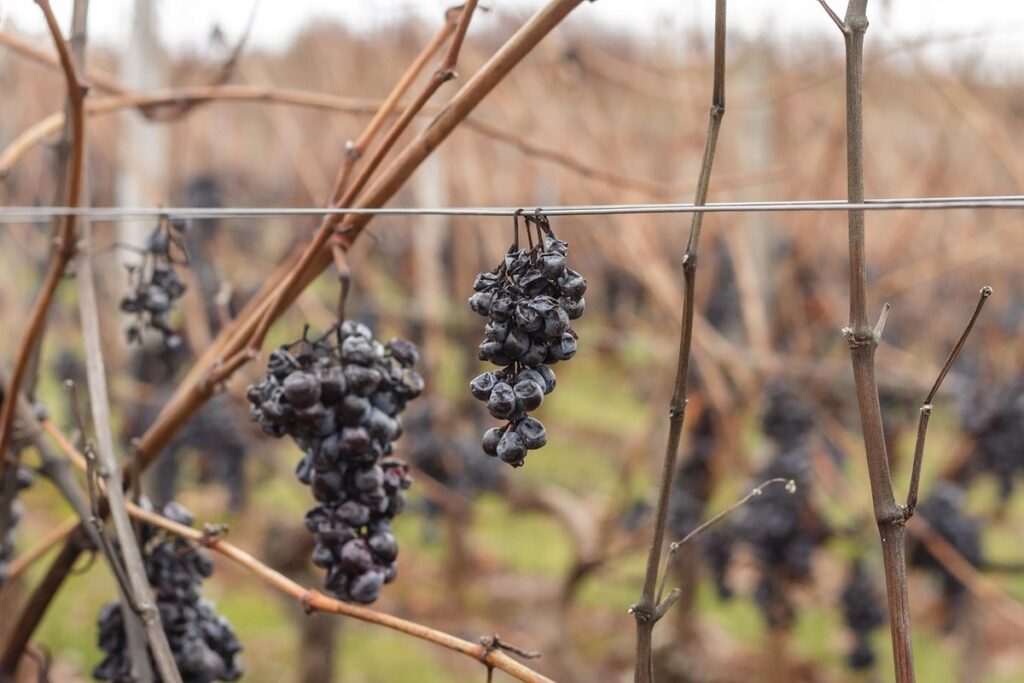
Understanding the Causes of Rotten Grapes
So, you’re wondering why grapes rot? The answer lies in a combination of factors including weather conditions, handling practices, and even the grape variety itself.
Factors Contributing to Rot
When it comes to rotting grapes, environmental factors play a significant role. Temperature fluctuations can cause grapes to become overripe, making them more susceptible to disease. For instance, temperatures above 70°F (21°C) can trigger the growth of fungi and bacteria that thrive in warm environments. Conversely, sudden drops in temperature can also contribute to rot by causing grapes to become chilled, leading to physiological disorders.
Humidity levels are another critical factor. High humidity allows fungal spores to germinate and spread quickly, while low humidity can cause grapes to dry out, making them more vulnerable to infections. Air circulation is equally important; stagnant air creates an ideal environment for pathogens to multiply, whereas a gentle breeze can help to dissipate moisture and prevent rot.
Poor air circulation, high humidity, and temperature fluctuations all contribute to the perfect storm that leads to fungal diseases and bacterial infections in grapes. By understanding these environmental factors, grape growers can take proactive steps to mitigate the risk of rot and ensure healthy yields. This includes using proper ventilation systems, monitoring weather conditions closely, and implementing best practices for harvest timing.
Role of Bacteria in Grape Rot
Bacteria play a significant role in causing grape rot, particularly through the presence of microorganisms like Botrytis cinerea. These fungi thrive in damp environments, breaking down grape tissues and leading to the characteristic softening and decay associated with rot.
In ideal conditions, such as high humidity and temperatures between 10-15°C (50-59°F), Botrytis cinerea can rapidly colonize grapes, producing enzymes that degrade cell walls. This degradation process makes it challenging for the plant to maintain structural integrity, leading to physical changes like softening and discoloration.
Grape growers often struggle with managing botrytis due to its ability to infect healthy grapes through injured skin or natural openings in the fruit. A combination of factors, including rain, mist, and poor air circulation, can contribute to an environment conducive to botrytis growth.
To minimize the risk of botrytis infection, growers must implement effective disease management strategies. This includes ensuring proper grape drying, pruning, and spacing techniques, as well as monitoring for signs of infection and implementing targeted fungicide treatments when necessary.
Effects on Wine Production
When it comes to wine production, the impact of rotting grapes is particularly significant, as it can compromise entire harvests and affect the quality of final products.
Impact on Flavor and Aroma
When grapes rot, they can produce a range of off-flavors and unpleasant aromas that compromise the quality of the wine. This is because overripe or rotten grapes contain high levels of certain compounds, such as volatile esters, aldehydes, and terpenes, which are not typically present in healthy grapes. These compounds contribute to unwanted flavor profiles like moldy, earthy, or musty notes.
As a result, wines made from rotting grapes can have an unbalanced taste experience for the consumer. This is particularly problematic because wine’s sensory characteristics – including its flavor and aroma – play a crucial role in determining its quality and marketability. When winemakers fail to detect and address grape rot early on, it can lead to costly waste and potential damage to their reputation.
To avoid this issue, wineries should regularly inspect vineyards for signs of disease or rot, taking prompt action when necessary to prevent the spread of infection. This might involve pruning infected vines, adjusting irrigation schedules, or applying targeted fungicides to control fungal growth.
Economic Consequences for Winemakers
When dealing with rotting grapes on a commercial scale, winemakers face significant economic consequences that can be devastating to their businesses. The costs associated with cleaning up affected vineyards are substantial, including the removal of infected grape clusters and soil remediation. This process not only requires specialized equipment but also a significant amount of labor, which can strain already limited resources.
Furthermore, damaged equipment such as pumps, conveyors, and sorting machines often need to be repaired or replaced entirely, adding to the financial burden. In addition, managing labor resources becomes a challenge, as workers may need to be temporarily reassigned to clean up affected areas or undergo additional training to handle rotting grapes safely.
To mitigate these costs, winemakers can implement proactive measures such as regular vineyard monitoring and timely interventions when signs of rotting grapes appear. This might include adopting more sustainable farming practices that reduce the risk of disease and promote soil health.
Prevention and Control Measures
To avoid the costly consequences of rotting grapes, understanding prevention and control measures is crucial. Here, we’ll discuss practical steps to minimize spoilage and preserve your crop’s quality.
Best Practices for Vineyard Management
Effective vineyard management is crucial in preventing grape rot. Pruning is an essential technique that involves removing dead, diseased, and damaged branches to promote healthy growth and minimize disease susceptibility. When pruning, focus on removing one-third of the previous year’s wood to allow for new growth and reduce the risk of disease. Thin out clusters to about 10-12 per foot to improve air circulation and sunlight penetration, both critical factors in preventing fungal diseases.
Regular sanitation practices are also vital in maintaining a healthy vineyard. Ensure that all pruning equipment is sanitized between cuts to prevent the spread of disease. Remove any debris or weeds from around the vines to reduce moisture accumulation and prevent fungal growth. Regularly inspect your vines for signs of disease, such as black spots or powdery mildew.
A well-managed vineyard with a robust canopy structure can significantly reduce the risk of grape rot. Promote vertical shoot positioning by trellising or cordon systems to improve air circulation and sunlight penetration. Implement integrated pest management strategies that incorporate cultural, biological, and chemical controls to prevent disease outbreaks. By following these best practices, you can create an environment that is less conducive to fungal growth and minimize the risk of grape rot.
Chemical and Biological Controls
When it comes to managing grape rot, chemical and biological controls can be effective tools in preventing its spread. Fungicides, for instance, target specific fungal pathogens responsible for rot, while bactericides combat bacterial infections. These chemicals can be applied directly to affected areas or sprayed across entire vineyards as a preventative measure.
Biopesticides offer an alternative approach by using living organisms like beneficial bacteria or fungi to attack the pathogens causing grape rot. One example is Bacillus subtilis, a naturally occurring bacterium that produces antibiotics toxic to certain fungal pathogens. These biopesticides can be applied through various methods, including foliar sprays or seed treatments.
Before applying any chemical or biological controls, it’s essential to identify the underlying cause of grape rot and choose the most effective treatment option. Regular monitoring of vineyards and prompt action when symptoms arise are crucial in preventing widespread damage.
Detection and Diagnosis
Identifying rotting grapes can be a challenge, but understanding how to detect and diagnose the issue is crucial for preventing further spoilage and contamination. Let’s dive into the key signs and methods of detection.
Visual Signs of Grape Rot
Grape rot can manifest visually through various signs that are easy to spot with a keen eye. One of the most apparent indicators is discoloration, where affected grapes turn brown, gray, or black due to the invasion of fungal pathogens such as Botrytis cinerea. This discoloration often starts at the stem end and spreads rapidly throughout the berry.
Mold growth is another telltale sign of grape rot. You may notice a fuzzy white or greenish layer on the skin of affected grapes, particularly around the stem end. In severe cases, mold can grow extensively, covering the entire berry and causing it to become soft and mushy.
Physical damage to the skin can also be a visual indicator of grape rot. Bruises, cuts, or punctures in the skin can provide entry points for pathogens, leading to infection and subsequent rotting. Regular inspections during harvest and storage are crucial to detect these signs early on and prevent further spoilage.
For reference, consider the following images that illustrate different stages of grape rot.
Laboratory Tests for Confirmation
When diagnosing rotting grapes, laboratory tests play a crucial role in confirming the presence of fungal diseases or bacterial infections. These tests help winemakers identify the root cause of grape rot, enabling them to take targeted measures to prevent its spread.
Various laboratory tests can be employed to detect the specific pathogens responsible for grape rot. One such test is the Polymerase Chain Reaction (PCR) technique, which amplifies DNA sequences from the grape samples. This helps scientists accurately identify fungal or bacterial pathogens, including species like Botrytis cinerea and Escherichia coli.
Other diagnostic tools include plate assays and enzyme-linked immunosorbent assay (ELISA). These methods help detect specific enzymes produced by pathogenic microorganisms, allowing for early detection and diagnosis of grape rot. By combining the results from these tests, winemakers can pinpoint the exact cause of grape rot in their vineyards.
This critical information enables targeted control measures to be implemented, reducing the risk of further infection and potential economic losses.
Managing Rotting Grapes in Harvest
When dealing with rotting grapes during harvest, it’s essential to know how to identify and handle the issue promptly to minimize its impact on the crop’s overall quality and yield. Let’s dive into the practical steps you can take.
Pre-Harvest Strategies
As the harvest season approaches, it’s crucial to implement pre-harvest strategies that minimize the impact of rotting grapes. Monitoring weather conditions is essential, as excessive rain, high humidity, and warm temperatures create an ideal environment for fungal diseases to thrive. Keep a close eye on forecasts and be prepared to take action when necessary.
Adjusting harvesting schedules can also help mitigate the problem. For instance, if a forecasted storm threatens to bring heavy rain, consider bringing forward your harvest schedule to avoid exposing grapes to prolonged wet conditions. On the other hand, if you’re experiencing an unusual dry spell, delay your harvest to allow the grapes to ripen further.
Another key strategy is selecting healthy fruit when it’s time to harvest. Inspect your vines regularly and remove any visibly affected bunches or individual berries. This will not only reduce the overall incidence of rot but also prevent further contamination of healthy grapes.
Post-Harvest Handling Practices
When dealing with rotting grapes, it’s essential to adopt proper post-harvest handling practices to minimize further contamination and prevent spoilage. The first step is sorting: quickly separate affected bunches from the rest of the harvest, as rot can spread rapidly. Ensure a clean work environment, free from debris and dust, which can harbor bacteria.
Cleaning and sanitizing equipment is also crucial. Wash all tools and machinery with soap and warm water, then sanitize them with a 1000 ppm solution of chlorine dioxide or sodium hypochlorite. This process should be repeated after every use to prevent re-contamination.
Implementing a strict sanitation protocol will help reduce the risk of spoilage. For example, a study by the University of California, Davis, found that using sanitized equipment reduced bacterial contamination by 90%. To further minimize the spread of rot, consider implementing a “clean as you go” policy during harvest, ensuring all surfaces and tools are cleaned and sanitized promptly after use.
By adhering to these guidelines, you can reduce the likelihood of spoilage and save valuable grapes.
Conclusion: Rotting Grapes in Perspective
Now that we’ve explored the science behind rotting grapes, let’s take a closer look at what it means for our health and the environment. How do these tiny berries impact us on a bigger scale?
Summary of Key Points
As we conclude our exploration of rotting grapes, it’s essential to recap the key points that will help you better understand this complex issue. Rotting grapes can be caused by a combination of factors such as fungal infections, bacterial contamination, and poor handling practices. For instance, overwatering, inadequate sanitation, and insufficient ventilation can all contribute to the development of rot.
The consequences of rotting grapes are far-reaching, affecting not only your bottom line but also your reputation in the industry. According to a recent study, the average cost of crop loss due to fungal diseases is around 30% globally. This highlights the need for effective prevention and management strategies.
To prevent rot, it’s crucial to implement best practices such as regular cleaning and disinfection of equipment, proper ventilation, and temperature control. Detection is also critical; early signs of rot can be detected through visual inspections and diagnostic tests. For instance, monitoring your grape bunches regularly and identifying any unusual growth or discoloration can help you catch issues before they spread.
Effective management involves a combination of cultural controls (e.g., pruning and thinning), chemical treatments, and biological controls (e.g., using beneficial microorganisms). By implementing these strategies, you can reduce the risk of rot and protect your crop. Remember to stay vigilant and adapt your approach as needed based on your specific climate, soil type, and grape variety.
Future Research Directions
As we conclude our exploration of rotting grapes, it’s essential to consider the future research directions that can help mitigate this issue. The impact of grape rot on wine production is a pressing concern, and continued investigation into its causes and effects will be crucial in developing effective control measures.
One potential avenue for improvement lies in exploring alternative fungicides or integrated pest management (IPM) strategies. For instance, researchers could investigate the efficacy of using plant extracts or biological agents to combat fungal diseases. This approach would not only reduce the reliance on chemical treatments but also minimize their environmental footprint.
Furthermore, studies focused on the genetic makeup of grape varieties and their susceptibility to rot could shed light on breeding more resilient cultivars. By understanding the molecular mechanisms underlying disease resistance, scientists can develop new lines of grapes that are better equipped to withstand fungal infections. This approach would ultimately lead to reduced crop losses and improved wine quality.
Developing effective monitoring systems for early detection of grape rot is another critical area of research. Real-time tracking of temperature, humidity, and fungal populations could enable winemakers to take proactive measures to prevent outbreaks. By combining data-driven approaches with traditional viticulture practices, it may be possible to significantly reduce the impact of grape rot on wine production.
Frequently Asked Questions
What are some immediate steps I can take to prevent rotting grapes from occurring during the next harvest?
To minimize the risk of rot, inspect your vineyard regularly for signs of disease and pests. Monitor temperature fluctuations and maintain optimal humidity levels. Implement good air circulation by pruning foliage to allow sunlight penetration. Also, consider using fungicides and biological controls as a preventative measure.
How do I know if my grapes are already affected by rot, and what should I do next?
Look out for visual signs of rot, such as moldy patches or softening skin. If you suspect infection, isolate the affected area to prevent further spread. Perform laboratory tests for confirmation and consult a professional if necessary. Take prompt action to remove infected fruit to protect your harvest.
Can temperature fluctuations be completely controlled in vineyards, especially during extreme weather events?
While precise control is challenging, there are measures to mitigate temperature-related risks. Invest in climate-control systems or shade structures to regulate temperatures during peak sun hours. Use cover crops and windbreaks to moderate soil temperature and reduce heat stress.
How do I balance the need for chemical controls with environmental concerns when managing grape rot?
Opt for integrated pest management (IPM) approaches that combine physical, cultural, biological, and chemical methods. Regularly monitor your vineyard’s ecosystem and adapt strategies accordingly. Consider using organic or bio-based fungicides as alternatives to harsh chemicals.
What’s the best way to educate my team on recognizing early signs of grape rot and implementing prevention measures?
Develop a comprehensive training program that covers disease identification, prevention techniques, and best practices for maintaining healthy vines. Include hands-on exercises and scenario-based learning to ensure your staff is prepared to respond effectively in case of an outbreak.