
Roses are often considered the epitome of beauty and elegance in any garden, but their loveliness can be short-lived if they’re not protected from pests. Aphids, whiteflies, spider mites, and thrips are just a few common culprits that can quickly turn your lush rose bushes into sad, struggling plants. These tiny critters can suck the life out of your roses, causing damage to leaves, stems, and flowers.
But there’s good news – you don’t need to reach for chemical pesticides to control these pests. In this article, we’ll show you how to identify common rose pests using natural signs and symptoms. We’ll also share effective organic methods to prevent infestations in the first place, as well as ways to treat your roses if they do get infested. By the end of this post, you’ll be equipped with the knowledge to grow healthy, pest-free roses that thrive all season long.
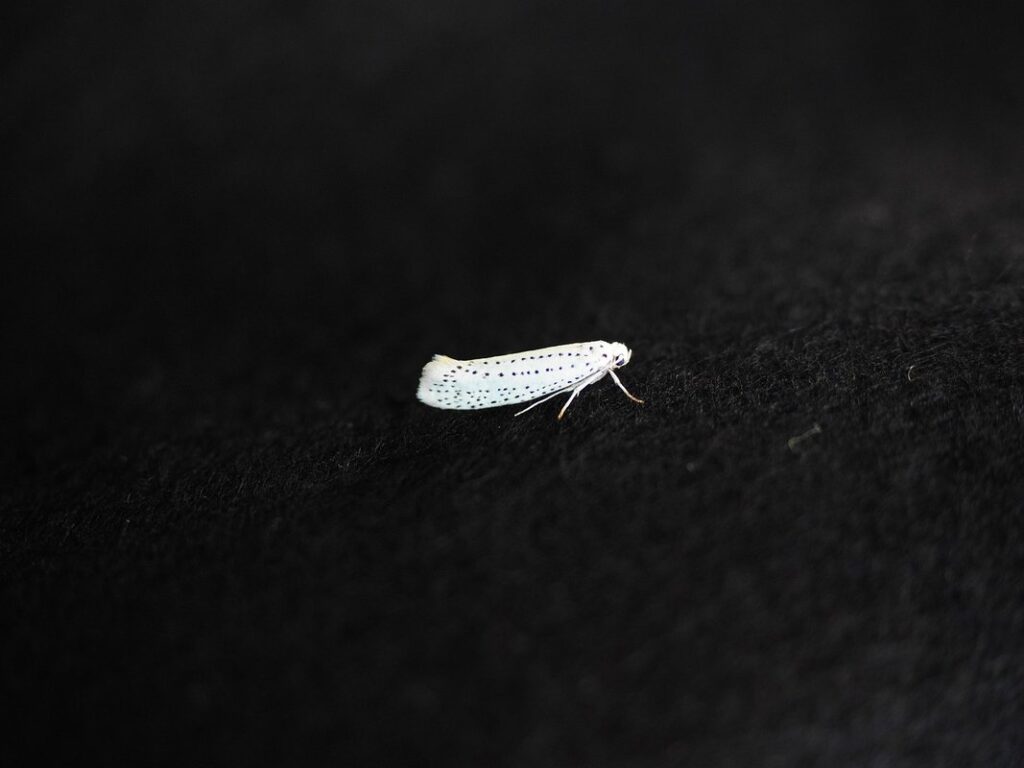
Common Rose Pests to Watch Out For
Roses can be susceptible to various pests, and being aware of common ones is key to maintaining a healthy garden. Here, we’ll explore some frequent rose pests to look out for.
Aphids and Whiteflies: Understanding Their Impact
Aphids and whiteflies are two of the most common rose pests that can cause significant damage to leaves, stems, and flowers. These tiny insects may seem harmless, but they can multiply quickly and spread disease, weakening the plant’s defenses.
To identify aphids, look for small, soft-bodied insects with long legs and a distinctive pear-shaped body. They often gather in colonies on the underside of leaves or near the tips of new growth. Aphids come in different colors, including green, yellow, black, and white, which can make them difficult to spot.
Whiteflies, on the other hand, are usually smaller than aphids and have a more delicate appearance. They have a flat, oval body with wings that allow them to fly quickly from plant to plant. Whiteflies often cluster on the upper surface of leaves, particularly in areas with high temperatures and humidity.
To prevent infestations, inspect your roses regularly for signs of aphid or whitefly activity, and use neem oil or insecticidal soap to control populations. Encourage beneficial insects like ladybugs and lacewings, which prey on these pests, by planting companion flowers that attract them.
Spider Mites and Thrips: Symptoms and Treatment
Spider mites and thrips are two of the most common pests that affect roses. These tiny insects feed on the plant’s sap, causing damage to the leaves and stems.
Spider mites are small, spider-like insects that have eight legs and a distinctive web-spinning habit. They are often found on the underside of leaves and can cause yellowing or bronzing of the leaves. Thrips, on the other hand, are tiny, sucking insects that feed on plant sap. They can be found on both the upper and lower surfaces of leaves and can cause stunted growth and distorted leaves.
To manage spider mites and thrips, it’s essential to inspect your roses regularly for signs of infestation. Look for fine webbing or a dusty appearance on the leaves, which is indicative of spider mite presence. For thrips, look for tiny, white or black insects moving on the leaves. If you suspect an infestation, treat your rose plants with insecticidal soap or neem oil. These products can be applied as a foliar spray to kill both spider mites and thrips.
Some gardeners also use sticky traps or fine mesh screens around their roses to prevent these pests from reaching the plant. Regularly rinsing the leaves with water can also help dislodge any remaining insects.
Identifying Rose Pests: Signs and Symptoms to Look Out For
When it comes to identifying rose pests, knowing the signs and symptoms is crucial for effective prevention and control. Keep an eye out for these common indicators of pest infestation in your garden.
Visual Inspection for Pests
When conducting a visual inspection for pests on roses, it’s essential to be thorough and methodical. Begin by examining the plant’s foliage, looking for signs of damage, discoloration, or unusual growth patterns. Check the undersides of leaves and stems for eggs, larvae, or adult pests like aphids, whiteflies, or spider mites.
Next, inspect the flowers, paying attention to any black spots, powdery mildew, or fungal infections that can attract pests. Also, check for sticky honeydew droplets, which are often left behind by sap-sucking insects.
As you examine the plant, rotate it slowly to ensure you’re viewing all sides. Use a magnifying glass or hand lens to get a closer look at any areas of concern. Look for tiny insects, eggs, or webbing on stems and leaves. If you find any signs of pests, take note of their location and type, as this will help guide your control measures.
Remember, a thorough visual inspection is not a one-time task – it’s an ongoing process that should be done regularly to catch pest issues early and prevent damage to your rose plants.
Monitoring for Pests: Regular Check-Ups and Timing
Monitoring for pests is an ongoing process that requires regular check-ups to ensure your rose garden remains healthy and pest-free. To do this effectively, schedule a weekly inspection during peak pest seasons, typically spring and summer. Take note of the following signs: curled or distorted leaves, sticky substances on stems or leaves, holes in leaves or buds, and actual pests like aphids, whiteflies, or spider mites.
During your inspections, walk through the garden slowly, examining each plant thoroughly. Look for any unusual growth patterns or color changes. Check the undersides of leaves, as many pests tend to hide there. Also, be aware of the time of day when you inspect – early morning is often the best time to spot pests before they become active.
Remember, catching infestations early is key to preventing them from getting out of control. If you notice any suspicious signs or find an actual pest, take action immediately by treating the affected area with insecticidal soap or neem oil. Regular monitoring and timely intervention will help keep your rose garden healthy and thriving.
Preventing Rose Pests: Techniques and Strategies
To keep those pesky pests at bay, let’s dive into some effective techniques for preventing rose damage, starting with identifying potential threats.
Integrated Pest Management (IPM) Approach
When it comes to managing rose pests, many gardeners default to chemical-based methods. However, these can have unintended consequences on the environment and even harm beneficial insects that are essential for a healthy ecosystem. A more holistic approach is needed, which is where Integrated Pest Management (IPM) comes in.
IPM involves a multi-faceted strategy that considers the pest’s life cycle, its interactions with other organisms, and the physical environment it inhabits. This approach recognizes that pests can’t be eliminated entirely but rather managed through a combination of techniques that minimize harm to beneficial insects. Benefits of IPM include reduced chemical usage, lower costs, and improved garden biodiversity.
One key aspect of IPM is monitoring your rose plants regularly for signs of pest infestations. Look out for early warning signs such as yellowing leaves or white powdery patches on stems. By identifying pests early on, you can implement targeted control measures that minimize damage to the plant. This might involve introducing beneficial insects like ladybugs or lacewings, using physical barriers to prevent infestation, or adopting cultural practices that discourage pest populations.
A practical example of IPM in action is a garden that combines companion planting with neem oil applications. By selecting plants that repel pests naturally and using targeted chemical applications only when necessary, the gardener can maintain healthy rose plants without harming beneficial insects.
Organic and Natural Methods for Pest Prevention
When it comes to preventing rose pests, many gardeners opt for organic and natural methods that are not only effective but also environmentally friendly. One of the most popular eco-friendly alternatives is neem oil, a plant-based pesticide derived from the seeds of the neem tree. Neem oil can be used to control a wide range of pests, including aphids, whiteflies, and spider mites.
Companion planting is another effective organic method for preventing rose pests. By planting certain herbs and flowers alongside your roses, you can create an environment that repels unwanted insects. For example, basil repels aphids, while marigold deters nematodes. Garlic and hot peppers are also known to repel aphids and other pests.
In addition to neem oil and companion planting, diatomaceous earth is another organic method for controlling rose pests. This natural powder is made from the fossilized remains of tiny aquatic organisms called diatoms and works by dehydrating insects, causing them to die. It’s a non-toxic and environmentally safe way to control pests without harming beneficial insects like bees and butterflies.
Controlling Rose Pests: Chemical and Non-Chemical Measures
Now that we’ve identified the pests that might be affecting your roses, let’s explore effective ways to control them using both chemical and non-chemical methods. This section will walk you through your options.
Using Insecticides Safely and Effectively
When it comes to using insecticides on your rose garden, safety and effectiveness are top priorities. To ensure you’re controlling pests while minimizing harm to your plants, pets, and the environment, follow these guidelines.
Firstly, always read the label carefully before applying any insecticide. This may seem obvious, but many gardeners overlook this crucial step. Take note of the recommended application rate, as using too much or too little can be ineffective or even hazardous.
Proper timing is also essential. Apply insecticides during the early morning or evening when temperatures are cooler to prevent drift and reduce evaporation. Additionally, avoid spraying during peak sun hours to minimize leaf scorch.
When handling insecticides, take necessary precautions to prevent exposure. Wear protective gear such as gloves, long-sleeved shirts, and a mask. Ensure good ventilation in your garden area by opening windows or using a fan.
For optimal results, choose the right product for the specific pest you’re targeting. For example, if you’re dealing with aphids or whiteflies, consider using neem oil or horticultural oil. These gentle yet effective options are safer for beneficial insects and the environment compared to broad-spectrum insecticides.
Regularly monitor your garden’s progress after applying insecticides and adjust your strategy as needed. By following these guidelines, you’ll be able to use insecticides safely and effectively in your rose garden, minimizing the risk of harm while maximizing pest control results.
Physical and Cultural Controls for Pest Management
When it comes to managing rose pests, physical and cultural controls are often overlooked but incredibly effective methods. By implementing a few simple strategies, you can create an environment that’s less conducive to pest problems.
One of the most straightforward ways to manage pests is by removing weeds from around your rose plants. Weeds provide a habitat for many pests, including aphids, whiteflies, and spider mites. Simply pull or dig up weeds regularly to reduce their numbers and prevent them from taking over. You can also use mulch or landscape fabric to suppress weed growth.
Improving air circulation is another crucial aspect of pest management. When air can move freely around your rose plants, it helps to dry out leaves and petals, making it harder for pests like black spot and powdery mildew to establish themselves. Make sure to prune your roses regularly to maintain an open center and promote good air flow.
Maintaining healthy soil is also essential for managing pests. By incorporating organic matter into your soil, you can improve its structure and fertility, reducing the stress on your rose plants that often makes them more vulnerable to pest infestations. Consider adding compost or well-rotted manure to your soil to give it a nutrient boost.
By implementing these physical and cultural controls, you can create an environment that’s less hospitable to pests and reduce the need for chemical treatments.
Natural Enemies of Rose Pests: Encouraging Beneficial Insects
Let’s invite some helpful neighbors to your rose garden, literally. We’ll explore how to attract natural enemies that prey on common rose pests and keep them under control naturally.
Attracting Ladybugs and Lacewings
Attracting ladybugs and lacewings to your rose garden is one of the most effective ways to control pest populations naturally. These beneficial insects feed on aphids, whiteflies, and other pests that can harm your roses.
To attract ladybugs, create a welcoming environment by planting nectar-rich flowers like marigolds, cosmos, and zinnias around your rose bushes. Ladybugs are also drawn to the scent of certain herbs such as mint, basil, and lemongrass, so consider incorporating these into your garden. Make sure to provide a source of water, like a shallow dish or birdbath, where ladybugs can drink and cool off.
Lacewings, on the other hand, are attracted to flowers with fragrances that are high in sulfur, such as garlic and chives. Plant these nearby your roses to entice lacewings to visit. Also, maintain a diverse garden ecosystem by including a mix of plants that bloom at different times, providing a constant source of nectar and pollen for beneficial insects.
Remember, the key is to create a balanced environment that encourages both pollinators and predators to coexist. By doing so, you’ll have a healthier rose garden with fewer pest problems.
Other Beneficial Insects for Rose Pest Control
In addition to lacewings and ladybugs, there are several other beneficial insects that can help control rose pest populations. Hoverflies, for instance, are known to feed on aphids, whiteflies, and other small insects that target roses. These delicate-looking flies may be small, but their larvae, also known as ‘maggots’, are voracious predators that can consume large quantities of pests in a short amount of time.
Another beneficial insect worth mentioning is the parasitic wasp. These tiny wasps lay their eggs inside the bodies of certain insects, such as caterpillars and beetle larvae, where they feed on their internal organs before killing them. By introducing these wasps into your rose garden, you can significantly reduce the number of pests that target your roses.
To attract hoverflies and parasitic wasps to your rose garden, try planting a mix of flowers that are rich in nectar and pollen, such as lavender, marigold, or cosmos. These flowers will provide a source of food for these beneficial insects, encouraging them to stay and breed in your garden.
Conclusion: Rose Pest Management in Practice
Now that you’ve learned how to identify common rose pests, prevent infestations, and control outbreaks, it’s time to put your knowledge into practice. Effective rose pest management is not just about using chemicals or relying on a single solution. It’s about creating a balanced ecosystem that promotes healthy plant growth and minimizes the risk of pest problems. Regularly inspect your roses for signs of pests, and take prompt action if you notice any issues. For example, you can use neem oil to control aphids and whiteflies, while introducing beneficial insects like ladybugs or lacewings can help regulate other pest populations. By combining good gardening practices with a few simple techniques, you can enjoy healthy, thriving roses without the hassle of pests.
Frequently Asked Questions
What if I notice pests on my roses but they’re not causing significant damage yet? Should I still treat them?
Yes, it’s best to treat minor infestations promptly before they escalate into major problems. Even small populations of pests can weaken your rose bushes over time, making them more susceptible to disease and further pest attacks.
How often should I inspect my roses for signs of pests, and what are the best times to check?
Regularly inspect your roses every 7-10 days during peak growing seasons (spring-fall). Early morning or late afternoon when plants are most active is ideal. This allows you to catch issues before they become severe.
Can I use a single method for all types of rose pests, or do I need different approaches?
Different pests require unique strategies. For instance, spider mites thrive in hot, dry conditions, while aphids prefer cooler temperatures and high humidity. Understanding the specific needs and vulnerabilities of each pest will help you choose the most effective control methods.
Are there any natural predators that can help control rose pests, or do I need to rely on chemical controls?
Yes, many beneficial insects like ladybugs, lacewings, and parasitic wasps feed on common rose pests. Encourage their presence by providing shelter, food sources, and a balanced ecosystem.
How long after applying an organic pest control method can I expect to see results, and what factors influence its effectiveness?
Results from organic methods can vary from days to weeks, depending on the product’s active ingredients and your specific infestation level. Factors like weather conditions (rain, sunlight), plant health, and proper application techniques all impact efficacy.