
If you’re like many gardeners, you’ve probably fallen in love with the fragrant charm and culinary versatility of rosemary. But did you know that this Mediterranean native requires very specific conditions to thrive? To coax the best flavors and foliage out of your rosemary plant, understanding its native habitats and climate requirements is key.
Rosemary grows optimally in well-drained soil and full sun, but it’s also sensitive to extreme temperatures and moisture levels. Learning how to provide the right balance will save you from disappointment and ensure a healthy, fragrant harvest. In this article, we’ll delve into the ideal growing conditions for rosemary plants, covering climate requirements, watering and fertilizing techniques, as well as essential pruning tips to promote bushy growth and prevent overgrowth. By following our expert advice, you’ll be on your way to becoming a master rosemary grower in no time.
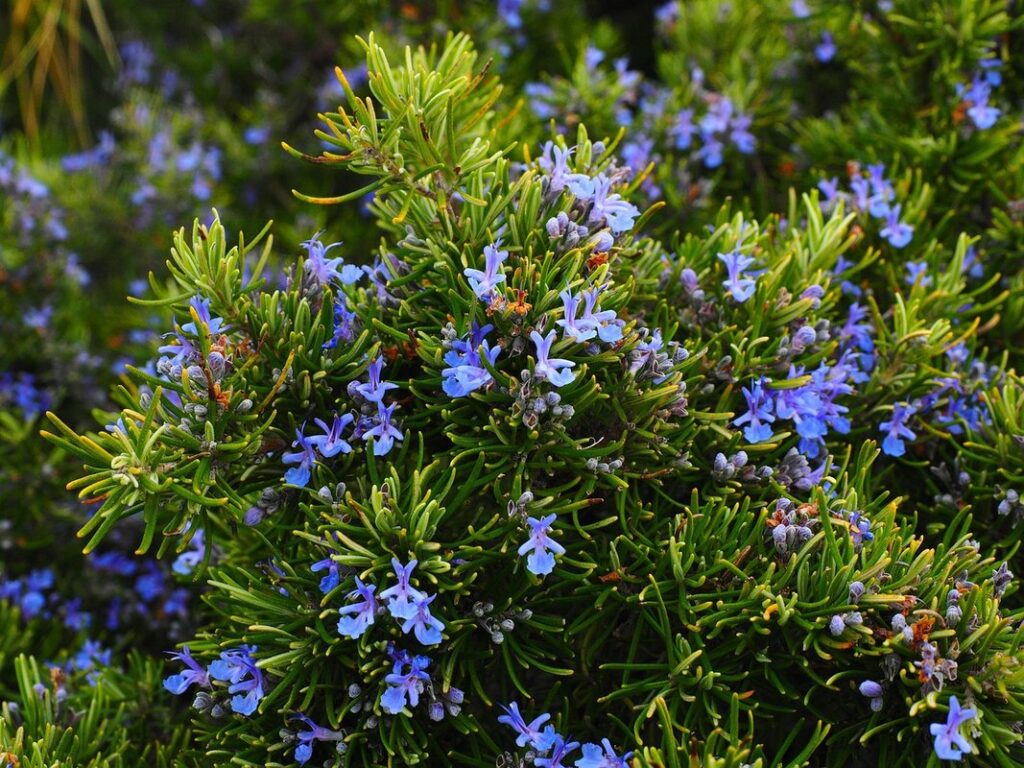
Understanding Rosemary’s Native Habitat and Climate Requirements
To grow a healthy rosemary plant, it’s essential to replicate its native Mediterranean habitat and climate conditions, which we’ll explore in more detail next. This includes examining temperature, rainfall, and sunlight requirements.
Section Overview:
Rosemary plants are native to the Mediterranean region, specifically in countries such as Spain, France, and Italy. They thrive in areas with well-defined seasons, mild winters, and warm summers. This unique climate has shaped rosemary’s growth habits and adaptations.
In their natural habitat, rosemary plants can be found growing on dry, rocky slopes or scrublands. These areas receive plenty of sunlight throughout the year, which is essential for rosemary’s photosynthetic processes. The plants also benefit from infrequent rainfall, as this forces them to develop deep roots that allow them to access water more efficiently.
Understanding rosemary’s native habitat and climate requirements is crucial for replicating these conditions in your garden or indoor space. When growing rosemary, provide it with at least 4-6 hours of direct sunlight per day, along with well-draining soil and moderate watering schedules. By mimicking its natural environment, you’ll be more likely to achieve robust growth, fragrant foliage, and a bushy shape that’s typical of healthy rosemary plants.
Climate Zones for Rosemary Growth:
Rosemary thrives in regions with mild winters and warm summers, making it an ideal choice for gardeners in temperate climates. The ideal temperature range for rosemary growth is between 65-75°F (18-24°C), although it can tolerate some fluctuation without suffering damage.
When it comes to humidity levels, rosemary prefers dry conditions, typically found in areas with low relative humidity. Aim for a spot with around 40-50% relative humidity to prevent fungal diseases and root rot. On the other hand, extremely dry environments may require occasional watering to maintain soil moisture.
Light exposure is also crucial for healthy rosemary growth. Choose a location that receives at least four hours of direct sunlight per day, although partial shade can be tolerated in warmer climates. Be cautious not to overexpose your rosemary plant to intense sunlight, as this can cause leaf scorch and discoloration. By replicating the natural conditions found in its native Mediterranean habitat, you’ll set your rosemary plant up for success and encourage robust growth.
Native Habitat Overview:
Rosemary plants are native to the Mediterranean region and thrive in areas with similar climate conditions. This means that countries such as Spain, Italy, Greece, and Portugal provide an ideal environment for rosemary growth. Beyond these countries, coastal regions along the Atlantic coast of Europe, North Africa, and parts of Australia also offer suitable conditions.
One characteristic soil type associated with rosemary’s native habitat is limestone. Limestone helps to retain moisture in the soil while allowing excess water to drain freely, which is essential for rosemary’s growth. Sandy or well-draining soils are also preferred as they prevent waterlogged conditions that can lead to root rot.
If you’re growing rosemary in a region with heavy rainfall or poor drainage, consider adding organic matter like compost to improve the soil structure and promote healthy growth. When selecting a location for your rosemary plant, look for areas with full sun exposure (at least six hours of direct sunlight) and mild winters.
Preparing Your Garden for Rosemary Growth
To ensure your rosemary plants thrive, you’ll want to prepare your garden by selecting a well-draining spot and loosening the soil to give their roots room to grow. This simple prep work makes all the difference.
Choosing the Right Soil Type:
When it comes to growing rosemary, having the right soil type is crucial for its optimal growth. The ideal soil pH range for rosemary is between 6.0 and 7.5. If your garden’s soil pH falls outside of this range, you can amend it to create a suitable environment.
To check your soil pH, you can purchase a DIY soil testing kit or send a sample to a lab for analysis. Based on the results, you may need to add lime to raise the pH or sulfur to lower it. For example, if your soil pH is too low (acidic), adding 1-2 cups of dolomitic limestone per 10 square feet can help raise it.
On the other hand, if your soil pH is too high (alkaline), mixing in a small amount of peat moss or compost can help lower it. Keep in mind that these amendments should be applied carefully and in moderation to avoid over-correcting the soil pH. A general rule of thumb is to aim for a 1-2% amendment ratio, depending on the severity of the pH imbalance.
Selecting the Perfect Location:
When it comes to selecting the perfect location for your rosemary plant, there are several key factors to consider. First and foremost, ensure that your chosen spot receives sufficient sunlight. Rosemary is a Mediterranean native and as such requires full sun to partial shade to thrive. Aim for at least 6 hours of direct sunlight per day, but be mindful of regions with intense afternoon sun, which can cause scorching.
Wind protection is also crucial, as strong gusts can dry out the leaves and damage the plant. A spot that provides some windbreak, such as a south-facing wall or a group of trees, will help to shield your rosemary from harsh winds. Adequate drainage is another essential consideration – rosemary doesn’t like wet feet! Choose a location with well-draining soil or consider raised beds to prevent waterlogged soil.
Keep in mind that rosemary can tolerate some frost but prolonged periods below 25°F (-4°C) can be detrimental. Consider the microclimate of your garden and choose a spot that provides protection from extreme weather conditions.
Preparing Your Garden Bed:
Preparing a garden bed for rosemary growth is crucial for its optimal health and productivity. Before planting, make sure to till the soil to loosen it up and remove any debris or weeds. This will allow for better drainage, aeration, and root penetration. You can use a shovel or a tiller for this task, but be careful not to compact the soil.
Next, add compost to the garden bed to enrich the soil with nutrients. Compost is rich in beneficial microorganisms that help rosemary grow strong and healthy. Aim to mix 2-3 inches of compost into the top 6-8 inches of soil. You can also use well-rotted manure or worm casting as an alternative.
Finally, mulch around the plants to retain moisture, suppress weeds, and regulate soil temperature. Use a thin layer (about 1-2 inches) of organic mulch like wood chips, bark, or straw. Avoid over-mulching, which can lead to rotting of the stems and roots.
Watering Rosemary Plants: Essential Tips
When it comes to watering your rosemary plant, getting it just right can be a challenge – too little and it’ll wilt, too much and it’ll drown. In this section, we’ll share essential tips for watering your rosemary plant successfully.
Understanding Rosemary’s Water Requirements:
Watering your rosemary plant is crucial for its survival and growth. However, over-watering can be just as detrimental as under-watering. To ensure you’re meeting your rosemary’s water requirements, check the soil moisture levels regularly.
Stick your finger into the soil up to the first knuckle, and if it feels dry, it’s time to water. On the other hand, if it’s already moist, wait a day or two before checking again. Outdoor rosemary plants may need more frequent watering during hot weather, but avoid watering them in direct sunlight as this can lead to fungal diseases.
Under-watering can cause your rosemary plant to drop its leaves and become discolored. Over-watering, on the other hand, can cause root rot, which is often fatal. To prevent these issues, water your rosemary plant thoroughly until excess water drains out of the pot’s bottom. This will ensure that the roots receive enough moisture while preventing waterlogged soil.
Remember, rosemary plants are forgiving if you forget to water them from time to time. However, consistent neglect can lead to long-term problems, so try to establish a regular watering schedule based on your plant’s specific needs.
Soil Moisture Monitoring Techniques:
Monitoring soil moisture is crucial when it comes to watering rosemary plants. There are several techniques you can use to determine if the soil needs more water.
Using a moisture meter is one effective way to monitor soil moisture levels. These devices measure the electrical conductivity of the soil, which indicates its moisture level. You can purchase a moisture meter at most gardening stores or online. Insert the probe into the soil about 2-3 inches deep and wait for the reading. The device will give you an accurate measurement of the soil’s moisture level.
Alternatively, you can observe visual signs in the plant to determine if it needs more water. Check the leaves for drooping or wilting, which can be a sign that the soil is too dry. You can also check the color of the leaves; if they’re turning yellow or brown, this could indicate overwatering.
It’s essential to check the moisture level regularly, especially during hot and dry weather when rosemary plants require more water. By monitoring soil moisture levels, you’ll be able to avoid under- or overwatering your plant, ensuring it stays healthy and thrives.
Effects of Over-Watering and Under-Watering:
Watering rosemary plants is an art that requires balance and attention to detail. Over-watering or under-watering can have detrimental effects on the plant’s growth and overall health. When rosemary is watered excessively, its roots may rot due to lack of oxygen, leading to a range of problems such as root decay, fungal diseases, and pest infestations.
On the other hand, if the soil is too dry for an extended period, the plant may suffer from stress, causing its growth to slow down or even stop. The leaves may turn yellow or wilt, indicating that the rosemary needs more water. Over-watering can also lead to nutrient deficiencies in the plant as excess moisture can leach out essential nutrients.
To avoid these issues, it’s essential to monitor your rosemary plant’s watering needs regularly. Check the soil moisture by sticking your finger into the soil up to the first knuckle. If the soil feels dry, it’s time to water. Water thoroughly, but make sure not to overdo it – a good rule of thumb is to let the top inch or so of soil dry out between waterings. This will encourage deep root growth and help your rosemary plant thrive in its ideal growing conditions.
Fertilizing Rosemary Plants for Optimal Growth
To help your rosemary plants thrive, it’s essential to provide them with a balanced fertilizer feed that meets their specific needs. Regular fertilization will keep them healthy and robust throughout the growing season.
Nutrient Requirements for Healthy Growth:
Rosemary plants require a balanced diet of essential nutrients to thrive. When it comes to NPK (Nitrogen-Phosphorus-Potassium), rosemary needs a slightly acidic to neutral soil pH, ranging from 6.0 to 7.0. For optimal growth, provide nitrogen at a rate of 10-20 ppm (parts per million), phosphorus at 5-10 ppm, and potassium at 15-30 ppm.
Micronutrients also play a crucial role in rosemary’s development. Iron, manganese, copper, zinc, boron, chlorine, molybdenum, and nickel are all essential micronutrients that promote healthy growth. To ensure your rosemary plant receives the necessary micronutrients, use a balanced fertilizer with the following ratios:
* 10-10-10 (N-P-K) for general growth
* 20-5-5 for promoting root development
* 15-30-15 for encouraging leafy growth
Regular soil testing will help you determine if your rosemary plant is receiving sufficient nutrients. If you’re unsure, consider consulting with a local nursery or gardening expert to create a customized fertilization plan tailored to your climate and region. Remember, over-fertilizing can harm your plant, so it’s essential to follow recommended guidelines and monitor your plant’s response closely.
Organic vs. Synthetic Fertilizers:
When it comes to fertilizing your rosemary plants, you’re likely wondering whether to use organic or synthetic fertilizers. Both options have their advantages and disadvantages, which we’ll explore below.
Organic fertilizers are made from natural sources such as animal waste, plant matter, and mineral deposits. They release nutrients slowly into the soil, promoting healthy microbial activity and soil biota. For rosemary plants, organic fertilizers like compost or worm castings can provide a slow release of nutrients, reducing the risk of over-fertilization. However, they may be more expensive than synthetic options.
Synthetic fertilizers, on the other hand, are made from chemical compounds that quickly release nutrients into the soil. They’re often cheaper and faster-acting than organic fertilizers, but can also damage soil microorganisms and lead to environmental pollution. For rosemary plants, synthetic fertilizers may provide an initial boost in growth, but long-term use can deplete soil nutrients.
When choosing between organic and synthetic fertilizers, consider the specific needs of your rosemary plants. If you’re looking for a slow release of nutrients and prefer a more natural approach, organic fertilizers are a good option. However, if you need to provide an immediate boost in growth and don’t mind the potential risks, synthetic fertilizers may be suitable.
To make the most of your fertilizer choice, remember that rosemary plants typically require low levels of nitrogen (N), moderate levels of phosphorus (P), and high levels of potassium (K). Aim to maintain a balanced nutrient profile by using a fertilizer with an N-P-K ratio tailored to your plant’s needs.
Fertilizing Schedule for Rosemary Plants:
When it comes to fertilizing your rosemary plant, timing is everything. To create a balanced fertilizer schedule tailored to your rosemary’s growth stage, you’ll need to consider its age, climate, and overall health.
Rosemary plants have different nutrient requirements at various stages of their growth. For example, seedlings require more phosphorus for root development than mature plants do. Here are some key fertilization milestones:
* At planting time (month 1-2): Use a starter fertilizer with a balanced NPK ratio to encourage healthy roots and establishment.
* During the vegetative stage (month 3-6): Switch to a fertilizer high in nitrogen for foliage growth.
* When producing flowers (month 7-9): Reduce nitrogen levels and increase phosphorus to promote blooming.
Consider the climate where your rosemary plant is growing. Warmer temperatures may require more frequent fertilization, while cooler conditions call for less. A general rule of thumb is to fertilize your rosemary every 1-2 months during the active growth period.
Monitor your plant’s response to fertilizers and adjust as needed. Too little fertilizer can hinder growth, but excessive application can burn leaves and roots.
Common Pests and Diseases Affecting Rosemary Plants
As you tend to your rosemary plants, be on the lookout for common pests and diseases that can cause damage and impact their health. These issues include spider mites, mealybugs, and root rot.
Identifying Common Pests:
When it comes to growing rosemary plants, one of the most significant threats they face is pest infestation. Two common pests that target rosemary plants are aphids and spider mites. Aphids are small, soft-bodied insects that feed on plant sap, causing curled or distorted leaves. They can also transmit diseases such as rosemary leaf spot.
Spider mites, on the other hand, are tiny, eight-legged arachnids that spin fine webs between rosemary leaves. They suck plant juices, causing yellowing or bronzing of leaves and stunted growth. To identify these pests, look for white cottony patches on stems and leaves (aphid infestation) or fine webbing between leaves (spider mite infestation).
To prevent pest infestations, make sure to maintain good air circulation around your rosemary plants and keep them in a dry environment. Regularly inspect your plants for signs of pests, and treat promptly with neem oil or insecticidal soap if you notice any issues. By being vigilant and taking proactive measures, you can protect your rosemary plants from these common pests and ensure healthy growth and productivity.
Recognizing Signs of Disease:
As a rosemary plant owner, it’s essential to recognize the signs of disease to prevent its spread and treat it promptly. Fungal diseases are common afflictions that can devastate your rosemary plants if left unchecked.
One of the most recognizable fungal diseases affecting rosemary is powdery mildew. Look for a fine white powder on the leaves and stems, which can be accompanied by yellowing or distorted foliage. Infected areas may feel sticky to the touch. If you notice any of these symptoms, act quickly to prevent its spread. Remove infected leaves, improve air circulation around your plants, and treat with a fungicide specifically designed for rosemary.
Root rot is another fungal disease that can be fatal if not addressed promptly. Check for soft, mushy stems or roots, often accompanied by yellowing or droopy foliage. To prevent root rot, ensure your rosemary plants have good drainage, avoid overwatering, and repot them in well-draining soil as needed.
Regularly inspect your rosemary plants for any signs of disease to catch issues early on. With prompt action, you can save your beloved plants from the ravages of fungal diseases and keep them healthy and thriving.
Prevention and Control Measures:
To maintain a thriving rosemary garden, it’s essential to implement effective prevention and control measures against common pests and diseases. A key approach is integrated pest management (IPM), which involves combining physical, cultural, biological, and chemical controls to minimize harm to the environment and human health.
For instance, keep your rosemary plants well-watered but not waterlogged, as this can exacerbate issues like root rot and attract pests like spider mites. Regularly inspect your plants for signs of infestation or infection, such as yellowing leaves or sticky honeydew droplets. Use physical barriers like fine mesh or fine netting to prevent insects from reaching the plant.
Biological controls include introducing beneficial insects, like ladybugs, which prey on aphids and other pests. Additionally, rotate your rosemary plants seasonally to break the life cycle of pests and reduce disease susceptibility. To minimize chemical usage, adopt targeted applications based on pest identification and severity. By adopting these IPM strategies, you’ll be better equipped to prevent and control common pests and diseases in your rosemary garden.
Pruning Rosemary Plants for Continuous Growth
To encourage continuous growth and prevent rosemary plants from becoming leggy, regular pruning is essential. Learn how to prune your rosemary plant like a pro in this crucial step of care.
Importance of Regular Pruning:
Regular pruning is essential for rosemary plants to thrive and maintain their compact shape. When you prune regularly, you’re encouraging new growth by stimulating the plant to produce more branches. This process helps to control the overall size of the plant, preventing it from becoming leggy or overgrown.
By removing old or damaged stems, you’re also promoting a bushy shape, which not only looks healthier but also allows for better air circulation around the plant. This is particularly important for rosemary, as poor air circulation can lead to diseases and pests that can quickly spread through the plant.
To maintain your rosemary’s health, prune it back by about one-third every spring. You can also trim off any tips that become leggy or show signs of stress during the growing season. Remember to make clean cuts just above a leaf node, as this will help the plant heal quickly and minimize the risk of disease. By incorporating regular pruning into your rosemary care routine, you’ll be rewarded with a thriving, fragrant herb garden all year round.
Techniques for Pruning Mature Rosemary:
When pruning mature rosemary plants to maintain a desired shape or size while encouraging continued growth, timing is everything. The best time for pruning depends on the climate you’re growing in and the stage of maturity your rosemary plant has reached. As a general rule, prune established rosemary plants immediately after they’ve finished flowering, usually in late spring or early summer.
This allows for new growth to emerge and fill out the plant before winter sets in. Begin by removing any dead, diseased, or damaged branches using clean, sharp pruning shears. Cut back stems by about one-third to encourage bushy growth and prevent legginess. Make clean cuts just above a leaf node, as this will help the plant heal quickly and reduce the risk of disease.
When shaping your rosemary plant, prune selectively, removing no more than 20% of its overall foliage at any one time. This will allow it to adapt without becoming stressed. Regular pruning also encourages the plant to produce more fragrant leaves and flowers.
Frequently Asked Questions
Can I grow rosemary indoors if I live in a region with cold winters?
Yes, you can grow rosemary indoors, but it requires careful attention to its needs. Choose a pot that’s at least 6-8 inches deep and has good drainage holes. Place the pot near a sunny window or use grow lights to provide sufficient light. Keep the soil consistently moist but not waterlogged, as this can lead to root rot.
How often should I fertilize my rosemary plants for optimal growth?
Fertilize your rosemary plants regularly during the growing season (spring-fall). Use an organic fertilizer that’s high in nitrogen, phosphorus, and potassium. Follow the instructions on the label, but typically, a balanced fertilizer applied every 2-3 months will suffice. You can also use compost tea or fish emulsion for added nutrition.
What are some common pests and diseases affecting rosemary plants?
Some common pests that affect rosemary plants include spider mites, mealybugs, and aphids. Regularly inspect your plants for these pests, and treat them with neem oil or insecticidal soap if necessary. As for diseases, watch out for root rot, leaf spot, and powdery mildew, which can be caused by over-watering or poor air circulation.
Can I propagate rosemary from cuttings, or is it best to buy new plants?
Yes, you can propagate rosemary from cuttings, but the success rate may vary. Take 3-4 inch stem cuttings in the spring when the plant is actively growing. Remove lower leaves and dip the cut end in rooting hormone powder. Plant the cutting in a well-draining potting mix and keep it moist until roots develop.
How do I know if my rosemary plants are getting too much or too little water?
Check the soil moisture by inserting your finger into the soil up to the knuckle. If the soil feels dry, it’s time to water. If it’s already moist, wait a few more days before watering again. Monitor your plant’s foliage and stems for signs of over-watering (yellowing leaves) or under-watering (wilted leaves).