
Are you tired of struggling to keep your rosemary plant healthy? Perhaps it’s being attacked by pests or succumbing to diseases. Fortunately, there’s a simple solution: companion planting! By pairing your rosemary with beneficial plants, you can create a thriving and resilient garden that requires less maintenance and fewer pesticides.
Companion planting is a natural way to repel pests and diseases, promoting a balanced ecosystem in your garden. In this article, we’ll explore the best companion plants for rosemary, from fragrant herbs like thyme and oregano to flowering plants like lavender and marigold. With these expert tips and tricks, you’ll learn how to create a harmonious garden that’s both beautiful and productive. Discover the secrets of successful rosemary gardening and start enjoying fresh, healthy herbs in no time!
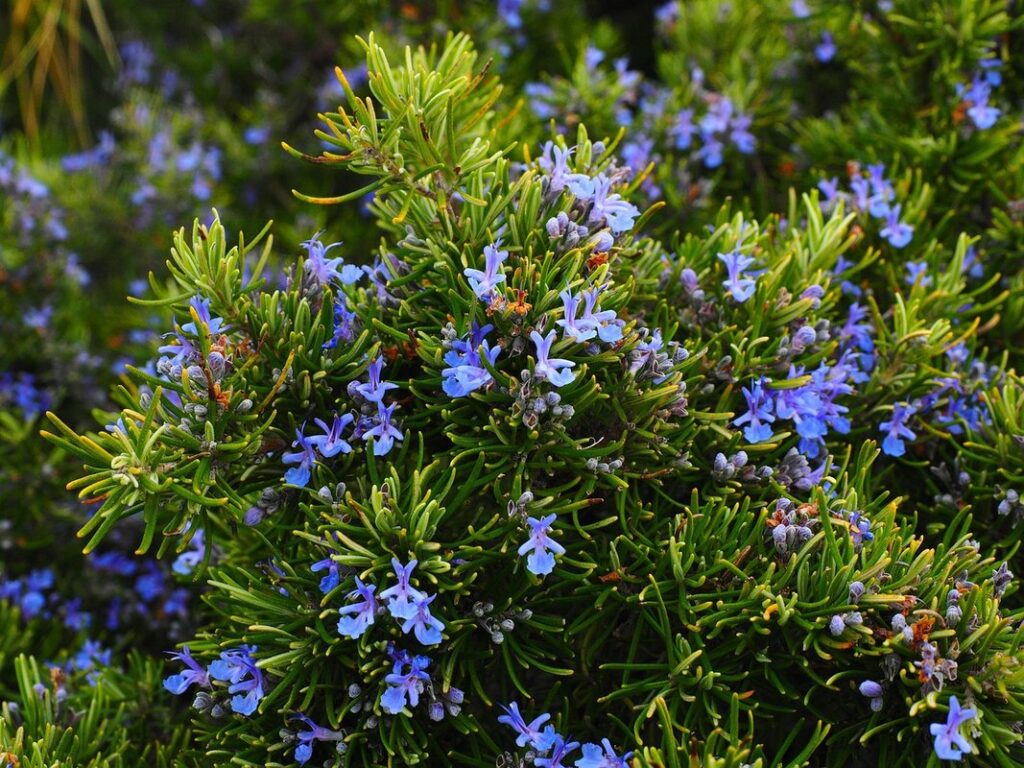
Understanding Rosemary and Its Needs
To truly make the most of rosemary companion planting, it’s essential to understand this hardy herb’s unique needs and requirements for optimal growth. Let’s dive into what makes rosemary tick.
Introduction to Rosemary as a Companion Plant
Rosemary is one of the most versatile and aromatic herbs you can grow in your garden. Native to the Mediterranean region, this fragrant perennial has been prized for centuries for its culinary, medicinal, and ornamental value. In cooking, rosemary is a staple herb used to flavor meats, soups, and stews. Its pine-like flavor pairs particularly well with roasted vegetables, lamb, and olive oil.
Beyond the kitchen, rosemary has been used in herbalism for its potential health benefits, including reducing inflammation and improving digestion. The herb’s fragrance also makes it a popular choice for potpourri and crafts. As a gardener, you’ll appreciate rosemary’s ability to thrive in well-drained soil and full sun, making it an ideal addition to Mediterranean-style gardens.
With its many uses and benefits, it’s no wonder that rosemary is a favorite among gardeners. By learning how to incorporate companion plants into your rosemary garden, you can unlock the secrets to a thriving and diverse landscape. In the next section, we’ll explore the best companion plants for rosemary and how they can enhance its growth and flavor.
Characteristics of Rosemary That Make It an Ideal Companion Plant
Rosemary’s distinct characteristics make it an excellent companion plant for many gardeners. Its fragrance is one of its most notable features – a pungent aroma that repels pests and attracts beneficial insects. This scent also contributes to rosemary’s ability to improve the overall health and resilience of nearby plants, making it a valuable asset in any garden.
Its growth habits are another reason why rosemary is an ideal companion plant. As a low-maintenance herb, rosemary requires minimal care and can thrive in a variety of conditions. This adaptability makes it easy to pair with other plants that may have different needs or requirements.
Rosemary also boasts impressive pest-repellent properties. Its oils are known to deter common garden pests like carrot flies, nematodes, and whiteflies. By planting rosemary alongside susceptible crops, you can naturally prevent infestations and reduce the need for pesticides.
Choosing the Right Companion Plants for Rosemary
When it comes to pairing rosemary with other plants, selecting the right companions can make all the difference in creating a harmonious and thriving garden environment. Here’s how to choose them wisely.
Vegetables That Benefit from Rosemary’s Presence
When it comes to choosing companion plants for rosemary, many gardeners focus on its ability to repel pests and improve soil health. However, did you know that some vegetables actually benefit from being planted alongside this fragrant herb? By strategically pairing certain veggies with rosemary, you can give them an extra boost in growth and flavor.
Carrots are one such example. When grown near rosemary, they tend to grow straighter and thicker, making for a more vibrant harvest. The reason behind this is that rosemary’s strong scent repels the carrot fly, which can cause significant damage to these roots. By planting carrots alongside rosemary, you’re essentially providing them with natural protection against this pest.
Beans are another vegetable that benefits from rosemary’s presence. These legumes tend to thrive when grown near rosemary, which is said to improve their nitrogen-fixing abilities. This means that beans will be able to take in more nutrients from the soil, leading to healthier and more productive plants.
Tomatoes also benefit from being planted alongside rosemary. The herb’s fragrance helps repel tomato hornworms, a common pest that can cause significant damage to these fruits. By pairing tomatoes with rosemary, you’ll be reducing your reliance on pesticides and creating a healthier environment for your garden.
Incorporating these vegetables into your rosemary companion planting strategy is easy. Simply plant them near your existing rosemary bushes or start new rows using the “three-sisters” method: plant carrots in one row, beans in another, and tomatoes alongside a rosemary border. With this simple approach, you’ll be unlocking the full potential of these vegetables while also creating a thriving garden ecosystem.
Herbs and Flowers That Thrive with Rosemary
When it comes to companion planting with rosemary, there are several herbs and flowers that not only complement its fragrance but also help promote each other’s health and pest resistance. One of the most popular pairings is lavender and rosemary. These two Mediterranean natives have a long history of being planted together, and for good reason – they repel similar pests, such as moths and flies, while their strong scents help mask any potential problems.
Another herb that pairs well with rosemary is thyme. Thyme’s ability to improve soil health through its extensive root system benefits the surrounding plants, including rosemary, by providing essential nutrients and preventing nutrient deficiencies. This partnership also boosts the immune systems of both plants, making them more resilient to disease and pests.
Finally, marjoram is another excellent companion for rosemary. Its ability to repel nematodes (microscopic worms that can harm roots) is especially beneficial in areas where these pests are prevalent.
Companion Plants to Repel Pests and Diseases
When it comes to keeping your garden healthy, choosing the right companion plants is crucial. Let’s explore some fantastic options that repel pests and diseases, working in harmony with rosemary.
Natural Pest Control Methods Using Companion Planting
Companion planting is a natural and effective way to control pests that target rosemary without using chemical pesticides. By strategically placing certain plants alongside rosemary, you can create a pest-free garden. These companion plants emit volatile oils or other compounds that repel pests, protecting the delicate herb from damage.
Some examples of companion plants that repel pests targeting rosemary include basil, which wards off aphids and whiteflies, and mint, which repels spider mites and other insects. Chives are also a great addition to your rosemary garden as they repel aphids and other pests. Marigold is another popular choice for its ability to deter nematodes, microscopic worms that can harm the roots of plants.
To implement this method effectively, plant companion species around the perimeter of your rosemary bed or intersperse them among the rosemary plants. This will not only create a natural barrier against pests but also enhance soil health and biodiversity in your garden.
Examples of Effective Pest-Repelling Companion Plants
When it comes to growing rosemary, companion planting can be a game-changer. Certain plants have been shown to repel pests that target this fragrant herb, making them essential additions to your garden. Let’s take a look at some effective pest-repelling companion plants for rosemary.
Basil and mint are two popular herbs that naturally repel nematodes, which can harm rosemary roots. Planting these herbs nearby will help keep nematode populations under control. Another beneficial plant is lemongrass, known to repel whiteflies that often target rosemary leaves. To make the most of this combination, intersperse lemongrass stalks throughout your rosemary bed.
If you’re battling spider mites, consider adding marigold or calendula to your garden. These flowers emit chemicals that deter these tiny pests, keeping them from sucking the life out of your rosemary plants. Simply plant these companions near your rosemary and enjoy a healthier, more resilient crop.
How to Plant Rosemary with Companion Plants
When it comes to growing rosemary with companion plants, planting them together requires some careful consideration. Learn how to plant rosemary alongside your favorite herbs and flowers for a thriving garden.
Preparing the Soil for a Healthy Rosemary Bed
Before planting rosemary with its companion plants, it’s essential to prepare the soil for optimal growth. Rosemary prefers well-draining soil with a pH between 6.0 and 7.0. If your soil is too acidic or alkaline, amend it with lime or sulfur according to your test results.
In addition to maintaining the right pH level, rosemary requires nutrient-rich soil to thrive. Mix in organic matter like compost or manure tea to provide essential nutrients. Aim for a balanced fertilizer ratio (e.g., 10-10-10 N-P-K) and follow the manufacturer’s instructions. If your soil lacks nitrogen, consider adding a small amount of ammonia-free fertilizer.
When selecting companion plants, choose species that won’t compete with rosemary for resources or create an environment conducive to pests and diseases. For example, planting marjoram near rosemary can lead to root competition and disease transmission. Consider pairing rosemary with thyme, oregano, or lavender instead, as these herbs have complementary growing conditions and pest-resistant properties. By preparing the soil and selecting suitable companion plants, you’ll create a thriving rosemary bed that’s less prone to pests and diseases.
Planting Strategies for Maximizing Benefits from Companion Planting
When it comes to maximizing benefits from companion planting with rosemary, there are several strategies you can employ. Intercropping is a great way to make the most of your space by growing multiple plants together that complement each other’s needs. For example, pairing rosemary with marjoram and thyme creates a harmonious relationship where the taller rosemary acts as a trellis for the smaller herbs.
Crop rotation is another effective strategy to boost the health and productivity of your companion-planted garden. By rotating crops seasonally, you can avoid depleting the soil of specific nutrients and create a balanced ecosystem. This means that after growing rosemary in a particular spot, you can plant a different herb or vegetable that requires different nutrient levels.
Creating a diverse garden ecosystem is also key to maximizing benefits from companion planting. Aim for a mix of plants with varying growth habits, maturity dates, and pest attractors to create a thriving community. By doing so, you’ll not only promote healthy growth but also reduce the need for pesticides and other chemicals in your garden.
Overcoming Challenges in Companion Planting
Even with careful planning, challenges can arise when companion planting, and it’s essential to know how to overcome them to maintain a thriving garden. We’ll walk you through some common hurdles and solutions.
Common Problems When Growing Rosemary with Other Plants
When growing rosemary with other plants, it’s not uncommon to encounter some challenges. One of the main issues is competition for resources such as water, nutrients, and light. For instance, if you’re planting rosemary alongside a heavy feeder like basil or mint, they may deplete the soil of essential nutrients that rosemary needs to thrive.
Diseases can also be a problem when growing rosemary with other plants. The fungal disease root rot, for example, is more likely to spread when multiple plants are competing for water and nutrients in close proximity. To prevent this, make sure to provide each plant with enough space and separate their roots by at least 6-8 inches.
Another issue that may arise is pest transfer between plants. If you have a plant like lavender or rosemary nearby, aphids or whiteflies can easily jump from one to the other, causing widespread damage. To minimize this risk, keep an eye out for pests and treat affected areas promptly. By being aware of these potential problems and taking steps to mitigate them, you can create a thriving rosemary garden that complements your other plants.
Solutions to Overcome Challenges in Companion Planting
While companion planting can bring numerous benefits to your garden, it’s not without its challenges. One of the most common issues faced by rosemary growers is pest infestations. To tackle this problem, try introducing beneficial insects like ladybugs or lacewings that feed on aphids and other pests. You can also use neem oil or insecticidal soap to control infestations.
Another challenge you may encounter is soil-borne diseases such as root rot. To combat this, make sure your rosemary plant has well-draining soil and adequate air circulation. Regularly pruning the plant can also help prevent disease by promoting healthy growth and removing any infected areas.
Proper soil amendments can also play a significant role in overcoming challenges related to companion planting. Add organic matter like compost or manure tea to enrich the soil and promote beneficial microbial activity. This will not only improve soil structure but also enhance your rosemary plant’s ability to resist diseases and pests.
Conclusion: Unlocking the Full Potential of Rosemary Companion Plants
Now that we’ve explored the many benefits and varieties of rosemary companion plants, let’s talk about how to make them thrive in your garden.
Recap of Key Takeaways from This Guide
As you conclude this journey through the world of rosemary companion plants, it’s essential to recap the key takeaways from this guide. By incorporating these versatile herbs into your garden, you’ll not only enhance its overall health but also reap numerous benefits for yourself and your gardening endeavors.
One of the primary advantages of using rosemary as a companion plant is its ability to repel pests and diseases that can be detrimental to other plants. For instance, rosemary’s strong scent deters carrot flies and whiteflies, safeguarding delicate crops like carrots and cucumbers. By strategically planting rosemary alongside these vulnerable vegetables, you’ll minimize the need for pesticides and create a more balanced ecosystem.
In addition to pest control, rosemary companion plants contribute significantly to soil health. Their taproots help break up compacted soil, while their leaves add organic matter as they decompose. This process enriches the soil structure, allowing water and air to penetrate deeper, thereby improving drainage and promoting healthy root growth in surrounding plants.
Another significant benefit of rosemary companion plants lies in their capacity to enhance flavor and aroma in nearby herbs and vegetables. The aromatic oils released by rosemary stimulate neighboring plants’ natural defenses, resulting in more resilient and flavorful produce. This phenomenon is particularly noticeable when combining rosemary with basil, which benefits from the improved pest resistance and enhanced fragrance.
To maximize the advantages of rosemary companion plants in your garden:
• Plant them strategically near vulnerable crops to deter pests.
• Use them as a border plant to repel unwanted insects.
• Integrate rosemary into your soil amendment routine by incorporating its leaves into compost piles or using it as a mulch.
• Combine rosemary with other herbs like basil, oregano, and thyme for an aromatic and resilient crop.
By implementing these practical tips, you’ll unlock the full potential of rosemary companion plants in your garden.
Frequently Asked Questions
Can I mix different types of rosemary with their companion plants?
When combining various rosemary varieties with their chosen companions, keep in mind the mature size of each plant to ensure a harmonious arrangement. Some rosemary cultivars may grow larger than others, potentially overshadowing smaller companion plants.
How often should I water my rosemary when paired with companion plants?
The watering needs of your rosemary and its companions might vary depending on their specific requirements. Monitor the soil moisture and adjust your watering schedule accordingly to prevent overwatering or underwatering, which can impact plant health and effectiveness as pest repellents.
What if some pests or diseases still appear despite using companion planting?
While companion plants are effective in repelling many pests, they might not be 100% effective against all issues. Be prepared to use natural pest control methods or organic pesticides as a last resort, focusing on targeted solutions rather than broad-spectrum chemicals that can harm beneficial insects and the environment.
Can I grow rosemary with its companion plants indoors?
While some rosemary companion plants can thrive indoors under suitable conditions, rosemary itself requires bright sunlight and well-ventilated areas to flourish. If you’re growing rosemary in pots indoors, make sure it’s placed near a sunny window or under grow lights to ensure optimal growth.
How do I know if my rosemary is benefiting from its companion plants?
Monitor your rosemary plant for signs of improved health and resilience, such as increased leaf density, robust growth, and resistance to pests and diseases. Regularly inspect your garden and note any changes in the pest population or disease incidence, which can indicate the effectiveness of your companion planting strategy.