
Are you ready to unlock the secrets of your garden? Rosemary, that fragrant and versatile herb, is more than just a tasty addition to your favorite recipes. When it comes to companion planting, rosemary is a superstar, offering numerous benefits for your garden’s health, pest management, and even medicinal properties. By pairing rosemary with other plants, you can create a harmonious ecosystem that promotes growth, repels unwanted critters, and amplifies the beneficial qualities of both plants. In this article, we’ll explore the ins and outs of rosemary companion planting, including expert tips on choosing the right variety, managing common issues, and more. Whether you’re a seasoned gardener or just starting out, this guide will help you harness the full potential of your garden with rosemary by your side.
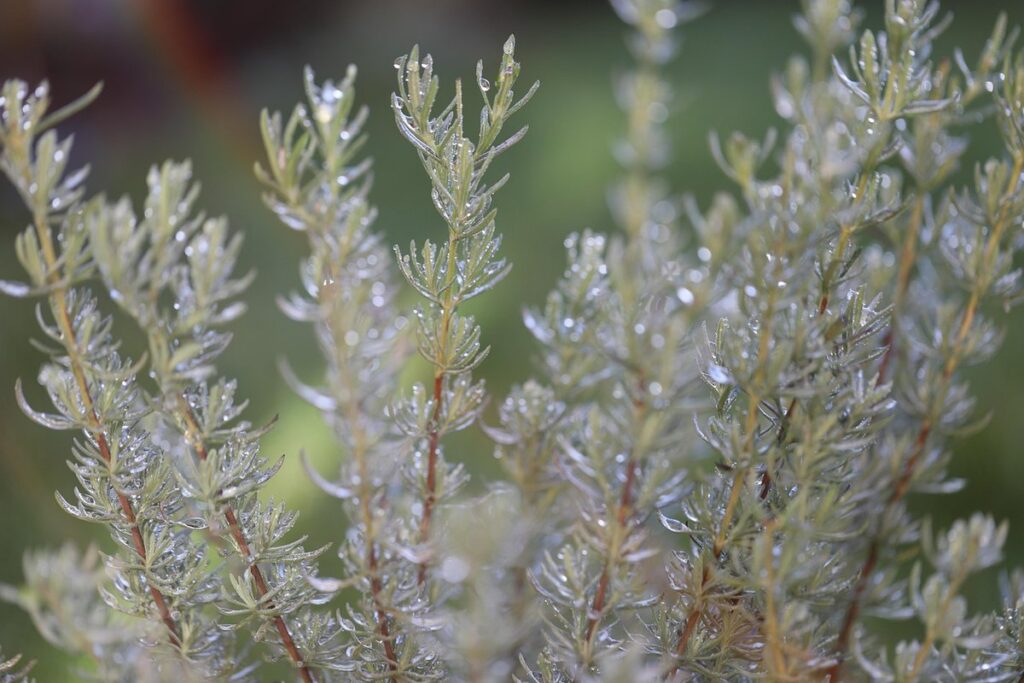
Understanding Rosemary and Its Benefits
Rosemary is a fragrant herb that’s not only delicious, but also packed with benefits for your garden. In this next part, we’ll delve into what makes rosemary so special and how it can enhance your gardening experience.
What is Rosemary and Why is it a Great Companion Plant?
Rosemary has been a prized herb for centuries, not only for its culinary uses but also for its medicinal and aromatic properties. In the realm of gardening, rosemary is highly valued as a companion plant due to its unique characteristics that benefit surrounding plants. Native to the Mediterranean region, rosemary’s history dates back to ancient times when it was used in cooking, medicine, and spiritual practices.
As a natural repellent, rosemary deters pests like mosquitoes, flies, and moths from your garden. Its strong scent also enhances the growth of nearby plants by promoting healthy soil conditions and improving air circulation. When planted alongside vegetables, herbs, and flowers, rosemary creates a balanced ecosystem that reduces stress and fosters robust plant development.
In cooking, rosemary’s piney flavor complements meats, soups, and roasted vegetables. You can use fresh or dried rosemary leaves to add depth to your dishes. To incorporate rosemary into your garden, choose a spot with well-draining soil and full sun exposure. Plant it near vegetables like tomatoes, carrots, and cabbage to reap its benefits.
How to Choose the Right Variety of Rosemary for Your Garden
When selecting the right variety of rosemary for your garden, there are several factors to consider. The primary consideration is your climate and region. Some rosemary varieties thrive in warm, dry climates, while others prefer cooler, moister environments.
For example, ‘Hill Hardy’ rosemary is an excellent choice for colder climates, as it can tolerate temperatures as low as 10°F (-12°C). On the other hand, ‘Miss Jessopp’s Upright’ and ‘Tuscan Blue’ varieties are well-suited to warmer climates with minimal frost.
In addition to climate, consider the space you have available in your garden. Compact or dwarf rosemary varieties like ‘Baby Blue’ and ‘Blue Boy’ are ideal for smaller spaces or containers, while taller varieties like ‘Arp’ and ‘Tuscan Blue’ require more room to grow.
Ultimately, it’s essential to choose a variety that suits your specific needs and conditions. This will ensure a healthy, thriving rosemary plant that can provide the benefits of companion planting in your garden. Research different varieties and consult with local nurseries or gardening experts to make an informed decision.
The Importance of Soil Quality for Healthy Rosemary Growth
When it comes to cultivating rosemary, soil quality is often overlooked as an essential factor for healthy growth. However, just like our bodies require a balanced diet, rosemary plants need optimal soil conditions to thrive.
To give your rosemary plant the best chance at success, ensure that its roots are planted in well-draining, fertile soil with a pH between 6.0 and 7.0. This acidic-to-neutral range is ideal for rosemary’s nutrient uptake. Avoid compacted or waterlogged soils, which can lead to root rot and stunted growth.
To improve your garden’s overall soil quality, consider adding organic matter like compost or well-rotted manure. These amendments not only provide essential nutrients but also enhance the soil’s structure and drainage capabilities. As a bonus, incorporate other beneficial herbs that help maintain soil fertility, such as thyme and oregano. They’ll work in tandem with your rosemary to create a harmonious garden ecosystem.
A study conducted by the Royal Horticultural Society found that rosemary grown in improved soil conditions exhibited increased yields and better resistance to pests and diseases. By prioritizing soil quality, you’ll be well on your way to cultivating robust, aromatic rosemary plants that bring joy to your garden and kitchen.
Common Pests and Diseases Affecting Rosemary and Their Companion Plant Solutions
When growing rosemary, it’s common to encounter pests and diseases that can harm your plants. This section offers practical solutions for common issues and their companion plant remedies.
Identifying and Managing Common Rosemary Pests (e.g., spider mites, aphids)
When it comes to rosemary companion planting, identifying and managing common pests is crucial for a healthy and thriving garden. One of the most pesky problems you may encounter with rosemary is spider mites, tiny insects that feed on plant sap and can cause yellowing leaves and stunted growth. To control these critters, introduce beneficial insects like ladybugs or lacewings into your garden. These natural predators will feed on the spider mites, helping to keep their population under control.
Aphids are another common pest problem affecting rosemary plants. These soft-bodied insects can reproduce quickly, causing curled or distorted leaves and sticky honeydew droplets on the plant’s surface. To manage aphid infestations, spray your rosemary with a forceful jet of water to dislodge them, followed by a soap solution to help kill any remaining insects.
To prevent these pests from taking over your garden in the first place, make sure to provide your rosemary plants with good air circulation and keep an eye out for signs of infestation. By introducing beneficial insects and using natural methods for controlling pests, you can create a harmonious balance in your garden and enjoy healthy, thriving rosemary plants all season long.
Understanding the Role of Fungal Diseases in Rosemary Health
Fungal diseases can be a significant threat to rosemary plants, causing a range of symptoms from yellowing leaves to reduced growth and even plant death. One of the most common fungal diseases affecting rosemary is root rot, which occurs when the roots become waterlogged, creating an ideal environment for fungi to thrive. Root rot can cause the plant’s stems to turn black and mushy, making it difficult to identify at first glance.
To diagnose root rot, look for signs such as soft or mushy stems, a sour smell, or yellowing leaves that don’t recover after pruning. Companion plants like thyme, oregano, and marjoram have natural antifungal properties that can help combat root rot. Plant these species alongside your rosemary to create a symbiotic relationship where each plant benefits from the others’ health.
You can also treat fungal diseases with companion planting by introducing beneficial microorganisms into the soil. Beneficial nematodes, for example, can attack and kill fungal pathogens, helping to restore balance to the ecosystem. To incorporate these natural treatments, mix them into the soil or water before applying it to your rosemary plants.
Companion Plants that Enhance Rosemary Growth and Repel Pests
When growing rosemary, certain companion plants can not only enhance its flavor and fragrance but also naturally repel pests like whiteflies and spider mites. Let’s explore some of these beneficial pairings together!
Herbs: Basil, Thyme, Oregano, and Marjoram as Rosemary Companions
When it comes to growing rosemary with other herbs, some companions work particularly well. Basil, thyme, oregano, and marjoram are all great choices for a harmonious garden. These herbs not only enhance rosemary’s growth but also repel pests that might otherwise damage your plant.
Basil is an excellent companion for rosemary, as it helps improve air circulation around the plant, reducing the risk of fungal diseases like powdery mildew. To get the most out of this pairing, plant basil on either side of the rosemary stem, about 6-8 inches away from the base. This spacing allows both plants to receive adequate sunlight and water without competing for resources.
Thyme is another low-maintenance companion that pairs well with rosemary. It helps repel pests like spider mites and mealybugs, which can be detrimental to rosemary’s health. Plant thyme about 12-18 inches away from the base of the rosemary stem, allowing it to spread out without shading the surrounding area.
Oregano and marjoram are also beneficial companions for rosemary, offering natural pest control and adding nutrients to the soil through their extensive root systems. Plant these herbs around the perimeter of your rosemary patch, about 18-24 inches away from the base, to create a balanced ecosystem that promotes healthy growth.
Vegetables: Tomatoes, Carrots, and Peppers That Thrive with Rosemary
When it comes to pairing vegetables with rosemary, certain varieties thrive under its companionship. Tomatoes are one of them. Planting tomatoes near rosemary not only improves their growth but also enhances the flavor and aroma of the fruit. This synergy is due to rosemary’s ability to repel pests that target tomatoes, such as whiteflies and aphids.
Carrots too benefit significantly from being planted alongside rosemary. The herb helps deter carrot rust flies and other insects that might damage the crop. Plus, its fragrance can improve soil quality, which carrots need for healthy development.
Peppers also love to grow in proximity to rosemary. Not only do they receive protection from pests like spider mites and hornworms but may even develop a more intense flavor profile due to the herb’s influence. Planting these vegetables together encourages robust growth, better yields, and improved overall health – all while reducing the need for chemical pesticides or fertilizers.
To leverage rosemary’s benefits with tomatoes, carrots, and peppers, plant them in close proximity (about 6-8 inches apart). Make sure to prune your rosemary regularly to promote bushy growth and prevent it from overpowering its companions. With proper care and attention, this harmonious trio will flourish together – providing you with a bountiful harvest of delicious produce.
Companion Plants that Support Rosemary’s Medicinal Properties
When it comes to maximizing rosemary’s medicinal benefits, certain companion plants can enhance its potency and effectiveness, making your garden a healthier haven. Let’s explore these beneficial pairings together!
Lavender and Its Potential Health Benefits When Grown with Rosemary
When it comes to growing rosemary with other herbs, one fascinating combination is pairing it with lavender. Not only do these two plants complement each other’s fragrance and aesthetic appeal, but they also have the potential to enhance their medicinal properties when grown together.
Research suggests that certain plant compounds can interact positively when different herbs are co-planted. In the case of rosemary and lavender, studies indicate that combining them may amplify the bioavailability of their respective active compounds, like carnosic acid in rosemary and linalool in lavender. These compounds have been shown to possess anti-inflammatory, antioxidant, and antimicrobial properties.
To reap these potential health benefits, consider growing rosemary alongside lavender in a garden bed or container. When planted together, they may exhibit enhanced germination rates, improved soil health, and increased resistance to pests and diseases. For instance, you can interplant rosemary with lavender at a ratio of 1:2 (one part rosemary to two parts lavender) to create a balanced and harmonious growing environment.
This synergistic relationship between rosemary and lavender holds promise for promoting overall well-being. By cultivating these herbs together, gardeners may not only enjoy a more resilient and diverse plant community but also tap into their combined health benefits, from reducing inflammation to fighting off pathogens.
How Chamomile and Lemon Balm Can Enhance Rosemary’s Effects
When it comes to enhancing Rosemary’s medicinal properties, two plants that make excellent companions are Chamomile and Lemon Balm. By planting these herbs alongside Rosemary, you can amplify its benefits while also creating a harmonious and thriving garden ecosystem.
Chamomile, with its soothing and calming effects, complements Rosemary’s invigorating properties perfectly. When grown together, the two plants create a synergistic effect that enhances memory retention and improves cognitive function. This is particularly beneficial for individuals experiencing stress-related mental fatigue or seeking to improve their focus and concentration. To maximize this benefit, plant Chamomile around the perimeter of your Rosemary patch, allowing its calming influence to gently envelop the area.
Lemon Balm, on the other hand, adds a fresh and uplifting energy to the mix. Its citrusy scent and antioxidant properties help balance out Rosemary’s potency, creating an overall sense of well-being and vitality. To incorporate Lemon Balm into your companion planting scheme, interplant it within your Rosemary patch or use it as a border plant around the perimeter.
Growing Rosemary as a Companion Plant for Vegetable Gardens
When growing your own vegetable garden, consider adding rosemary as a companion plant to improve growth and deter pests naturally. This hardy herb can bring numerous benefits to your garden ecosystem.
Rosemary’s Role in Repelling Garden Pests (e.g., mosquitoes, flies)
One of the most attractive benefits of growing rosemary as a companion plant is its natural pest-repelling properties. When it comes to keeping unwanted visitors away from your vegetable garden, rosemary is an excellent ally. Its potent scent can repel a range of pests, including mosquitoes and flies.
To harness rosemary’s pest-repelling powers, you don’t need to go overboard with complicated methods or expensive chemicals. Simply plant rosemary near the areas where you want to deter pests. For example, if you’re growing vegetables like tomatoes or cucumbers that are susceptible to aphid infestations, plant some rosemary nearby.
Rosemary’s effectiveness as a natural pest repellent has been demonstrated in various studies. In one experiment, rosemary essential oil was shown to reduce the number of mosquito bites by up to 40%. Similarly, when planted near cabbage plants, rosemary can help keep away pests like cabbage moths and flies.
By incorporating rosemary into your garden, you’ll not only be repelling unwanted pests but also adding a flavorful herb that’s perfect for cooking.
Boosting Soil Health with Rosemary: A Guide to Creating a Balanced Ecosystem
Rosemary’s incredible ability to promote soil health makes it an excellent companion plant for vegetable gardens. By incorporating rosemary into your garden design, you can create a balanced ecosystem that benefits from its natural properties.
When planted alongside vegetables, rosemary helps to repel pests and attract beneficial insects, such as bees and butterflies. However, its impact on soil health is equally impressive. Rosemary’s fragrant oils and antimicrobial properties help to control fungal diseases, suppress weeds, and improve nutrient cycling in the soil. This can lead to healthier plant growth, increased yields, and a more robust garden ecosystem.
To harness rosemary’s benefits for your soil, consider the following tips:
* Plant rosemary near areas where you’ve experienced fungal diseases or poor drainage.
* Use rosemary as a border around vegetable beds to prevent weeds from taking over.
* Consider growing rosemary in containers or raised beds to improve drainage and aeration.
* Harvest rosemary regularly to encourage bushy growth, promote root development, and stimulate the release of beneficial oils.
By incorporating these strategies into your garden design, you can unlock the full potential of rosemary’s soil-enhancing properties.
Tips and Tricks for Successful Companion Planting with Rosemary
Now that you’ve learned how to choose the perfect rosemary companions, let’s dive into some practical tips to make your companion planting experience a success. These expert tricks will help you avoid common pitfalls and achieve harmonious garden growth.
Timing and Spacing Rosemary Correctly in Your Garden Layout
When integrating rosemary into an existing garden layout, timing and spacing are crucial to avoid competition for resources and ensure harmonious growth. Consider the mature size of the rosemary plants – typically 1-3 feet tall – and leave sufficient space between them to allow for air circulation and easy access.
To time your rosemary planting correctly, choose a location with well-draining soil and full sun to partial shade conditions. Aim to plant in early spring or fall, when the temperatures are mild and there is adequate moisture in the soil. Avoid planting during peak summer months when the intense heat can stress young plants.
In terms of spacing, a general rule of thumb is to plant rosemary 12-18 inches apart. This will provide enough room for the plants to spread out without overcrowding each other. Be mindful of companion plants with deeper roots or larger foliage, such as tomatoes and sunflowers, which may require more space around them.
By considering timing and spacing when incorporating rosemary into your garden layout, you can create a balanced and thriving ecosystem that showcases the unique benefits of this versatile herb.
Adapting Companion Planting Techniques to Different Climate Zones and Garden Types
Companion planting with rosemary is not a one-size-fits-all approach. As you adapt to different climate zones and garden types, it’s essential to consider the unique conditions of your environment when selecting companion plants for your rosemary.
For example, if you live in a hot and dry climate like Southern California or Australia, focus on drought-tolerant companions that thrive in similar conditions, such as thyme, oregano, or lavender. These plants will help retain moisture in the soil and reduce evaporation around your rosemary plants.
In contrast, cooler climates like those found in Northern Europe or the Pacific Northwest require more hardy and cold-resistant companions. Consider pairing rosemary with garlic, chives, or comfrey to provide structural support and protect against pests that thrive in cooler temperatures.
For container gardens or indoor spaces, choose compact or dwarf varieties of companion plants that won’t compete for space or light. Basil, mint, and lemon balm are all excellent choices for adding a boost of flavor and fragrance to your rosemary without overwhelming the surrounding environment. By tailoring your companion planting strategy to your specific climate zone and garden type, you’ll create a harmonious and thriving ecosystem that showcases the power of rosemary companion planting.
Conclusion: Maximizing the Benefits of Rosemary Companion Planting
Now that you’ve learned how to harness the power of rosemary companion planting, let’s talk about maximizing those benefits in your own garden. We’ll review key takeaways and strategies for success.
Recap of Key Takeaways and Recommended Companion Plants
As we conclude our exploration of rosemary companion planting, let’s recap the key takeaways and recommended plant combinations to help you harmonize your garden.
We’ve seen firsthand the benefits of growing rosemary with certain plants, including improved flavor, pest control, and even medicinal properties. Some standout pairings include rosemary and carrots, which repel pests that target carrots like rabbits and nematodes; rosemary and tomatoes, which enhance tomato growth and flavor; and rosemary and asparagus, which improves asparagus yields.
Of course, no companion planting guide would be complete without mentioning some potential drawbacks. Be aware that rosemary can grow quite aggressively and may shade out smaller plants, so choose companions that will benefit from its shade or can tolerate a bit of competition for light. Also, keep in mind that rosemary’s strong scent can repel beneficial pollinators like bees.
To get the most out of your rosemary companion planting, remember to space your rosemary plants at least 12-18 inches apart and prune them regularly to maintain their shape and promote healthy growth. By following these simple tips, you’ll be well on your way to creating a harmonious garden ecosystem that’s teeming with life and flavor.
Encouragement to Experiment with Rosemary Companion Planting in Your Own Garden
Now that you’ve learned about the various benefits of rosemary companion planting and have some favorite pairings to try, it’s time to encourage you to get creative with this versatile herb. Experimenting with different combinations will not only enhance the flavors and aromas in your garden but also help you become more attuned to the needs of your plants.
Start by observing which rosemary companions are thriving together and why. Are they sharing nutrients, repelling pests, or simply enjoying each other’s company? Take note of these interactions and use this knowledge to inform future planting decisions. You might be surprised at how well a particular pairing works in your garden’s unique conditions.
Don’t be afraid to try new combinations – after all, companion planting is an art that requires experimentation and patience. If you notice a decline in the health or productivity of one plant, it may indicate that the pair isn’t working as intended. Adapt and adjust your pairings accordingly, always keeping in mind the specific needs of each plant.
Some potential pairings to try include rosemary with carrots (to repel carrot flies) or thyme with tomatoes (for improved disease resistance). Remember, companion planting is a journey, not a destination – enjoy the process of discovery and let your garden become a harmonious blend of flavors and textures.
Frequently Asked Questions
Can I grow rosemary indoors as a companion plant?
Yes, you can grow rosemary indoors with other plants to create a harmonious ecosystem that promotes growth and repels pests. Choose a potting mix specifically designed for indoor herbs and provide adequate light, water, and nutrients. Keep in mind that rosemary prefers well-draining soil and full sun.
How do I ensure my rosemary companion planting layout is balanced?
When designing your garden or indoor space, consider the mature size of each plant and leave enough space between them for optimal growth. Balance tall plants with shorter ones to create visual interest and prevent overcrowding. Also, choose a mix of plants that have different watering needs to avoid stressing any one plant.
What if I notice fungal diseases affecting my rosemary? Can it be saved?
Yes, most fungal diseases can be managed or prevented by adjusting your gardening practices. Remove infected areas, improve air circulation, and adjust your watering schedule to promote healthy growth. Consider using natural fungicides like neem oil or baking soda to control the spread of disease.
How do I know which rosemary variety is best for my climate?
Research local rosemary varieties that are known to thrive in your region’s temperature and moisture levels. Some popular types, such as ‘Upright’ or ‘Miss Jessop’s Upright’, can tolerate extreme temperatures and dry conditions. Consider factors like growth habit, fragrance, and disease resistance when selecting the ideal variety for your garden.
Can I use rosemary companion planting to repel pests in my vegetable garden?
Yes, rosemary is a natural pest repellent that can be used alongside other beneficial plants to create a balanced ecosystem. Plant rosemary near vegetables like tomatoes, carrots, and peppers to deter pests like mosquitoes, flies, and spider mites. Regularly prune your rosemary plants to encourage healthy growth and maximum oil production, which repels pests effectively.