
When it comes to growing healthy, thriving roses, understanding when and how to prune them is crucial. A well-planned rose pruning calendar can make all the difference in promoting new blooms, beautiful growth, and a vibrant display of colors in your garden. But with so many factors to consider, it’s easy to get overwhelmed or make mistakes that can harm your beloved flowers. In this article, we’ll guide you through creating a personalized rose pruning calendar that suits your specific needs and climate. We’ll cover essential techniques for proper pruning, common mistakes to avoid, and provide expert tips on how to promote healthy growth and encourage new blooms. By the end of this post, you’ll be equipped with the knowledge to create a stunning rose garden that brings joy and beauty to your outdoor space all year round.
Why Prune Roses Regularly
Regular pruning is essential for promoting healthy growth and encouraging your roses to produce beautiful blooms. In this section, we’ll explore why regular pruning is crucial for rose care.
Importance of Pruning for Healthy Growth
Regular pruning of rose bushes is crucial for promoting healthy growth. When you prune regularly, you encourage new blooms and maintain the overall appearance of your roses. Pruning helps to remove dead, diseased, or damaged branches, which can harbor diseases and pests that harm the plant.
This process also allows air and light to penetrate deeper into the plant, stimulating new growth and encouraging the development of strong stems. Furthermore, pruning helps to control the shape and size of your rose bushes, keeping them looking neat and tidy throughout the growing season.
By regularly pruning your roses, you’ll be rewarded with a more vigorous and productive plant that produces plenty of beautiful blooms. Remember, pruning is not just about cutting back overgrown branches – it’s an essential part of maintaining healthy rose plants that thrive all year round.
Common Challenges Faced by Rose Gardeners
Pruning can be intimidating for beginners or those with limited experience. It’s not uncommon to see rose gardeners hesitant to prune their beloved roses, especially if they’ve never done it before. However, understanding the common challenges faced by rose gardeners can help build confidence and make pruning a more enjoyable process.
One of the main concerns is knowing where to start and how much to prune. With so many types of roses, it’s easy to feel overwhelmed by the different pruning styles and techniques. To address this, start by observing your rose bush and identifying areas that need attention. Look for dead or diseased branches, weak growth, and overgrown stems.
Another challenge is fear of cutting too much, which can lead to a loss of blooms or even plant death. However, proper pruning actually encourages new growth and promotes healthy development. To avoid this mistake, begin by removing only the most obvious dead or damaged branches, then gradually work your way through the bush.
Types of Pruning Cuts and Tools Needed
To prune your roses effectively, you’ll need to know which types of cuts to make and have the right tools on hand, including pruning shears and loppers. This section will walk you through what’s required.
Understanding Different Pruning Techniques
When it comes to pruning roses, understanding different techniques is crucial for maintaining their health and promoting new growth. There are three primary types of cuts you’ll need to make: thinning, reduction, and renewal cuts.
Thinning cuts involve removing select canes or stems to improve air circulation and prevent disease. This type of cut should be about one-quarter inch above a bud eye (the small swelling on the stem from which new growth emerges). Thin out weaker canes to encourage stronger growth and maintain a balanced shape.
Reduction cuts are used to control the size and shape of your rose bush. Remove no more than one-third of the plant’s growth in a single season, as excessive reduction can shock the plant. Cut back stems by about one-half to two-thirds, making sure to cut just above a bud eye.
Renewal cuts involve removing older canes to make way for new growth. This technique is best done when the plant is dormant, and it allows you to rejuvenate old roses or control their size. Be cautious not to remove too much of the plant at once, as this can lead to dieback and other issues.
Essential Tools for Effective Pruning
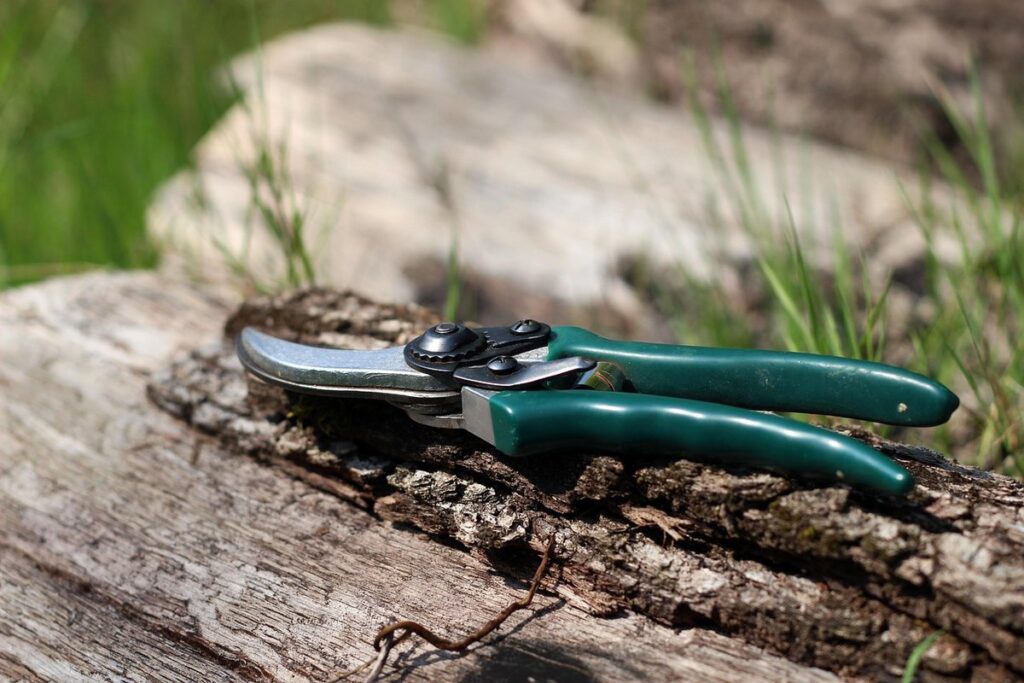
To tackle your rose pruning tasks with confidence, you’ll want to have an arsenal of essential tools at your disposal. At the very least, you should have loppers and pruning shears as the primary cutting instruments. Loppers are perfect for thicker stems, while pruning shears are ideal for smaller branches.
When it comes to gloves, opt for a pair with grip and puncture resistance – rose thorns can be quite unforgiving! Additionally, consider investing in a good quality pruning saw, specifically designed for pruning roses. Its curved blade will help you make precise cuts without causing damage to the plant’s stem.
Don’t forget to also have some basic safety tools on hand, such as a first aid kit and a dust mask, especially if you’re working with particularly thorny varieties. Having all these essential tools within easy reach will allow you to prune your roses efficiently and effectively, making it easier to stick to your pruning calendar.
Creating Your Personalized Rose Pruning Calendar
Now that you have a solid understanding of why pruning is essential for your roses, it’s time to create a personalized calendar tailored to their specific needs. This will help ensure you’re pruning at the optimal times for maximum blooms and health.
Determining the Best Time to Prune Roses
When it comes to pruning roses, timing is everything. The optimal time to prune depends on various factors including climate, season, and specific rose types. In general, it’s best to prune roses during their dormant season, which varies depending on where you live.
In cooler climates with cold winters, the ideal time for pruning is late winter or early spring, around February or March. This allows the plant to focus its energy on new growth rather than trying to heal from a mid-winter pruning. For example, in the UK, it’s common to prune roses in late February, while in the US, it may be more suitable to prune in late March.
In warmer climates with mild winters, like California or Australia, you can prune roses year-round, but it’s still essential to consider the specific type of rose. For instance, hybrid teas and floribundas can be pruned more aggressively than shrub roses. In regions with hot summers, it’s often recommended to prune in late winter or early spring to minimize stress on the plant.
Ultimately, understanding your local climate and choosing the right time for pruning will ensure a healthy and thriving rose garden.
Factors Influencing Pruning Schedules
When creating your rose pruning calendar, it’s essential to consider various factors that can impact the timing and frequency of pruning. Weather patterns, for instance, play a significant role in determining when to prune your roses. In areas with mild winters, you may need to prune your roses more frequently than those living in regions with harsher winters.
Soil type is another crucial factor to take into account. Roses growing in alkaline soils tend to require less frequent pruning compared to those planted in acidic or poorly draining soils. This is because alkaline soils can promote healthy growth, making regular pruning unnecessary. On the other hand, roses growing in challenging soil conditions may require more attention and care.
Additionally, rose bush varieties also come into play when deciding on a pruning schedule. Some varieties, such as Knock Out roses, are bred to be low-maintenance and require less frequent pruning. Others, like English roses, may need regular deadheading and pinching to maintain their shape and promote blooming. Understanding the specific needs of your rose variety will help you create an effective pruning plan tailored to its requirements.
Tips for Pruning Specific Rose Types
When pruning specific rose types, understanding their unique characteristics and needs is key to achieving optimal results. Learn how to prune Hybrid Tea, Floribunda, and Climbing roses for a blooming success.
Pruning Hybrid Tea, Floribunda, and Grandiflora Roses
When it comes to pruning hybrid tea, floribunda, and grandiflora roses, you’ll want to follow specific techniques to maintain their unique growth habits. Hybrid teas are known for their high-center canes, which should be removed at a 45-degree angle just above a bud eye. This encourages new growth from the base of the plant.
Floribundas, on the other hand, produce clusters of blooms and have a more compact growth habit. Prune these roses by removing weak and spindly growth, cutting back stems to about two feet tall in late winter or early spring. Grandifloras also benefit from this type of pruning, as it encourages branching and promotes more blooms.
When pruning these rose types, be sure to cut just above a bud eye, making clean cuts with sharp tools to minimize damage. Remove any dead or diseased branches at any time of year to maintain plant health. By following these techniques, you’ll be able to enjoy the best possible performance from your hybrid tea, floribunda, and grandiflora roses.
Pruning Climbing, Rambling, and Shrub Roses
When it comes to pruning climbing, rambling, and shrub roses, understanding their unique characteristics is essential for achieving healthy growth and optimal flowering. Climbing roses, often trained on trellises or arbors, benefit from regular maintenance of their structural framework. Prune canes to about two-thirds in late winter or early spring, then remove any dead, diseased, or damaged wood.
Rambling roses are a bit more forgiving but require similar attention to promote vigorous growth and encourage new blooms. Remove dead and damaged branches year-round as you notice them, but do a more thorough pruning in the dormant season (late winter or early spring) by cutting back canes to about one-third of their height.
Shrub roses, on the other hand, are often pruned in late winter or early spring for rejuvenation. Cut back stems to around 6-8 inches above ground level to encourage new growth from base shoots and promote a more compact shape. For all three types, keep an eye out for suckers (shoots growing from the base of the plant) and remove them immediately to maintain the desired form.
Common Mistakes to Avoid During Pruning
When pruning your roses, it’s easy to make mistakes that can harm their health and appearance. This section highlights common errors to steer clear of during the process.
Incorrect Cutting Techniques
When it comes to pruning roses, making common mistakes can have long-lasting consequences for your plants. One of the most significant errors is cutting too much at once. This approach may seem like a quick fix, but it can lead to shock and stress on the plant, causing it to become vulnerable to disease and pests.
Using the right tools is also crucial when pruning roses. Dull or rusty pruners can tear the bark instead of making clean cuts, leading to infection and further damage. On the other hand, using sharp, dedicated rose pruning shears will make a clean cut, promoting healthy healing and minimizing stress on the plant.
Cutting at the wrong time is another mistake that can harm your roses. Pruning during active growth or when the plant is under stress can cause more harm than good. It’s essential to prune your roses according to their specific needs and growth patterns, usually in late winter or early spring before new growth begins.
To avoid these common mistakes, it’s crucial to develop a routine pruning schedule tailored to your rose variety and local climate. By doing so, you’ll be able to identify potential issues and take corrective action, ensuring the long-term health and productivity of your roses.
Pruning Too Frequently or Infrequently
Pruning your roses too frequently or infrequently can have significant consequences on their health and productivity. Over-pruning can lead to stress, making your rose plants more susceptible to disease and pests. It can also cause them to produce fewer flowers and reduce their overall vigor. On the other hand, under-pruning can allow for an overgrowth of dead wood, which can harbor diseases and attract pests.
To find a balance that suits your specific rose varieties, observe their natural growth patterns and prune accordingly. For example, hybrid tea roses require regular pruning to maintain shape and promote blooming, while shrub roses are more forgiving and need less frequent pruning. Start by assessing the overall health of your plants and identify areas that need attention.
When in doubt, it’s better to err on the side of caution and under-prune initially. You can always prune more, but you can’t undo over-pruning. By observing your rose varieties and making informed decisions about their pruning needs, you’ll be well on your way to mastering your rose pruning calendar.
Maintaining Your Roses After Pruning
Now that you’ve pruned your roses, it’s time to focus on their aftercare. Proper maintenance will help them recover and thrive for months to come.
Encouraging New Growth
Now that you’ve pruned your roses, it’s time to encourage new growth. This is where fertilizing, deadheading, and mulching come into play. Regular feeding will give your rose bushes a nutrient boost, helping them produce plenty of flowers throughout the growing season.
Start by applying a balanced, slow-release fertilizer in early spring, following the manufacturer’s instructions for application rates. You can also side-dress with a high-phosphorus fertilizer to promote blooming. For example, if you’re using a 10-10-10 NPK fertilizer, try adding a phosphorus-rich supplement like bone meal or fish emulsion.
Deadheading is another essential technique for stimulating new growth. Remove spent flowers as soon as they fade to encourage the plant to focus energy on producing new blooms. This will also help maintain your rose’s appearance and prevent seed production. Simply snip off the dead flower with scissors, making a 45-degree cut just above a leaf node.
Mulching around your roses helps retain moisture, suppress weeds, and regulate soil temperature. Use a 2-3 inch layer of organic mulch like wood chips or bark nuggets, keeping it a few inches away from the plant’s base.
Monitoring for Pests and Diseases
Monitoring for pests and diseases after pruning is crucial to prevent damage to your newly cut stems. As new growth emerges, it’s essential to keep an eye out for common rose pests like aphids, whiteflies, and spider mites. These tiny critters can spread disease quickly, causing significant harm to your plants.
Prevention is key. To minimize the risk of infestation, make sure your pruning tools are clean and disinfected before each use. Remove any diseased or damaged stems during the pruning process to prevent the spread of fungal diseases like black spot and powdery mildew. Inspect your roses regularly for signs of pests or disease, checking the undersides of leaves and the tips of canes.
If you do detect a problem, treat it promptly with organic or chemical methods. For example, neem oil is an effective treatment for many rose pests, while copper-based fungicides can help control fungal diseases. Be sure to follow the manufacturer’s instructions carefully when using any treatments. Remember, proactive monitoring and management are essential components of maintaining healthy, thriving roses throughout the growing season.
Conclusion: The Benefits of a Well-Planned Rose Pruning Calendar
As you’ve learned how to create and stick to your rose pruning calendar, let’s now explore the rewards that come with effective pruning practices for your beautiful roses.
Recap of Key Points
As we conclude this journey through the world of rose pruning calendars, let’s take a moment to recap the key points that will help you unlock the full potential of your roses. By understanding and mastering your rose pruning calendar, you’ll be able to enjoy healthy, thriving plants that produce an abundance of beautiful blooms.
Regular pruning is essential for maintaining your rose garden’s health and beauty. This means setting aside time each month to prune, deadhead, and inspect your roses. A well-planned rose pruning calendar will help you stay on track and ensure that no tasks are forgotten.
By incorporating this routine into your gardening schedule, you’ll be able to prevent common issues like disease and pests from taking hold. This, in turn, will save you time and effort in the long run. With a well-planned rose pruning calendar, you’ll also experience improved bloom quality, increased plant growth, and reduced maintenance needs.
Remember, mastering your rose pruning calendar takes practice, so don’t be discouraged if it takes some time to get into the swing of things.
Final Tips for Success
As you’ve now gained a solid understanding of creating and implementing a well-planned rose pruning calendar, it’s time to put your knowledge into practice. Don’t be discouraged if you encounter setbacks or make mistakes along the way – they’re an essential part of the learning process. To help you stay on track and achieve optimal results, remember to review and adjust your calendar regularly.
Keep in mind that consistency is key when it comes to rose care. Stick to your schedule as closely as possible, making adjustments only when necessary. Be mindful of weather conditions and make use of any available resources, such as online pruning tutorials or local gardening workshops, to refine your skills.
Finally, don’t underestimate the rewards of effective rose care – you’ll be enjoying a lush, vibrant garden in no time! By following these tips and staying committed to your calendar, you’ll not only develop a deeper appreciation for the art of rose pruning but also reap the benefits of a beautiful, thriving outdoor space.
Frequently Asked Questions
What are some signs that my roses need pruning, beyond the regular schedule?
Pruning is not just about sticking to a calendar; it’s also about observing your plants’ needs. If you notice dead or diseased branches, or if new growth is being crowded out by overgrown stems, it’s time for a prune. Regular inspections will help you catch these issues before they become major problems.
Can I use regular garden shears for pruning roses, or do I need specialized tools?
While general-purpose gardening tools can get the job done, using rose-specific pruners and loppers is recommended. These tools are designed to make clean cuts and reduce damage to the plant’s bark and tissues. Investing in good quality pruning equipment will pay off in the long run with healthier plants.
What if I accidentally prune a healthy branch or cut too much of the stem – can I salvage my rose?
If you’ve made a mistake while pruning, don’t panic! Cut just below the node (where the leaf meets the stem) and make a clean cut. This will help the plant heal quickly. However, be cautious not to over-prune in an attempt to fix your error, as this can do more harm than good.
How often should I water my roses after pruning, especially during hot or dry weather?
After pruning, it’s essential to keep an eye on your rose’s watering needs. Since the plant is under stress from pruning, it requires extra care. Increase watering frequency, but avoid overwatering, which can lead to root rot and other issues.
Can I use organic methods to prevent pests and diseases after pruning my roses?
Yes! After pruning, your rose is more vulnerable to pests and diseases. Use natural deterrents like neem oil or insecticidal soap to protect against aphids, whiteflies, and other common garden pests. Regularly inspecting your plants and using a balanced organic approach will keep them healthy and thriving all season long.