
Are you tired of seeing your beautiful rose garden ravaged by pesky insects? Aphids, whiteflies, scale insects, and mealybugs can quickly take over, leaving behind unsightly damage and even spreading diseases. As a gardener, it’s frustrating to watch your hard work go to waste due to these common rose garden pests.
But don’t worry, there is hope! By learning how to identify and manage these pests using organic methods, beneficial insects, and integrated pest management strategies, you can keep your rose garden healthy and thriving. In this article, we’ll dive into the world of rose garden pests and provide practical tips on how to control them naturally. From aphid-killing predators to mealybug-repelling essential oils, we’ll cover it all. Whether you’re a seasoned gardener or just starting out, this guide will help you grow vibrant, pest-free roses that bring joy to your outdoor space.
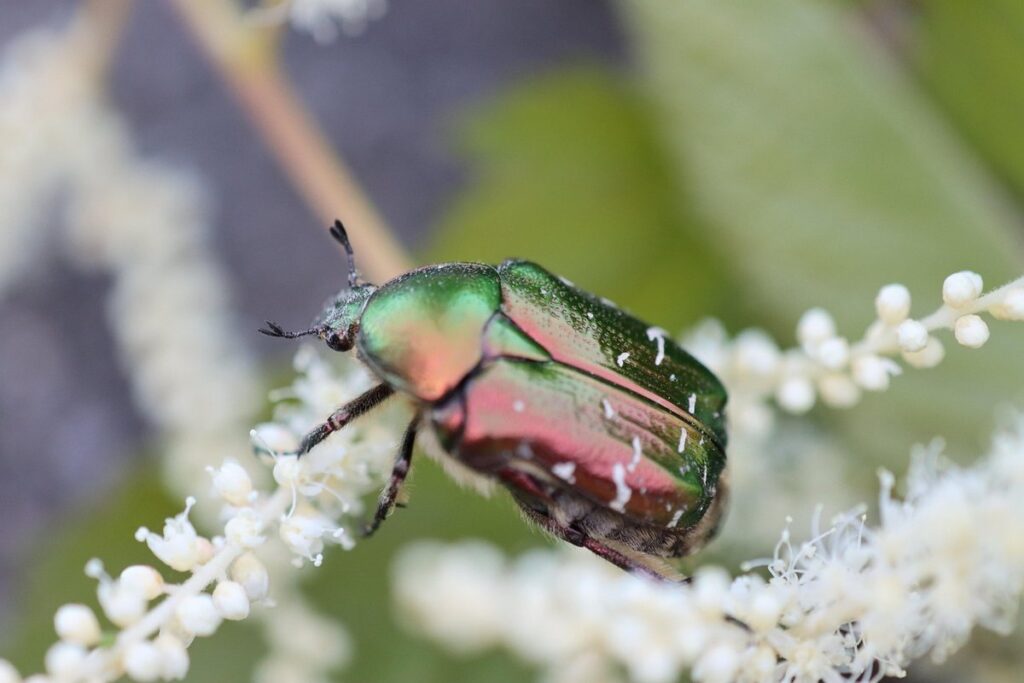
Common Rose Garden Pests
When it comes to maintaining a healthy and thriving rose garden, it’s essential to be aware of common pests that can cause damage. Here, we’ll explore some of these pesky invaders.
Aphids and Whiteflies: The Unwanted Roommates
Aphids and whiteflies are two of the most common and destructive pests that infest rose gardens. These tiny insects feed on plant sap, causing curled or distorted leaves, stunted growth, and reduced flower production.
Aphids have a unique life cycle, which allows them to reproduce rapidly. They can produce live young without mating, and their colonies can explode in just a few days. Whiteflies, on the other hand, lay eggs on the undersides of leaves, which hatch into wingless nymphs that eventually develop wings. Both aphids and whiteflies are attracted to rose gardens by the sweet, sticky sap they secrete.
The damage caused by these pests is significant. Aphid-infested plants may experience reduced yields, while those infested with whiteflies may become weakened and more susceptible to disease. To control these pests, inspect your rose garden regularly for signs of aphids or whiteflies. Use a strong jet of water to dislodge them from the plants, and follow up with insecticidal soap or neem oil to prevent re-infestation. By taking proactive measures, you can protect your roses from these unwanted roommates and ensure a healthy, thriving garden.
Scale Insects and Mealybugs: Armored Pests
Scale insects and mealybugs are two common armored pests that can wreak havoc on your rose garden. These tiny insects are notoriously difficult to spot due to their small size and often-overlooked appearance. Scale insects, as their name suggests, develop a hard protective covering (scale) that shields them from predators and pesticides, making control even more challenging.
Mealybugs, on the other hand, have a distinctive white, cottony coating that can be easily mistaken for fine powder or dust. Both pests feed on plant sap, weakening the rose bush over time. If left unchecked, they can spread disease through their saliva, which can cause further damage to your plants.
To manage these armored pests effectively, inspect your plants regularly, looking closely at the undersides of leaves and stems for signs of infestation. Isolate infected plants to prevent the pests from spreading to other parts of the garden. Use a combination of horticultural oil or insecticidal soap to control outbreaks, applying according to product instructions. Avoid overwatering, which can exacerbate mealybug infestations.
Beneficial Insects That Help with Pest Control
Some beneficial insects, such as ladybugs and lacewings, can actually help control pest populations in your rose garden by feeding on common pests. We’ll introduce you to these helpful creatures.
Lady Beetles and Lacewings: Natural Predators
Lady beetles and lacewings are two beneficial insects that play a crucial role in controlling aphid and other soft-bodied insect populations in rose gardens. These natural predators are a gardener’s best friend when it comes to managing pests without relying on chemical pesticides.
Lady beetles, also known as ladybugs, are particularly effective at targeting aphids, whiteflies, and mealybugs. They secrete a foul-tasting fluid from their leg joints that deters these pests from feeding or reproducing. To attract lady beetles to your rose garden, plant nectar-rich flowers like marigolds, sunflowers, or cosmos near your roses.
Lacewings, on the other hand, feed on aphids, scale insects, and spider mites. These delicate-looking insects are actually voracious predators that can consume hundreds of aphids in a single day. To encourage lacewing populations, provide them with shelter by planting tall herbs like fennel or dill near your roses.
By introducing these beneficial insects to your rose garden, you can reduce the need for chemical pesticides and create a more balanced ecosystem.
Parasitic Wasps: Biological Control Agents
Parasitic wasps are one of the most effective biological control agents for maintaining a balance in your rose garden ecosystem. These tiny wasps attack and kill pest insects like aphids, whiteflies, and caterpillars by laying their eggs inside the pests’ bodies or on their food sources.
When a female parasitic wasp finds an aphid or other soft-bodied insect, she will typically inject her egg into its body using her ovipositor. The egg hatches into a larva that feeds on the host’s internal fluids until it reaches maturity. At this point, the larva pupates and emerges as a new adult wasp.
One of the benefits of introducing parasitic wasps to your garden is their ability to target specific pests while leaving other beneficial insects unharmed. By encouraging these natural predators, you can create a balanced ecosystem that requires fewer chemical pesticides. To attract parasitic wasps, plant a diverse range of flowers that provide nectar and pollen, such as marigolds or sunflowers. This will help support the local wasp population and promote their presence in your garden.
Organic Methods for Pest Management
When it comes to managing pests in your rose garden, you’ll be glad to know that there are plenty of organic methods available that don’t involve harsh chemicals. We’ll explore some of these natural approaches next.
Neem Oil and Soap Solutions: Contact Killers
When it comes to managing pests in your rose garden without harming beneficial insects, using neem oil and soap solutions as contact killers can be a game-changer. These two natural ingredients are effective at directly targeting and eliminating pests on contact.
Neem oil is extracted from the seeds of the neem tree and has been used for centuries to control pests. It works by disrupting the insect’s hormone system, preventing them from reproducing or feeding. To use neem oil effectively, mix 2-3% with water according to the label instructions and spray it directly on infested areas. Be sure to avoid spraying in full sun or during peak heat.
Soap solutions can also be used as a contact killer, but they work in a slightly different way. The soap molecules disrupt the insect’s exoskeleton, causing them to dehydrate and die. To make a soap solution, mix 1 tablespoon of mild dish soap with 1 quart of water and spray it directly on infested areas. This method is gentle enough for use during peak heat or in areas where beneficial insects are present.
Remember to always test a small area first to ensure the solution doesn’t harm your plants. By incorporating neem oil and soap solutions into your rose garden pest management routine, you can effectively eliminate pests without harming the environment.
Garlic Spray and Other Natural Repellents
When it comes to managing pests in your rose garden organically, natural repellents can be a game-changer. One of the most effective and widely used options is garlic spray. This simple yet potent solution can deter a range of pests, including aphids, whiteflies, and spider mites.
To make a garlic spray, blend three cloves of minced garlic with one quart of water. Strain the mixture and add a tablespoon of mild dish soap to help it stick to plant leaves. Spray this concoction on your rose plants every 7-10 days to keep pests at bay. Garlic’s strong scent repels aphids, which are particularly attracted to roses’ sweet nectar.
Other natural repellents worth exploring include hot pepper spray, neem oil, and diatomaceous earth. Hot pepper spray works by overwhelming pests with capsaicin, the compound responsible for chili peppers’ heat. Neem oil, extracted from the seeds of the neem tree, disrupts pest growth cycles and repels insects. Diatomaceous earth, a powder made from fossilized algae, dehydrates and kills pests upon contact. When used in combination with good garden hygiene practices, these natural repellents can provide effective pest control without exposing your rose plants to harsh chemicals.
Integrated Pest Management (IPM) Strategies
To effectively manage rose garden pests, you’ll want to implement a holistic approach that incorporates multiple strategies, including cultural controls and targeted treatments. This is where IPM comes in – a game-changer for healthy gardens.
Monitoring for Pests: Early Detection Is Key
Regular monitoring of your rose garden is crucial for early detection of pests. This allows you to address potential issues before they escalate into full-blown infestations. By keeping a watchful eye on your plants, you can catch signs of pest activity before it’s too late.
Inspect your roses regularly, looking for symptoms such as yellowing leaves, white powdery patches, or actual pests like aphids, thrips, or spider mites. Check the undersides of leaves and stems for eggs, nymphs, or adult insects. Be sure to examine all areas of the plant, including new growth, flowers, and foliage.
Keep in mind that some pest infestations may not be immediately apparent. For example, Japanese beetles can lay eggs on your roses without causing visible damage. However, by regularly inspecting your plants, you’ll be able to identify these hidden threats early on.
Use this knowledge to inform your IPM strategy and take targeted action against the pests you’ve identified. This might involve applying insecticidal soap or introducing beneficial insects that prey on specific pest populations. By acting swiftly, you can minimize damage and maintain a healthy, thriving rose garden.
Cultural Controls: Healthy Rose Plants Are Less Vulnerable
When it comes to managing rose garden pests effectively, understanding that healthy plants are less vulnerable is crucial. A robust rose plant, grown and maintained through proper care, pruning, and soil management, is more resilient against pest attacks. Here’s how you can achieve this:
* Proper Pruning: Regular pruning of rose bushes helps in maintaining their structure and promotes air circulation within the plant. This reduces the likelihood of disease and pest infestations.
* Soil Quality: Healthy roses grow best in well-draining, fertile soil rich in organic matter. Avoid over-fertilizing as it can lead to weak growth and increased susceptibility to pests.
* Sunlight and Watering: Adequate sunlight exposure is vital for rose health. Ensure that your plants receive at least six hours of direct sunlight daily. Also, maintain a consistent watering schedule to keep the soil moist but not waterlogged.
By focusing on these aspects, you’ll not only have healthier roses but also significantly reduce the risk of pest infestations.
Chemical Control Methods
When chemical control methods are necessary, we’ll cover the safest and most effective pesticides to use against common rose garden pests, along with essential application guidelines.
Insecticides and Fungicides: Effective but Careful Use Required
When dealing with severe infestations of rose garden pests, chemical control methods such as insecticides and fungicides may be necessary. However, it’s essential to approach their use with caution and carefully consider the potential risks.
Before applying insecticides or fungicides, identify the specific pest problem you’re facing. This will help you choose the right product for the job. For example, if you’re dealing with aphids, an insecticidal soap or neem oil may be effective. On the other hand, if you have powdery mildew, a fungicide containing sulfur or copper may be necessary.
To ensure safe and effective use, always follow label instructions carefully. This includes wearing protective clothing, working in well-ventilated areas, and avoiding application during peak sun hours. Additionally, consider the environmental impact of your chosen chemical control method. Look for products that are labeled as “bee-friendly” or “organic,” which can minimize harm to beneficial insects.
When selecting an insecticide or fungicide, choose a product with a narrow spectrum of activity to reduce collateral damage to non-target species.
Timing and Dosage: Minimizing Harm to Beneficial Organisms
When using chemical control methods to manage rose garden pests, it’s crucial to strike a balance between effective pest control and minimizing harm to beneficial organisms. The right choice of chemical product is essential; look for products that are specifically labeled as “safe for bees” or “bee-friendly.” However, even with these products, timing is everything.
Applying chemicals at the wrong time can do more harm than good. For instance, spraying during peak pollinator activity (usually between 10 am and 3 pm) can expose beneficial insects to toxic chemicals. Instead, opt for early morning or evening applications when pollinators are less active.
Even with precise timing, improper dosages can still cause damage. Always follow the recommended label instructions, taking into account factors like temperature, humidity, and wind speed. A good rule of thumb is to start with a lower application rate and gradually increase as needed. This approach not only protects beneficial insects but also reduces the risk of chemical residues on your roses’ leaves and flowers.
Frequently Asked Questions
Can I use neem oil on rose plants with aphid eggs?
No, it’s best to apply neem oil when aphids are actively present or during the dormant season before new growth begins. Applying neem oil directly on aphid eggs can harm or kill the young aphids, but it may not prevent re-infestation.
How often should I monitor for pests in my rose garden?
Regular monitoring is key to effective integrated pest management (IPM). Check your roses at least once a week during peak growing seasons. Early detection allows you to address problems before they get out of hand.
What are some signs that scale insects have infested my rose plants?
Look for cottony white patches, particularly on the underside of leaves and stems. Scale insects can also cause yellowing or stunted growth. Regularly inspect your roses, paying close attention to areas where pests tend to accumulate.
Can I use garlic spray as a preventative measure against common rose garden pests?
Yes, garlic spray is an effective repellent for many pests, including aphids and whiteflies. Mix 2 cloves of minced garlic with 1 quart of water and spray the solution on your roses as needed. Reapply after rainfall or heavy watering.
How do I know if I’ve applied too much neem oil to my rose plants?
Overuse of neem oil can cause damage or kill beneficial insects, including bees and butterflies that pollinate flowers. Watch for signs like leaf drop, reduced plant growth, or a decline in flower production. Adjust your application rates as needed, following the recommended guidelines for dilution ratios.