
When it comes to plant development, there’s one crucial aspect that often goes unseen: root growth function. While above-ground foliage gets all the attention, it’s actually the roots that work tirelessly beneath the soil to absorb nutrients and water, fueling a plant’s growth and survival. But did you know that not all plants grow roots at the same rate? In fact, even among the same species, there can be significant variations in root growth function due to factors like environment, genetics, and care practices. As we’ll explore in this article, understanding and regulating root growth is key to promoting healthy plant performance – and it’s easier than you think.
Understanding Root Growth Fundamentals
Root growth function is essential for plant development, but understanding its fundamentals can be complex. Let’s break it down to explore the key factors at play here.
Defining Root Growth and Its Importance
At its core, root growth is the process by which plants establish and maintain their underground root system. This complex network of roots plays a critical role in plant development, as it enables the uptake of water and nutrients from the surrounding soil. A healthy root system allows plants to absorb essential macronutrients like nitrogen, phosphorus, and potassium, as well as micronutrients such as iron and zinc.
In addition to facilitating nutrient uptake, root growth also serves as a storage site for carbohydrates, amino acids, and other vital compounds. This is particularly important during periods of drought or stress when the plant’s above-ground tissues may be unable to access sufficient resources.
As you tend to your plants, remember that root health is directly linked to overall plant well-being. Inadequate root growth can lead to stunted growth, reduced yields, and increased susceptibility to disease. By providing optimal growing conditions, including adequate moisture, nutrients, and aeration, you can support healthy root development and promote robust plant growth.
Types of Roots and Their Functions
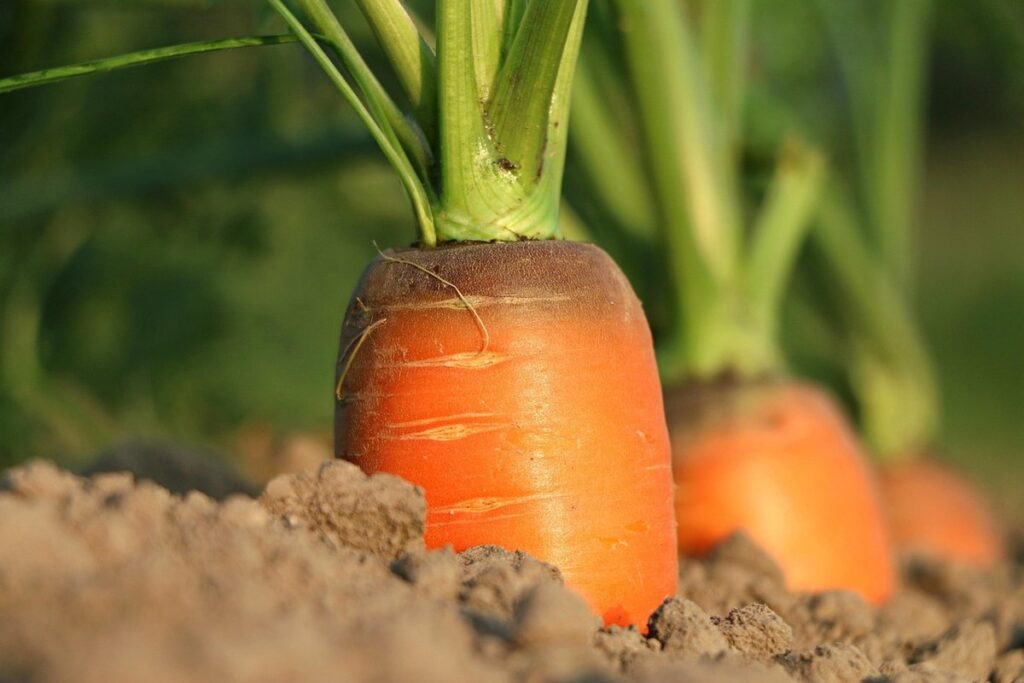
Roots come in various forms, each designed to suit specific growing conditions and environments. Taproots are one of the most common types, characterized by a single main root that grows deep into the soil in search of water and nutrients. Plants like carrots and beets rely heavily on their taproot systems to anchor themselves and absorb essential resources.
On the other hand, fibrous roots are composed of multiple, thin roots that spread out from the base of the plant, increasing its surface area for absorption. This type is prevalent among grasses and many fruit trees. As an example, a healthy apple tree has an extensive network of fibrous roots that allow it to draw in the necessary nutrients and water.
Adventitious roots are produced at any point on the stem or branches of a plant, often as a response to stress or injury. These roots can help plants survive in challenging environments by enabling them to absorb moisture from the air rather than the soil itself. A well-known example is the cactus, which produces adventitious roots that allow it to thrive in arid conditions.
Each type of root has its unique advantages and serves a crucial role in plant development. By understanding these differences, you can better tailor your care strategies to meet the specific needs of various plants.
Factors Influencing Root Growth
Root growth and development are heavily influenced by external factors that can either promote or hinder root expansion. One of the most critical environmental elements affecting root growth is light. While roots do not photosynthesize like shoots, they still require adequate light to grow and develop properly. Adequate light availability stimulates cell division and elongation in the primary root tip.
Temperature also plays a significant role in influencing root growth. Most plants exhibit optimal root growth at temperatures between 20°C and 25°C (68°F to 77°F). Temperatures outside this range can slow down or even completely halt root growth, making it difficult for the plant to absorb essential nutrients and water. For instance, lettuce roots grow most efficiently at a temperature of around 20°C.
Water availability is another crucial factor affecting root development. Roots need adequate moisture to facilitate cell turgor pressure, which allows them to grow and expand. On the other hand, overwatering can lead to reduced oxygen availability in the root zone, further impeding growth. Adequate nutrient supply also influences root growth by providing essential macronutrients such as nitrogen, phosphorus, and potassium.
In terms of specific advice, gardeners should aim to provide optimal light conditions for their plants by placing them near a sunny window or under grow lights. They should also maintain a consistent temperature within the optimal range for their plant species and avoid overwatering by monitoring soil moisture levels regularly.
The Science Behind Root Growth Regulation
Let’s dive into the fascinating world of root growth regulation, where hormones and environmental cues converge to govern root development. We’ll explore what drives these complex processes.
Hormone Signaling Pathways
Plant hormones play a pivotal role in regulating root growth and differentiation. At the core of this process are three key players: auxins, ethylene, and cytokinins. Auxins, such as indole-3-acetic acid (IAA), promote cell elongation and division in the root apical meristem, driving primary root growth. Conversely, ethylene inhibits root growth by suppressing cell division and promoting differentiation.
Cytokinins, on the other hand, counteract the effects of auxin, promoting cell division and proliferation in the root meristem. This complex interplay between hormones allows for dynamic regulation of root growth in response to environmental cues. For instance, under drought conditions, cytokinin levels increase, facilitating root hair elongation to enhance water uptake.
In addition to these primary players, other plant hormones like gibberellins, abscisic acid, and salicylic acid also influence root growth indirectly through feedback mechanisms. Understanding the intricate signaling pathways involved in root growth regulation is crucial for breeding crops with improved drought tolerance and enhanced nutrient acquisition capabilities. By manipulating hormone levels or sensitivity, scientists can unlock novel strategies to improve plant yields while minimizing environmental impact.
Gene Expression and Epigenetic Modifications
At its core, root growth regulation is heavily influenced by genetic mechanisms that govern gene expression and epigenetic modifications. Gene expression refers to the process by which genes are turned on or off to produce specific proteins necessary for root development. This complex interplay of genetic instructions is orchestrated by various transcription factors that bind to DNA and regulate the activity of genes involved in root growth.
Epigenetic modifications, on the other hand, refer to heritable changes in gene expression that do not involve alterations to the underlying DNA sequence itself. These modifications can include DNA methylation, histone modification, and non-coding RNA-mediated regulation. For example, studies have shown that increased levels of auxin, a plant hormone involved in root growth regulation, can lead to epigenetic silencing of genes that suppress root development.
In practical terms, understanding gene expression and epigenetic modifications can help us develop more targeted strategies for promoting healthy root growth in plants. By identifying the specific genetic mechanisms controlling root development, we can design more effective breeding programs or agricultural practices that prioritize root health.
Environmental Stress Response
When faced with environmental stresses such as drought, salinity, and temperature extremes, plants employ an intricate mechanism to survive and thrive. This is known as the Environmental Stress Response (ESR), which involves a series of physiological changes that enable roots to adapt to adverse conditions.
One of the primary responses of ESR is a modification in root growth patterns. Under drought stress, for instance, plants tend to develop deeper and more extensive root systems to access water from greater depths in the soil. This is often accompanied by an increase in the expression of genes involved in water uptake and transport.
In response to salinity stress, roots may exhibit a phenomenon known as “salt exclusion,” where they actively prevent salt ions from entering the plant through the roots. Temperature extremes can also trigger changes in root growth, with some plants developing more extensive root systems to absorb heat-escaping moisture from deeper soil layers.
As plants respond to environmental stresses through ESR, it’s essential for growers and gardeners to understand these adaptations and take steps to support healthy root development. This includes maintaining optimal water and nutrient levels, providing adequate aeration, and monitoring temperature fluctuations in the growth environment.
Root Growth Function in Different Plant Species
When it comes to how roots grow and function, different plant species have evolved unique strategies to adapt to their environments. Let’s explore some of these fascinating variations.
Variations in Root Architecture
Root growth function is not a one-size-fits-all phenomenon. Different plant species have evolved unique root architectures to suit their specific environments and soil types. For instance, plants growing in sandy soils often develop deep taproots to access water that’s scarce at the surface. In contrast, those rooted in clay soils may produce shorter, more horizontal roots to exploit nutrients and water available closer to the surface.
Some plant species have adapted to thrive in low-nutrient environments by developing extensive networks of fine roots. For example, the cottonwood tree produces an extensive root system that allows it to tap into groundwater and withstand drought conditions. Other plants, such as orchids, rely on symbiotic relationships with fungi to break down organic matter and access nutrients.
When selecting plant species for your garden or agricultural needs, consider the soil type and environmental conditions. For areas with poor drainage or nutrient-poor soils, choose plants that have evolved specialized root architectures to adapt to these challenges.
Specialized Roots in Aquatic and Arid Environments
In aquatic environments, plants have evolved unique root adaptations to thrive in waterlogged conditions. The lotus, for instance, boasts a distinctive floating leaf system that allows it to absorb oxygen from the air while its roots anchor into the muddy riverbed. These specialized roots are highly efficient at absorbing nutrients and moisture from the water, enabling the plant to survive with minimal exposure above the surface.
In contrast, plants in arid environments have developed an array of specialized root structures to optimize water uptake. Cacti, for example, possess a network of fine, branching roots that spread out widely beneath the soil’s surface. This extensive root system allows cacti to tap into deep underground water sources, reducing the risk of desiccation in arid conditions.
The key takeaway here is that plants have adapted their root growth function to suit specific environments, illustrating the remarkable diversity and resilience of plant life. By studying these specialized roots, we can gain valuable insights into optimizing our own agricultural practices for challenging climate zones.
Root Growth in Crop Plants
Root growth plays a critical role in crop plants, significantly impacting yield and nutrient uptake. A plant’s ability to absorb nutrients from the soil is largely dependent on its root system, which can account for up to 50% of the plant’s total biomass. For crops like corn, wheat, and soybeans, an extensive root system allows them to tap into deeper water sources and nutrient-rich soil layers.
This leads to improved yields, as plants are able to take in more nutrients and water throughout their growth cycle. For instance, research on maize has shown that increased root depth can lead to a 15-20% increase in grain yield. Moreover, crop resilience is enhanced, allowing them to better withstand environmental stressors like drought.
To promote optimal root growth in crops, farmers can implement practices such as mulching and conservation tillage, which help reduce soil compaction and retain moisture. This not only supports root development but also reduces the need for fertilizers and pesticides. By prioritizing root health, growers can reap numerous benefits, from increased yields to reduced environmental impact.
Methods for Measuring and Enhancing Root Growth
Now that we’ve explored the importance of root growth, let’s dive into practical methods for measuring and enhancing its function in plants. We’ll cover hands-on techniques you can apply immediately.
Non-Invasive Techniques for Assessing Root Growth
When it comes to assessing root growth without compromising the plant’s health, non-invasive techniques come into play. These methods allow you to monitor root development without causing damage or disrupting the plant’s normal functioning.
Imaging techniques are one such example of non-invasive methods for evaluating root growth. Technologies like X-ray computed tomography (CT), magnetic resonance imaging (MRI), and computer tomography (CT) scans enable researchers to visualize roots in three dimensions, even when they’re hidden from view. For instance, a study on tomato plants used CT scans to analyze the relationship between root architecture and nutrient uptake, revealing significant insights into plant efficiency.
Other non-invasive methods include spectrophotometry, which measures electromagnetic radiation reflected by the plant’s roots, and acoustic imaging, which uses sound waves to generate detailed images of underground structures. By leveraging these innovative techniques, researchers can gather valuable information about root growth without causing harm or stress to the plants being studied.
Strategies for Promoting Healthy Root Development
Promoting healthy root development is crucial for optimal plant growth and overall health. Cultural practices play a significant role in enhancing root growth, starting with selecting well-draining soil that provides the necessary oxygen and water absorption. Avoid overwatering, which can lead to suffocation of roots, causing them to become weak and shallow.
Fertilization strategies also impact root development. Applying nutrients at the right time and in the correct amounts is essential. For example, providing nitrogen during the vegetative growth stage supports leaf production but may hinder root growth. Conversely, applying phosphorus promotes root development while reducing vegetative growth. Genetic approaches can also enhance root growth by selecting plant varieties with improved root architecture and density.
For instance, some plant species like rice have been bred to produce deeper roots through genetic modification, enabling them to better access water in dry conditions. Similarly, growers can use techniques such as companion planting or pruning to promote root development in their plants.
Conclusion: The Interconnectedness of Root Growth and Plant Performance
As we’ve explored the intricate relationship between root growth function and plant development, it’s clear that these two aspects are deeply interconnected. A plant’s ability to grow and thrive is heavily reliant on its root system’s capacity for efficient uptake and utilization of water and nutrients from the soil. Conversely, a healthy and robust root system is essential for supporting overall plant performance, including vegetative growth, flowering, and seed production. By recognizing this interdependence, gardeners and horticulturists can take proactive steps to cultivate optimal root growth through proper care, pruning, and nutrient management practices. By doing so, they’ll be rewarded with healthier, more resilient plants that are better equipped to withstand environmental stressors and thrive in a variety of conditions.
Frequently Asked Questions
How can I apply the principles of root growth function to improve my garden’s plant performance?
Applying the concepts discussed in this article requires a nuanced understanding of your plants’ specific needs. Start by monitoring soil health and adjusting fertilization schedules accordingly. Consider incorporating organic amendments that promote beneficial microbial activity, which can enhance nutrient uptake and support healthy root development.
What are some common mistakes people make when trying to regulate root growth function?
One common pitfall is overwatering, which can lead to root rot and hinder healthy growth. Another mistake is neglecting soil pH levels, which can impact nutrient availability and affect root system development. Regularly check your soil’s pH and adjust it as needed to create an optimal growing environment.
Can I use the same root growth strategies for all types of plants?
While some principles may be universal, different plant species have unique root architecture and adaptation requirements. For example, aquatic plants require specialized roots that can thrive in low-oxygen environments. Research specific strategies tailored to your plant’s needs to ensure effective root growth regulation.
How do I measure the success of my efforts to enhance root growth function?
Regular monitoring of soil moisture levels, nutrient uptake rates, and plant growth metrics can provide valuable insights into the effectiveness of your root growth-enhancing strategies. Consider using non-invasive techniques like electrical impedance tomography or ground-penetrating radar to assess root architecture without damaging the roots.
What are some additional factors that can influence root growth function beyond those mentioned in this article?
Environmental stressors such as temperature fluctuations, drought, and flooding can significantly impact root system development. Additionally, genetic predispositions and epigenetic modifications can also play a role in determining an individual plant’s capacity for root growth regulation.