
When it comes to creating a thriving greenhouse environment, there are several factors to consider. But one often-overlooked aspect is roof ventilation – a crucial component that can make all the difference in maintaining optimal temperatures and humidity levels. Proper ventilation ensures that your greenhouse doesn’t become a hotbox, which can be detrimental to plant growth and even damage equipment.
In this article, we’ll explore the importance of roof ventilation systems for greenhouses, including both automatic and manual options. We’ll also delve into expert tips on selecting the right system for your needs, designing an effective ventilation strategy, and maintaining your roof ventilation system for optimal performance. Whether you’re a seasoned greenhouse owner or just starting out, this guide will help you learn how to create a healthy and productive environment for your plants with proper roof ventilation in place.
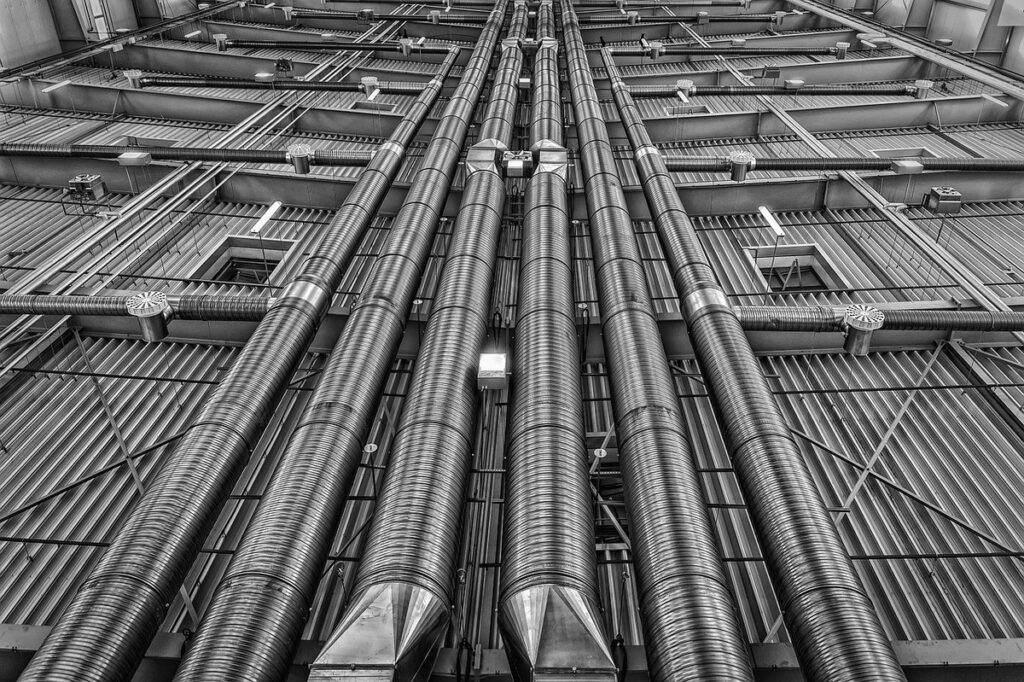
Importance of Proper Ventilation in a Greenhouse
When it comes to maintaining optimal growing conditions, proper ventilation is crucial for ensuring healthy crops and preventing damage to your greenhouse structure. Let’s explore its importance in more detail.
Benefits of Adequate Airflow
Maintaining optimal temperature and humidity levels is crucial for healthy plant growth in a greenhouse. Proper ventilation plays a vital role in regulating these conditions. When air circulates freely within the greenhouse, it helps to remove excess heat and moisture that can lead to overheating, fungal diseases, and pest infestations.
Proper airflow prevents stagnation of stale air, which promotes the buildup of ethylene gas. This potent gas accelerates plant aging, reducing yields and affecting fruit quality. By circulating fresh air, greenhouses maintain a stable environment that fosters optimal growth.
For instance, in a study conducted by the University of California, Davis, researchers found that plants grown in well-ventilated greenhouses exhibited significant increases in growth rates compared to those in poorly ventilated structures. To ensure adequate airflow, consider installing roof vents with adjustable louver sizes and using automatic vent openers to optimize ventilation based on temperature and humidity levels.
Incorporating a smart ventilation system can also help monitor and adjust the greenhouse environment. These systems can be programmed to operate during peak sun hours or when CO2 levels drop. By optimizing airflow through roof ventilation, growers can create an ideal environment for their plants, leading to improved yields and healthier crops.
Negative Consequences of Insufficient Ventilation
When air is not circulated properly within a greenhouse, it can lead to stagnant conditions that have severe consequences on plant health and infrastructure. One of the primary risks is the increased risk of disease. Fungi and bacteria thrive in humid environments, which are often created when fresh air is restricted. Without adequate ventilation, diseases like powdery mildew, leaf spot, and root rot become more prevalent, reducing yields and potentially wiping out entire crops.
Reduced yields are another significant consequence of insufficient ventilation. Plants require oxygen to undergo photosynthesis, but if the atmosphere within a greenhouse becomes stagnant, it can lead to reduced gas exchange rates. This results in lower photosynthetic activity, causing plants to grow slower or not at all. As a result, farmers may see a decrease in yields and overall profitability.
In addition to these issues, stagnant air can also cause physical damage to infrastructure. Condensation occurs when warm air meets cold surfaces, leading to the formation of water droplets. If not properly managed, this condensation can seep into walls, floors, and equipment, causing corrosion and deterioration over time.
Types of Roof Ventilation Systems for Greenhouses
There are several types of roof ventilation systems you can install in your greenhouse, each with its own unique benefits and requirements. Let’s explore them one by one to help you make an informed decision.
Automatic Ventilation Systems
When it comes to maintaining optimal temperatures and humidity levels within greenhouses, automatic ventilation systems are a crucial component. These innovative solutions eliminate the need for manual intervention, ensuring that air is circulated efficiently and effectively.
Solar-powered vents are an excellent option for greenhouses with limited power access or those looking to reduce their carbon footprint. These vents harness natural energy from the sun to open and close, providing precise control over airflow rates. For example, in a study by the University of California, researchers found that solar-powered ventilation systems can reduce greenhouse temperatures by up to 5°C compared to traditional manual systems.
Motorized louvers are another popular choice for automatic ventilation systems. These sleek designs allow for precise adjustments to airflow rates and can be integrated with existing heating and cooling systems. Retractable roofs offer a more comprehensive solution, where entire sections of the roof can be raised or lowered as needed. This design not only improves air circulation but also allows natural light to flood in during winter months when it’s scarce.
In practice, automatic ventilation systems require regular maintenance to ensure optimal performance. Make sure to clean the vents regularly and check for any damage or wear on moving parts.
Manual Ventilation Systems
Manual ventilation systems are a type of roof ventilation designed to provide controlled airflow into and out of greenhouses. Gravity-fed vents are one example of manual systems that utilize the weight of water to open valves when the water level drops, allowing air to enter the greenhouse. These vents are simple, cost-effective, and require minimal maintenance.
However, manual systems like gravity-fed vents have their limitations. They often rely on external factors such as rainwater collection or irrigation systems, which can be inconsistent. Manually operated louvers are another type of manual ventilation system where the user must physically open and close the louvers to regulate airflow.
For greenhouses with a small number of plants, manual systems can be effective and straightforward to operate. However, for larger greenhouses or those requiring precise temperature control, manual systems may not provide sufficient flexibility or efficiency. It’s essential to consider factors like plant density, climate, and desired air exchange rate when deciding whether a manual ventilation system is suitable for your greenhouse.
Choosing the Right Ventilation System for Your Greenhouse
When designing a rooftop ventilation system, selecting the right type of system is crucial to ensure optimal air circulation and temperature control in your greenhouse. This decision will greatly impact the health and productivity of your plants.
Factors to Consider When Selecting a Ventilation System
When selecting a ventilation system for your greenhouse, it’s essential to consider several key factors that will determine its effectiveness and suitability for your specific needs. First and foremost, think about the climate you’re operating in. If you live in an area with high temperatures and humidity levels, you’ll need a more robust ventilation system that can handle the demands of hot summer days.
Consider the size of your greenhouse as well – larger spaces require more powerful ventilation systems to maintain even air circulation and prevent overheating. Your budget is also crucial; while investing in a top-of-the-line system may seem appealing, it’s essential to balance cost with functionality.
The type of plants you’re growing will also play a significant role in determining your ventilation needs. For example, if you’re cultivating delicate seedlings or sensitive plant species, you’ll want to opt for a more gentle and controlled airflow solution. Similarly, if you’re working with plants that require specific temperature ranges, such as orchids, you’ll need a system that can accommodate their unique requirements.
Assessing the Energy Efficiency of Different Ventilation Systems
When choosing the right ventilation system for your greenhouse, it’s essential to consider not only its effectiveness but also its energy efficiency. Different systems have varying operational costs, and understanding these patterns is crucial for making an informed decision.
For instance, solar-powered vent openers are an excellent choice for greenhouses as they harness natural sunlight to power their operation, thereby reducing energy consumption. In contrast, electric motorized vents require more energy to operate but can be more convenient in terms of ease of use. Additionally, some systems like manually operated vents rely on human effort, which may not always be feasible or efficient.
To assess the energy efficiency of different ventilation systems, consider the following factors: operating costs, initial installation expenses, and overall lifespan of the system. Analyze your greenhouse’s specific needs, climate, and layout to determine which type of venting system will yield the best results in terms of both energy savings and optimal air circulation.
Designing an Effective Roof Ventilation System
When it comes to designing a roof ventilation system for your greenhouse, proper airflow is crucial to prevent overheating and maintain optimal growing conditions. Let’s break down the key considerations to keep in mind.
Understanding Greenhouse Climate Zones
Understanding local climate conditions is crucial when designing an effective roof ventilation system for your greenhouse. The varying temperatures and humidity levels across different regions can significantly impact the performance of your ventilation system.
Different areas have distinct climate zones that require tailored approaches to optimize ventilation efficiency. For instance, a region with high temperatures and low humidity may benefit from a more aggressive ventilation strategy, while an area with mild temperatures and high humidity may require a more subtle approach.
To determine the optimal ventilation design for your greenhouse, consider the following factors:
* Temperature fluctuations: Average high and low temperatures for the region
* Humidity levels: Typical ranges during different seasons
* Wind patterns: Average wind speeds and directions
* Solar radiation: Intensity of sunlight throughout the year
Understanding these local climate conditions will enable you to design a ventilation system that effectively regulates temperature, prevents overheating, and maintains optimal humidity levels within your greenhouse. This ensures healthy plant growth, reduces energy consumption, and extends equipment lifespan.
Maximizing Airflow with Strategic Vent Placement
When designing an effective roof ventilation system for your greenhouse, strategically placing vents is crucial to create optimal airflow and reduce stagnation areas. Stagnant air can lead to a buildup of heat, moisture, and CO2, which can negatively impact plant growth and even cause structural damage.
To maximize airflow, it’s essential to balance the number of intake and exhaust vents on your roof. A general rule of thumb is to allocate 10-20% of the roof area for intakes and 5-10% for exhausts. For example, if your greenhouse has a 1,000 sq. ft. roof, you would need at least 100-200 sq. ft. of intake vents and 50-100 sq. ft. of exhaust vents.
When placing vents, consider the direction of prevailing winds in your area to ensure they are working with your ventilation system rather than against it. Positioning vents on opposite sides of the roof can also help create a natural cross-flow that reduces stagnation areas and promotes healthy airflow circulation within your greenhouse.
Maintenance and Troubleshooting for Your Greenhouse Ventilation System
Regular maintenance is crucial to ensure your greenhouse ventilation system operates efficiently, while troubleshooting tips will help you quickly identify and resolve any issues that may arise. Let’s take a closer look at how to keep it running smoothly.
Regular Cleaning and Inspection Schedules
Regular cleaning and inspection schedules are crucial to maintaining optimal performance of your greenhouse ventilation system. A neglected system can lead to reduced airflow, increased energy consumption, and even equipment failure. To prevent these issues, set aside time for routine maintenance tasks.
Start by cleaning filters regularly. This is usually a monthly task, but it depends on usage and environmental conditions. Dirty filters restrict airflow, causing the system to work harder and consume more energy. Use a soft-bristled brush or a specialized filter cleaning tool to gently remove debris without damaging the filters. Replace them as needed.
Inspect motors and bearings every 6-12 months. Check for signs of wear, such as unusual noises, vibrations, or increased heat buildup. Clean any dust or debris that may have accumulated on the motor casing. Apply lubricant to moving parts as recommended by the manufacturer.
Check seals around doors and joints regularly to prevent air leaks. Inspect gaskets and replace them if they show signs of degradation. Consider using a sealant specifically designed for greenhouse applications to ensure longevity.
By incorporating these tasks into your maintenance schedule, you’ll be able to identify and address potential issues before they become major problems, ensuring optimal performance and extending the lifespan of your ventilation system.
Identifying Common Issues and Solutions
Identifying common issues with your greenhouse ventilation system is crucial to maintaining optimal growing conditions. One of the most common problems is clogged vents. Dirt, dust, and debris can accumulate on the vent screens, reducing airflow and compromising plant health. Regularly inspecting and cleaning your vents is essential to prevent this issue.
Another common problem is faulty sensors. Temperature and humidity sensors are critical components in a greenhouse ventilation system. If these sensors malfunction, it can lead to inadequate cooling or heating, which can result in reduced crop yields or even plant damage. Check your sensors regularly and replace them if necessary.
Inadequate airflow is another common issue that can be caused by several factors. It may be due to poor vent placement, insufficient vent size, or blockages from nearby structures. Ensure that your vents are properly sized for your greenhouse and installed at the right location to maximize airflow.
To address these issues, regularly inspect your ventilation system, clean clogged vents, replace faulty sensors, and ensure proper vent placement and sizing. By identifying and resolving these common problems, you can maintain a healthy and productive greenhouse environment.
Case Studies: Real-World Examples of Successful Greenhouse Ventilation Systems
Let’s take a look at some real-world examples that demonstrate how effective roof ventilation can be in maintaining optimal greenhouse conditions. We’ll explore successful case studies from around the globe.
Example 1: [Insert case study description]
The SunnySide Greenhouse is an excellent example of a successful roof ventilation system implementation. This 10-acre greenhouse grows a wide range of fruits and vegetables using hydroponics and NFT systems. The owners, aware of the importance of maintaining optimal temperatures within the greenhouse, decided to invest in a state-of-the-art roof ventilation system.
The system consists of a combination of ridge vents, cupolas, and automatic roof openers that allow for efficient exchange of air inside the greenhouse. This setup enables the owners to remove hot air and reduce humidity levels during peak summer months, preventing the spread of diseases among plants.
As a result, the SunnySide Greenhouse experienced a significant reduction in temperature fluctuations, resulting in improved crop yields and reduced energy consumption by 30%. The owners were able to maintain optimal growing conditions throughout the year, even during extreme weather events. This case study demonstrates how effective roof ventilation systems can be in maintaining healthy greenhouse environments.
Example 2: [Insert case study description]
Let’s take a look at another successful greenhouse ventilation system implemented by a large-scale commercial grower. This example is particularly noteworthy for its innovative use of roof ventilation to control temperature and humidity levels.
The case study involved a 20,000 sq. ft. greenhouse growing a variety of crops, including leafy greens and tomatoes. The growers were experiencing issues with overheating during the summer months, which was affecting crop quality and yield. To address this issue, they installed a roof ventilation system consisting of 12 large fans and 24 motorized vents.
The key takeaway from this case study is the importance of proper ventilation design and installation. The growers worked closely with an expert to ensure that their system was tailored to their specific needs and climate conditions. As a result, they were able to achieve a significant reduction in temperature fluctuations, resulting in improved crop quality and increased yields.
One notable feature of this system was its ability to adapt to changing weather conditions. During periods of high wind or rain, the vents could be closed automatically, preventing water entry and ensuring continued ventilation performance. This level of control and flexibility is essential for any greenhouse operation looking to optimize their roof ventilation system.
Conclusion: Optimizing Roof Ventilation for Greenhouse Success
Now that you’ve learned how to properly size and install roof ventilation, let’s summarize the key takeaways for maximum greenhouse performance. Here are the essential tips to optimize your roof ventilation system.
Recap of Key Takeaways
As we conclude our exploration of roof ventilation for greenhouses, it’s essential to recap the importance of proper ventilation and highlight key considerations for selecting an effective system. Proper ventilation is crucial for maintaining optimal temperatures, preventing overheating, and reducing stress on plants. This can lead to increased crop yields, improved plant health, and a more stable environment.
When selecting a roof ventilation system, consider factors such as airflow patterns, temperature fluctuations, and humidity levels within your greenhouse. Ensure the chosen system can adapt to changing weather conditions and adjust its rate of air exchange accordingly. A well-designed system should also be able to manage wind-driven rain and snow loads without compromising performance.
In practical terms, consider investing in a roof ventilation system that incorporates automatic controls, such as timers or sensors, to optimize airflow based on real-time environmental conditions. Regular maintenance is also vital to ensure the continued effectiveness of your chosen system. By following these guidelines and prioritizing proper ventilation, you’ll be well on your way to creating an optimal environment for your greenhouse crops.
Future Directions in Greenhouse Ventilation Technology
As we’ve explored the importance of effective roof ventilation systems for greenhouses, it’s exciting to consider the future directions that this technology may take. Emerging trends and innovations are poised to improve greenhouse ventilation systems, making them more efficient, sustainable, and adaptable to various environments.
One area of focus is on advanced materials and technologies that can optimize air exchange while minimizing energy consumption. For instance, researchers are investigating the use of phase change materials (PCMs) that can absorb and release heat, reducing the need for mechanical cooling systems. These innovative materials have the potential to significantly reduce greenhouse operating costs and environmental impact.
Another promising development is the integration of sensors and automation technologies into ventilation control systems. By leveraging real-time data on temperature, humidity, and CO2 levels, growers can optimize their ventilation strategies to create ideal growing conditions while minimizing energy waste. This convergence of technology and sustainability is set to revolutionize greenhouse ventilation, enabling more efficient, productive, and environmentally friendly operations.
Frequently Asked Questions
How do I determine the optimal ventilation rate for my greenhouse?
The optimal ventilation rate depends on various factors, including climate zone, plant type, and greenhouse size. A general rule of thumb is to provide 1-2 cubic meters per minute (m³/min) of fresh air exchange per square meter of greenhouse floor space. You can also consult with a professional or use online calculators to determine the specific ventilation needs for your greenhouse.
Can I use existing windows and doors as a primary means of ventilation?
While it’s possible to use existing openings, relying solely on natural ventilation might not provide sufficient airflow, especially during hot summer months. Installing additional roof vents, fans, or other mechanical ventilation systems can help supplement natural airflow and ensure optimal temperature regulation.
What are some common issues that can arise with automatic ventilation systems?
Common issues include faulty sensors, clogged air intakes, or incorrect system configuration. Regular maintenance, such as cleaning and inspecting sensors and filters, can help prevent these problems. It’s also essential to follow the manufacturer’s guidelines for installation and operation.
How often should I clean and maintain my roof ventilation system?
Regular cleaning and inspection schedules depend on usage and environmental conditions. As a general rule, aim to clean your vents every 1-3 months during peak growing seasons. Also, inspect and replace worn-out parts, such as gaskets or fan blades, according to the manufacturer’s recommendations.
Can I mix different types of ventilation systems (e.g., automatic and manual) for my greenhouse?
Yes, combining different types of ventilation systems can be a viable option, especially if you have varying climate conditions or specific needs. For example, using automatic vents during peak heat hours and switching to manual vents during less demanding periods can help optimize energy efficiency and plant growth.