
Ripening tomatoes indoors can be a lifesaver for gardeners who want to enjoy their homegrown harvest year-round. But, let’s face it – not all green tomatoes are created equal, and some just won’t ripen on their own. If you’re struggling with unripe or reluctant tomatoes, don’t worry! With the right techniques and a bit of know-how, you can coax even the most stubborn green tomato into sweetness.
In this guide, we’ll walk you through the basics of ripening tomatoes indoors, including climate control tips and tricks to create an ideal environment for your fruit. We’ll also show you how to select the perfect green tomatoes and explore alternative methods to induce ripening when time is of the essence. Whether you’re a seasoned gardener or just starting out, our step-by-step guide will have you enjoying perfectly ripe tomatoes in no time!
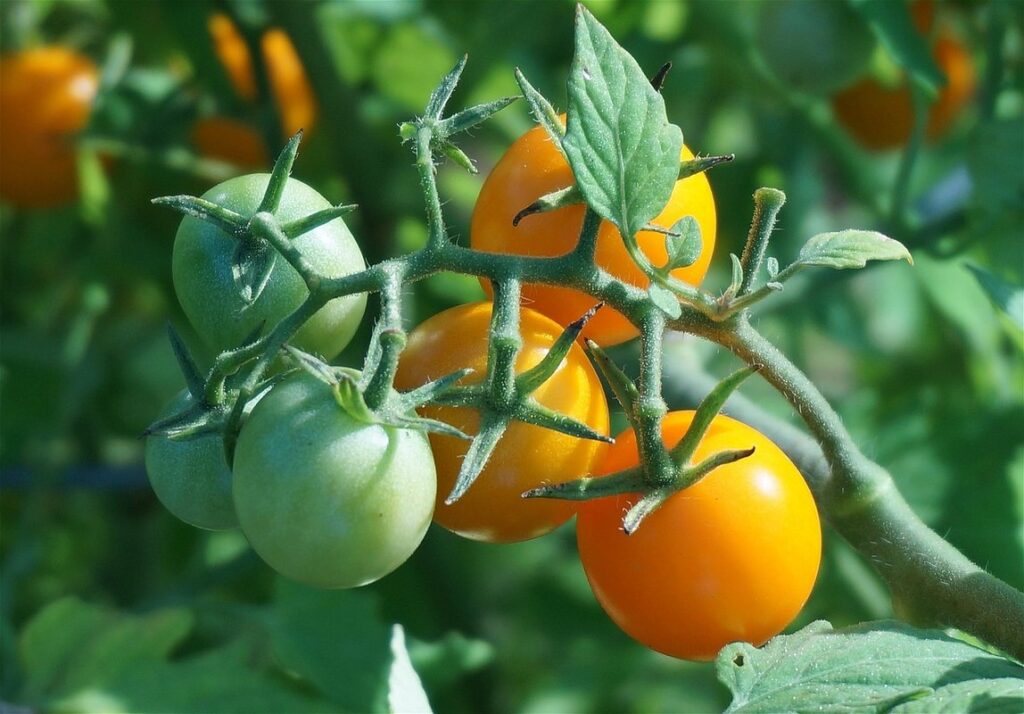
Benefits of Indoor Tomato Ripening
Ripening tomatoes indoors has numerous advantages, including better flavor and texture, reduced spoilage, and extended harvest seasons. Let’s explore these benefits in more detail.
Understanding the Importance of Climate Control
When it comes to ripening tomatoes indoors, controlling temperature and humidity is crucial for achieving optimal flavor, texture, and quality. Temperature fluctuations can cause tomatoes to become mealy or develop off-flavors, while humidity levels that are too high or low can lead to spoilage or uneven ripening.
A general rule of thumb is to maintain a consistent temperature between 65-70°F (18-21°C) for optimal ripening. Temperatures above 75°F (24°C) can cause tomatoes to ripen too quickly, leading to over-ripening and spoilage. Conversely, temperatures below 55°F (13°C) can slow down the ripening process significantly.
Maintaining a relative humidity of 80-90% is also essential for even ripening and preventing moisture loss through transpiration. You can achieve this by placing the tomatoes in a sealed container or cover them with plastic wrap or a damp cloth. Monitor your tomato’s progress closely, adjusting temperature and humidity levels as needed to ensure optimal results. By controlling these factors, you’ll be able to enjoy perfectly ripened, juicy, and flavorful tomatoes indoors.
Factors to Consider When Choosing a Location
When selecting a spot for indoor tomato ripening, there are several key factors to consider. Proximity to light sources is crucial, as tomatoes need direct sunlight to ripen properly. Ideally, choose a location that receives at least 4-6 hours of direct sunlight per day. If this isn’t possible, you can also use grow lights to supplement the natural light.
Temperature fluctuations should also be taken into account. Tomatoes prefer daytime temperatures between 65°F and 70°F (18°C and 21°C) and nighttime temperatures around 55°F to 60°F (13°C and 15°C). Avoid placing your tomato plant near heating or cooling vents, fireplaces, or drafty windows.
Air circulation is another essential factor. Tomatoes need some air movement to prevent fungal diseases from developing. Choose a location with good air circulation, but not so much that it dries out the leaves.
Lastly, consider the proximity of your chosen location to other rooms and activities in your home. You’ll want to minimize distractions and ensure easy access for monitoring and maintenance. By carefully evaluating these factors, you can create an optimal environment for indoor tomato ripening.
Preparing Tomatoes for Indoor Ripening
To ripen tomatoes indoors, you’ll need to carefully prepare them for a consistent environment that mimics the optimal conditions found outdoors. This involves a crucial step before placing them in the indoor ripening area.
Selection and Handling of Green Tomatoes
When selecting green tomatoes for indoor ripening, it’s essential to choose ones that are not only visually appealing but also have the highest chance of success. First and foremost, consider the size of the tomato. Opt for ones that are between 1/2 inch to 3 inches in diameter. These sizes are typically more receptive to ethylene production, a process crucial for ripening.
Another critical factor is weight. Tomatoes with a heavier stem end tend to be less mature than those with a lighter stem end. When handling green tomatoes, inspect the stem quality carefully. Look for signs of stress, like cracks or discoloration. Avoid choosing tomatoes with weak or damaged stems, as these may not ripen properly indoors.
When selecting from your harvest, pick tomatoes that have a slight give when pressed gently. This indicates a higher water content and better potential for ripening. By considering these factors, you’ll be able to choose the right green tomatoes for indoor ripening, increasing your chances of successfully ripened fruits.
Basic Tomato Care Principles
When handling green tomatoes for indoor ripening, it’s essential to follow some basic care principles. Physical damage can lead to spoilage and affect the quality of the fruit, so handle them gently when selecting and transporting them indoors.
Maintaining adequate humidity is another critical factor in keeping tomatoes healthy during the ripening process. Aim for a humid environment, ideally between 60-80% relative humidity, to prevent moisture loss from the skin, which can cause the tomato to shrivel up or become misshapen.
Preventing ethylene production is also crucial. Ethylene is a natural gas that triggers ripening in fruits and vegetables, but excessive levels can lead to spoilage or even kill the plant. Keep tomatoes away from other fruits, especially those that produce high amounts of ethylene, like bananas and apples, to minimize this risk.
It’s worth noting that a cooler environment (around 55-65°F) can help slow down ethylene production in tomatoes, allowing them to ripen more evenly and naturally indoors.
Methods for Inducing Ripening
Once you’ve collected your green tomatoes, it’s time to move on to some tried-and-true methods for inducing ripening. We’ll explore various techniques in this section.
Using Ethylene Gas Generators or Wraps
If you’re short on time or not comfortable using homemade methods to ripen your tomatoes indoors, consider utilizing commercial ethylene gas generators or wraps. These products can stimulate the ripening process by releasing controlled amounts of ethylene gas. Ethylene is a natural plant hormone that promotes fruit ripening.
When selecting an ethylene generator or wrap, ensure it’s specifically designed for indoor use and follow the manufacturer’s instructions carefully. Typically, you’ll need to place the generator in close proximity to your tomatoes or wrap them directly with the product.
Proper application techniques are crucial: a small amount of ethylene release is usually sufficient for a few days, so be cautious not to overdo it – excessive ethylene can lead to spoilage or other issues. Always follow safety precautions, such as keeping the generator out of reach of children and pets, and ensuring good ventilation in the area.
To get started with an ethylene wrap, simply place the wrapped tomato on a paper towel-lined plate or tray, allowing for airflow. For generators, carefully position them according to the manufacturer’s guidelines, usually within 1-2 feet from the fruit. Monitor your tomatoes’ progress, adjusting the ethylene release as needed.
Alternative Methods: Light and Temperature Manipulation
When it comes to ripening tomatoes indoors, you might be wondering if there’s more than one way to achieve the perfect red tomato. While ethylene-based methods are effective, some gardeners prefer alternative approaches that still deliver results without the need for chemicals or special equipment.
One such method is using light exposure to stimulate ripening. LED grow lights, for instance, can provide the necessary wavelengths to encourage color change and softening of the skin. Place your tomatoes under these lights, ideally at a distance of 6-8 inches, for 12-14 hours a day. Monitor their progress, and you might notice results within a week.
Temperature manipulation is another technique worth exploring. Most tomato varieties thrive in temperatures between 65°F to 70°F (18°C to 21°C) during the ripening process. Using heating mats or warm spots can help maintain this optimal range, especially in cooler environments. Keep in mind that temperature fluctuations should be minimal; sudden changes can shock your tomatoes and hinder the ripening process.
When combining light and temperature manipulation, you might see faster results than with a single approach. Be patient, as the ripening time will still depend on the specific tomato variety and its natural progression. By experimenting with these alternative methods, you’ll gain a deeper understanding of what works best for your indoor garden and your tomatoes’ unique needs.
Monitoring Progress and Troubleshooting
As you work on ripening your tomatoes indoors, it’s essential to keep track of their progress and address any issues that may arise, such as uneven ripening. This section will guide you through common problems and solutions to ensure a successful outcome.
How to Check for Ripeness
Monitoring for ripeness is an essential part of successfully ripening tomatoes indoors. As you wait for your tomatoes to reach optimal ripeness, keep a close eye on their color changes. A ripe tomato will typically turn from a bright green or yellow-green color to its final hue, which can range from deep red to various shades of pink and yellow. Note that some heirloom varieties may retain more of their green tint.
To further determine ripeness, perform the softness test. Gently press your thumb into the skin of the tomato near the stem end. A ripe tomato will yield slightly to pressure but still feel firm enough to hold its shape. Be cautious not to squeeze too hard, as this can damage the fruit. You can also check for ripeness by gently tugging on the tomato’s stem; a ripe one should come off easily.
It’s also worth considering ethylene production in your ripening environment. Ethylene is a natural gas produced by tomatoes as they ripen and also promotes ripening in nearby fruits. To maximize this process, ensure good air circulation around your tomatoes to prevent buildup and maintain optimal humidity levels.
Common Issues and Solutions
Uneven ripening can be frustrating when trying to ripen tomatoes indoors. This issue often stems from inconsistent temperature fluctuations, which can cause some tomatoes to ripen faster than others. To avoid this problem, ensure that your tomato-ripening station maintains a consistent temperature between 64°F and 70°F (18°C and 21°C). Keep an eye on the room’s temperature, and consider investing in a thermometer to monitor the temperature of your ripening area.
Mold growth is another common issue when indoor tomato ripening. Excess moisture can encourage fungal growth, so make sure to dry your tomatoes regularly, especially if you’ve washed them recently. A well-ventilated area with good air circulation will also help prevent mold from developing. In severe cases of mold infestation, it may be necessary to discard the affected fruit.
If your tomatoes are not ripening at all, check that they’re receiving enough ethylene gas, which promotes ripening. If you’re using an indoor tomato-ripening bag, ensure it’s not sealed too tightly, as this can prevent ethylene from reaching the fruit.
Tips for Successful Indoor Tomato Ripening
Now that you’ve got your tomatoes indoors, let’s talk about how to ripen them successfully at home with some simple and effective techniques.
Maintaining a Healthy Environment
Maintaining a healthy environment for your indoor tomatoes is crucial to their ripening process. Good air circulation is essential to prevent fungal diseases and maintain even ripening. To achieve this, ensure there’s at least 6-8 inches of space between each tomato plant. You can also use fans or open windows to circulate the air, but be careful not to create drafts that might cause stress to the plants.
Humidity control is another vital aspect of indoor tomato ripening. Tomatoes prefer a relatively low humidity environment, around 60-70%. To maintain this level, you can place the tomatoes near an AC or dehumidifier unit. However, if you don’t have access to these, you can also use trays filled with water and pebbles to increase evaporation and reduce humidity.
Pest management is also a critical aspect of indoor tomato ripening. Check your plants regularly for any signs of pests such as spider mites, mealybugs, or aphids. If you notice any infestation, isolate the affected plant immediately and treat it with organic pest control methods to prevent the spread of disease.
Best Practices for Long-Term Success
For long-term success with indoor tomato ripening, it’s crucial to plan for multiple harvests. This means choosing varieties that mature at different times and staggering their planting dates. For example, you could plant cherry tomatoes every 2-3 weeks to have a continuous supply throughout the season.
Monitoring temperature fluctuations is also vital. Indoor temperatures can fluctuate significantly depending on external factors like weather and heating or cooling systems. Aim for a consistent temperature between 65°F to 75°F (18°C to 24°C), as this will promote even ripening and prevent over-ripening.
Another key aspect of long-term success is implementing an efficient watering system. Use self-watering planters or pots with built-in water reservoirs, which allow for consistent moisture levels without the need for frequent watering. This helps reduce waste and ensures your tomatoes receive the right amount of hydration throughout their ripening process.
Frequently Asked Questions
Can I use a regular household refrigerator to ripen tomatoes?
Yes, you can use a standard home refrigerator for tomato ripening, but ensure it maintains a consistent temperature between 55°F to 65°F (13°C to 18°C) and relative humidity above 80%. Monitor the tomatoes’ progress closely as refrigerators can be quite effective in promoting ripening.
What’s the best way to handle green tomatoes that are showing signs of spoilage?
If you notice any mold, soft spots, or decay on your green tomatoes, discard them immediately. Spoiled tomatoes can spread disease and create an environment conducive to pest infestations, which may harm healthy fruit. Use clean tools and maintain good hygiene when handling all tomatoes.
How long will it take for my tomatoes to ripen indoors?
The time frame varies greatly depending on factors like the tomato variety, initial green color intensity, and environmental conditions. Generally, you can expect ripe tomatoes within 1-3 weeks after introduction to a suitable indoor environment, with consistent temperature and humidity levels.
Can I use a fan to speed up the ripening process?
Yes, a gentle breeze from a fan can help promote even air circulation around your ripening tomatoes. This can encourage faster gas exchange and stimulate the ripening process. However, avoid placing fans too close to the plants or creating direct drafts that might stress the fruit.
What happens if I accidentally over-ripen my tomatoes?
If you notice your tomatoes have gone past optimal ripeness (typically indicated by yellowing skin or an overly soft texture), remove them from their environment immediately and refrigerate at a temperature below 45°F (7°C) to slow down spoilage. Overripe tomatoes can quickly develop off-flavors, become mushy, or even rot completely.