
Butternut squash is one of those ingredients that can be both a blessing and a curse in the kitchen. On one hand, its sweet, nutty flavor makes it a staple for many delicious recipes. On the other hand, getting it to ripen at the right time can be a challenge. Knowing when your butternut squash is ripe and how to store it properly can make all the difference between a perfect dish and a disappointing one. In this article, we’ll dive into expert tips on identifying maturity signs, creating optimal storage conditions, and using speed-up methods to get your butternut squash ripe in no time. Whether you’re a seasoned chef or just starting out in cooking, these tips will help you unlock the full potential of this versatile ingredient.
Understanding Butternut Squash Maturity
Understanding when your butternut squash is ripe can be a bit tricky, so let’s break down the key signs of maturity to look out for.
What Does a Mature Butternut Squash Look Like?
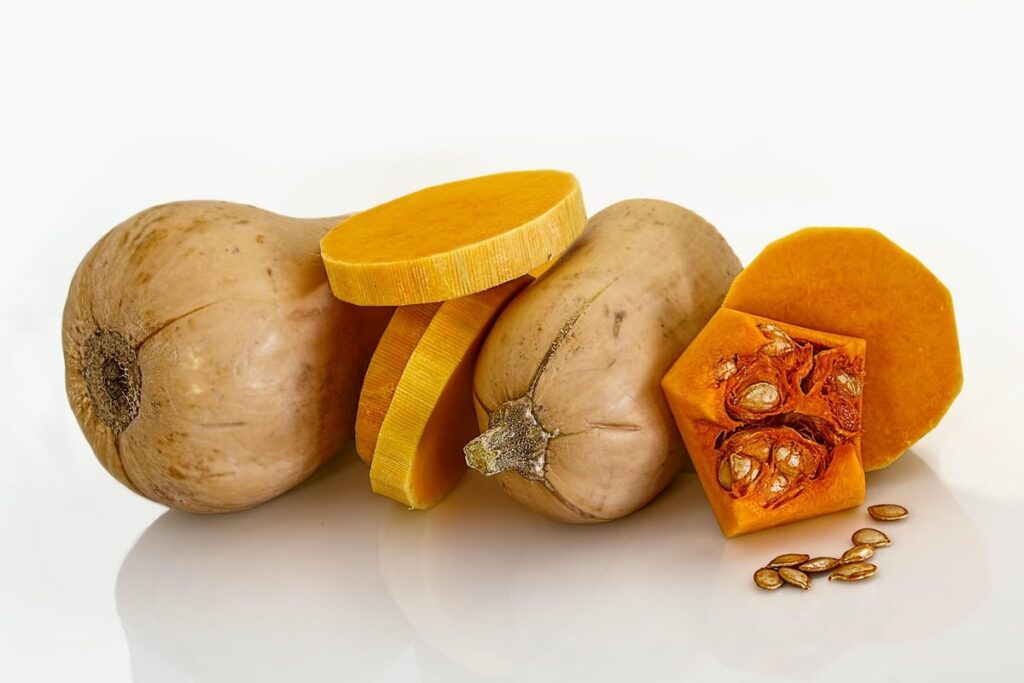
When it comes to identifying a mature butternut squash, there are several key characteristics to look out for. The size of a ripe butternut squash can vary depending on the specific variety, but generally, they should be around 5-10 pounds (2.3-4.5 kg) in weight and about 6-8 inches (15-20 cm) in length.
In terms of color, a mature butternut squash will typically have a deep orange or yellow skin, often with some brown or tan spots. Avoid squashes with green or white skin, as they may not be ripe yet. The shape of the squash is also important – look for ones that are symmetrical and have a rounded end.
To check for ripeness, gently thump the squash. A mature butternut squash will have a deep, hollow sound when tapped, whereas an immature one will have a metallic or tinny sound. This trick can help you identify if your squash is ready to be harvested. With these characteristics in mind, you should be able to spot a mature butternut squash with ease.
Checking for Ripeness Through the Stalk End
Checking the stalk end of your butternut squash is a simple yet effective way to determine if it’s ripe and ready for use. To do this, gently grasp the stem end of the squash and twist it slightly back and forth. A ripe squash will come off easily, leaving some or all of its stem attached.
On the other hand, an unripe squash will have a harder, more fibrous stem that may not come off at all. You can also check for visual cues such as the color of the stem end. A mature butternut squash typically has a brownish or tan-colored stem end, while an immature one will still have its stem attached and appear more green.
If you’re unsure whether your squash is ripe or not, try gently tugging on it. A ripe squash will yield to pressure, but should still be firm enough to hold its shape. Remember that the color of the skin alone is not a reliable indicator of ripeness – some varieties may remain yellow or green even when fully mature. By checking the stalk end and looking for these visual cues, you’ll get a better sense of whether your butternut squash is ripe and ready to eat or store.
Preparing Butternut Squash for Storage
Before storing your butternut squash, it’s essential to clean and dry the skin thoroughly to prevent mold and extend its shelf life. Next, learn how to cure and wrap your squash for optimal storage conditions.
Choosing a Suitable Storage Location
When choosing a suitable storage location for your butternut squash, it’s essential to consider three key factors: temperature, humidity, and light exposure. The ideal storage conditions will help slow down the ripening process and keep your squash fresh for longer.
Temperature is crucial in slowing down the ripening process. Store your butternut squash in a cool, dry place with a consistent temperature between 50-60°F (10-15°C). Avoid storing it near heating vents or radiators, as this can cause the squash to over-ripen quickly.
Humidity levels should also be controlled. Butternut squash prefers a relatively low humidity environment, around 50-60%. This will help prevent mold and mildew from developing on the skin. You can store your squash in a paper bag or breathable container to maintain optimal humidity levels.
Lastly, minimize light exposure by storing your butternut squash away from direct sunlight. Direct sunlight can cause the squash to ripen too quickly, which can lead to spoilage. By controlling these factors, you’ll be able to enjoy your butternut squash for a longer period while maintaining its quality and flavor.
Storing Butternut Squash at Room Temperature
Storing butternut squash at room temperature is a viable option for short-term storage, typically up to two weeks. To do this effectively, it’s essential to handle the squash gently and place it away from direct sunlight and heat sources. A cool, dry location such as a pantry or cupboard works best.
To slow down spoilage, you can store multiple butternut squashes together in a breathable bag or wrap each one individually in paper or cloth. This allows for air circulation around the fruit, reducing moisture accumulation and preventing mold growth. Placing a squash near an unopened window also helps regulate temperature and humidity levels.
Keep in mind that storing at room temperature won’t significantly slow down ripening; this method is best suited for mature squashes with minimal handling damage. Regularly inspect your stored squash for signs of spoilage, like soft spots or mold growth, and discard any affected areas promptly to prevent the spread of decay.
Methods for Ripening Green or Unripe Butternut Squash
To ripen butternut squash quickly and effectively, we’ll be sharing three simple methods that work for green or unripe squash: placing it in a paper bag, using an oven trick, and creating a warm environment.
The Power of Sunlight: Outdoor Ripening
Ripening butternut squash in direct sunlight is an effective method that utilizes natural energy to bring out its full flavor and sweetness. To begin, choose a sunny spot with minimal shading, ideally south-facing for optimal sunlight exposure. Make sure the squash is not touching any surface, allowing air to circulate around it to prevent moisture buildup.
Monitor the squash closely, as over-ripening can occur quickly in direct sunlight. Check on it daily, and once it’s soft to the touch and has a slight give when pressed, it’s ready for use. Keep in mind that butternut squash ripens from the stem end towards the blossom end, so be patient and observe its progression.
To prevent spoilage, ensure good air circulation and avoid placing the squash near any heat sources or areas with high humidity. This approach is particularly useful for small-scale growers or those looking to enjoy their butternut squash soon after harvesting. By following these guidelines, you can successfully ripen your butternut squash using natural sunlight.
Using a Paper Bag to Ripen Butternut Squash Indoors
Using a paper bag is an effective way to ripen butternut squash indoors by trapping ethylene gas and promoting the natural ripening process. To use this method, place the unripe butternut squash in a paper bag with some airholes punched in it, then seal the bag loosely. The trapped ethylene will stimulate the production of enzymes that break down the starches into sugars, causing the squash to soften and sweeten.
It’s essential to monitor the squash for ripeness by checking its weight, skin, and stem regularly. A ripe butternut squash will be slightly soft to the touch, with a dull sheen on the skin. The stem end will also turn from green to brown or dry out. Keep an eye on the squash every few days, as this process can take anywhere from 7-14 days depending on the starting ripeness and variety.
To speed up the process, you can place the paper bag in a warm, dark place like a pantry or cupboard. Avoid placing it near heat sources or direct sunlight, as this can cause uneven cooking and potential spoilage. With patience and proper care, using a paper bag can be an effective way to ripen butternut squash indoors.
Tips for Speeding Up the Ripening Process
If you’re eager to use your butternut squash sooner rather than later, here are some tips and tricks for speeding up the ripening process at home.
Providing Optimal Temperature Conditions
When it comes to ripening a butternut squash, temperature plays a crucial role. The ideal temperature range for ripening butternut squash is between 60°F (15°C) and 70°F (21°C). Any higher or lower than this range can slow down the process.
At temperatures below 55°F (13°C), the ripening process will be significantly slower, taking up to a week longer. On the other hand, temperatures above 75°F (24°C) can cause the skin to become soft and mushy, while also accelerating the decay process.
To speed up the ripening process, you can place the squash in a paper bag with an apple or banana. The ethylene gas produced by these fruits will stimulate the squash’s natural ripening process. However, be careful not to overdo it, as excessive heat and moisture can lead to spoilage.
It’s essential to monitor the temperature and humidity levels during the ripening process to ensure optimal conditions for your butternut squash. A consistent temperature between 65°F (18°C) and 68°F (20°C) will promote even ripening and prevent any off-flavors or textures.
Using a Fruit Ripener or Ethylene Gas Emitters
If you’re short on time or want to skip the waiting game altogether, consider using a fruit ripener or ethylene gas emitters. These commercial products mimic the natural process of ripening by releasing controlled amounts of ethylene gas, which is a key factor in triggering ripening.
Ethylene gas emitters are widely available online and at garden centers. They’re usually small devices that you can place near your butternut squash or other fruits to accelerate the ripening process. To use one effectively, simply follow these steps: Place the emitter according to manufacturer’s instructions (usually within a few inches of the fruit), wait for 24-48 hours, and check on the progress.
Some examples of commercial products include Fruit Ripener by OXO or Harvest Master Ethylene Gas Emitter. Alternatively, you can try making your own ethylene gas emitter at home using household items like yeast, sugar, water, and a plastic bag. This homemade method may not be as effective or convenient as store-bought options but it’s a fun DIY project for adventurous gardeners.
When using these products, keep in mind that over-ripening can still occur if you’re not monitoring the squash closely.
Common Mistakes to Avoid When Ripening Butternut Squash
Ripening a butternut squash can be tricky, and making one common mistake could ruin your entire dish. In this section, we’ll cover what to avoid when trying to ripen a butternut squash.
Over-Ripening: Signs and Consequences
Over-ripening can happen quickly when ripening butternut squash, and it’s essential to recognize the signs before it’s too late. Over-ripe butternut squash turns soft and mushy, often with brown or black spots on the skin. It may also develop a sour smell, which is a clear indication that it’s gone bad.
If you notice any of these symptoms, don’t take a chance – discard the squash immediately. Not only can over-ripened butternut squash be unappetizing, but it can also pose food safety risks if consumed. Bacteria and mold can multiply rapidly on spoiled squash, leading to foodborne illnesses.
To avoid over-ripening, regularly check your squash for any soft spots or changes in texture. If you’re unsure whether a particular squash is ripe, gently scratch the skin with your fingernail; a ripe butternut squash will have a slightly rough texture under the skin. Regular monitoring and early intervention can save your squash from becoming over-ripe and ensure it’s safe to eat.
Under-Ripening: Causes and Solutions
Under-ripening is one of the most common mistakes people make when trying to ripen butternut squash. It occurs when the squash doesn’t receive enough heat, light, or moisture, causing it to remain hard and unripe. There are several reasons why under-ripening happens:
* Insufficient heat: Butternut squash needs a consistent temperature between 65°F to 70°F (18°C to 21°C) to ripen properly.
* Inadequate ventilation: Poor air circulation can prevent the squash from ripening evenly, leading to under-ripe areas.
* Incorrect moisture levels: If the squash is too dry or too wet, it won’t ripen correctly.
To prevent or correct under-ripening, make sure your squash is placed in a warm, well-ventilated area with consistent temperature and humidity. Check on it regularly, turning the squash every few days to ensure even ripening. You can also try wrapping the squash in a damp cloth or plastic bag to increase moisture levels. If you notice any under-ripe areas, don’t worry – simply continue to let it ripen for another day or two. With patience and proper care, your butternut squash will eventually ripen and be ready to eat!
Conclusion and Final Tips
In conclusion, ripening a butternut squash may seem like a daunting task, but with these simple steps and tricks, you’ll be on your way to enjoying perfectly ripe squash in no time. Remember to store it at room temperature, away from direct sunlight, and check for soft spots regularly. If you do happen to notice any soft or mushy areas, cut them off before cooking to ensure food safety.
By following these tips, you’ll be able to bring out the natural sweetness and nutty flavor of your butternut squash. Don’t be afraid to experiment with different storage methods or try microwaving for a quick ripening solution. With practice, you’ll become an expert at selecting and ripening the perfect butternut squash every time.
Frequently Asked Questions
Can I speed up the ripening process without using a paper bag?
Yes, you can use other methods to accelerate the ripening of your butternut squash. For example, placing it near fruits that release ethylene gas, such as apples or bananas, can help stimulate ripening.
What if my butternut squash is still green after following the tips for outdoor and indoor ripening?
Don’t worry, this doesn’t mean you’ve done anything wrong! Some varieties of butternut squash take longer to ripen than others. Check the specific variety’s characteristics and adjust your approach accordingly.
How do I know when my butternut squash is over-ripe or under-ripe after storing it?
Check for signs of spoilage, such as mold, soft spots, or a sour smell. If you notice any of these issues, discard the squash immediately. On the other hand, if your squash feels hard and unyielding to the touch, it may still be under-ripe.
Can I store butternut squash at home without investing in specialized equipment?
Yes, you can store your butternut squash at room temperature for short periods, as long as you provide optimal humidity levels. However, if you plan on storing them for an extended time, consider investing in a root cellar or a climate-controlled environment.
How do I prevent my stored butternut squash from developing brown spots?
Maintain good air circulation around the squash by not overcrowding your storage space. Additionally, avoid exposing it to direct sunlight or extreme temperatures, as this can cause uneven ripening and promote brown spot development.