
Ribwort plantain is often overlooked in favor of more exotic or showy plants, but this unassuming weed has a wealth of secrets waiting to be uncovered. As it turns out, ribwort plantain plays a crucial role in its ecosystem, providing food and shelter for a wide variety of insects, birds, and even mammals. But that’s not all – this incredible plant also boasts impressive medicinal properties, making it a valuable asset in traditional herbal remedies. And if you’re feeling adventurous, you can even try incorporating ribwort plantain into your culinary creations. With its versatility and resilience, it’s no wonder conservation efforts are underway to protect this remarkable species. In this article, we’ll delve into the fascinating world of ribwort plantain, exploring its ecosystem importance, medicinal uses, and more – as well as providing tips on how to grow and propagate this incredible plant.
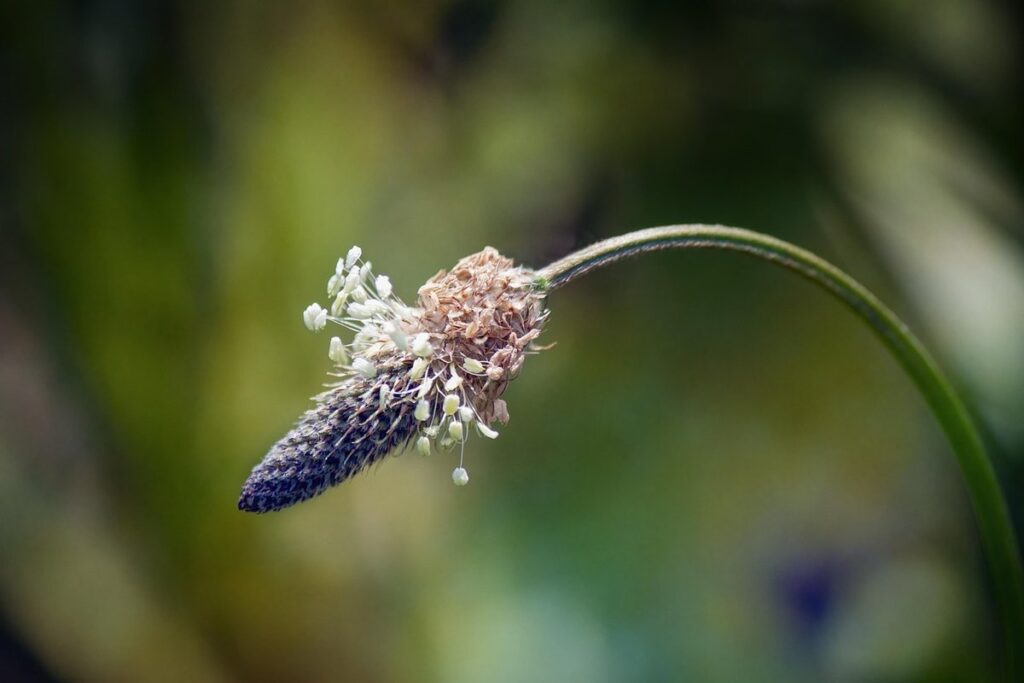
Introduction to Ribwort Plantain
Let’s start by getting familiar with the basics of ribwort plantain, including its botanical name and the key characteristics that make it stand out. This unique herb has been used for centuries in traditional medicine.
What is Ribwort Plantain?
Ribwort plantain is a type of herbaceous perennial that belongs to the Plantago genus. Its botanical name is Plantago lanceolata, and it’s often referred to by its common name ‘ribwort’ due to the fact that its leaves are narrow and have distinctive ribbed edges. This characteristic sets it apart from other types of plantain.
Native to Europe, Western Asia, and North Africa, ribwort plantain has been naturalized in many parts of the world. It thrives in a variety of environments, including grasslands, meadows, and even urban areas. Ribwort plantain is known for its ability to adapt to different conditions, from full sun to partial shade, and can tolerate a range of soil types.
One notable feature of ribwort plantain is its tendency to form large colonies through underground stolons. This allows the plant to spread quickly and establish itself in new areas. Its leaves are also quite distinctive, with a pointed tip and a narrow, lance-shaped base. When crushed or bruised, the leaves release a milky sap that has been used in herbal medicine for centuries.
Importance of Ribwort Plantain in Ecosystems
Ribwort plantain plays a vital role in various ecosystems, providing numerous benefits to both wildlife and the environment. As a key component of many plant communities, it serves as a food source for a wide range of animals, from small insects to larger mammals.
This versatile plant is particularly significant during times of scarcity, when its leaves remain green longer than those of other plants, making them an essential resource for herbivores. For instance, the caterpillars of several moth species rely on ribwort plantain as their primary food source. In addition, many birds, such as the goldfinch and the meadow pipit, feed on its seeds, while bees and butterflies visit its flowers to collect nectar.
As an ecosystem engineer, ribwort plantain also contributes to soil health by stabilizing it through its extensive root system. This allows other plants to thrive in areas that might otherwise be unstable or prone to erosion. By understanding the importance of ribwort plantain in these contexts, we can appreciate its value as a component of diverse ecosystems and strive to preserve this incredible resource for future generations.
Identification and Characteristics
To confidently identify a ribwort plantain, it’s essential to know its distinctive characteristics, which we’ll explore in more detail below. Let’s take a closer look at what makes this plant stand out.
Physical Description of Ribwort Plantain
The ribwort plantain (Plantago lanceolata) is an easily recognizable herbaceous perennial with distinctive physical characteristics. Its leaves are long and narrow, typically measuring between 10-20 cm in length, and tapering to a point at the tip. The leaf margins are entire or sometimes wavy, giving them a slightly irregular appearance.
The upper surface of the leaves is dark green with fine hairs, while the lower surface is paler and often hairless. New growth emerges from a rosette of basal leaves, which can be up to 30 cm in diameter. In late spring, spikes of small, greenish-yellow flowers rise above the foliage on tall stems that can reach up to 100 cm high.
A key identifying feature of ribwort plantain is its unique leaf shape and size, making it a notable presence in woodland edges, hedgerows, and grassy areas throughout Europe. When foraging or botanizing, look for this distinctive plant with its lance-shaped leaves and tall flower spikes to add to your collection.
Growth Habit and Habitat Preferences
Ribwort plantain can be found growing in a wide range of habitats across Europe and Asia. It thrives in damp conditions, often colonizing areas with poor soil quality. This hardy perennial is commonly spotted near ponds, lakes, and rivers, where the moist environment suits its preferences.
In terms of specific habitat requirements, ribwort plantain prefers to grow in wet meadows, along riverbanks, and on lake shores. It can also be found in damp woodland areas, particularly where there’s an abundance of decaying leaves or fallen branches that retain moisture.
When it comes to soil types, ribwort plantain is adaptable but generally favors clay-rich soils with a slightly acidic pH. While it can tolerate a range of light conditions, it tends to do best in partial shade to full sun exposure.
It’s worth noting that ribwort plantain is an invasive species in certain regions, including parts of North America and Australia. This highlights the importance of understanding its growth habits and habitat preferences, especially when considering control measures or management strategies for this versatile yet sometimes problematic plant.
Uses and Benefits
This versatile plant has been used for centuries, and we’re excited to share its many uses and benefits with you. From herbal remedies to gardening tips, let’s explore how ribwort plantain can enrich your life.
Medicinal Properties of Ribwort Plantain
Ribwort plantain has been used for centuries in traditional medicine due to its impressive medicinal properties. The leaves and roots of this versatile plant contain active compounds that exhibit antiseptic, anti-inflammatory, and antimicrobial activities.
Historically, ribwort plantain was used to treat various skin conditions such as wounds, ulcers, and eczema. Its antiseptic properties made it an effective treatment for cleaning and protecting the affected areas from infection. In modern times, studies have confirmed its efficacy in reducing inflammation and promoting wound healing.
The antimicrobial properties of ribwort plantain make it a valuable natural remedy against bacterial and fungal infections. Its extracts have been shown to inhibit the growth of Staphylococcus aureus and Escherichia coli, making it an effective treatment for urinary tract infections and other bacterial conditions.
To harness the medicinal properties of ribwort plantain, you can use its leaves or roots in a variety of ways, such as infusions, salves, or compresses. For minor skin irritations, try applying a cooled tea bag made from fresh ribwort plantain leaves directly to the affected area.
Culinary Uses of Ribwort Plantain
Ribwort plantain has been used as a food ingredient for centuries, particularly in European cuisine. The young leaves and flowers are edible and can be added to salads, sautéed like spinach, or used in soups. In some parts of the world, ribwort plantain is considered a delicacy due to its unique flavor profile.
One way to prepare ribwort plantain is by blanching the leaves in boiling water for 30 seconds to remove bitterness. After cooling, they can be added to salads, pasta dishes, or used as a bed for grilled meats. The flowers are also edible and can be used to garnish dishes or made into fritters.
In some traditional European recipes, ribwort plantain is used in place of spinach or kale due to its slightly sweet flavor. For example, the Italian recipe “Torta di Barbablatta” uses blanched ribwort plantain leaves in a filling for pastry shells. When using ribwort plantain in cooking, be sure to identify it correctly and only use the edible parts to avoid confusion with poisonous lookalikes.
Ribwort plantain is also used as a flavoring agent in some herbal teas and liqueurs. The roots can be dried and made into a tea that is said to have medicinal properties, although more research is needed to confirm this claim.
Conservation Status and Threats
Ribwort plantain is facing various threats, including habitat destruction and invasive species, which have significant impacts on its conservation status. We’ll delve into these pressing issues in more detail below.
Current Conservation Status of Ribwort Plantain
Ribwort plantain is listed as a species of Least Concern on the IUCN Red List, indicating that it has a stable and widespread distribution across Europe. However, local populations may still face threats due to habitat degradation, urbanization, and invasive species.
In the UK, ribwort plantain is considered a priority species for conservation efforts, particularly in the uplands where its habitats are most vulnerable to climate change and land use changes. The Royal Society for the Protection of Birds (RSPB) has identified ribwort plantain as one of the key species that will be affected by habitat loss and fragmentation due to agricultural intensification.
If you’re interested in helping to conserve ribwort plantain, consider supporting local conservation initiatives or participating in citizen science projects. These efforts can help raise awareness about the importance of protecting this species and its habitats. You can also make a difference by reducing your carbon footprint, using sustainable land use practices, and promoting biodiversity-friendly gardening methods.
Some practical steps you can take to support ribwort plantain conservation include:
* Creating a wildlife-friendly garden with native plants that provide food and shelter for pollinators
* Reducing herbicide use in your garden or local community by adopting integrated pest management techniques
* Participating in local clean-up initiatives to help maintain habitats and reduce pollution
Human Impact on Ribwort Plantain Populations
Ribwort plantain populations are facing numerous threats due to human activities that impact their habitats and ecosystems. One of the primary concerns is habitat destruction, which occurs when natural areas are converted into agricultural land, urban developments, or other human-dominated landscapes. As a result, ribwort plantain’s native habitats, such as meadows and grasslands, are being fragmented or lost entirely.
Overgrazing by livestock also contributes to the decline of ribwort plantain populations. Excessive grazing can lead to soil erosion, nutrient depletion, and changes in vegetation composition, making it difficult for ribwort plantain to survive. Climate change is another significant threat, as rising temperatures and altered precipitation patterns disrupt the delicate balance of ecosystems that support ribwort plantain.
To mitigate these effects, consider supporting conservation efforts that focus on restoring habitats, reducing overgrazing, and promoting sustainable land-use practices. By making conscious choices about how we manage our landscapes, we can help preserve the natural habitats of ribwort plantain and ensure their continued survival for future generations to appreciate.
Cultivation and Propagation
If you’re ready to grow your own ribwort plantain, we’ll dive into the details of cultivation and propagation, including tips for successful seed starting and division. This section will guide you through the process.
How to Grow Ribwort Plantain from Seed
Growing ribwort plantain from seed can be a rewarding experience, but it requires patience and attention to detail. To increase germination rates, start by sowing seeds indoors 6-8 weeks before the last frost date. Use a well-draining potting mix and keep the soil consistently moist but not waterlogged.
Once the seeds have germinated (usually within 2-4 weeks), provide them with bright, indirect light and maintain a temperature of around 65°F to 75°F (18°C to 24°C). Ribwort plantain prefers cooler temperatures and can be sensitive to extreme heat.
When seedlings are large enough to handle (about 2-3 inches tall), transplant them into individual pots or directly into the garden. Harden off the plants by gradually exposing them to outdoor conditions over the course of 7-10 days before transferring them permanently.
Transplanting too early can lead to shock, so it’s essential to wait until the seedlings have developed a robust root system and are no longer pot-bound. With proper care and attention, your ribwort plantain will thrive, producing beautiful, silver-gray leaves and delicate white flowers in late spring.
Propagation Methods for Established Plants
Propagating established ribwort plantain plants is a great way to share these amazing plants with friends and family, or to expand your own collection. One of the simplest methods is division, which involves separating the roots of a mature plant into multiple sections. This can be done in early spring or fall, when the plant is dormant. Simply dig up the entire plant, gently separate the roots, and replant each section in well-draining soil.
Another method for propagating ribwort plantain is layering, which involves bending a stem down to the ground and securing it with a rock or U-shaped wire. Roots will develop on the buried portion of the stem, allowing you to cut it from the mother plant once they are established. This technique can be done at any time of year.
Stem cuttings are also effective for propagating ribwort plantain. Take 3-4 inch stem sections with a few sets of leaves, remove lower leaves, and dip the cut end in rooting hormone powder or liquid. Plant the cutting in well-draining soil, keeping it moist but not waterlogged until roots develop.
By using these methods, you can easily multiply your ribwort plantain collection and share these beautiful plants with others.
Frequently Asked Questions
Can I grow ribwort plantain indoors, or does it require a specific climate?
You can grow ribwort plantain indoors, but it requires a bright and well-ventilated space with temperatures between 15°C to 20°C (59°F to 68°F). It’s also essential to replicate the natural light cycle of outdoors by using grow lights. With proper care, ribwort plantain can thrive indoors, making it an excellent choice for urban gardeners.
How do I identify ribwort plantain in its early stages, and what are some common misidentifications?
Young ribwort plantain plants often resemble other weeds or grasses. To identify them accurately, look for the distinctive narrow leaves with prominent midribs. Be aware of common misidentifications like Plantago major (broad-leaved plantain) or other similar-looking species. Consult field guides or online resources to confirm identification.
Can I use ribwort plantain in place of other medicinal herbs, and what are some potential interactions?
While ribwort plantain has impressive medicinal properties, it’s not a direct substitute for other herbs like Echinacea or St John’s Wort. Some potential interactions to consider include increased bleeding risk when combined with anticoagulant medications. Always consult with a healthcare professional before using ribwort plantain as a treatment.
How can I harvest and dry ribwort plantain without losing its potency?
To preserve the medicinal properties of ribwort plantain, it’s essential to harvest the leaves at the right stage (when mature but still tender) and dry them promptly. Tie the stems in small bunches and hang them upside down in a warm, dark place with good air circulation. Monitor the drying process closely to avoid over-drying or mold growth.
Can I use ribwort plantain as a food ingredient for animals, like birds or insects?
Yes, ribwort plantain is an excellent food source for various wildlife, including birds and insects. You can offer fresh leaves or provide dried material in bird feeders or insect hotels. Be sure to choose plants grown without pesticides or other chemicals that might harm the animals consuming them.