
As gardeners, we’re often guilty of throwing away perfectly good materials that could be reused or repurposed. But did you know that adopting a reuse and recycle mindset in your garden can have a significant impact on reducing waste and minimizing environmental harm? By embracing this approach, not only will you be contributing to a more sustainable future, but you’ll also be saving money and creating a unique, eco-friendly haven. In this article, we’ll explore the benefits of reusing and recycling materials in the garden, from repurposing old containers and planters to reducing, reusing, and recycling organic waste. We’ll delve into practical tips and ideas for incorporating these sustainable practices into your gardening routine, helping you create a beautiful, environmentally-friendly oasis that thrives on reuse and recycle principles.
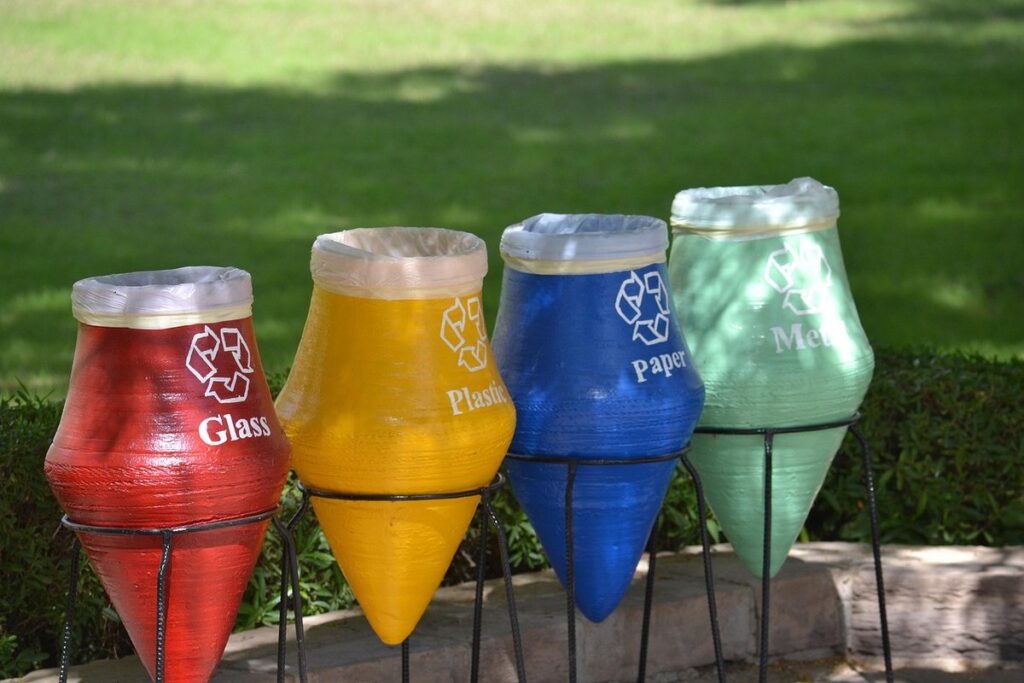
Benefits of Sustainable Gardening Practices
By incorporating sustainable gardening practices, you’ll not only reduce your environmental footprint but also enjoy a healthier and more vibrant garden. Here, we’ll explore some key benefits to get you started on this eco-friendly journey.
Reducing Waste and Minimizing Environmental Impact
Reducing waste and minimizing environmental impact are crucial aspects of sustainable gardening practices. When we garden, we often generate a significant amount of waste, from packaging materials to food scraps and yard trimmings. However, with a little creativity and planning, much of this waste can be reused or recycled.
For instance, old plastic containers like milk jugs and yogurt cups can become mini-greenhouses for seedlings or self-watering planters. Wooden crates and pallets can be repurposed as trellises or garden beds. Even food scraps can be composted to create nutrient-rich soil for your garden. By reusing and recycling these materials, you not only reduce waste but also conserve resources and minimize the environmental impact of your gardening activities.
Some other practical tips include using rainwater collection systems to reduce water waste, repurposing old clothes as reusable garden ties or plant labels, and composting kitchen scraps and yard trimmings to create a nutrient-rich soil amendment. By incorporating these reuse and recycle practices into your gardening routine, you can significantly minimize your environmental footprint and contribute to a more sustainable future for our planet.
Understanding the 3Rs: Reduce, Reuse, Recycle
At the heart of sustainable gardening practices lies the 3Rs: Reduce, Reuse, Recycle. These core principles are not just environmental buzzwords but a practical approach to garden waste management that benefits both our planet and our gardens.
Let’s break down each R: Reduce means minimizing the amount of waste we generate in the first place. In your garden, this can be achieved by choosing plants that require minimal pruning or maintenance, using rainwater harvesting systems, and avoiding single-use gardening tools. For instance, consider using a watering can made from recycled materials instead of disposable plastic bottles.
Reuse involves finding creative ways to repurpose items you might otherwise throw away. Think about using old containers as planters for seedlings or making trellises out of wooden pallets. You can also use newspaper or cardboard to mulch around your plants, reducing the need for synthetic mulches.
Composting for Gardening Success
Composting is a simple yet powerful way to reduce waste and create nutrient-rich soil for your garden, helping your plants thrive. Let’s dive into the basics of composting together.
Setting Up a Composting System
Setting up a composting system is one of the most effective ways to reduce waste and create nutrient-rich soil for your garden. To start, choose a location that’s close to a water source, but not so close that it becomes soggy. A well-ventilated area with some shade is ideal.
When selecting materials for your compost, remember that “green” items like food scraps, grass clippings, and manure are rich in nitrogen. “Brown” items like dried leaves, straw, or shredded newspaper provide carbon. Aim for a mix of 2/3 brown materials to 1/3 green materials.
To maintain the optimal moisture level, aim for a consistency similar to a damp sponge. You can also add bulking agents like wood chips or coconut coir to improve airflow and structure. Start with small batches and gradually increase as you get the hang of it.
Consider using a worm composting bin, which is perfect for small spaces and can process up to 1 pound of food waste per day. This approach not only reduces odor but also creates a valuable fertilizer in just a few weeks.
What to Compost: Organic Materials and Fruits/Vegetables
When it comes to composting for gardening success, understanding what types of organic materials can be composted is crucial. You’ll be surprised at just how much waste you can turn into nutrient-rich soil for your garden. Start by collecting food scraps like fruit and vegetable peels, rinds, and cores – these are the easiest to compost.
Many fruits and vegetables can be added to your compost pile, but some are better than others. For example, citrus peels, eggshells, and coffee grounds are high in nitrogen and will speed up the composting process. On the other hand, avoid adding onion and garlic scraps as they can inhibit microbial growth and delay decomposition. As for vegetables, lettuce, spinach, and carrots can be added whole to your compost pile, while leafy greens like kale and broccoli should be torn into smaller pieces.
Remember, a balanced compost pile needs both ‘green’ (nitrogen-rich) and ‘brown’ (carbon-rich) materials. Aim to maintain a mix of 2/3 brown materials (dried leaves, straw, or shredded newspaper) and 1/3 green materials (food scraps, grass clippings, or manure).
Repurposing Garden Waste
Turn everyday garden waste into something truly useful! In this next step, we’ll explore some clever ways to repurpose old plant pots, cut branches, and more.
Turning Weeds into Mulch
Turning weeds into mulch is a game-changer for gardeners who want to reduce waste and create a more sustainable garden ecosystem. By repurposing weeds, you can not only get rid of unwanted plants but also create a nutrient-rich mulch that benefits the soil.
One method to turn weeds into mulch is by using a weed whacker or string trimmer. Simply mow down the weeds with the trimmer, leaving them on top of the soil. As they dry out, they will break down into a fine mulch that can be easily raked and spread around plants. This process is not only time-efficient but also saves space in your compost bin.
Another approach is to create a weed tea by steeping weeds like dandelion or plantain in water. This liquid fertilizer is rich in nutrients and can be used as a foliar spray to promote healthy growth in your plants. To make weed tea, simply add 1 cup of chopped weeds to a gallon of water, let it steep for 24 hours, and then strain the liquid before using it on your plants.
By turning weeds into mulch or fertilizer, you’re closing the loop and reducing waste in your garden, making it a more self-sustaining ecosystem.
Creating a Trellis from Old Fencing Material
Repurposing old fencing material is a fantastic way to breathe new life into your garden while reducing waste. With a little creativity and elbow grease, you can transform discarded fencing into a stunning trellis that adds structure and visual interest to your outdoor space.
To get started, gather your old fencing materials – think weathered wooden planks, rusty metal posts, or worn wire mesh. Inspect each piece for any damage or rotting wood, and set aside anything beyond repair. Clean the remaining material with a wire brush and some elbow grease, then let it dry completely before proceeding.
Next, disassemble the fencing into individual components – posts, rails, and any decorative trim. You can reuse these as-is or repurpose them to create the trellis’s framework. Consider adding sturdy corner brackets or metal ties to stabilize the structure, especially if you’re working with heavier materials like wood or metal.
For a unique touch, incorporate other garden waste into your trellis design – think old plant labels, vintage wire mesh, or weathered wooden dowels. Get creative and have fun experimenting with different combinations of materials and designs to create a one-of-a-kind trellis that reflects your garden’s personality.
DIY Garden Tools and Equipment
Let’s get creative with DIY garden tools and equipment, transforming old items into functional gardening essentials that save you money and reduce waste. From repurposed planters to self-watering containers, we’ll show you how!
Upcycling Old Items into Gardening Tools
Upcycling old items into gardening tools is an excellent way to get creative and reduce waste in your garden. Think of all those pallets and wooden crates that would otherwise end up in the landfill – instead, transform them into functional tools for your gardening needs.
For instance, a wooden crate can become a planter box or a seed starter tray. Simply clean and disinfect it, add some drainage holes, and you’ve got a unique planter that will add character to your garden. You can also repurpose old pallets as trellises, benches, or even a raised bed for small plants.
Another idea is to upcycle an old ladder into a garden arch or a trellis support. Remove the rungs and attach wire mesh or chicken wire to create a beautiful framework for climbing plants like clematis or roses. Not only will this add visual interest to your garden, but it’ll also provide valuable support for your plants.
When upcycling old items, remember to clean them thoroughly and remove any nails or screws that could damage your plants. Also, consider adding a coat of varnish or paint to protect the material from the elements. With a little creativity, you can turn trash into treasure in your garden!
Crafting Your Own Seed Starters
When it comes to starting seeds for your garden, you don’t need to break the bank on specialized seed starters. Instead, get creative and repurpose everyday materials like egg cartons and yogurt containers. Not only will this reduce waste, but it’s also a cost-effective way to give your seeds a head start.
To create seed starters from egg cartons, simply cut out each individual cup to create mini pots. Fill them with potting soil, plant your seeds, and place them in a sunny spot. As the seeds grow, you can transplant them directly into larger containers or into your garden bed. For yogurt containers, cut off the top third of the container and use it as a mini greenhouse. Place a small amount of potting soil inside, add your seed, and cover with more soil. The enclosed environment will help retain moisture and warmth, giving your seeds an ideal growing condition.
Remember to check for any potential chemicals or contaminants in the containers before using them for planting. With a little creativity, you can transform ordinary items into functional seed starters, reducing waste and saving money in the process.
Repurposing Household Items in the Garden
As we explore creative ways to reuse household items, let’s consider how old containers and containers can breathe new life into your garden, reducing waste and adding unique charm.
Using Old Containers for Planters and Pots
One of the most creative ways to reuse household items in your garden is by turning old containers into planters and pots. From empty tin cans to plastic bottles, there are numerous options available for repurposing. When selecting a container, consider its size, material, and drainage needs to ensure it can support the growth of your chosen plants.
For example, an old boot or shoe can make a quirky planter for succulents or herbs, while a large plastic tub can be used for a sprawling shrub or tree. Before planting, clean and disinfect the container to prevent any potential contamination. Then, choose plants that are well-suited for their new home.
For instance, compact lettuce varieties do well in shallow containers like old yogurt pots, while taller plants like tomatoes and cucumbers prefer deeper planters with good drainage. By repurposing household items as planters and pots, you can add a touch of personality to your garden while reducing waste. Get creative, experiment with different materials, and enjoy the unique charm that comes with using old containers in your garden.
Making a Self-Watering Planter from an Old Plastic Bottle
Transforming an old plastic bottle into a self-watering planter is a fantastic way to breathe new life into discarded materials and give your plants the gift of efficient watering. To get started, you’ll need a clean, dry plastic bottle with a wide mouth – a 2-liter or 1.5-liter bottle works perfectly.
Cut a small hole in the side of the bottle, about an inch below the shoulder. This will serve as the drainage outlet for excess water. Next, cut off the top third of the bottle to create a reservoir for the plants’ roots to absorb moisture from. Now, insert a wick or a piece of string into the bottom of the bottle and bring it out through the hole you created earlier.
As the plant absorbs water from its soil, the wick will draw it up towards the surface, ensuring your plants receive just the right amount of moisture without overwatering. This simple DIY project not only reduces waste but also encourages healthy watering habits and helps prevent waterlogged soil – a perfect combination for a thriving garden!
The Role of Reuse in Sustainable Gardening
When it comes to sustainable gardening, reuse is a vital practice that not only reduces waste but also creates unique and eco-friendly features for your outdoor space. Let’s explore how you can incorporate reuse into your garden design.
The Benefits of Buying Second-Hand Garden Equipment
Buying second-hand garden equipment is not only an eco-friendly choice but also a cost-effective one. By opting for pre-loved tools and machinery, you can significantly reduce your gardening expenses without compromising on quality.
Firstly, buying second-hand reduces the demand for new products, which in turn decreases waste and minimizes the environmental impact of manufacturing processes. For instance, did you know that producing a single ton of steel requires 2 tons of iron ore, coal, and limestone? By reusing existing equipment, we can divert raw materials from landfills and conserve natural resources.
Moreover, second-hand garden equipment is often just as efficient as new ones, making it an excellent value for money. You can find great deals on used tillers, rototillers, pruners, and other essential gardening tools at local thrift stores, online marketplaces, or garage sales. To ensure you’re getting a reliable second-hand item, inspect the equipment thoroughly before purchase and look for any guarantees or warranties offered by the seller.
Lastly, buying second-hand garden equipment can also support sustainable gardening practices by promoting a circular economy within your community. By reusing items that would otherwise end up in landfills, we’re creating a more closed-loop system where waste is minimized and resources are conserved.
Supporting Local Businesses through Repurposed Items
When you’re looking to support local businesses while reducing waste, consider purchasing items that have been repurposed or upcycled. This approach not only benefits the environment but also contributes to the local economy.
Repurposing or upcycling involves giving new life to discarded materials. For instance, an old pallet can be transformed into a garden planter, a trellis, or even a potting bench. Local businesses might offer such repurposed items, and purchasing them supports their efforts in reducing waste while promoting sustainability.
To find these items, visit local hardware stores, thrift shops, or online marketplaces that specialize in upcycled goods. You can also check out social media platforms like Facebook Marketplace or local gardening groups to discover unique, repurposed items made by artisans and crafters in your community.
When shopping for repurposed items, look for materials that are sturdy, durable, and suitable for outdoor use. Consider the size, weight, and ease of assembly before making a purchase. By choosing repurposed or upcycled goods, you’re not only reducing waste but also supporting local businesses and their commitment to sustainability.
Conclusion and Final Thoughts
Now that you’ve learned how to creatively reuse and recycle in your garden, let’s summarize what we’ve covered and explore some final ideas for taking it to the next level.
Reflections on Sustainable Gardening Practices
As we conclude our exploration of the art of reuse and recycle in gardening, it’s essential to reflect on the significance of these practices. By embracing sustainability, gardeners can significantly reduce their environmental footprint while cultivating a thriving ecosystem.
Sustainable gardening practices not only benefit the planet but also provide numerous benefits for gardeners themselves. For instance, repurposing materials like old pallets as planters or using composted waste as fertilizer reduces waste disposal costs and creates nutrient-rich soil. This approach also encourages creativity and resourcefulness, allowing gardeners to think outside the box when it comes to material reuse.
One way to implement these ideas in your own garden is by conducting a thorough inventory of materials on hand. Identify items that can be repurposed or recycled, such as old tools, containers, or packaging materials. Get creative with DIY projects like building planters from reclaimed wood or transforming plastic bottles into self-watering pots.
Another crucial aspect to consider is the importance of community involvement in promoting sustainable gardening practices. By sharing knowledge and experiences with fellow gardeners, we can foster a culture of environmental stewardship. Join online forums or local gardening groups to connect with like-minded individuals who share your passion for sustainability.
Incorporating reuse and recycle practices into your gardening routine may seem daunting at first, but the rewards are well worth the effort. By embracing these principles, you’ll not only contribute to a healthier environment but also develop a more resourceful and creative approach to gardening.
Frequently Asked Questions
How do I know if a material is suitable for reuse or recycling in my garden?
Before reusing or recycling materials, it’s essential to ensure they are safe for use in your garden. Check the material’s durability, potential to harbor pests or diseases, and its compatibility with plants. For example, old containers should be thoroughly cleaned and disinfected before using them for plants.
Can I reuse all types of plastic containers?
Not all plastic containers are suitable for reuse in gardening. Containers made from high-density polyethylene (HDPE) or polypropylene (PP) are generally safe to use, but those made from polystyrene (PS) or polyvinyl chloride (PVC) may leach chemicals into the soil. Always check the type of plastic before reusing containers.
How do I prevent pests and diseases when using reused materials in my garden?
When repurposing materials, ensure they are free from pests and diseases by thoroughly cleaning them with soap and water. Disinfect containers with a solution of one part bleach to nine parts water. Regularly inspect your plants for signs of infestation or disease.
Can I use all types of household items as compost material?
While many household items can be composted, some should not. Avoid adding meat, dairy products, oils, and pet waste to your compost pile, as they attract pests and create odors. Stick to organic materials like food scraps, yard trimmings, and eggshells.
How do I ensure my self-watering planter is functioning correctly?
To guarantee the efficiency of a self-watering planter made from an old plastic bottle, ensure the water reservoir is not clogged and that the wicking system is intact. Also, monitor your plants’ watering needs and adjust the system accordingly to prevent overwatering or underwatering.